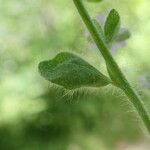
Erinus alpinus
Fairy Foxglove · Alpine balsam · Liver balsam · Alpine erinus · Mountain Erinus
Description
Source: leafsnapErinus alpinus, commonly known as Alpine Balsam, is a low-growing perennial plant belonging to the family Plantaginaceae. Native to the mountainous regions of Europe and Asia, it thrives in rocky areas, alpine meadows, and on cliffs. The plant features small green leaves arranged in a rosette pattern at the base of its stem. Its flowers are small and bell-shaped, with five petals that range in color from pink to purple. Blooming from late spring through summer, these flowers add a splash of color to the landscape. Erinus alpinus is easy to grow, favoring well-drained soil with full sun exposure or partial shade. It can be propagated by seeds or by dividing clumps during spring or autumn. Alpine Balsam is known for its medicinal properties. Its high mucilage content makes it an effective expectorant for coughs and colds. Additionally, it has anti-inflammatory properties, making it useful for treating skin irritations such as eczema. Besides its medicinal uses, Erinus alpinus is also valued for ornamental purposes. Its attractive flowers make it a popular choice for rock gardens or border planting schemes. In conclusion, Erinus alpinus is a versatile plant with both medicinal benefits and ornamental value, making it an excellent addition to any garden setting.
Care Guide
💧 Water Every 7 days
Alpine balsam thrives in moist soil and can withstand short periods of dryness. It prefers consistent moisture, so it's important to water it weekly to avoid waterlogging. Typically grown outdoors, alpine balsam is well-suited to cooler climates and is perfect for rock gardens or high-altitude landscapes, where it benefits from natural rainfall.
How should I water my Alpine balsam plant?
To properly water the Alpine balsam, it is recommended to use filtered water at room temperature. Tap water may contain harmful particles that can affect the plant's health. It is important to use room temperature or slightly warm water because the Alpine balsam is accustomed to warmer environments and cold water may be a shock to its system. Instead of overhead watering, it is best to apply filtered room temperature water directly to the soil until it is fully soaked. Doing so helps moisten the roots and supports their spread throughout the soil, aiding in nutrient absorption.
What should I do if I give my Alpine balsam plant too much or too little water?
Overwatering is a common issue that can harm your Alpine balsam. It causes wilting and yellowing of the stems and leaves and can lead to diseases like root rot, mold, and mildew, which can be fatal. Underwatering is less common, but still a possibility. Signs of underwatering include brittle, brown leaves. It's important to notice the signs of overwatering early and reduce your watering schedule. If the soil drains poorly, replace it with a well-draining mix. If you notice signs of underwatering, simply water more regularly until the signs disappear.
How frequently do I need to water my Alpine balsam?
If you have an Alpine balsam planted in a pot, the most precise way to determine if it needs water is by checking the soil. Stick your finger into the soil and if the top two to three inches are dry, then it's time to water. For Alpine balsams planted outdoors in the ground, you can also use this method to test the soil. When the first few inches of soil have dried out, it's time to water. In spring and early fall, you'll likely need to water once a week. During extremely hot weather, you may need to water twice or more per week. However, mature and well-established Alpine balsams can tolerate drought well.
How much water should I give my Alpine balsam?
To properly water your Alpine balsam, be generous with the amount of water you provide. Make sure the top two to three inches of soil are dry before watering. It's best to give a thorough watering that completely soaks the soil. Use enough water so that it flows through the holes at the bottom of the pot. If you don't see excess water draining, it means you haven't given enough water. However, be careful not to let water accumulate in the soil, as it can harm the plant. If water isn't draining through the pot, it might indicate that the soil doesn't drain well, which is not good for the plant's health. If the plant is outdoors, one inch of rain per week is enough.
How do I water my Alpine balsam at different times when it's growing?
The water needs of Alpine balsam can vary depending on its growth stages. In the early years or when you have just transplanted it, more water is required. This is because the plant puts a lot of energy into growing new roots, which need additional moisture to support future growth. However, as the plant matures, it will require less water. Another stage that might require more water is during the bloom period when flower development requires a significant amount of moisture.
☀️ Light Full sun
The alpine balsam does best with abundant sunlight, particularly in its early growth stages. Its native alpine meadow habitat—open, sun-drenched areas—has shaped its ability to absorb a great deal of light. Still, it can tolerate conditions with reduced sunlight. Both excessive exposure and insufficient light can limit growth or cause the leaves to become discolored.
What are the sunlight requirements for Alpine Balsam?
Alpine Balsam requires full sun exposure for robust growth, thriving on more than 6 hours of direct sunlight a day. It can also adapt to partial sun conditions, with about 3-6 hours of sunlight. Remember to observe the sunlight's movement through your garden to find a location that provides a balance of light and shade, ensuring the plant's well-being.
How does the origin of Alpine Balsam influence its sunlight needs?
Originating from sun-drenched alpine meadows, Alpine Balsam is well-adapted to absorb ample sunlight, a trait essential for its growth. These conditions of its habitat contribute to its preference for substantial sunlight exposure, although it's capable of withstanding less sunny environments. It's crucial to avoid both overexposure and underexposure to sunlight to prevent issues like stunted growth or leaf discoloration.
How can artificial lighting be used for Alpine Balsam?
In situations where natural sunlight is insufficient, artificial lighting can support the growth of Alpine Balsam indoors. Opt for LED lights, which offer specific wavelengths beneficial for plant health. The intensity of artificial light required varies: full sun plants need 30-50W/sq ft, partial sun plants require 20-30W/sq ft, and full shade plants need 10-20W/sq ft. Ensure the light source is placed 12-36 inches above the plant for 8-12 hours per day to mimic natural sunlight conditions effectively.
What are the symptoms of inadequate lighting for Alpine Balsam?
When Alpine Balsam receives insufficient light, it may show several symptoms indicating the need for more sunlight. These include the development of smaller leaves, leggy or sparse growth, faster leaf drop, slowed or halted growth, and paler or irregularly colored new leaves. Additionally, excessive sunlight can cause chlorosis, sunscald, leaf curling, wilting, and leaf scorching, emphasizing the importance of balanced light exposure.
What solutions are recommended for Alpine Balsam experiencing light-related issues?
To address light-related issues in Alpine Balsam, gradually introducing it to more sunlight is key. For indoor plants, relocate them to sunnier spots weekly until they receive at least 6 hours of sunlight through a south-facing window or supplement with artificial light for large or immovable plants. Outdoors, move plants to brighter locations gradually to prevent sunburn. Pruning obstructions or transplanting to sunnier spots can also improve light exposure. Remember, parts of the plant damaged by insufficient light might not recover, but new growth will be healthy with increased light.
🌡️ Temperature 5–32.2°C
Alpine balsam does best in conditions similar to its native temperate climates. It prefers a range of 41 to 89.6 °F (5 to 32 ℃). In harsh seasons, moderate indoor warmth can be helpful.
What are the optimal temperature conditions for Alpine balsam to thrive?
Alpine balsam (Erinus alpinus) prefers environments that mirror its native temperate climates, thriving in a temperature range of 41 to 89.6 °F (5 to 32 °C). It is highly cold-tolerant and does not need additional frost protection during winter. However, to prepare for winter, it's recommended to water the plant generously before the first freeze in autumn, ensuring the soil remains moist and enters a frozen state. This preparation helps in preventing drought and water scarcity for the plant during winter and early spring.
How should I care for Alpine balsam in low temperatures?
Alpine balsam is extremely cold-tolerant, capable of withstanding winter temperatures above -30°C without visible distress. Despite this resilience, temperatures dropping below -30°C could result in reduced or non-existent sprouting in the following spring. To manage this, it's advisable to remove any plant parts that have failed to sprout as soon as spring arrives.
What precautions should be taken if Alpine balsam is exposed to high temperatures?
Alpine balsam struggles in high temperatures, especially when exposed to conditions exceeding 32°C. Under such heat, the plant's growth halts, and it becomes prone to rot. To mitigate damage, trim any sunburned or dried-up parts of the plant. Relocating the plant to a shaded area or using a shade cloth can offer protection against the harshest rays of the midday and afternoon sun. Additionally, watering the plant during cooler times, such as in the morning and evening, helps keep the soil adequately moist and supports the plant's health.
💨 Humidity
🪴 Soil 6-7
🌱 Fertilizer
The best time to fertilize an Alpine balsam is in early spring, as it comes out of dormancy and begins active growth. Fertilizing supplies essential nutrients for healthy development. Although Alpine balsam has fairly low fertilizer requirements, applying fertilizer annually can improve its chances of survival and encourage better, longer-lasting flowers.
Why do I have to add plant food to my Alpine balsam?
Fertilization is important for the Alpine balsam because it provides essential nutrients for the plant to grow both above and below ground. While the overall fertilization needs for the Alpine balsam are relatively low, annual fertilization can greatly benefit the plant by improving its overall health and promoting the growth of beautiful, long-lasting flowers. Therefore, those interested in keeping their Alpine balsam looking its best should prioritize annual fertilization.
When should I fertilize my Alpine balsam plant?
The best time to fertilize an Alpine balsam is in late winter to early spring when the plant is transitioning from dormancy to active growth. Fertilizing during this period promotes healthy growth and sets the plant up for a successful season. While it's generally recommended to fertilize in early spring, fertilizing in the fall is also acceptable. However, it's not advisable to feed the plant during summer or winter.
When is it not a good idea to fertilize my Alpine balsam plant?
To ensure optimal growth of your Alpine balsam, only fertilize it during late winter and early spring. This plant has low fertilization needs, so one annual feeding is sufficient. Avoid fertilizing it during spring, summer, and fall to avoid overfertilization issues. However, if you missed fertilizing in spring, you can fertilize it in fall. Similarly, there is no need to fertilize the plant during winter when it goes into a dormant phase and doesn't produce new growth.
What kind of fertilizer does my Alpine balsam require?
For Alpine balsam, any general-purpose fertilizer with a balance of the three main plant nutrients will work well. However, there are specific nutrient blends that can be even more beneficial. Some gardeners believe that higher amounts of phosphorus can strengthen roots and improve flowering. Since Alpine balsam is a flowering plant, using a phosphorus-rich fertilizer may be the best choice. It doesn't matter if the fertilizer is in granular or liquid form, as long as it contains plenty of nutrients. Aside from manufactured fertilizers, you can also use organic methods to improve the soil for your Alpine balsam. Compost, manure, and similar materials can greatly enhance the growing conditions for your plants.
How can I make my Alpine balsam grow better?
The most common way to fertilize an Alpine balsam is by applying granular or pellet fertilizer to the soil around the plant. It's important to remember that the best time to fertilize is when the plant is transitioning from its dormant phase to active growth, usually in early spring. Once the plant starts sending shoots through the soil, you can apply the fertilizer. Some people may prefer using liquid fertilizer instead of granular. If you choose this option, make sure to dilute the fertilizer with water. Regardless of the type of fertilizer you use, it's always a good idea to moisten the soil before, during, and after applying the fertilizer.
🪴 Pot & Repot 2-3 years
Repot alpine balsam every 2–3 years in early spring, after it has finished blooming. Use a shallow, wide container with drainage holes to accommodate its mat-like roots. Ensure the soil is well-draining and keep the moisture moderate, avoiding deep watering, to promote healthy growth.
✂️ Pruning
Alpine balsam is a low-growing perennial known for its vibrant flowers, which can be pink, purple, or white. To maintain its health and appearance, prune the plant from early to late spring by removing dead foliage. You should also give it a light trim after it flowers. Regular pruning enhances the plant's health and appearance, improves air circulation, and helps prevent disease, leading to robust growth and an abundance of blooms.
🌿 Propagating
🐛 Diseases & pets
☠️ Toxicity
Characteristics
- Plant Type
- Herb
- Life Cycle
- Perennial
- Genus
- Erinus
- Family
- Plantaginaceae
- Hardiness Zone
- 4-7
- Mature Height
- 10 cm to 15 cm
- Mature Spread
- 15 cm to 20 cm
- Leaf Color
- Green
- Leaf Type
- Semi-evergreen
- Flower Color
- Lavender
- Flower Size
- 0.76 cm
- Bloom Time
- Mid spring, Late spring, Early summer
- Planting Time
- Spring
- Harvest Time
- Summer
- Native Area
- Austria, Italy, Spain, Switzerland, Algeria, Morocco, France