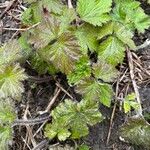
Eriocapitella vitifolia
Fall blooming anenome
Description
Source: leafsnapEriocapitella vitifolia, a species of flowering plant in the buttercup family Ranunculaceae, is native to Asia. The specific epithet vitifolia means "vine-leaved, with leaves resembling those of Vitis", the genus of grapevines, and so the plant is commonly called the grape-leaved anemone or grape-leaved windflower. In Chinese, a common name is ye mian hua, which means "wild cotton".
💡 The grape leaf anemone is a common wildflower that often goes unnoticed, blending in with the wild grass. However, upon closer inspection, its yellow pistil and pink petals—while not fragrant—are as vibrant and stunning as those of a lotus. In early autumn, it gracefully sways with the breeze, showcasing a serene and understated natural beauty.
🌳 While the grape-leaf anemone is mainly admired for its striking autumn display, when its foliage turns a vivid golden color, it also quietly feeds bees by supplying nectar. As a perennial, the plant not only has an attractive appearance but also contributes modestly to bee nourishment, increasing its ecological value.
🎭 Life and anticipation
Care Guide
💧 Water
The grape leaf anemone, native to temperate regions, thrives in moderately moist soil and benefits from regular watering. It can handle short periods of drought, but it's important to provide weekly watering to maintain its health. Using rainwater can further enhance its hydration and promote growth in outdoor environments.
When Should I Water My Grape Leaf Anemone?
Watering your Grape Leaf Anemone appropriately is vital for its health and growth. Look out for signs that indicate the plant's need for water, such as wilting, droopy leaves losing their vibrant color, or the top 1-2 inches of soil being dry to the touch. Slow growth or a halt in vertical growth might also indicate insufficient watering. Ignoring these signs can lead to water stress, leaf shedding, or even root rot due to overwatering, potentially causing the plant to perish.
How Should I Water My Grape Leaf Anemone?
For optimal hydration, consider bottom-watering your Grape Leaf Anemone to ensure the roots receive adequate moisture without overwhelming the surface, helping to prevent diseases. If using a watering can, choose one with a narrow spout to concentrate water at the base and avoid excess moisture on the foliage, which could lead to fungal diseases.
How Much Water Does Grape Leaf Anemone Really Need?
The Grape Leaf Anemone, thriving in naturally damp conditions, demands a consistently moist environment. The exact amount of water needed varies based on factors like pot size and plant size. Generally, a medium-sized plant in a 6-inch pot requires about 250-300 milliliters of water. Properly watered plants will display vibrant, healthy foliage and strong growth. Be wary of overwatering, which can lead to root rot, or underwatering, manifesting as limp and dry leaves.
What Kind of Water is Best for Grape Leaf Anemone?
Grape Leaf Anemone flourishes with distilled or rainwater, as it is sensitive to the chlorine and fluoride commonly found in tap water. Hard water, high in magnesium and calcium, can disrupt the soil pH and overall plant health. If using tap water, leaving it out for 24 hours before application allows chlorine to evaporate. Consistency in water quality supports the anemone's health and growth.
How Do Grape Leaf Anemone's Watering Needs Change with the Seasons?
The watering needs for Grape Leaf Anemone vary seasonally. In the active growth phase during spring, the plant requires regular, deep watering. Summertime sees increased evaporation and demands consistent soil moisture. Come autumn, as growth slows, reduce watering frequency. Winter calls for minimal watering, mainly to prevent the roots from drying out.
☀️ Light Partial sun
The grape-leaf anemone usually does well in places that receive a mix of sun and shade over the course of the day, though it can tolerate extended periods of sunlight. Native to areas with plentiful tree cover, it is accustomed to both filtered light and strong rays. Too little light can inhibit growth, while too much can lead to leaf scorch.
What are the sunlight requirements for grape leaf anemones?
Grape leaf anemones thrive in locations that offer a blend of sun and shade throughout the day. They are adaptable to both filtered light and direct sunlight, thanks to their origin in environments with significant tree cover. For optimal growth, they need about 3-6 hours of sunlight daily, classified as 'Partial sun', while 'Full sun' requires above 6 hours of sunlight. It is advised to observe the movement of sunlight through your garden to identify spots that provide a balance of light and shade, which is essential for the health of your plants.
How does artificial lighting benefit indoor grape leaf anemones?
Artificial lighting is crucial for grape leaf anemones when natural sunlight is inadequate, especially during winter or in less sunny spaces. It promotes faster, healthier growth by compensating for the lack of sunlight. LED lights are recommended for their ability to be tailored to the plant's specific light wavelength needs. Full sun plants require 30-50W/sq ft, partial sun plants 20-30W/sq ft, and full shade plants 10-20W/sq ft of artificial light. The light source should be placed 12-36 inches above the plant to mimic natural sunlight, and most plants will thrive with 8-12 hours of light per day.
What are the symptoms of insufficient light in grape leaf anemones?
When grape leaf anemones are grown indoors with insufficient light, they may show several symptoms indicating light deficiency. These include smaller new leaves, leggy or sparse growth, quicker leaf drop, slowed or ceased growth, paler new leaves, and conditions such as chlorosis and sunscald. Chlorosis leads to yellowing leaves due to chlorophyll breakdown, while sunscald and leaf scorching occur from excessive sunlight exposure, causing damage and reduced health. Leaf curling and wilting are also defensive mechanisms against overexposure, aimed at minimizing water loss.
How can you optimize sunlight exposure for grape leaf anemones?
To optimize sunlight exposure for grape leaf anemones, gradually acclimate them to sunnier spots; for indoors, move them weekly until they receive 3-6 hours of direct sunlight daily. Use artificial lighting, such as desk, ceiling lamps, or professional grow lights, for at least 8 hours daily if the plant is large or not easily movable. Outdoors, also move plants gradually to prevent sunburn. Obstructions like trees blocking sunlight can be mitigated by pruning. If necessary, transplant smaller plants during their dormant period to areas with better sunlight and drainage.
🌡️ Temperature 5–35°C
Grape leaf anemone naturally grows in temperate regions where temperatures range from 5 to 35 ℃ (41 to 95 ℉). It favors cooler conditions during summer and warmer ones in winter. For winter, it is recommended to maintain temperatures between 5 and 15 ℃ (41 and 59 ℉).
What is the native growth environment for grape leaf anemone?
The native growth environment for grape leaf anemone, or Eriocapitella vitifolia, is temperate climates where the temperature ranges from 5 to 35°C (41 to 95°F). These plants prefer cooler summer temperatures and warmer winter temperatures, with an ideal winter temperature range between 5 to 15°C (41 to 59°F). Grape leaf anemone possesses strong cold resistance, so it generally does not require special frost protection measures. However, if temperatures are expected to fall below the plant's growth temperature limit, providing cold protection by covering the plant with soil or straw is advisable. Additionally, watering the plant abundantly before the first freeze in autumn to maintain moist soil can help prevent drought and water scarcity during winter and early spring.
What should be done if grape leaf anemone experiences low temperatures?
Grape leaf anemone is notably cold-tolerant, thriving best when temperatures do not dip below its minimum suitable growth temperature. During winter, it's important to keep the temperature above its tolerable growing minimum. If temperatures fall below the growth limit temperature, while there may not be any noticeable changes during the winter, sprouting may decrease or not occur at all come springtime. The recommended solution for plants that have experienced low temperatures is to remove any parts that have failed to sprout in the spring.
How should grape leaf anemone be cared for in high temperatures?
In the summer, it is crucial to ensure that grape leaf anemone is kept below its maximum suitable growth temperature. Exceeding its tolerable growing maximum temperature can cause the leaves to lighten in color, curl, become susceptible to sunburn, and, in severe cases, lead to the entire plant wilting and drying out. To mitigate damage from high temperatures, sunburned and dried-up parts of the plant should be trimmed away. Moving the plant to a shaded location or employing a shade cloth to protect it from midday and afternoon sun can also be beneficial. Additionally, watering the plant in the morning and evening will help keep the soil moist and support the plant's health under high temperatures.
💨 Humidity
🪴 Soil 6-7
🌱 Fertilizer
Usually one fertilizer application in spring is enough for Grape leaf anemone, though repeated feedings can maximize growth. Apply fertilizer about every month to a month and a half. Fertilization improves the leaves' appearance and function, encouraging even color and a healthy texture. It also promotes root development and nutrient uptake for the plant's long-term health.
🪴 Pot & Repot
Ensure excellent drainage in pots for optimal growth.
✂️ Pruning
To encourage the optimal growth of grape leaf anemones, prune them in early to late spring. Begin by trimming dead stems and shaping the plant. Thinning out crowded areas will improve air circulation, which helps minimize the risk of disease. Always use clean, sharp tools for pruning to promote healthier, more vibrant growth. For additional care tips, consult horticultural guides.
🌿 Propagating
🐛 Diseases & pets
☠️ Toxicity
Characteristics
- Plant Type
- Herb
- Life Cycle
- Perennial
- Genus
- Eriocapitella
- Family
- Ranunculaceae
- Hardiness Zone
- 5-9
- Mature Height
- 61 cm to 91 cm
- Mature Spread
- 49 cm
- Leaf Color
- Green
- Leaf Type
- Deciduous
- Flower Color
- White
- Flower Size
- 3.05 cm to 4.32 cm
- Bloom Time
- Mid summer
- Planting Time
- Spring
- Harvest Time
- Late summer, Early fall
- Native Area
- Nepal, India, Myanmar, Bhutan, Philippines, Pakistan, China