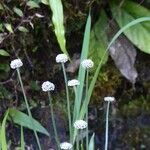
Eriocaulon aquaticum
Pipewort · Sevenangle Pipewort · Common Pipewort · Seven-angled Pipewort · Aquatic Pipewort
Description
Source: leafsnapEriocaulon aquaticum is a species of flowering plant in the family Eriocaulaceae. It is known by many common names such as the common pipewort, northern pipewort, seven-angled pipewort or hatpins.
Care Guide
💧 Water
Sevenangle pipewort, which originates from aquatic environments, flourishes in consistently moist conditions. To maintain its water balance, it needs to be watered weekly. It is best grown outdoors, where it can take advantage of natural rainfall. For optimal growth, the sevenangle pipewort should be planted in areas with high humidity, similar to its native habitat.
☀️ Light Full sun
Sevenangle pipewort is native to habitats with abundant sunlight, such as the shallow edges of ponds and lakes. It prefers full sun but can also tolerate partial sun.
What are the sunlight requirements for Sevenangle pipewort?
Sevenangle pipewort, also known by its botanical name Eriocaulon aquaticum, thrives in full sun conditions, meaning it requires more than 6 hours of direct sunlight daily. It can also grow in partial sun, receiving about 3-6 hours of sunlight. It's crucial to monitor how sunlight moves through your garden to find spots that offer the right balance of light and shade, ensuring the plants' well-being.
What are the basics of Sevenangle pipewort's care?
The Sevenangle pipewort is a sun-loving perennial herbaceous plant that originates from open habitats such as meadows and grasslands. It prefers full sun but can tolerate partial sun conditions. If natural sunlight is insufficient, especially in winter or less sunny spaces, artificial lighting can be a vital solution. LED lights are recommended for indoor plants because they can provide specific wavelengths needed for optimal growth. Full sun plants need 30-50W/sq ft of artificial light, partial sun plants need 20-30W/sq ft, and full shade plants require 10-20W/sq ft of light. The placement should be 12-36 inches above the plant, for 8-12 hours per day.
What are the symptoms of inadequate lighting for Sevenangle pipewort?
When Sevenangle pipewort does not receive adequate lighting, several symptoms may occur: new leaves may grow smaller; the plant might exhibit leggy or sparse growth; there could be faster leaf drop; growth may slow down or stop altogether; new leaves could appear lighter in color or show signs of chlorosis (yellowing); sunscald might damage leave or stems; leaves may curl or twist under extreme sunlight; wilting could occur due to overexposure and increased water loss; and leaf scorching, characterized by brown, dry edges on leaves, might be evident. These symptoms indicate the plant's response to light deficiency or excessive light exposure.
How can I address light-related issues for my Sevenangle pipewort?
To improve the health of your Sevenangle pipewort in response to light-related issues, follow these guidelines: For indoor plants, if the plant is large or not easily movable, gradually relocate it each week to a sunnier spot or use a south-facing window to ensure it receives at least 6 hours of direct sunlight daily. Artificial lighting, such as desk lamps or professional grow lights, can supplement natural light for at least 8 hours per day. Outdoors, acclimate your plants to more sunlight gradually to prevent sunburn. If trees are blocking sunlight, consider pruning branches. For smaller plants, you can transplant them during their dormant period to a location with better sunlight and drainage. It's important to note that while affected parts may not recover, new growth will be healthy with increased light exposure.
🌡️ Temperature 5–35°C
Sevenangle pipewort can tolerate a wide range of temperatures, though its distribution may still be restricted by different combinations of moisture and heat. It performs best in warm summer conditions with sufficient rainfall or watering. Extended periods of cloudy, rainy weather or prolonged high temperatures can raise the chance of Sevenangle pipewort dying. In winter, protecting it from cold can enhance the plant's survival rate.
💨 Humidity
🪴 Soil
🌱 Fertilizer
🪴 Pot & Repot
✂️ Pruning
Sevenangle pipewort flourishes in wet, boggy settings. To promote healthy growth, prune dead foliage from early to late spring and remove old flower stalks after blooming. Proper pruning enhances air circulation, reduces the risk of disease, and aligns with the plant's active growth phase, minimizing stress.
🌿 Propagating
🐛 Diseases & pets
☠️ Toxicity
Characteristics
- Plant Type
- Herb
- Life Cycle
- Perennial
- Genus
- Eriocaulon
- Family
- Eriocaulaceae
- Hardiness Zone
- 5-9
- Mature Height
- 10 cm to 23 cm
- Mature Spread
- 3 cm to 8 cm
- Leaf Color
- Light Green
- Leaf Type
- Semi-evergreen
- Flower Color
- White
- Flower Size
- 2.54 cm
- Bloom Time
- Summer
- Planting Time
- Spring, Summer, Autumn
- Harvest Time
- Late summer, Early fall, Mid fall
- Native Area
- Ireland, United Kingdom