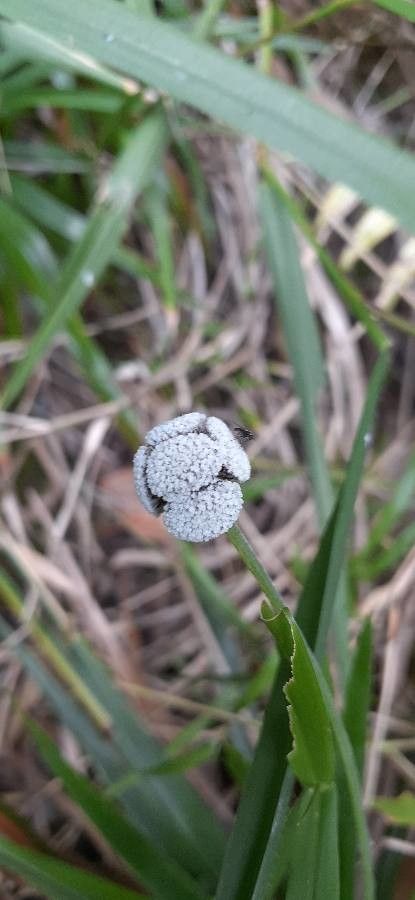
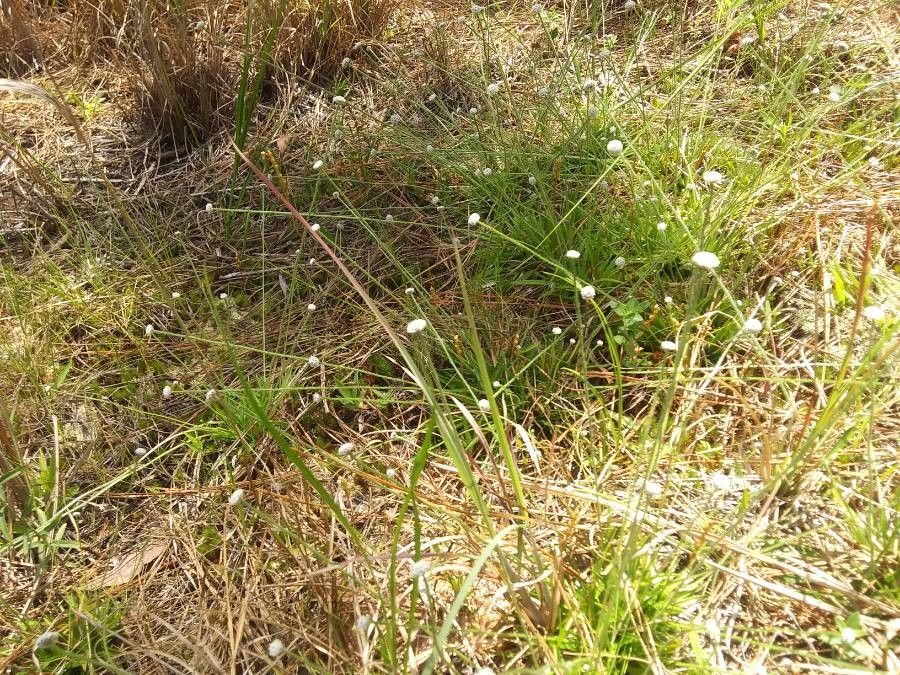
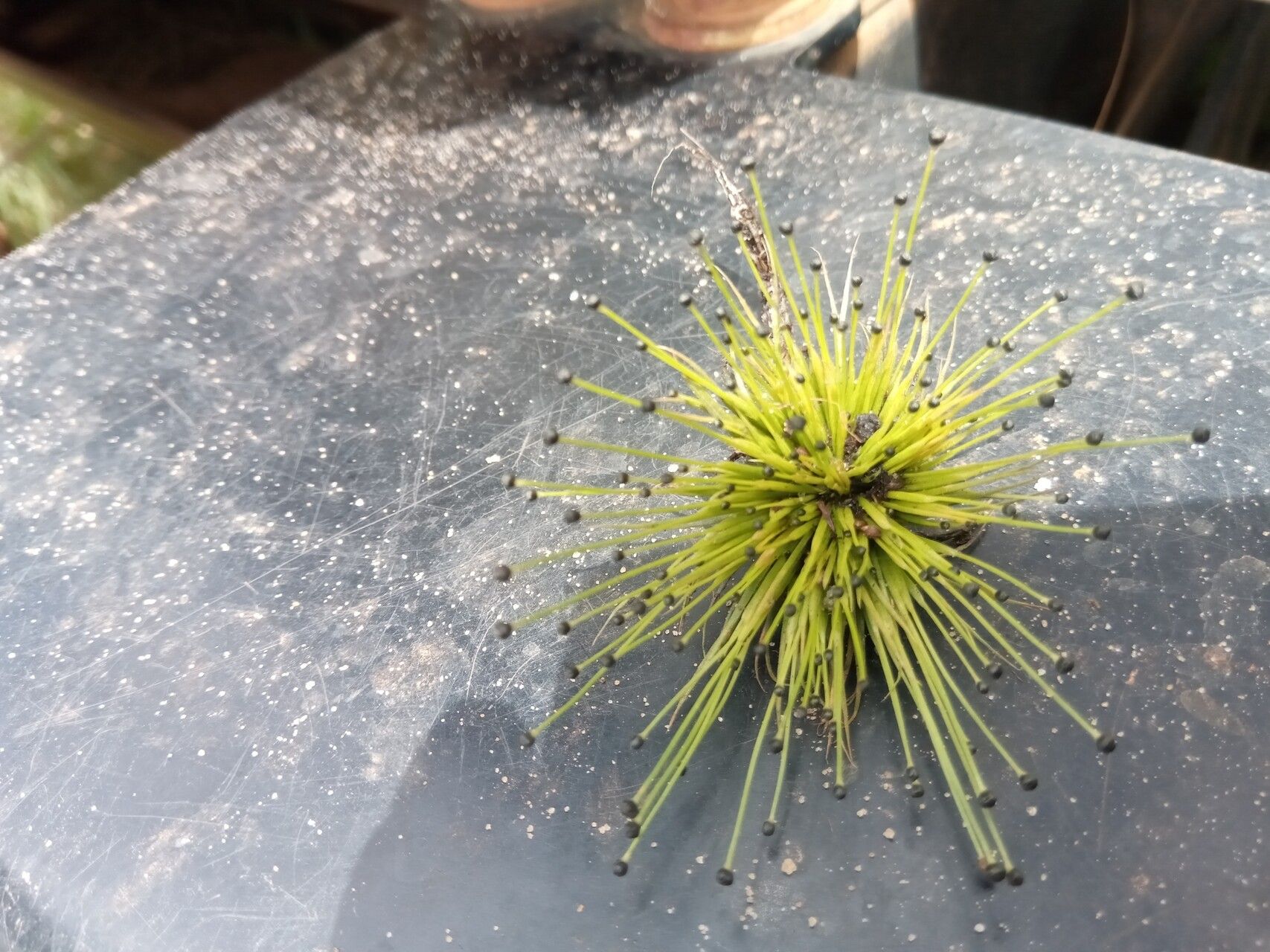
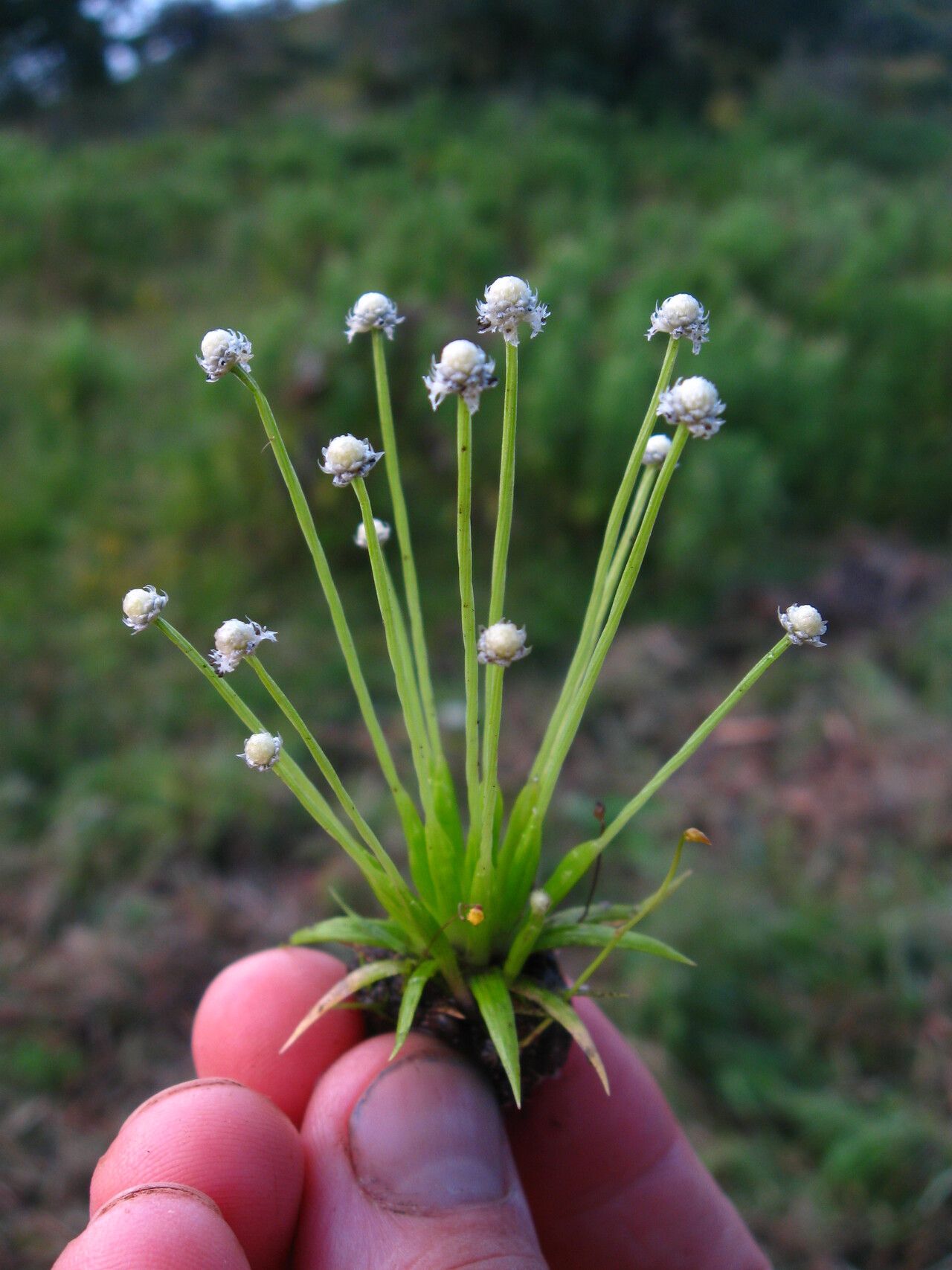
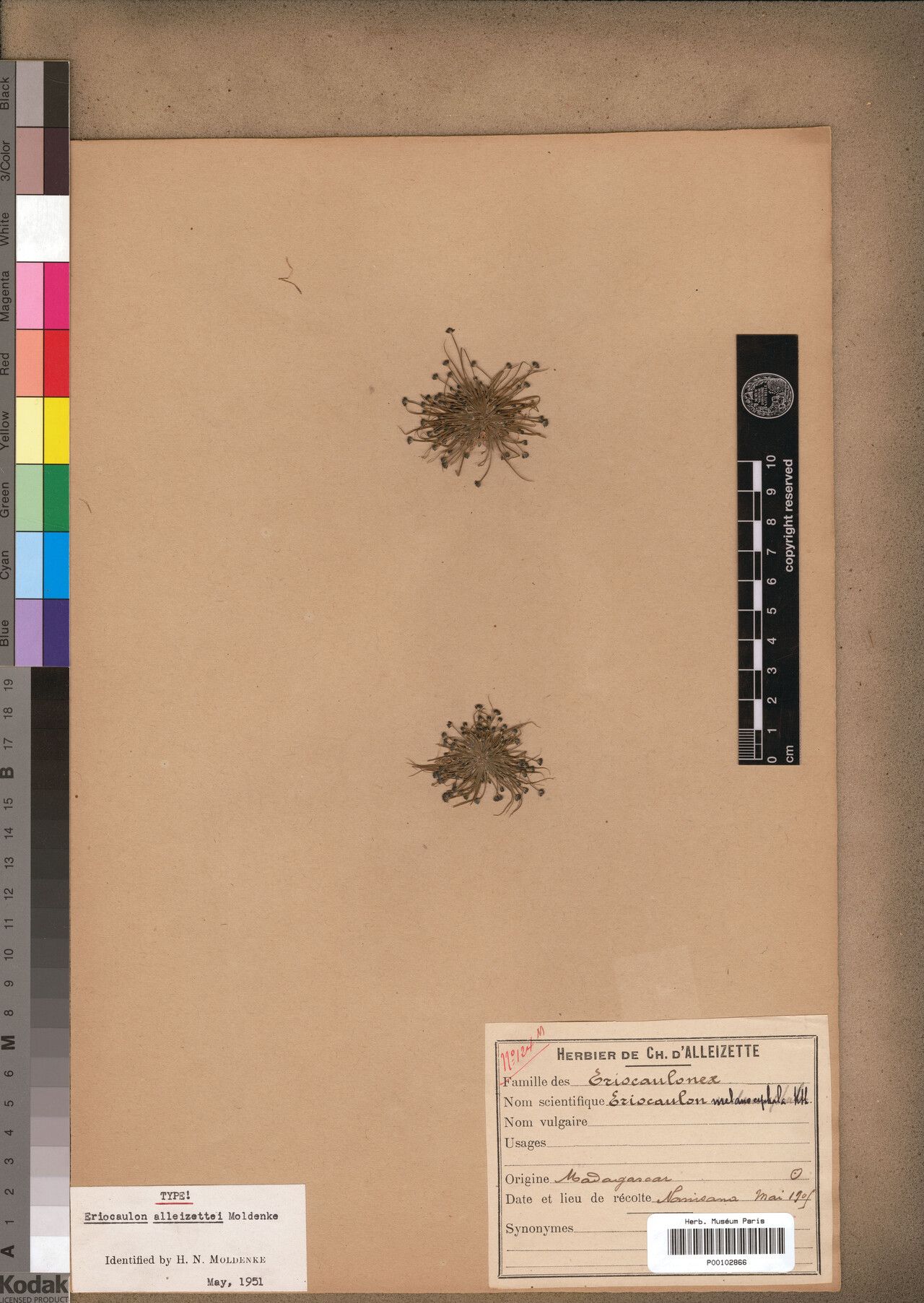
Eriocaulon decangulare, commonly known as Ten-Angled Pipewort, is a perennial aquatic plant in the Eriocaulaceae family. It thrives in wetlands, marshes, and shallow waters across North America. This plant features thin, grass-like leaves that grow in a rosette pattern at the base of its stem. The stem itself can reach up to 30 cm in height and is topped with small white or yellow flowers.
Ten-Angled Pipewort plays a crucial role in wetland conservation by providing habitat for various aquatic animals, including fish, amphibians, and insects. Additionally, it helps prevent soil erosion along riverbanks and assists in filtering water pollutants.
In traditional medicine, Eriocaulon decangulare has been valued for its anti-inflammatory properties and has been used to treat ailments such as arthritis and rheumatism.
Overall, Eriocaulon decangulare is significant both ecologically and medicinally. Its distinctive physical characteristics make it easily recognizable in its natural habitat.
How to keep Eriocaulon Decangulare.
Pruning
Pruning tenangle pipewort in early spring is essential for promoting growth and maintaining plant health. By removing dead leaves, you enhance airflow, which in turn prevents fungal infections. This practice also improves bloom quality and contributes to the plant's overall resilience and visual appeal throughout the growing season.
Botanical profile.
- Life Cycle
- Perennial
- Genus
- Eriocaulon
- Family
- Eriocaulaceae
Other names.