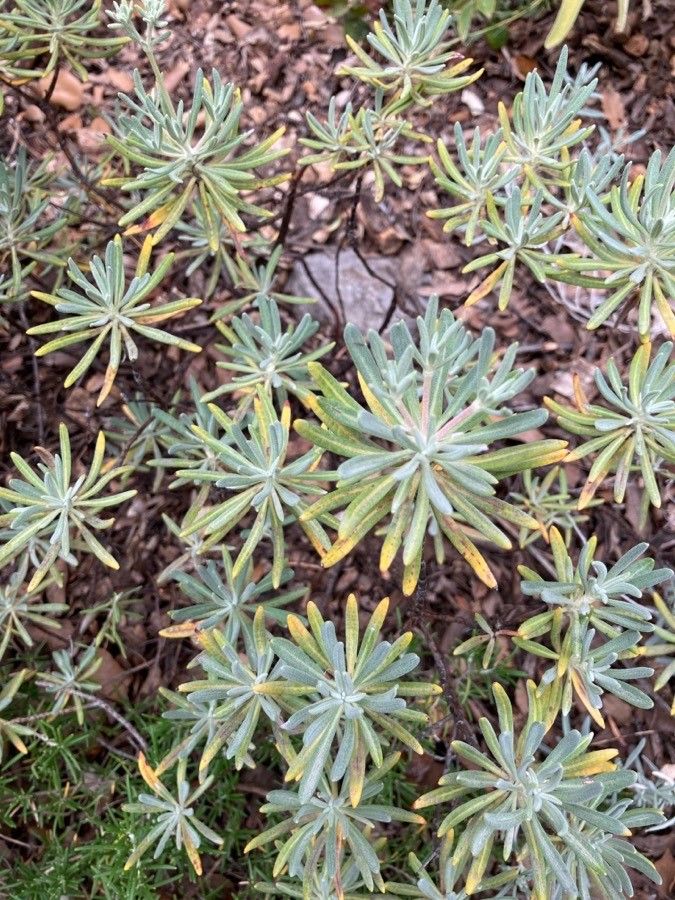
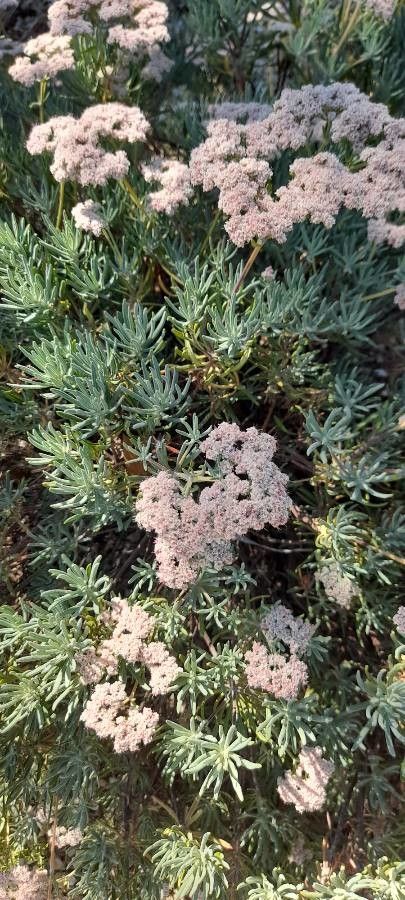
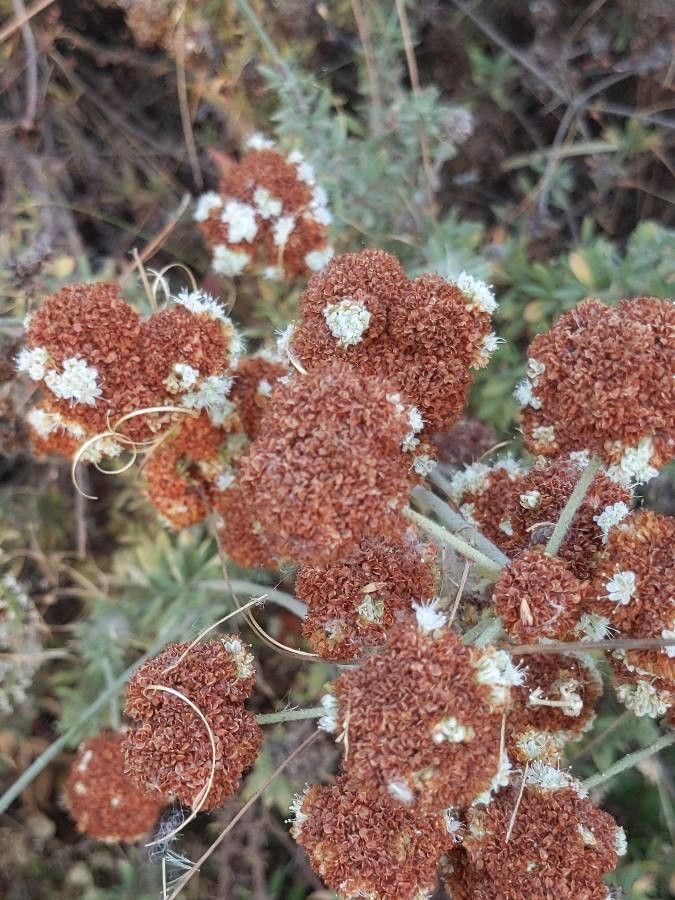
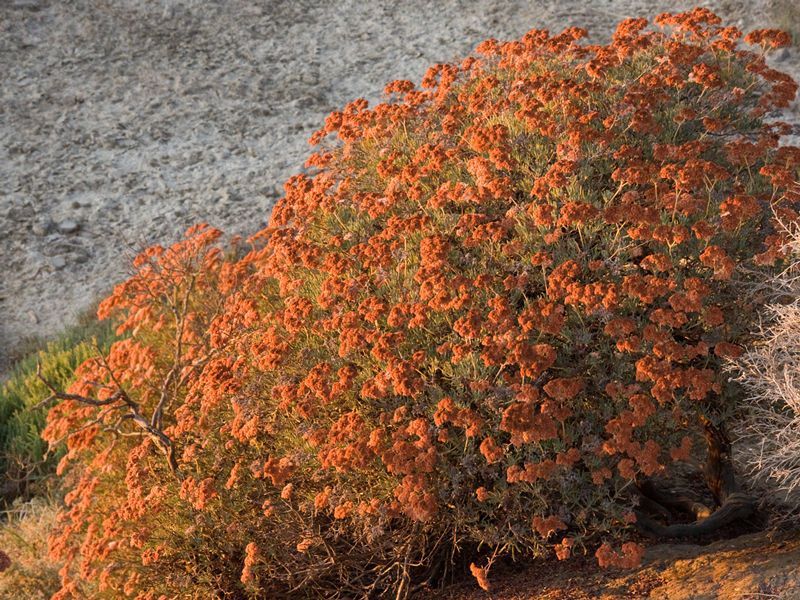
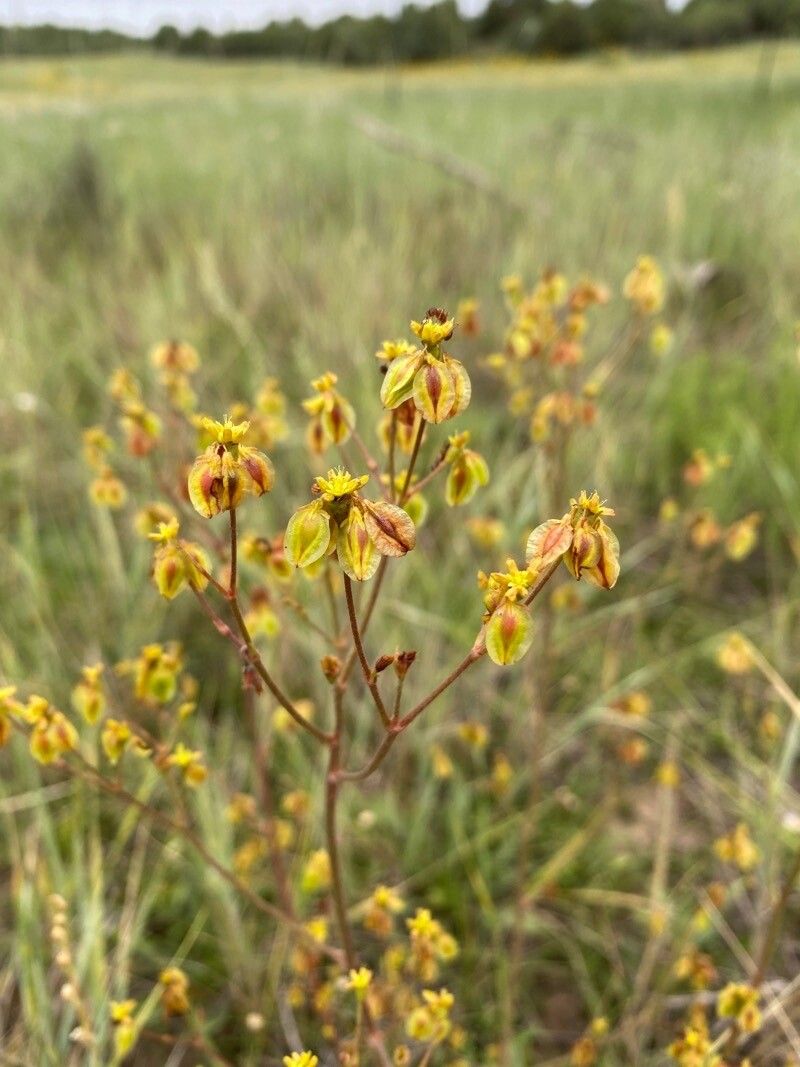
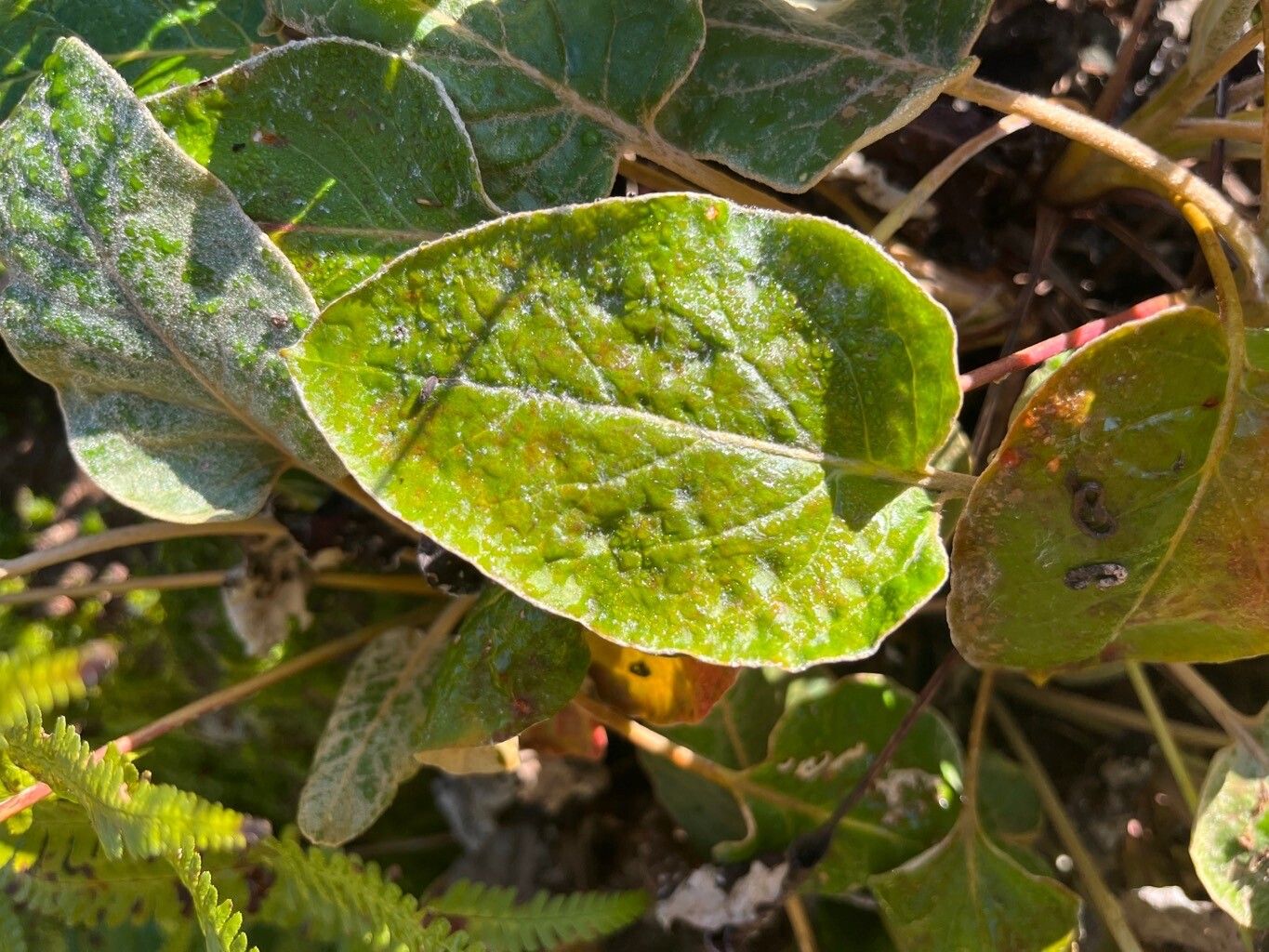
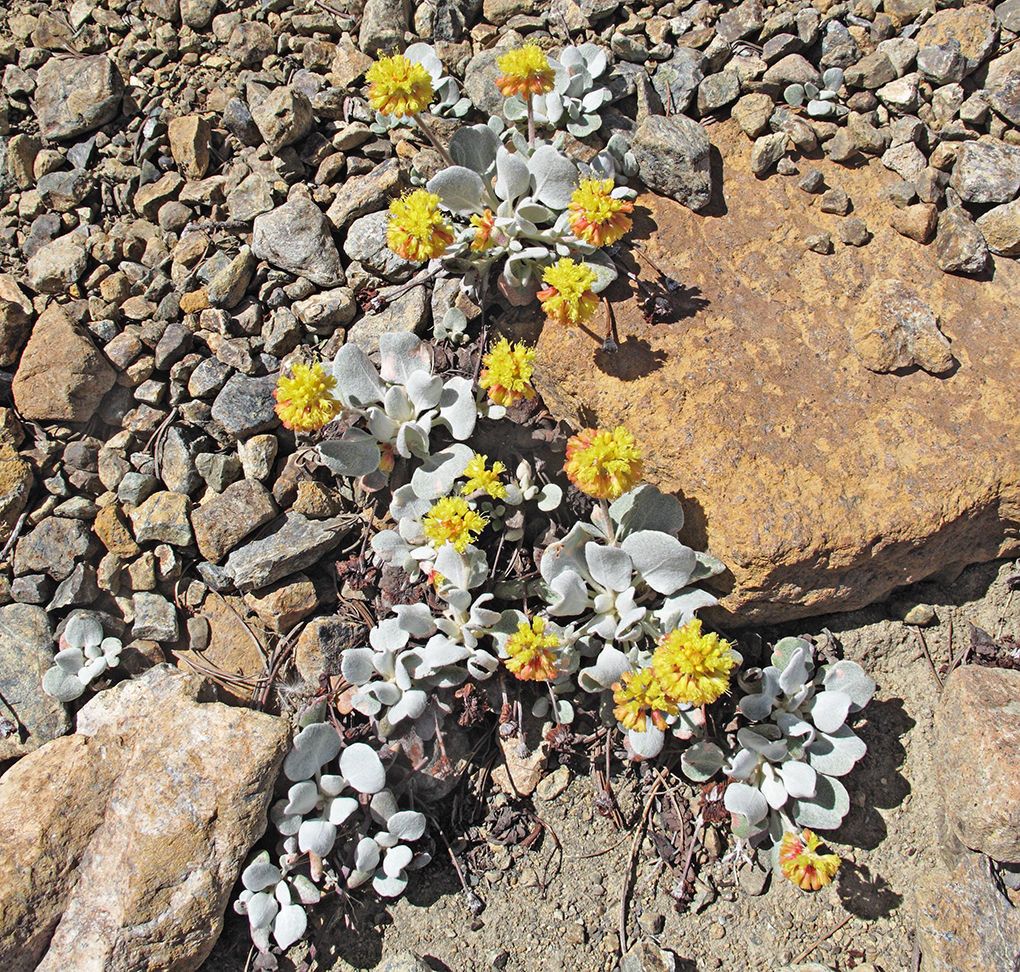
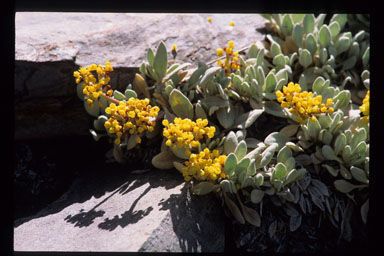
Eriogonum arborescens is a species of wild buckwheat known by the common name Santa Cruz Island buckwheat.
Santa Cruz Island buckwheat has strong disease resistance and is generally not susceptible to illnesses. Regarding care, this species is fairly low maintenance. When grown outdoors it needs only minimal watering, and larger specimens typically do not require pruning. Smaller plants, however, should be pruned after they finish blooming. Santa Cruz Island buckwheat is appropriate for anyone with an outdoor area, such as a garden or a deck, and does not demand extensive plant-care experience.
How to keep Eriogonum Arborescens.
Light
Santa Cruz Island buckwheat does best when it receives sunlight for most of the day. Excessive sun can make it wilt, while insufficient light can stunt its growth and lead to discoloration. This preference for sunlight comes from its native, sun-drenched habitat.
Water
The Santa Cruz Island buckwheat, native to arid regions, is known for its drought tolerance. It only needs watering every 2-3 weeks. This plant thrives in less humid climates and benefits from well-draining soil that replicates the infrequent rainfall of its natural habitat.
Temperature
Santa Cruz Island buckwheat is adapted to a native growth environment with temperatures between 68 and 100 °F (20 to 38 °C). It thrives in these warm conditions and requires appropriate adjustments when temperatures change with the seasons.
Fertilizer
The best time to fertilize a Santa cruz island buckwheat is in early spring as it comes out of dormancy. This encourages overall growth and the development of flowers. Fertilization improves the foliage, stems, and branches, and encourages flowers that are larger, more vibrant, and longer-lasting. It helps move nutrients from the roots to the flowers and enhances the plant’s health and resistance to disease.
Pruning
Santa Cruz Island buckwheat displays hardy foliage and vibrant blooms. Pruning from early to late winter helps maintain its shape, promote growth, remove dead branches, and improve air circulation. This seasonal practice not only prevents disease but also encourages flowering and revitalizes older plants, ensuring their continued vitality and visual appeal.
Botanical profile.
- Plant Type
- Shrub
- Life Cycle
- Perennial
- Genus
- Eriogonum
- Family
- Polygonaceae
- Hardiness Zone
- 9-11
- Mature Height
- 1.52 m
- Mature Spread
- 1.52 m
- Leaf Color
- Green, Gray
- Leaf Type
- Evergreen
- Flower Color
- White
- Flower Size
- 0.51 cm to 0.76 cm
- Bloom Time
- Summer
- Planting Time
- Spring, Summer
- Harvest Time
- Late summer, Early fall, Mid fall
Other names.
Reader questions.
What are the sunlight requirements for Santa Cruz Island Buckwheat?
Santa Cruz Island Buckwheat thrives under conditions where it receives direct sunlight for the majority of the day, as it originates from a sun-drenched habitat. It needs more than 6 hours of sunlight daily to maintain optimal health and growth. However, it's important to watch how sunlight interacts with your garden throughout the day to ensure your plants get a perfect balance of light and shade, promoting their overall happiness.
What are the ideal growth temperatures for Santa Cruz Island buckwheat?
Santa Cruz Island buckwheat thrives in temperatures ranging from 68 to 100 °F (20 to 38 °C), making it well-adapted to warm climates. It's extremely heat-loving, and exposure to cold temperatures can be harmful to the plant. During winter, it's recommended to keep the plant indoors in a location that receives ample sunlight, but away from direct heat sources to maintain an environment above 20°C for optimal growth. Temperatures nearing 0°C can have a detrimental effect on the plant.
Can Santa Cruz Island Buckwheat be grown with artificial lighting?
Yes, Santa Cruz Island Buckwheat can grow with artificial lighting, particularly when natural sunlight is inadequate. LED lights are recommended as they can provide the specific wavelengths needed by plants. For full sun plants, 30-50W per square foot is needed; partial sun plants require 20-30W per square foot, and full shade plants need 10-20W per square foot. Position the light source 12-36 inches above the plant and ensure it receives 8-12 hours of light daily to mimic natural daylight hours. This setup is crucial during winter or in less sunny spaces to promote faster and healthier growth.
How should Santa Cruz Island buckwheat be cared for in low temperature conditions?
Santa Cruz Island buckwheat prefers warm conditions and does not tolerate low temperatures well, thriving best above 20°C and requiring protection from temperatures below 0°C. Exposure to temperatures below -5°C may cause the leaves to lighten in color, eventually turning brown or black with wilting and drooping as possible symptoms of frost damage. The remedy involves trimming away frost-damaged parts and moving the plant to a warm, indoor environment, ideally near a south-facing window for sunlight exposure while avoiding placement near heaters or air conditioning vents to prevent air dryness.
What symptoms indicate insufficient light for Santa Cruz Island Buckwheat?
Symptoms of insufficient light for Santa Cruz Island Buckwheat include small leaves, leggy or sparse growth, faster leaf drop, slower or no new growth, lighter-colored new leaves, chlorosis, sunscald, leaf curling, wilting, and leaf scorching. These symptoms stem from the plant's struggle with inadequate lighting conditions, leading to a reduction in chlorophyll, growth delay, or plant stress due to overexposure or underexposure to sunlight.
What steps should be taken if Santa Cruz Island buckwheat experiences high temperatures?
During summer, it is crucial to ensure that Santa Cruz Island buckwheat remains below 38°C to prevent heat stress. High temperatures exceeding 43°C can cause the leaves to lighten, making the plant prone to sunburn. To address this, sunburned and dried parts should be trimmed, and the plant should be moved to a shadier location, particularly to avoid the intense midday and afternoon sun. Moreover, watering the plant in the morning and evening is recommended to maintain soil moisture and help the plant cope with high temperatures.
How can I optimize sunlight exposure for Santa Cruz Island Buckwheat?
To optimize sunlight exposure for Santa Cruz Island Buckwheat, gradually move your plants to locations receiving at least 6 hours of direct sunlight daily. For indoor plants, use south-facing windows for natural light and consider artificial lights for additional support, ensuring at least 8 hours of light exposure. Outdoors, select the best spot for sunlight and adjust gradually to prevent sunburn. Minimize obstructions by pruning or relocating plants to sunnier areas. Remember, parts of the plant damaged by insufficient sunlight may not recover, but new growth should be healthy with proper light management.