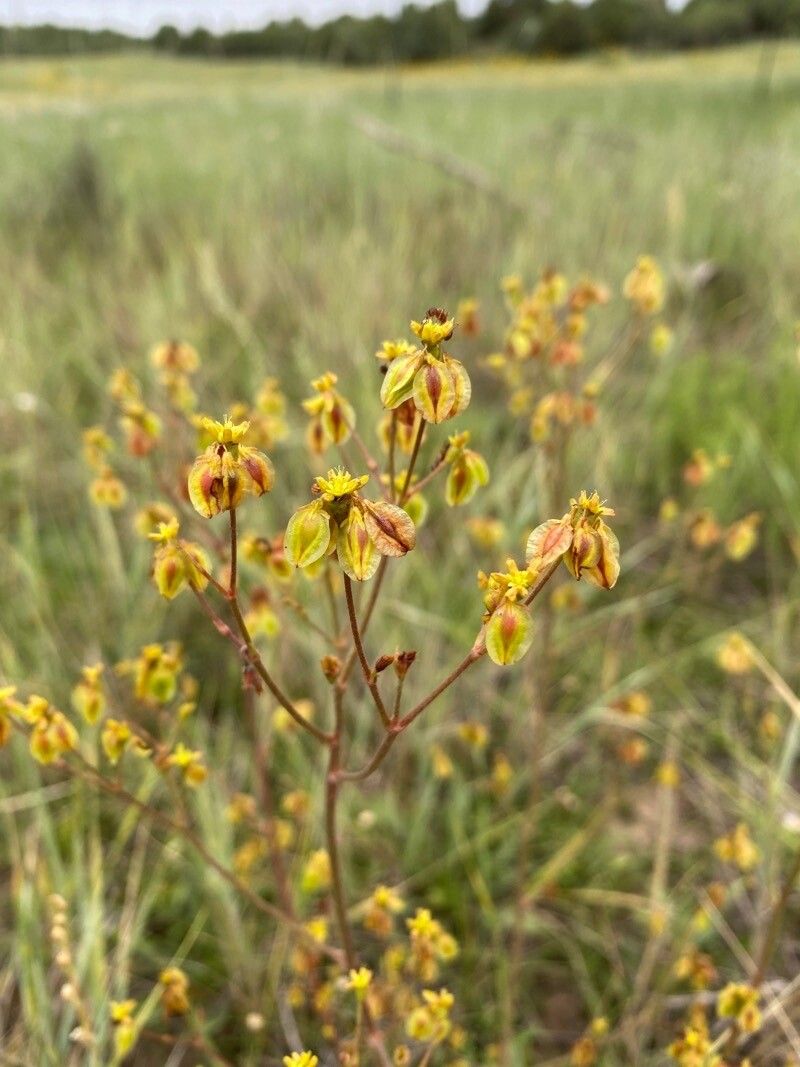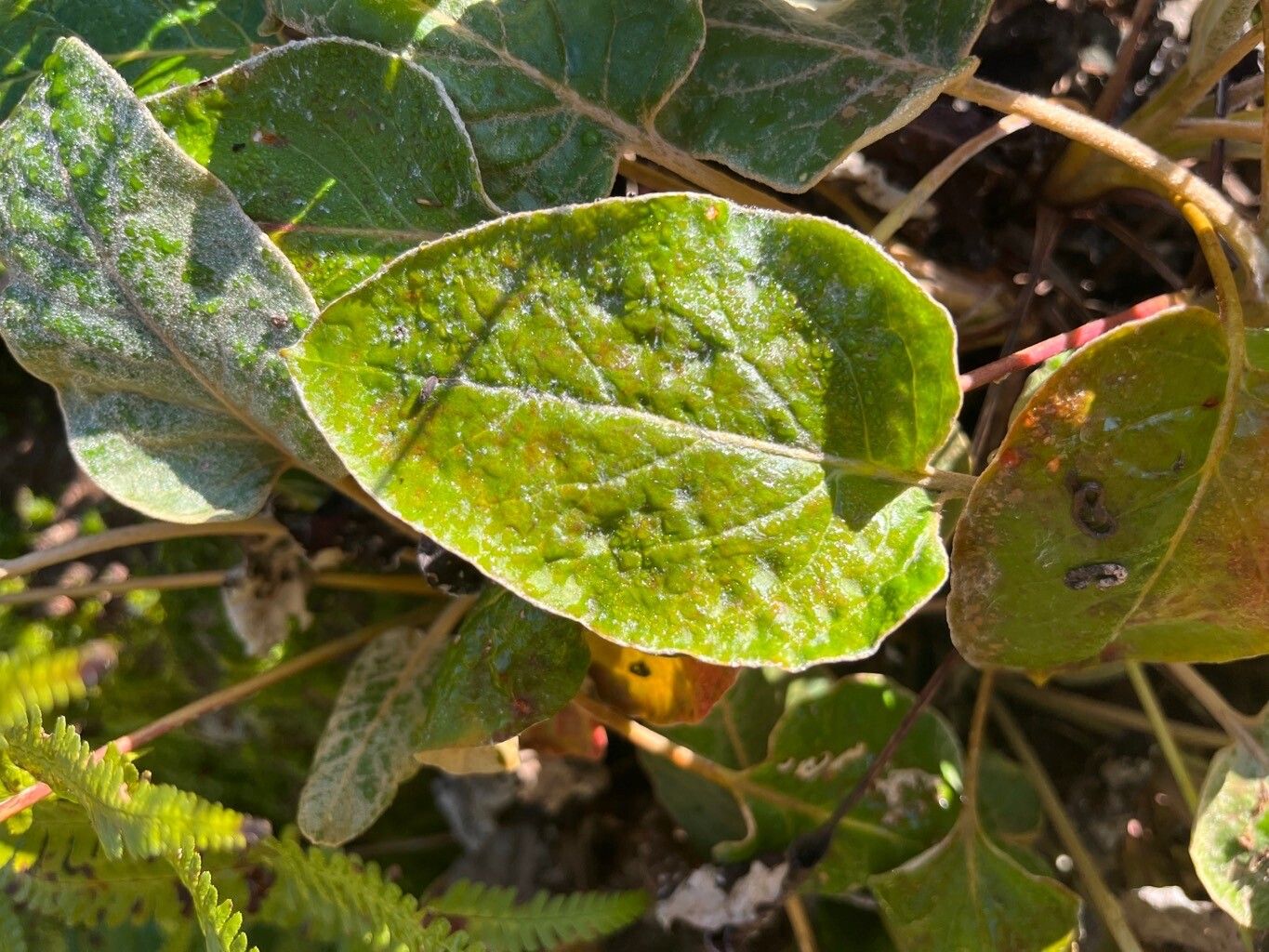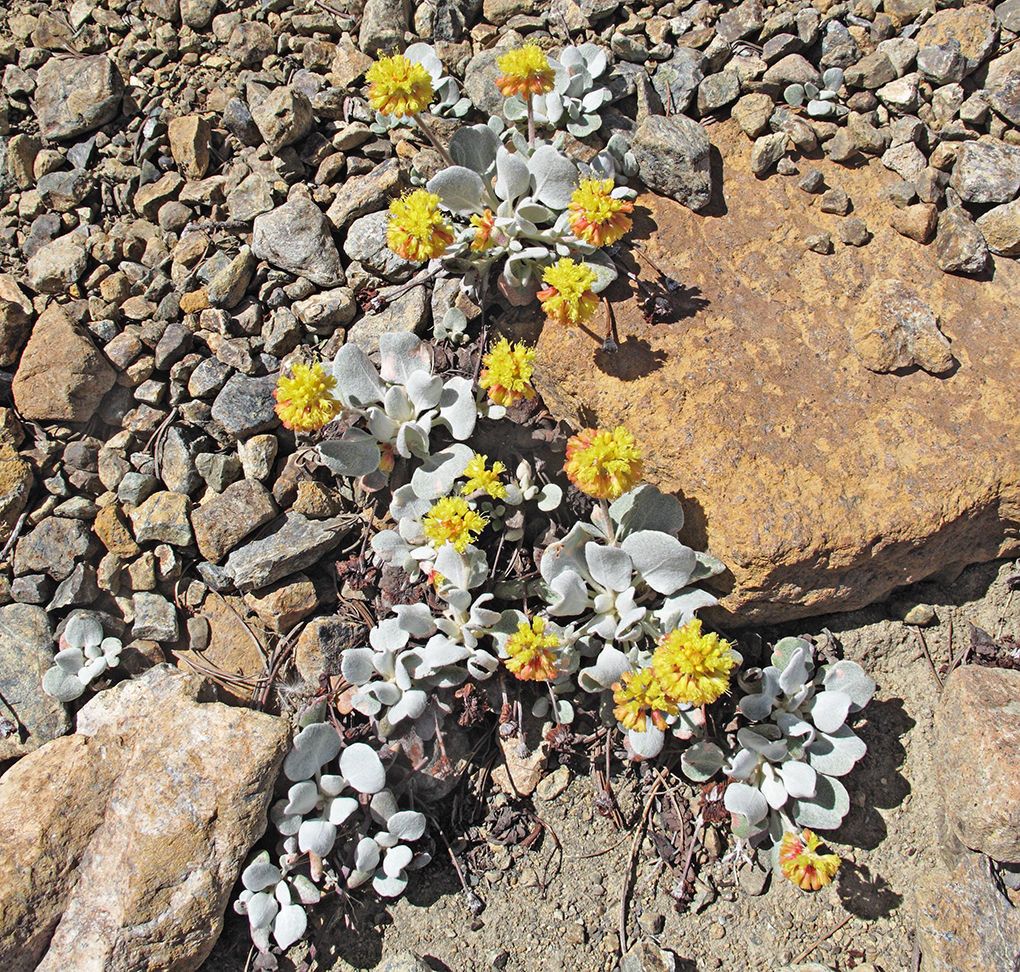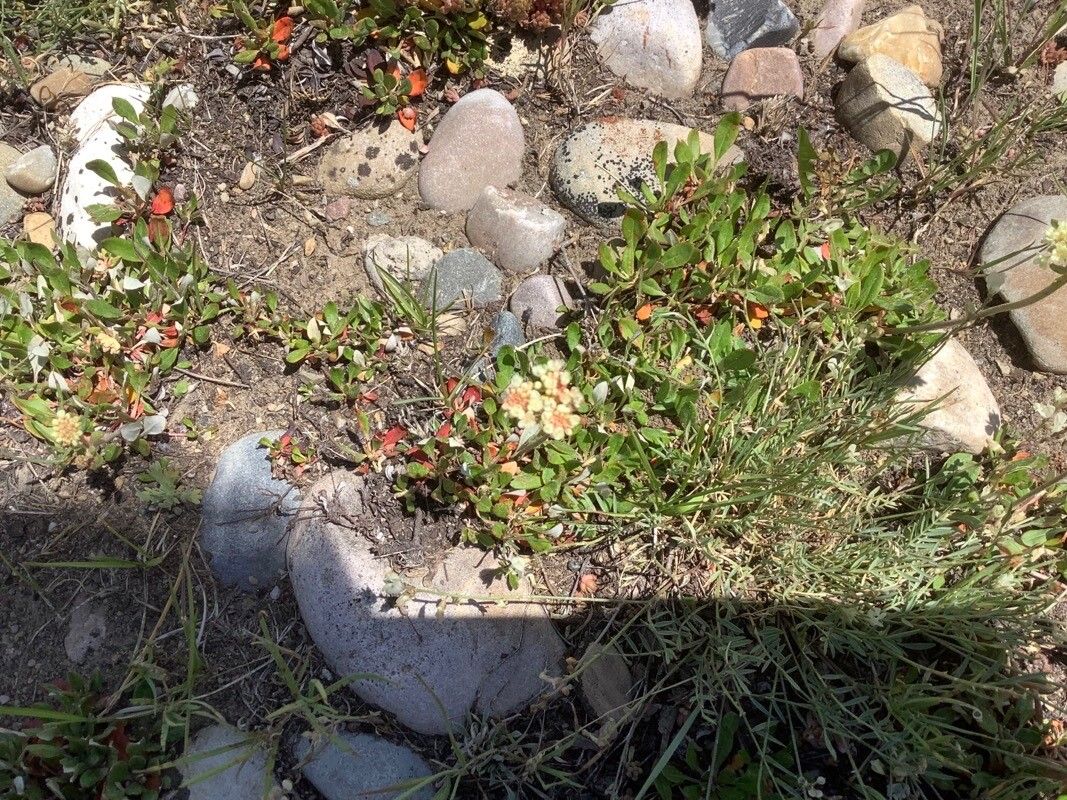
Eriogonum jamesii is a species of wild buckwheat known by the common name James' buckwheat and antelope sage. It is native to the southwestern United States, being found in: Colorado, Utah, Arizona, Texas, New Mexico, Oklahoma, and Nebraska.
James' buckwheat has strong disease resistance and is typically not susceptible to illnesses. Still, it can be affected by pests and diseases present in its surroundings. Such infections are generally mild. Regarding care, this plant needs moderate maintenance. It should be pruned regularly to preserve a tidy appearance and encourage healthy growth. Fertilizing can also help stimulate flowering. James' buckwheat is appropriate for anyone with outdoor space, like a garden or patio, and does not demand extensive experience in plant care. It may require additional attention when grown indoors.
How to keep Eriogonum Jamesii.
Light
James' buckwheat is a sun-loving, perennial herbaceous plant native to open habitats, commonly found in meadows and grasslands. It prefers full sun but can also tolerate partial sun.
Water
James' buckwheat, which thrives in arid landscapes, is an excellent example of drought tolerance and water conservation. It prefers drier conditions and requires only weekly watering. Typically grown outdoors, James' buckwheat is an ideal choice for xeriscaping, a landscaping method that minimizes the need for irrigation.
Temperature
James' buckwheat can tolerate a wide range of temperatures, but its distribution may still be restricted by various combinations of moisture and heat. It performs best in warm summer climates with adequate rainfall or watering. Extended periods of cloudy, rainy weather or prolonged high temperatures can increase the chance of James' buckwheat dying. In winter, proper protection from cold can boost the plant's survival.
Fertilizer
A single fertilizer application in spring is usually enough for James' buckwheat, though multiple feedings can maximize growth. Feed once every month to a month and a half. Fertilization improves the leaves' appearance and function, helping maintain consistent color and a healthy texture. It also encourages root growth and nutrient absorption for long-term plant health.
Pruning
James' buckwheat is a drought-tolerant plant that produces small clusters of flowers. To maintain its health and shape, prune the plant from early to late spring by removing dead stems and trimming up to one-third of the plant to encourage new growth. Ensuring good air circulation around the plant can help prevent disease. For detailed pruning techniques, refer to local horticultural guides.
Botanical profile.
- Plant Type
- Herb, Shrub
- Life Cycle
- Perennial
- Genus
- Eriogonum
- Family
- Polygonaceae
- Hardiness Zone
- 4-8
- Mature Height
- 30 cm
- Mature Spread
- 49 cm
- Leaf Color
- Green Yellow, Olive Drab
- Leaf Type
- Deciduous
- Flower Color
- White, Cream
- Flower Size
- 0.25 cm to 0.76 cm
- Bloom Time
- Summer
- Planting Time
- Spring, Summer
- Harvest Time
- Late summer, Early fall, Mid fall
- Native Area
- Mexico
Other names.
Reader questions.
What are the sunlight requirements for James' buckwheat?
James' buckwheat requires full sun, defined as above 6 hours of sunlight daily, to thrive. It is a sun-loving perennial that grows well in open habitats, such as meadows and grasslands, but can also tolerate partial sun conditions. Observing how sunlight moves through your garden is essential for choosing spots that offer a balance of light and shade, ensuring the plants' well-being.
What are the best growing conditions for James' buckwheat (Eriogonum jamesii)?
James' buckwheat thrives in a wide range of temperature conditions but does best in warm climates during the summer with sufficient rainfall or watering. It has a strong resistance to cold, usually not requiring special frost protection measures. However, it's important to be mindful of its growing conditions, as both prolonged periods of cloudy, rainy weather and prolonged high temperatures can harm the plant. During the winter, protecting the plant against extreme cold and ensuring the soil remains moist by watering before the first freeze can improve its survival.
How can artificial lighting be used for indoor plants like James' buckwheat?
Indoor plants, including James' buckwheat, may require artificial lighting to grow optimally, especially in conditions where natural sunlight is insufficient, like winter or less sunny spaces. LED lights are recommended because they can be tailored to provide the specific wavelengths needed by plants. Full sun plants need 30-50W/sq ft, partial sun plants 20-30W/sq ft, and full shade plants 10-20W/sq ft of artificial light. The light source should be placed 12-36 inches above the plant and turned on for 8-12 hours per day to mimic natural sunlight.
How does cold temperature affect James' buckwheat and what should be done?
James' buckwheat is cold-tolerant, thriving best when the temperature is above 5°C and should be kept above -25°C during winter. If temperatures drop below -30°C, you might not notice immediate changes, but there could be a decrease in sprouting or even no sprouting in spring. In such cases, it's recommended to remove any parts of the plant that have failed to sprout come spring.
What are common symptoms of inadequate lighting in James' buckwheat?
Common symptoms of light deficiency in James' buckwheat include smaller new leaves, leggy or sparse growth, faster leaf drop, slower or halted new growth, lighter-colored or chlorotic leaves, sunscald, leaf curling, wilting, and leaf scorching. These symptoms indicate the plant is not receiving sufficient sunlight or is overexposed, which affects its health and ability to photosynthesize properly.
What happens to James' buckwheat in high temperatures and how can it be mitigated?
During summer, it's advisable to keep James' buckwheat below 32°C as temperatures exceeding 35°C can cause the leaves to become lighter in color, prone to curling, susceptible to sunburn, and in severe cases, the entire plant may wilt and become dry. To mitigate these effects, trim away any sunburned and dried-up parts, move the plant to a shaded location or use a shade cloth to provide relief from the midday and afternoon sun, and water the plant in the morning and evening to maintain soil moisture.
What solutions can be applied to improve lighting conditions for James' buckwheat?
To improve lighting conditions for James' buckwheat, gradually increase its exposure to sunlight if it has been under low light, aiming for at least 6 hours of direct sunlight daily. This can be achieved by moving the plant to a sunnier location each week, using a south-facing window, or employing artificial light sources such as desk lamps or professional grow lights for at least 8 hours a day. If plants are outdoors, ensure they are gradually introduced to brighter spots to prevent sunburn. Minimize obstructions like overhanging branches and consider transplanting smaller plants during their dormant period for better sunlight access.