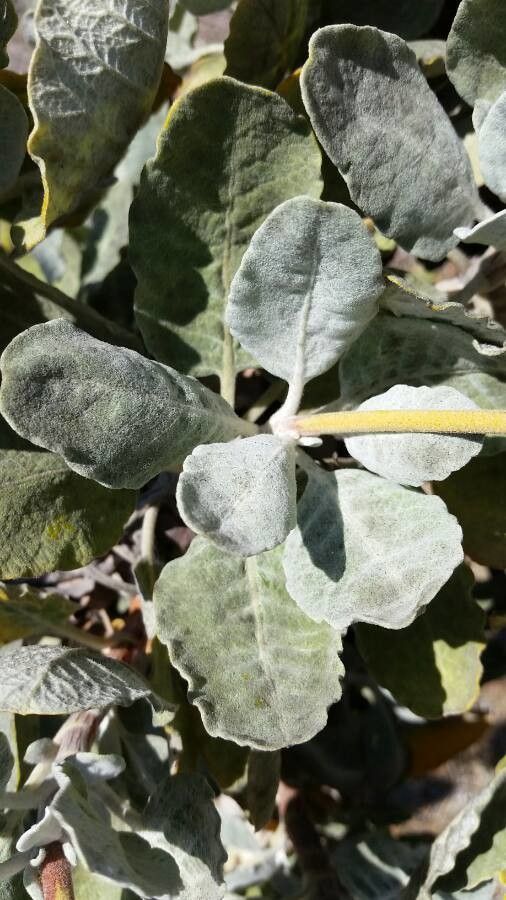
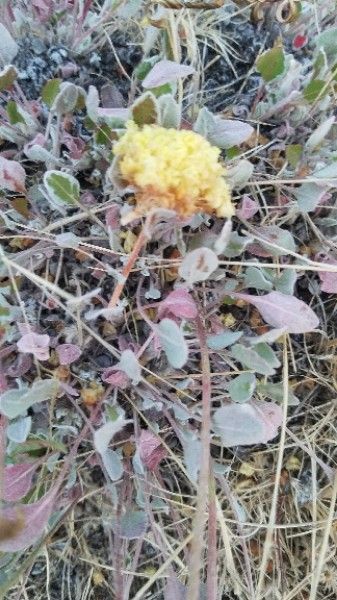
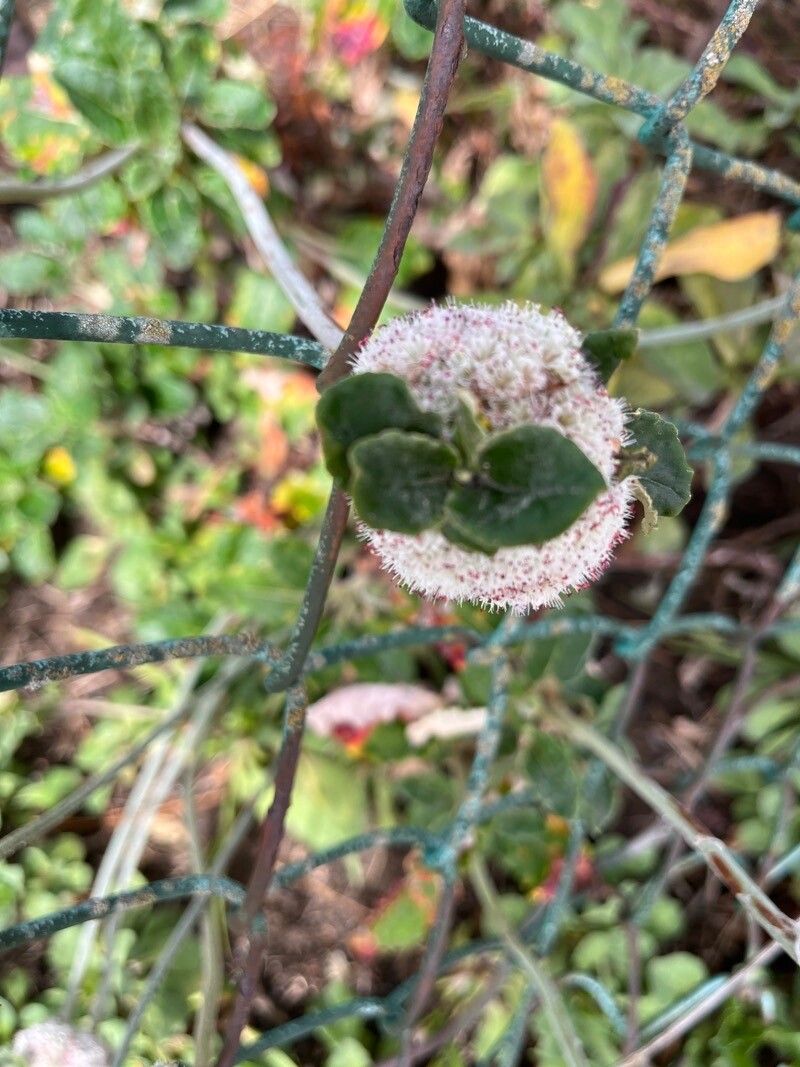
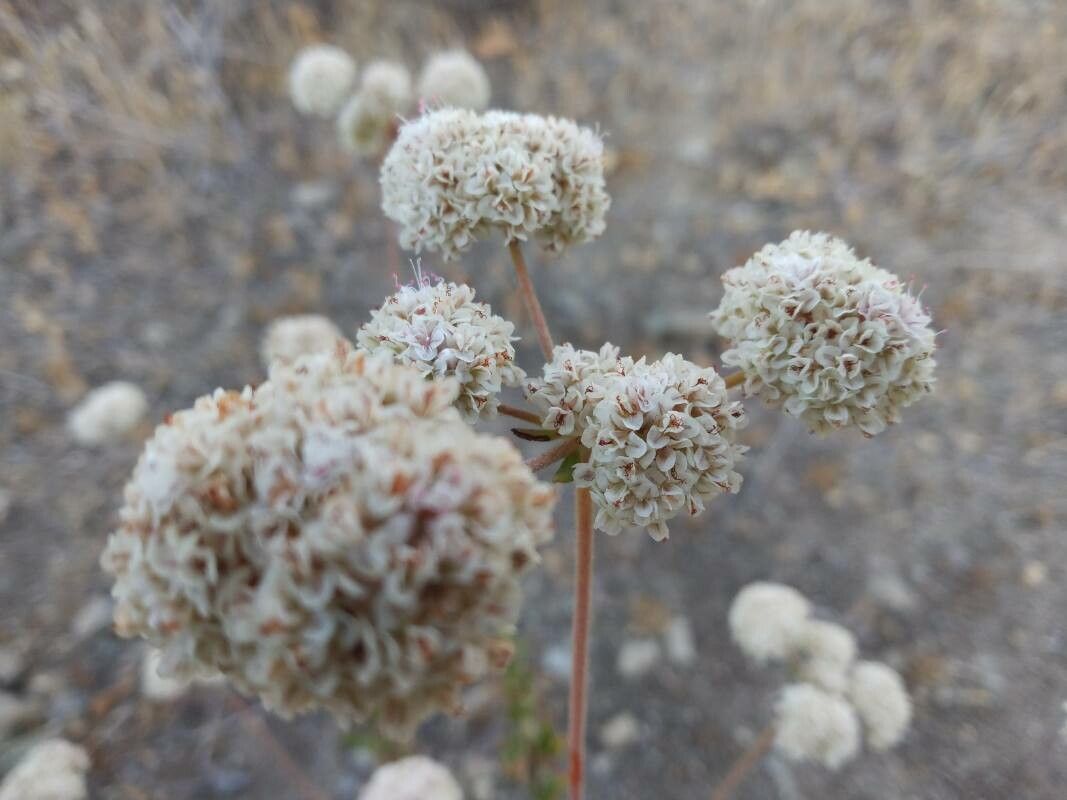
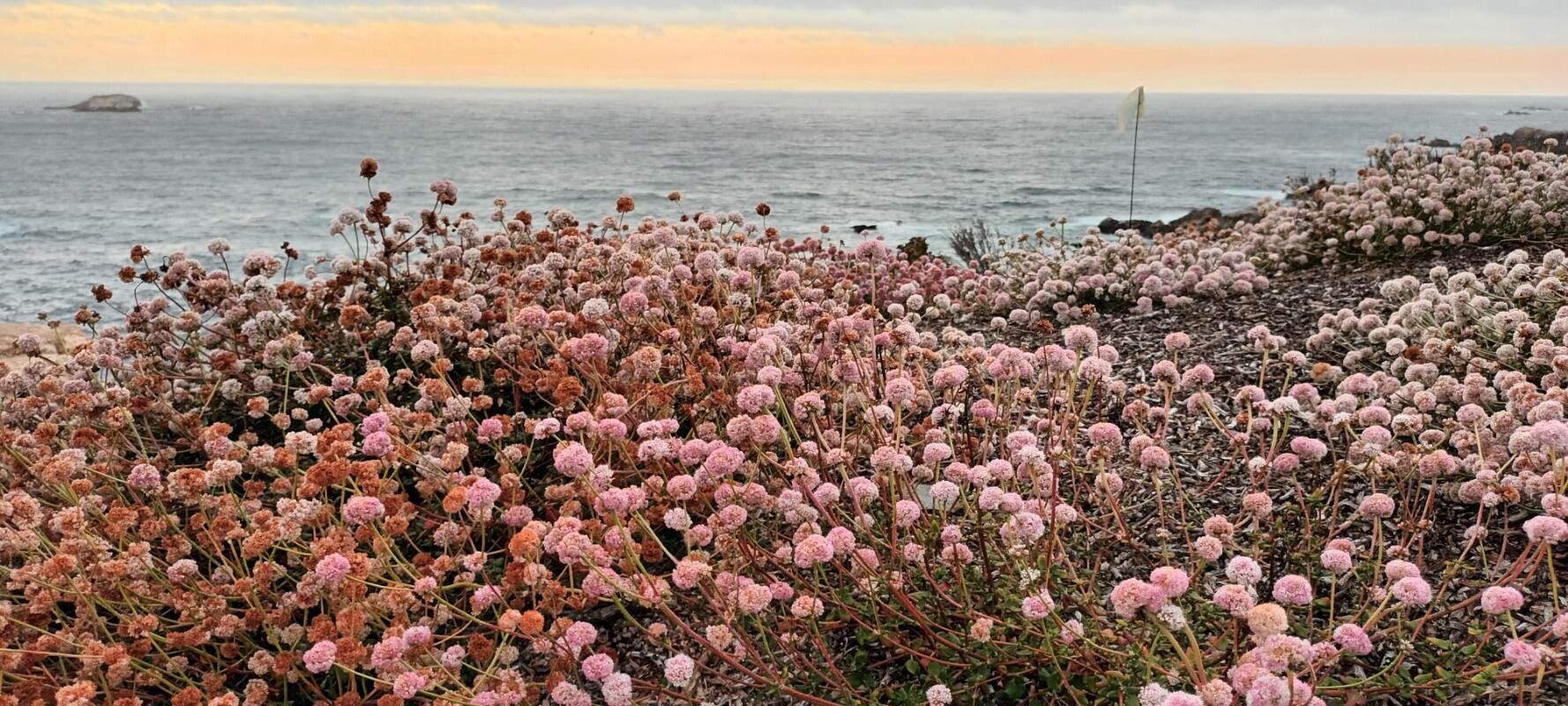
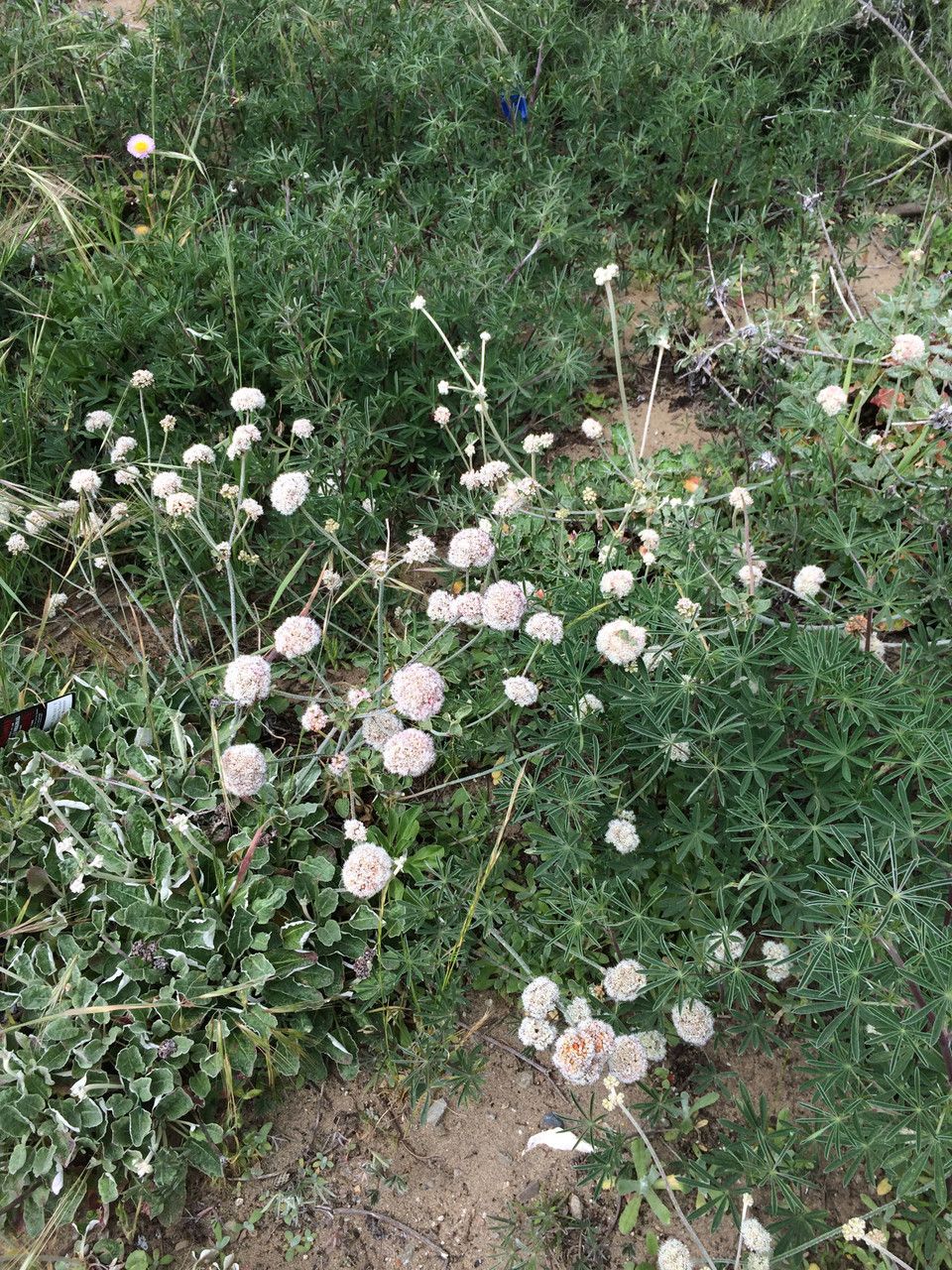
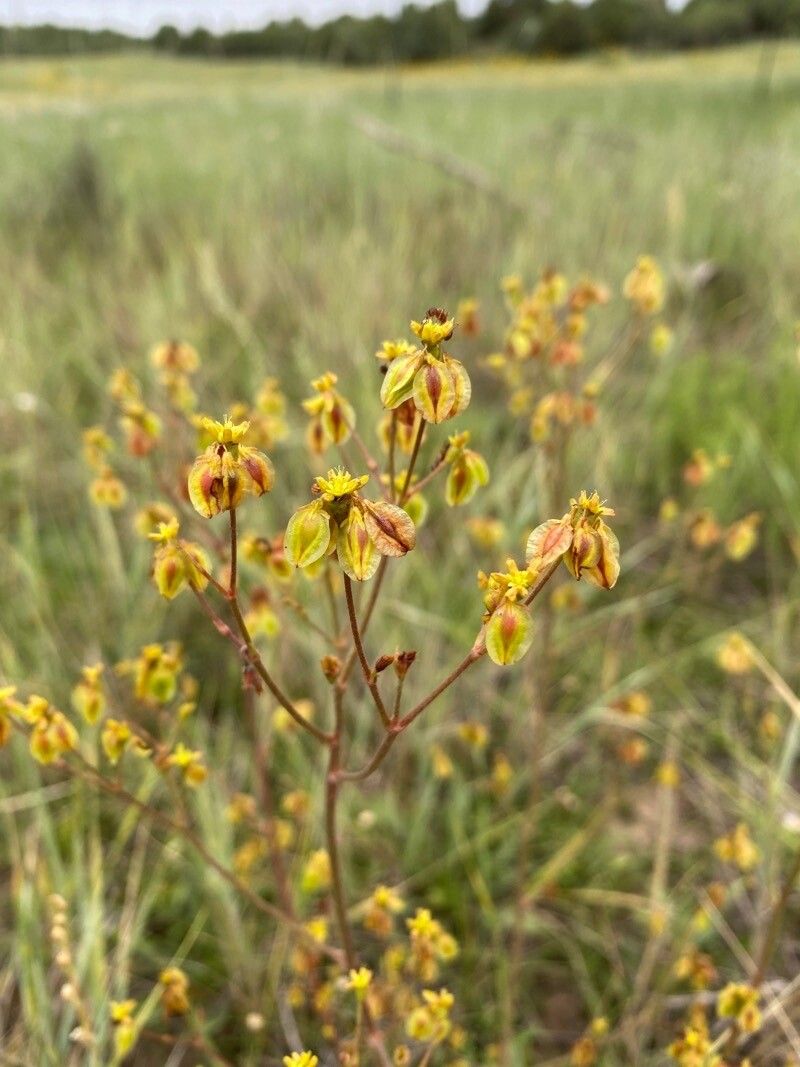
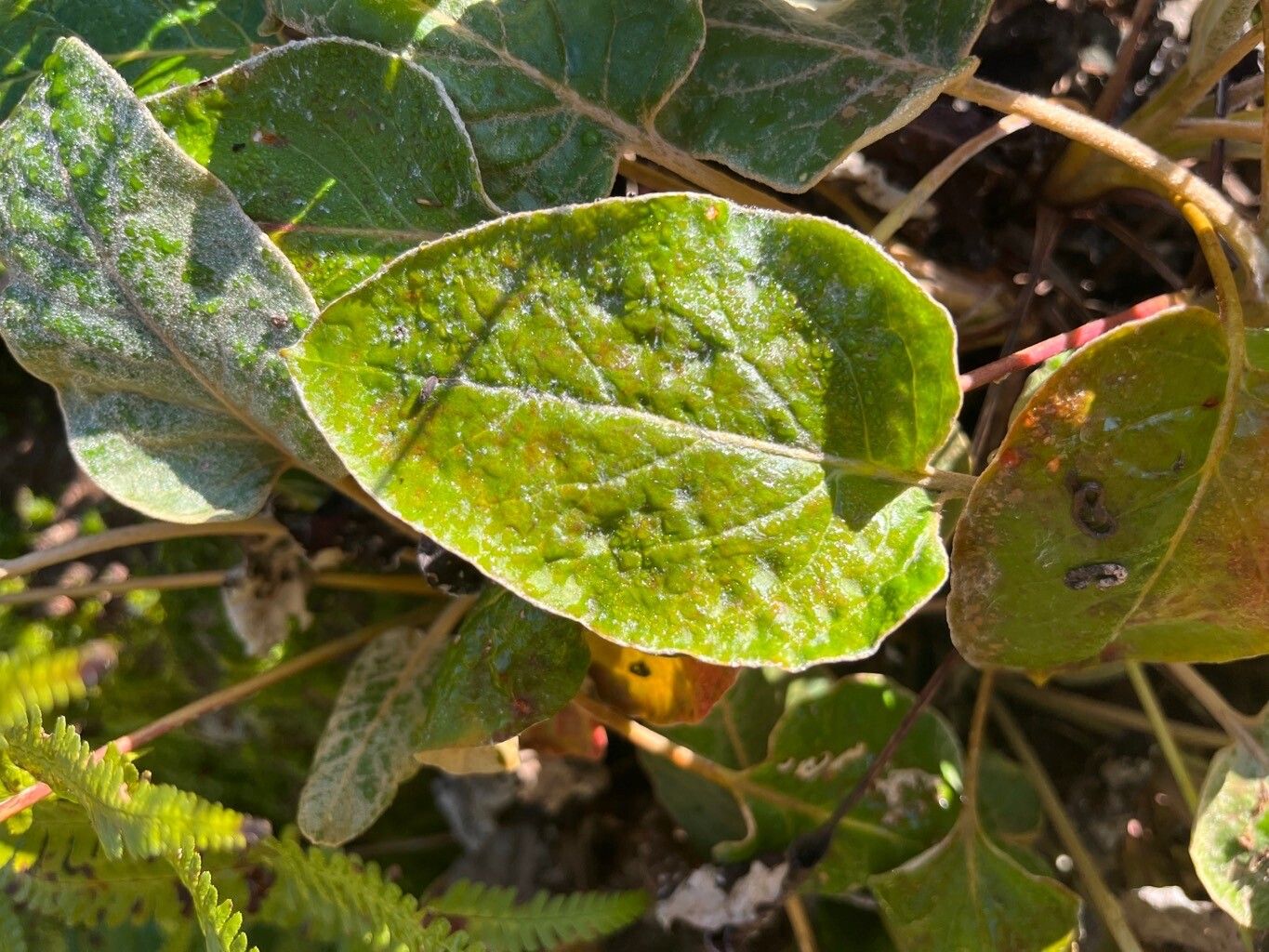
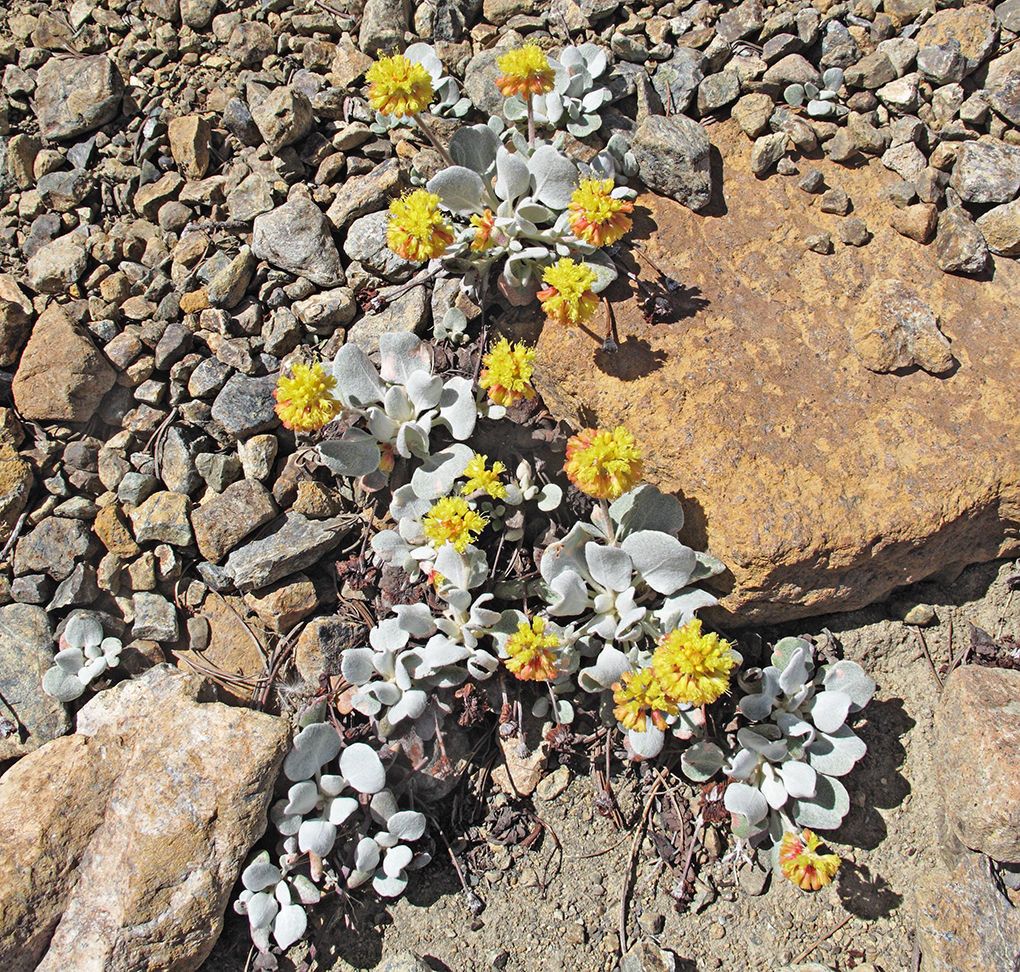
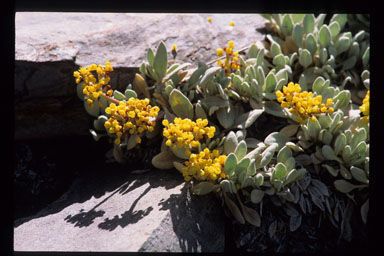
Eriogonum latifolium, commonly known as Seaside Buckwheat, is a perennial plant species in the Polygonaceae family. Native to the coastal regions of California and Oregon in North America, this plant typically reaches a height of 1 to 2 feet and has a spreading growth habit with woody stems adorned with small, silver-green leaves.
From late spring through summer, Seaside Buckwheat produces clusters of small white or pink flowers that are particularly attractive to pollinators such as bees and butterflies, making it an excellent addition to any pollinator garden.
This plant thrives in well-drained soils with full sun exposure but can also tolerate partial shade. While it is drought-tolerant once established, it benefits from occasional watering during extended dry spells.
Eriogonum latifolium has been utilized in traditional medicine for its anti-inflammatory properties and was used by Native American tribes to treat various ailments, including wounds and stomach issues.
Overall, Eriogonum latifolium is a visually appealing perennial that offers ecological benefits and medicinal uses.
Seaside buckwheat exhibits strong disease resistance and is generally unlikely to suffer from illnesses. In terms of maintenance, this plant is fairly low-maintenance. Planted outdoors, it needs little watering, and larger plants usually do not require pruning. Smaller plants, however, should be pruned after they finish blooming. Seaside buckwheat is suitable for anyone with an outdoor area, such as a garden or deck, and does not demand much prior care experience.
How to keep Eriogonum Latifolium.
Light
The seaside buckwheat plant thrives with a large amount of sunlight. It naturally prefers intense light because it originates from environments with abundant sun exposure. Still, a lack of light or very intense exposure does not greatly hinder its growth, and its sunlight requirements generally remain consistent throughout its different development stages.
Water
Seaside buckwheat thrives in coastal climates, where it benefits from fog and sea mist for hydration. While it shows moderate drought tolerance, it should be watered every 1-2 weeks. This plant prefers sandy soils, which provide quick drainage and help avoid waterlogging, a condition essential for maintaining healthy roots.
Temperature
Seaside buckwheat is native to habitats where temperatures typically range from 59 to 95 °F (15 to 35 ℃). It does best within that temperature range, and its conditions should be adjusted accordingly, particularly during severe seasonal fluctuations.
Fertilizer
Proper timing is essential when fertilizing Seaside buckwheat. Apply fertilizer in early spring and continue monthly through early summer. Fertilizer encourages attractive blooms and provides energy during both dormant and active growth stages.
Pruning
Seaside buckwheat is a drought-tolerant perennial with a low growth habit and small flowers that range in color from pink to white. To encourage dense growth and abundant blooms, it's best to prune it from early to late winter using clean tools. Minimal pruning is recommended, which makes seaside buckwheat an ideal low-maintenance choice for coastal gardens.
Botanical profile.
- Plant Type
- Shrub
- Life Cycle
- Perennial
- Genus
- Eriogonum
- Family
- Polygonaceae
- Hardiness Zone
- 7-10
- Mature Height
- 30 cm
- Mature Spread
- 61 cm
- Leaf Color
- Blue, Gray
- Leaf Type
- Evergreen
- Flower Color
- Pink, White
- Flower Size
- 2.54 cm to 5.08 cm
- Bloom Time
- Summer
- Planting Time
- Spring, Autumn
- Harvest Time
- Late summer, Early fall, Mid fall
Other names.
Reader questions.
How should I water my Seaside buckwheat?
When watering your Seaside buckwheat, you have the flexibility to use various tools such as watering cans, hoses, or even cups. Regardless of the tool you choose, it is best to water the plant directly at the soil level. This ensures that all sections of the root system receive sufficient moisture. Using filtered water is recommended to avoid any harmful particles present in tap water. Additionally, it is ideal to use water that is at or slightly above room temperature, as extreme temperatures can be a bit overwhelming for the Seaside buckwheat. However, this plant typically responds well to any type of water it is given.
Why should I put fertilizer on my Seaside buckwheat?
No matter which kind of Seaside buckwheat you have, regular fertilization is important for its overall health. Providing the right nutrients helps it grow stronger, withstand tough conditions, and resist diseases and pests. The foliage of your Seaside buckwheat is a key feature, so it's essential to keep it healthy. This can be achieved by following a fertilization schedule tailored to your specific type of Seaside buckwheat. Following this schedule will result in vibrant, lush leaves with a deep color.
What are the sunlight requirements for Seaside buckwheat?
Seaside buckwheat requires full sun, which means it needs more than 6 hours of sunlight daily to thrive. It is important to observe the movement of sunlight through your garden to find spots that offer a good balance of light and shade, ensuring optimal growth conditions for your plants. The plant has a natural predisposition for intense light exposure due to its origins in sunny habitats, and while it can tolerate some variation in sunlight exposure, either a deficiency or excessive exposure generally does not severely affect its growth.
What is the ideal temperature range for Seaside buckwheat?
Seaside buckwheat, also known by its botanical name Eriogonum latifolium, is indigenous to environments where temperatures generally range between 59 to 95 °F (15 to 35 °C). It thrives within this temperature spectrum, making it advisable to adjust the plant's surroundings accordingly, especially during harsh seasonal fluctuations. This range represents the ideal conditions for the plant's growth and development.
What do I do if I give my Seaside buckwheat either too much or too little water?
If you have outdoor plants, especially new ones or seedlings, they are susceptible to not getting enough water. It's important to consistently water them for a few months when they are small or newly planted. Once their roots are established, Seaside buckwheat can usually rely on rain. When Seaside buckwheat is in pots, it's more likely to be overwatered. If you accidentally overwater your Seaside buckwheat, you should immediately stop watering it to minimize the impact. Take the plant out of its pot and check the roots for any signs of root rot. If there is no root rot, you can put the plant back in the pot. If there is root rot, trim affected roots and apply a fungicide. Repot the Seaside buckwheat in well-draining soil. If your Seaside buckwheat is underwatered, simply water it more often. Underwatering is usually easily fixed, as the leaves will droop, dry out, and fall off, but they will bounce back after adequate watering. Adjust your watering frequency as soon as you notice the underwatering.
When should I fertilize my Seaside buckwheat?
To ensure healthy growth of your Seaside buckwheat, it is recommended to fertilize it for the first time in late winter or early spring. This gives the plant the necessary nutrients to thrive once the weather becomes warmer. Additionally, if you live in a warm climate region, it can be beneficial to provide another round of fertilization in early fall. This not only adds nutrients to the soil for the upcoming growing season but also helps the plant to withstand the winter cold without foliage damage. Fertilizing earlier in the fall allows the new branches to grow and become stronger, better prepared to endure the cold winter.
How can artificial lighting be used for indoor Seaside buckwheat plants?
When natural sunlight is insufficient, especially during winter or in less sunny spaces, artificial lighting becomes vital for indoor Seaside buckwheat plants. For optimal growth under artificial lighting, consider the following: 1. Choose LED lights as they can provide specific wavelengths needed by your plants. Full sun plants require 30-50W per square foot, partial sun plants 20-30W per square foot, and full shade plants 10-20W per square foot. 2. The light source should be positioned 12-36 inches above the plant to mimic natural sunlight. 3. Ensure the plants receive 8-12 hours of light per day, adjusting to mimic natural daylight hours for your specific plant species.
Does Seaside buckwheat need frost protection in winter?
Seaside buckwheat exhibits strong cold resistance and usually does not require special frost protection measures during winter. However, if winter temperatures are expected to drop below -15°C, it becomes important to provide cold protection to prevent damage. This can be achieved by wrapping the trunk and branches with insulating materials like non-woven fabric or cloth. Additionally, watering the plant abundantly before the first freeze in autumn is recommended to ensure the soil remains moist and enters a frozen state, which helps prevent drought and water scarcity for the plant during the colder months.
How many times should I give water to my Seaside buckwheat?
When growing outdoor plants, most of them can be left to grow naturally with rainfall. However, if your area doesn't get enough rainfall, it's important to water your plants adequately. During the spring and fall, watering every two weeks should be enough. In the summer, more frequent watering is needed, while in the winter, when growth slows down, less water is necessary. Sometimes, no additional watering is needed at all during the winter. If you have a young or newly planted Seaside buckwheat, you should water it more often to help it establish and grow. When it comes to potted plants, there are two main ways to determine how often to water your Seaside buckwheat. One way is to have a set watering schedule, such as once a week or once every other week. However, this method may not always work well as it doesn't consider the specific growing conditions of your plant. Another approach is to base your watering frequency on the moisture levels in the soil. It's generally best to wait until the top two to four inches of soil, or about one-third to one-half the depth of the pots, have completely dried out before giving more water.
When is not a good time to add fertilizer to my Seaside buckwheat?
There are specific times of the year when you should avoid fertilizing your Seaside buckwheat. The first is during the early and mid-winter months when the plant is dormant and does not require any nourishment. Additionally, it is not recommended to fertilize this plant during the late spring and throughout the summer. These seasons tend to be hotter and drier, which can have a detrimental effect on the Seaside buckwheat when combined with fertilization. To prevent any problems, it is best to follow a fertilization schedule that only includes feeding in early spring and early fall.
What are the signs of inadequate lighting in Seaside buckwheat?
Signs of inadequate lighting in Seaside buckwheat include smaller new leaves, leggy or sparse growth, faster leaf drop, slower or halted new growth, paler or irregularly colored new leaves indicating a lack of chlorophyll, chlorosis (yellowing of leaves due to chlorophyll breakdown), sunscald showing as pale, bleached areas on plant tissue, leaf curling as a defense mechanism against excessive sunlight, wilting due to increased water loss, and leaf scorching characterized by brown, dry edges on leaves. These symptoms suggest the plant is either receiving too much or too little sunlight.
What are the symptoms of low temperature effects on Seaside buckwheat and how to manage them?
Seaside buckwheat is cold-tolerant and performs best when the temperature is above 15°C. In the event that winter temperatures drop below -10°C, and especially under -15°C, the plant may not show immediate changes. However, by springtime, the branches may become brittle, dry, and fail to produce new shoots. To manage this, it is recommended to prune away any dead branches that have failed to produce new leaves in the spring, aiding in the rejuvenation of the plant and promoting new growth.