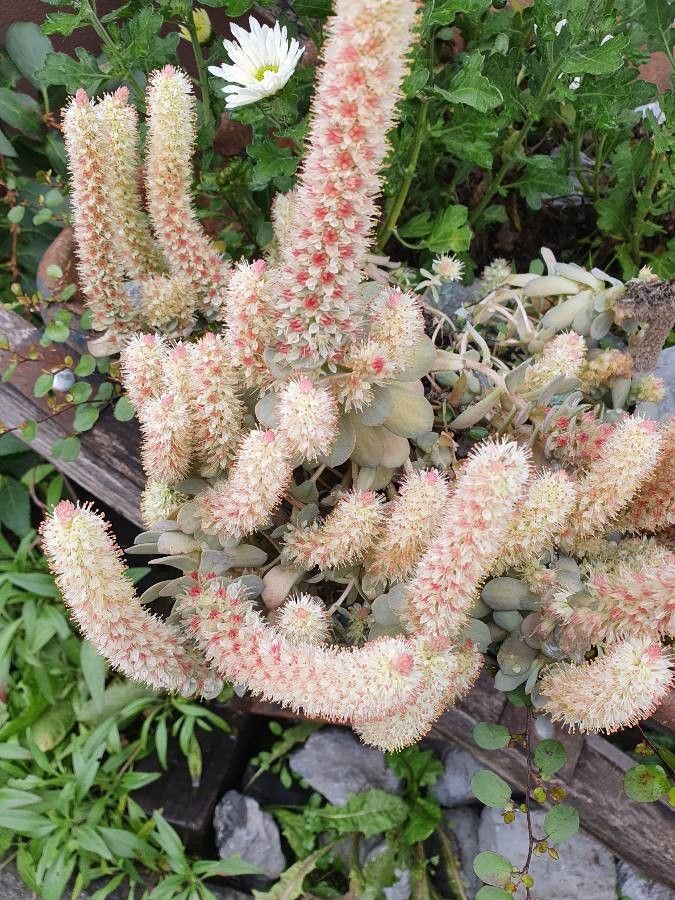
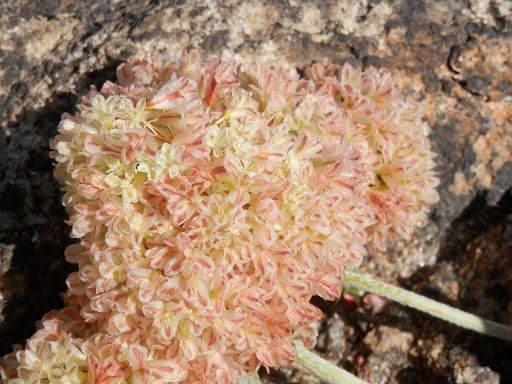
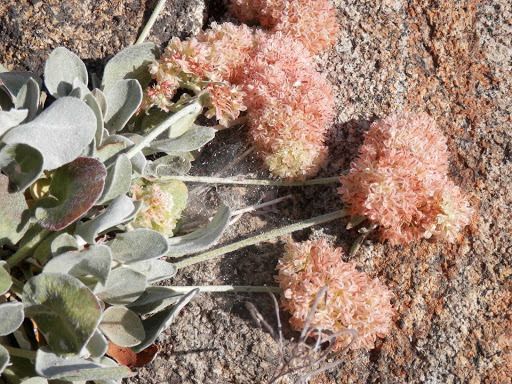
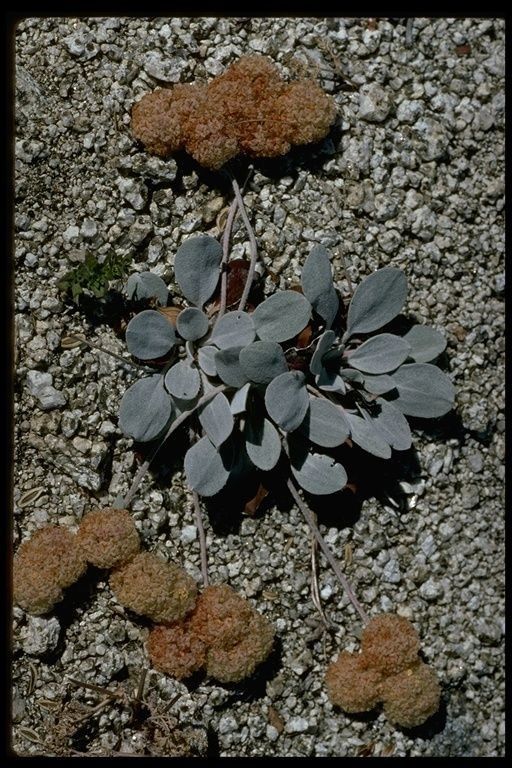
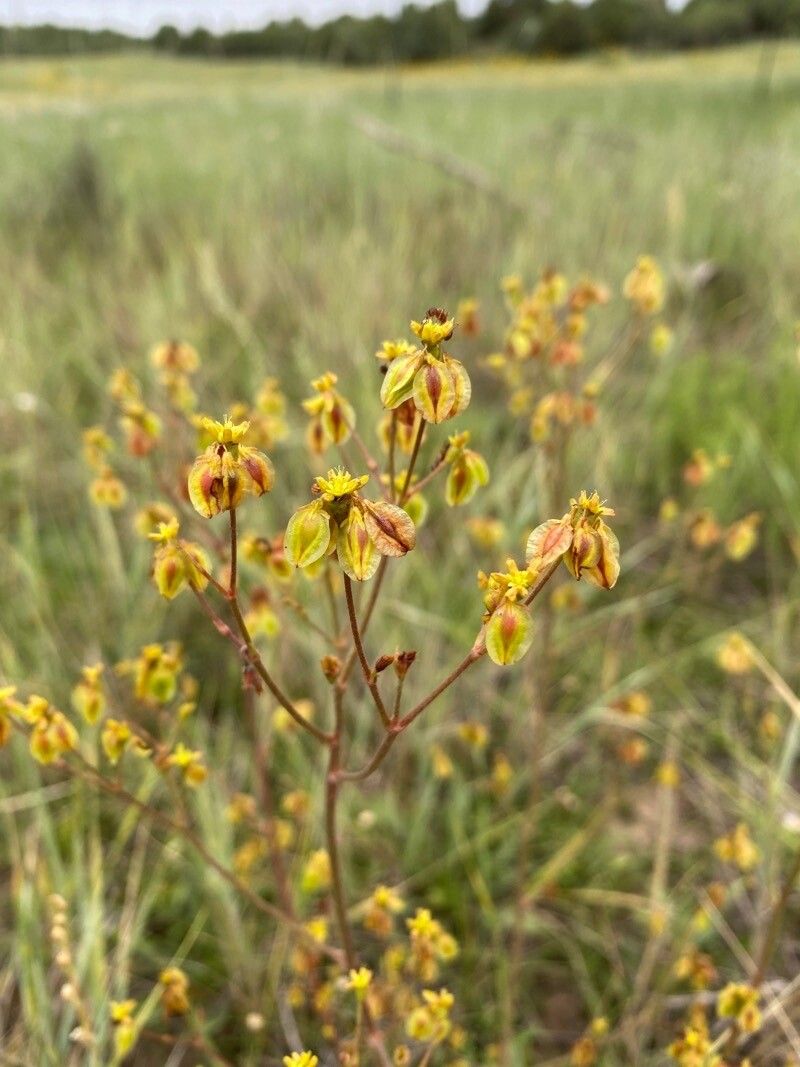
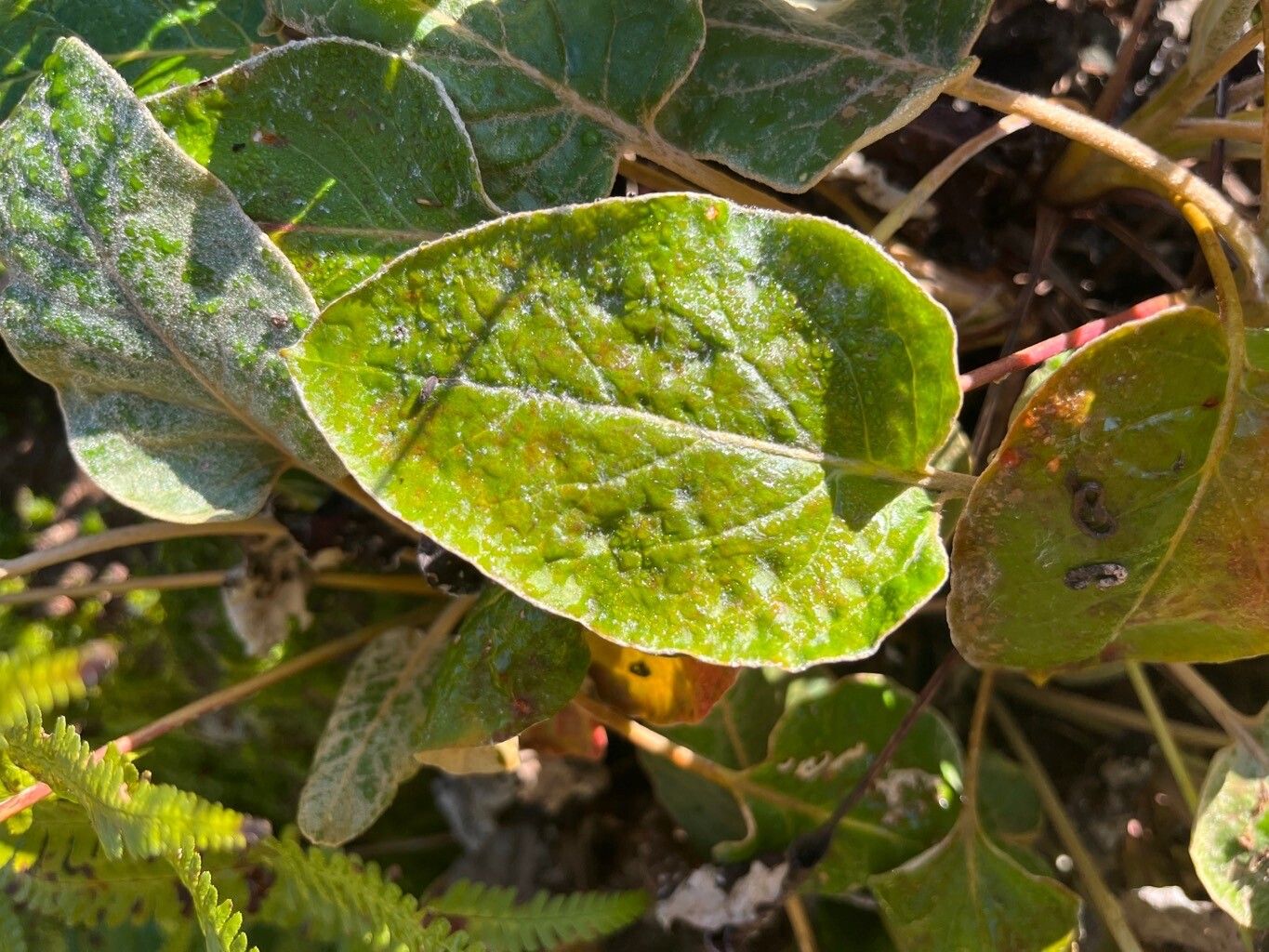
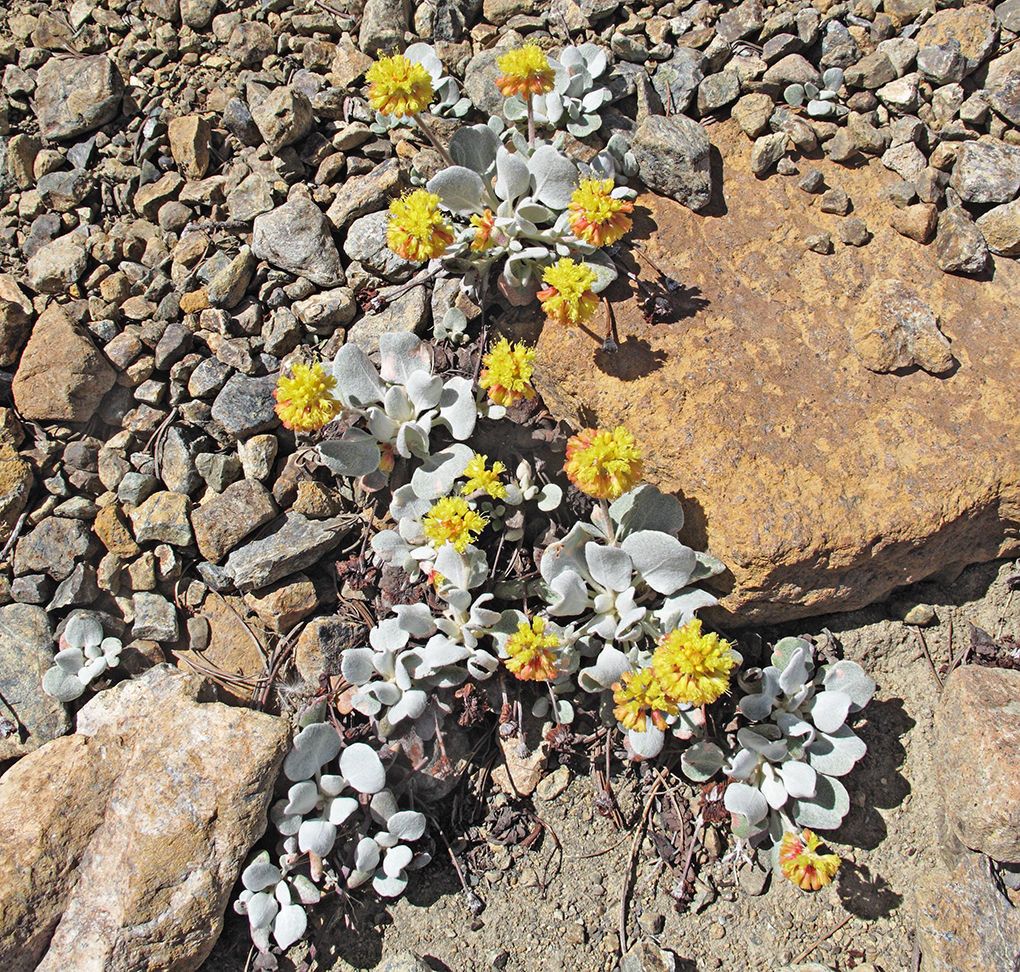
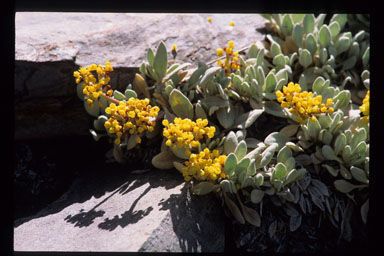
Eriogonum lobbii is a species of wild buckwheat known by the common name Lobb's buckwheat or prostrate buckwheat. It is native to most of the mountain ranges of northern California and their extensions into Oregon and Nevada. It is found in a number of mountain plant communities. The plant is named after William Lobb (1809–1864), the English plant collector.
Lobb's buckwheat is fairly resistant to disease and typically not prone to illness. That said, it can be affected by pests and diseases found in its surroundings. When infections do occur, they are generally mild. Care-wise, this plant needs moderate maintenance. It should be pruned regularly to keep a neat appearance and healthy growth. Applying fertilizer can also encourage flowering. Lobb's buckwheat is suitable for anyone with an outdoor area, such as a garden or patio, and does not demand extensive care experience. It may require more attention if grown indoors.
How to keep Eriogonum Lobbii.
Fertilizer
Usually one fertilizer application in spring is enough for Lobb's buckwheat, though multiple feedings can maximize growth. Feed every month to six weeks. Fertilization improves the leaves' appearance and function, maintaining even color and a healthy texture. It also promotes root growth and nutrient uptake for long-term plant health.
Pruning
To maintain the health and appearance of Lobb's buckwheat, it's important to prune it in early spring. Focus on removing dead stems and thinning the plant to improve airflow. After the plant flowers, do some additional pruning to maintain its shape. These practices not only improve the plant's appearance but also increase its robustness. Make sure to use clean tools to prevent disease and ensure optimal health for the plant.
Botanical profile.
- Plant Type
- Herb
- Life Cycle
- Perennial
- Genus
- Eriogonum
- Family
- Polygonaceae
Other names.