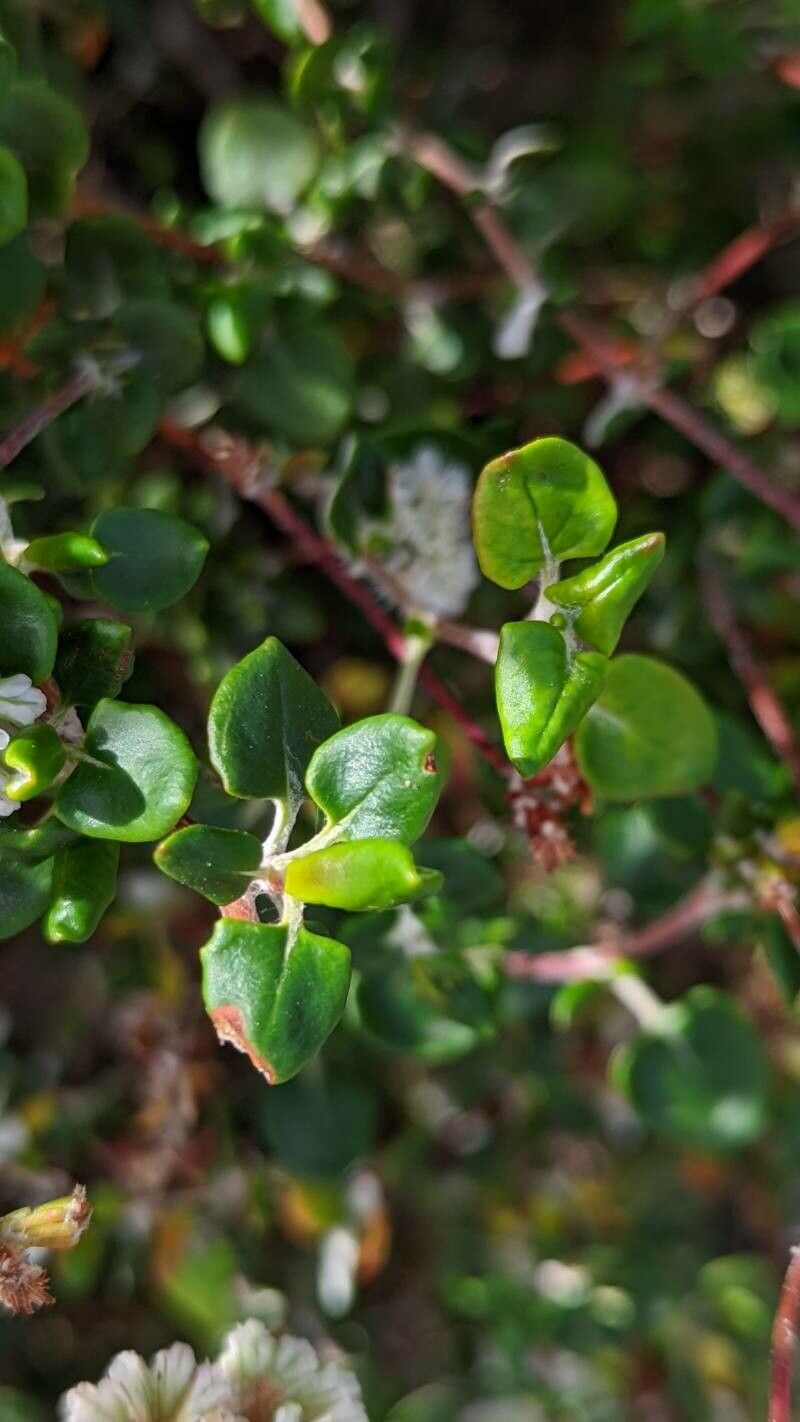
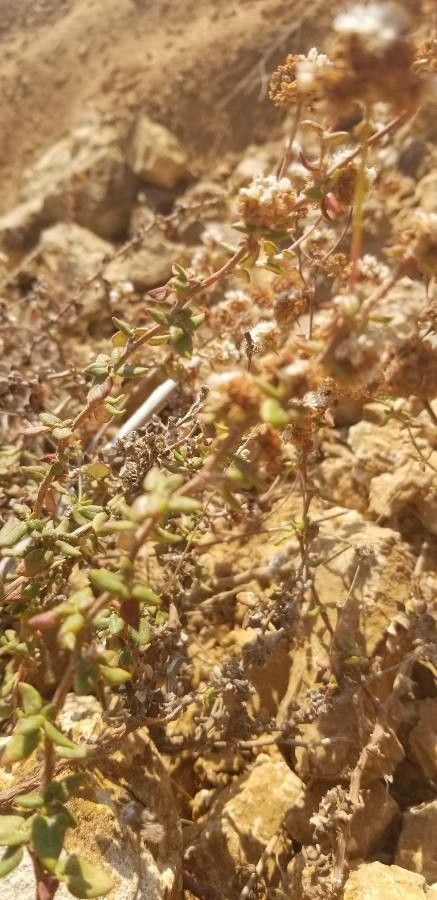
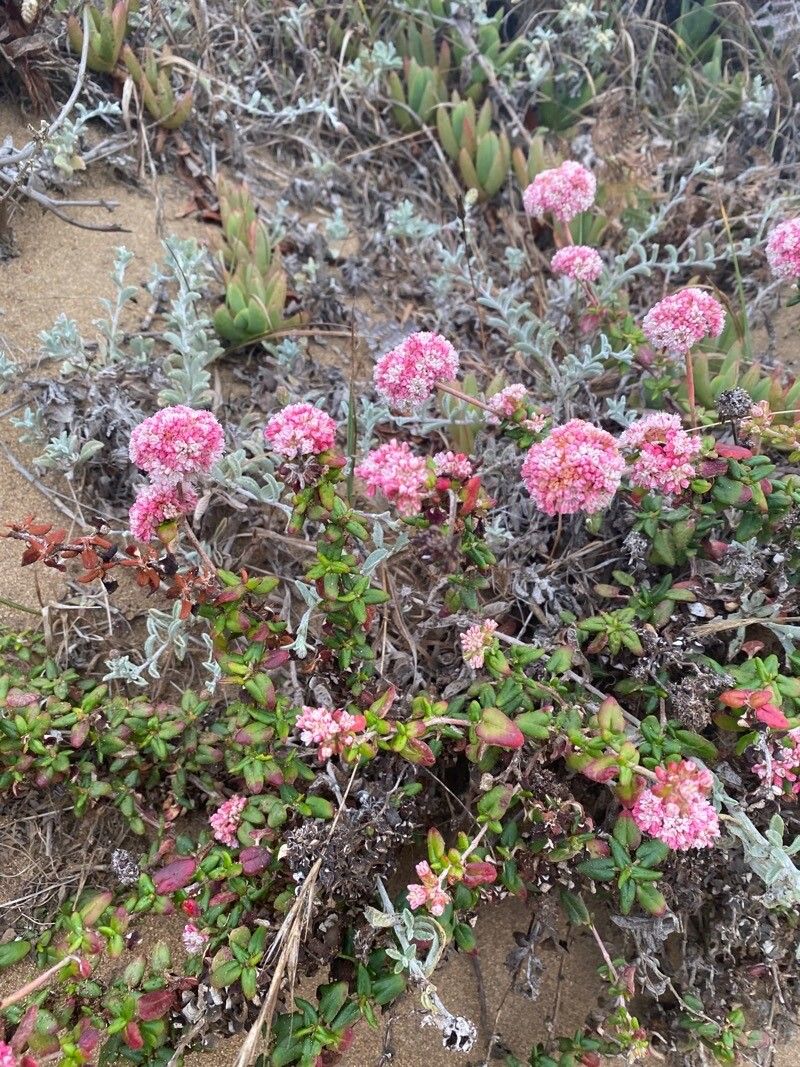
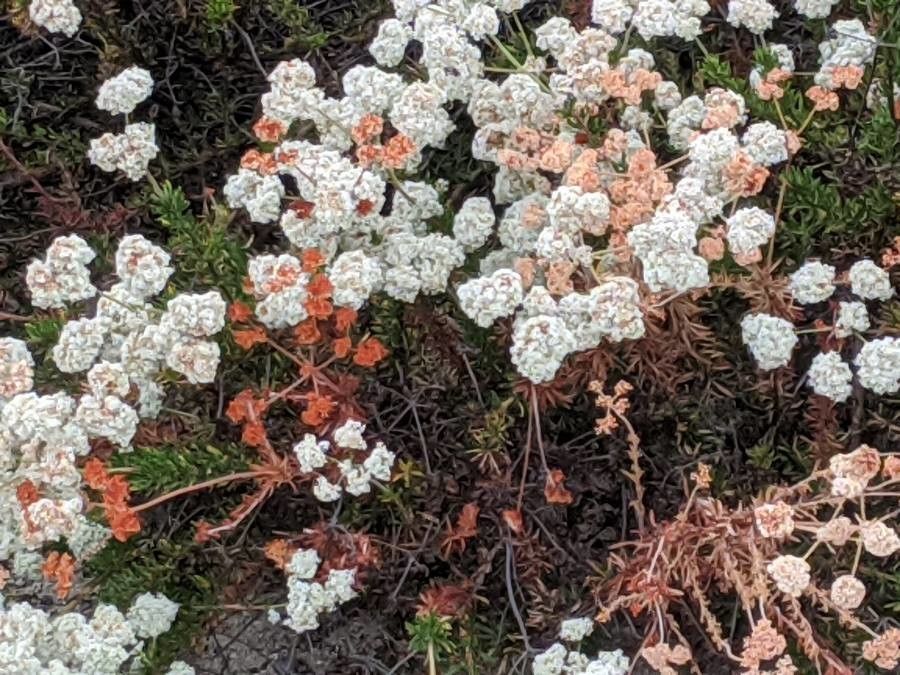
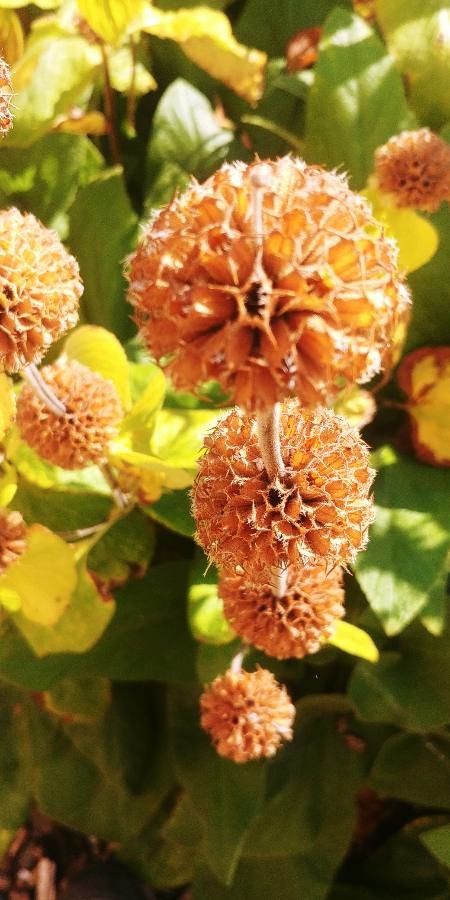
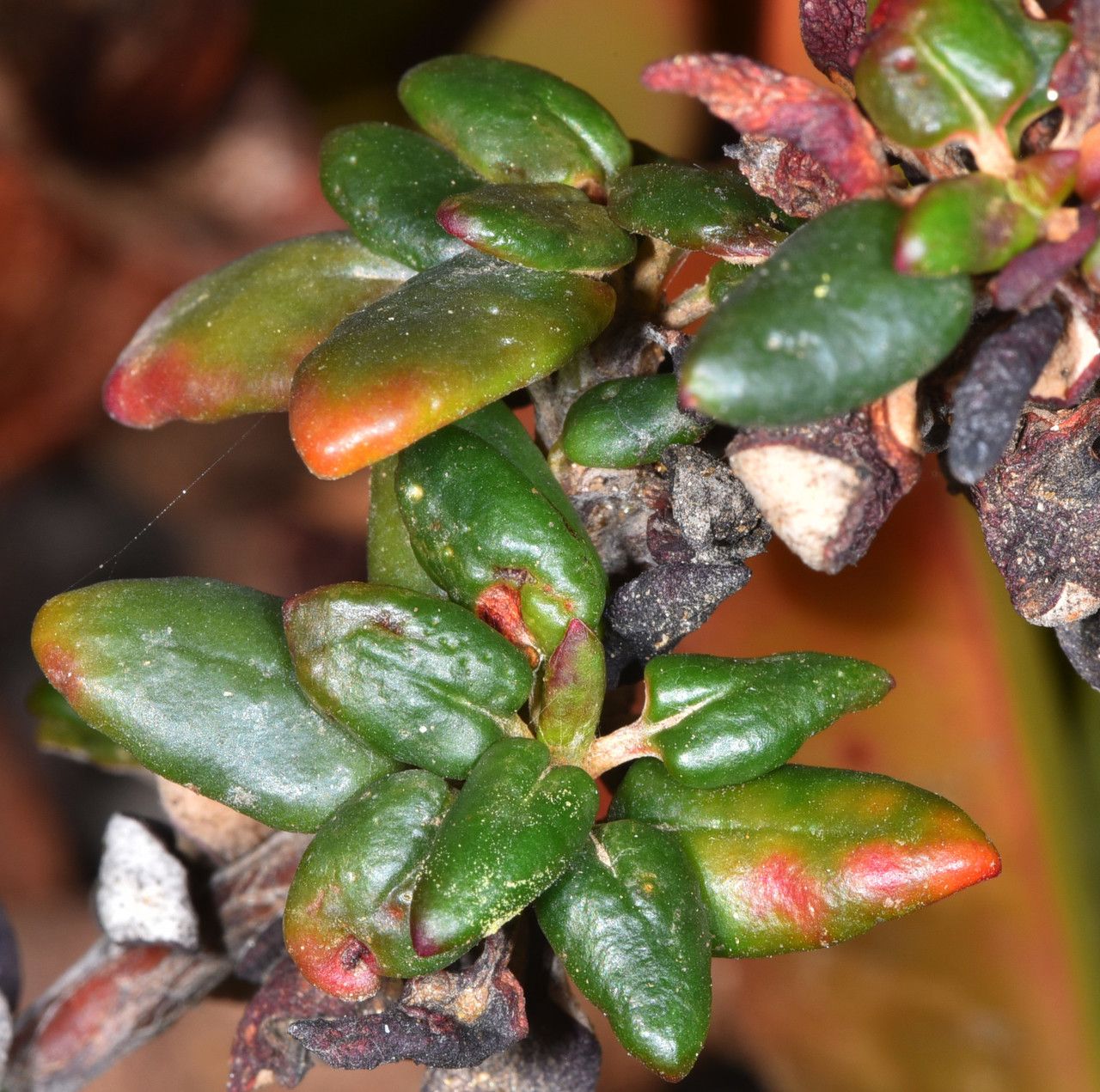
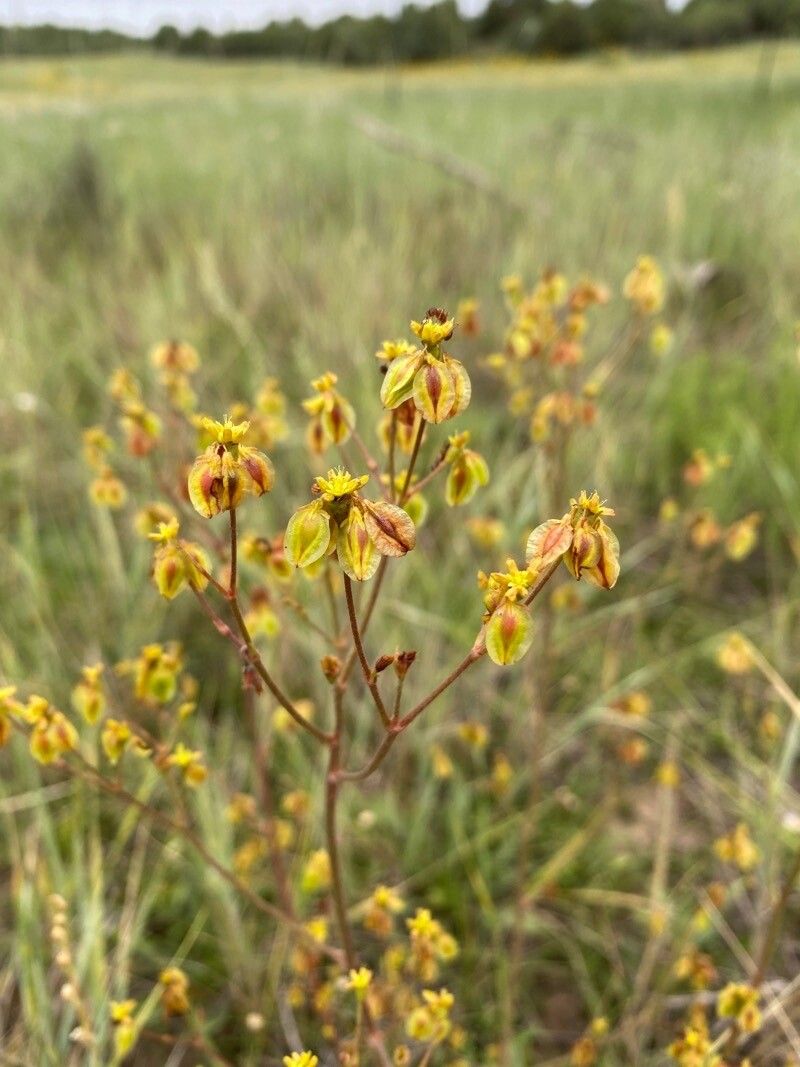
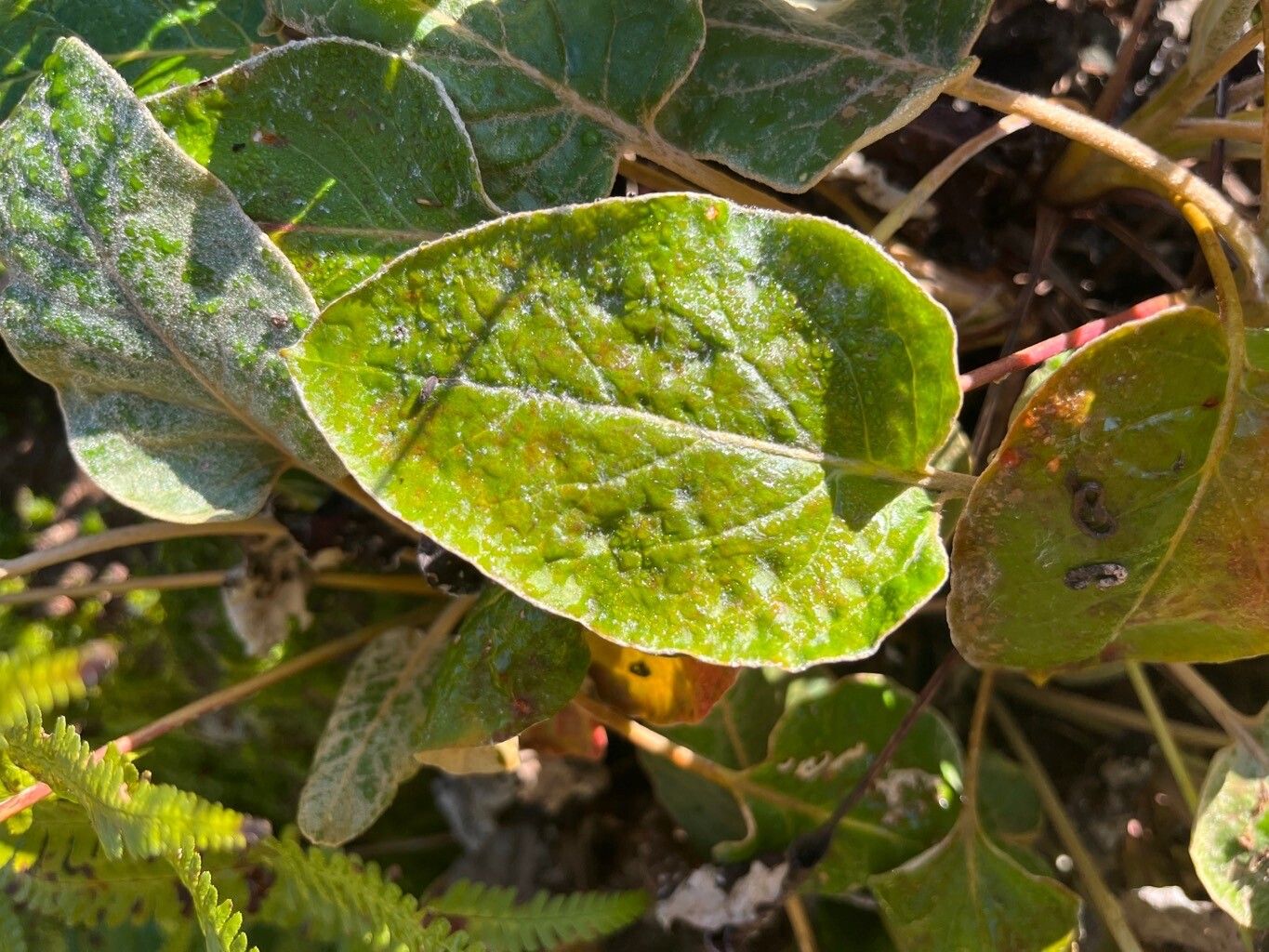
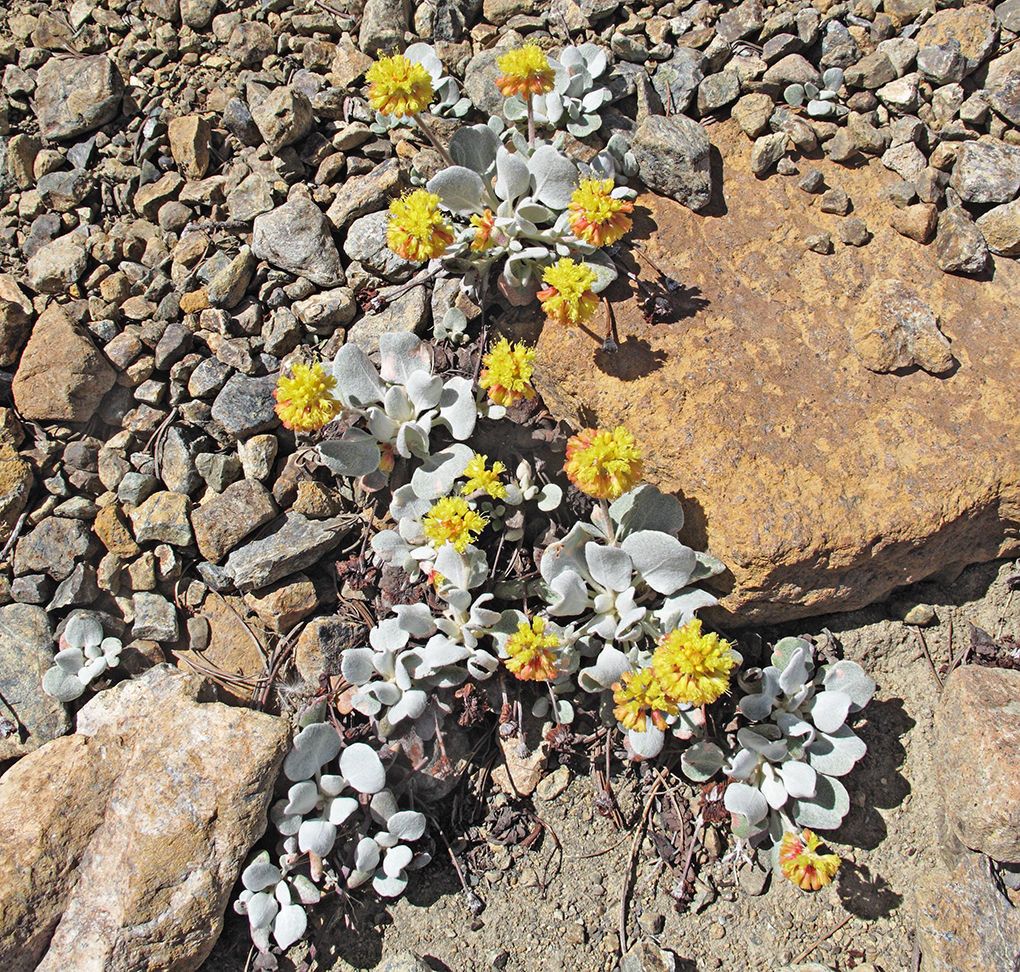
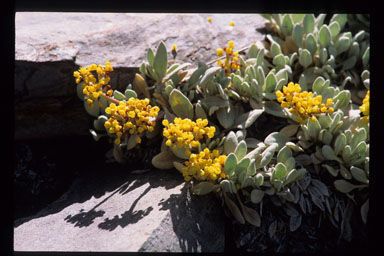
Eriogonum parvifolium, commonly known as coastal buckwheat, is a low-growing perennial plant native to the coastal regions of California and Oregon in the United States. Belonging to the Polygonaceae family, this plant typically reaches heights of 1-2 feet and spreads out 2-3 feet.
The plant features small, rounded green leaves that can turn reddish-brown during drought conditions. From late spring through summer, it produces clusters of small white or pink flowers that attract bees and butterflies.
Coastal buckwheat thrives in well-drained soils with full sun exposure but can also tolerate some shade. While it is drought-tolerant once established, it benefits from occasional watering during prolonged dry periods.
This plant offers several ecological benefits: it provides food for pollinators such as bees, butterflies, and moths, and serves as a habitat for various wildlife species, including birds and insects.
In addition to its ecological value, Eriogonum parvifolium holds cultural significance for Native American tribes, who have used it for medicinal purposes such as treating stomach ailments or making tea from its leaves.
Overall, Eriogonum parvifolium is an attractive, low-maintenance plant with both ecological significance and cultural importance in California's coastal regions.
Seacliff wild buckwheat is highly disease-resistant and generally not susceptible to illnesses. In terms of care, this plant is fairly low maintenance. When grown outdoors it needs only occasional watering, and larger specimens typically do not need pruning. Smaller plants, however, should be pruned after they finish blooming. Seacliff wild buckwheat is suitable for anyone with outdoor space, such as a garden or deck, and does not require extensive gardening experience.
How to keep Eriogonum Parvifolium.
Light
Seacliff wild buckwheat is native to open habitats, for example sunny meadows and forest margins, which supply plenty of light. It performs best in full sun but will also tolerate partial sun, showing good adaptability to different light conditions.
Temperature
Seacliff wild buckwheat is highly adaptable to a variety of climate conditions, from scorching summers to cold winters. However, it still has a preferred temperature range for healthy growth. When temperatures become too high, the plant is susceptible to heat and humidity stress, which can kill it. In areas where temperatures approach the lower bound of its cold tolerance, it is important to provide insulation to protect the plant.
Fertilizer
Timing is important when fertilizing Seacliff wild buckwheat. Apply fertilizer in early spring and continue once a month until early summer. Fertilizer promotes attractive blooms and provides energy during both dormant and active growth periods.
Pruning
To help Seacliff wild buckwheat thrive, prune it in early spring to remove dead branches and improve air circulation, which helps prevent disease. Regular deadheading encourages new growth, maintains the plant's shape, and enhances its appearance. Light, frequent pruning is advisable to support a strong structure and promote overall health.
Botanical profile.
- Plant Type
- Shrub
- Life Cycle
- Perennial
- Genus
- Eriogonum
- Family
- Polygonaceae
- Hardiness Zone
- 8-10
- Mature Height
- 30 cm to 61 cm
- Mature Spread
- 0.61 m to 1.22 m
- Leaf Color
- Gray, Green
- Leaf Type
- Evergreen
- Flower Color
- Pink, White
- Flower Size
- 0.25 cm to 0.51 cm
- Bloom Time
- Summer
- Planting Time
- Spring, Summer, Autumn
- Harvest Time
- Late summer, Early fall, Mid fall
Other names.