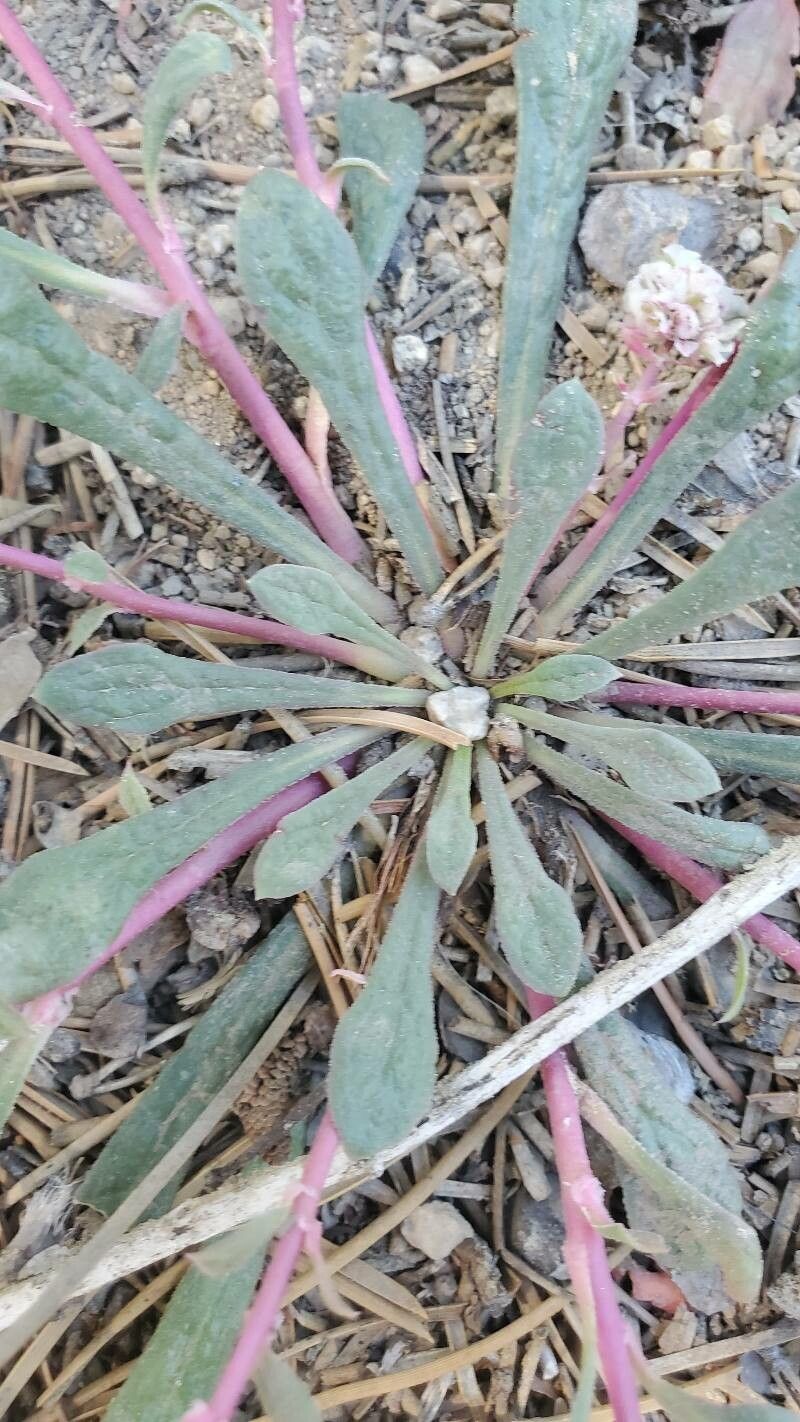
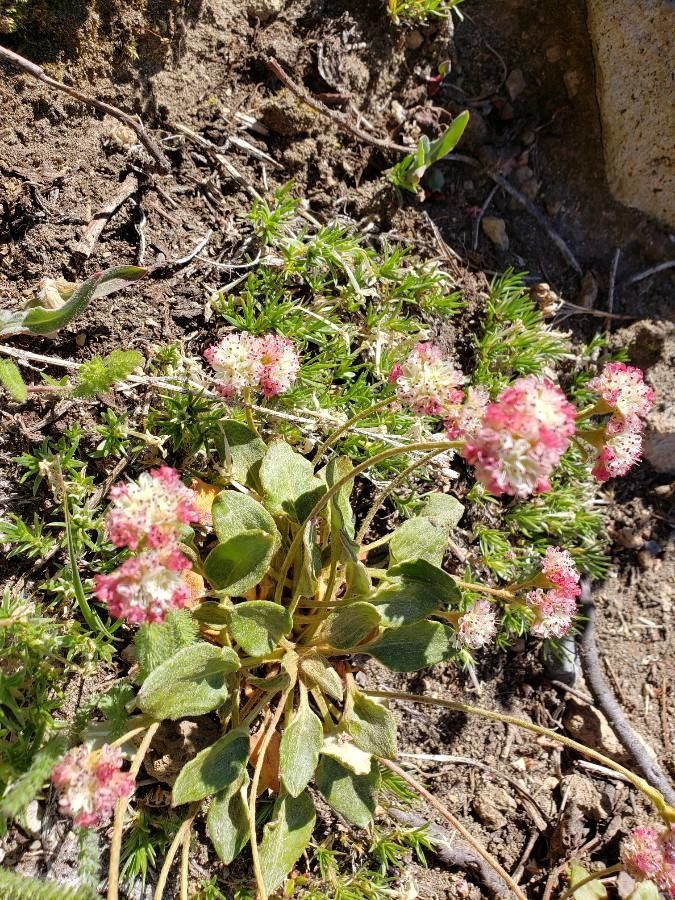
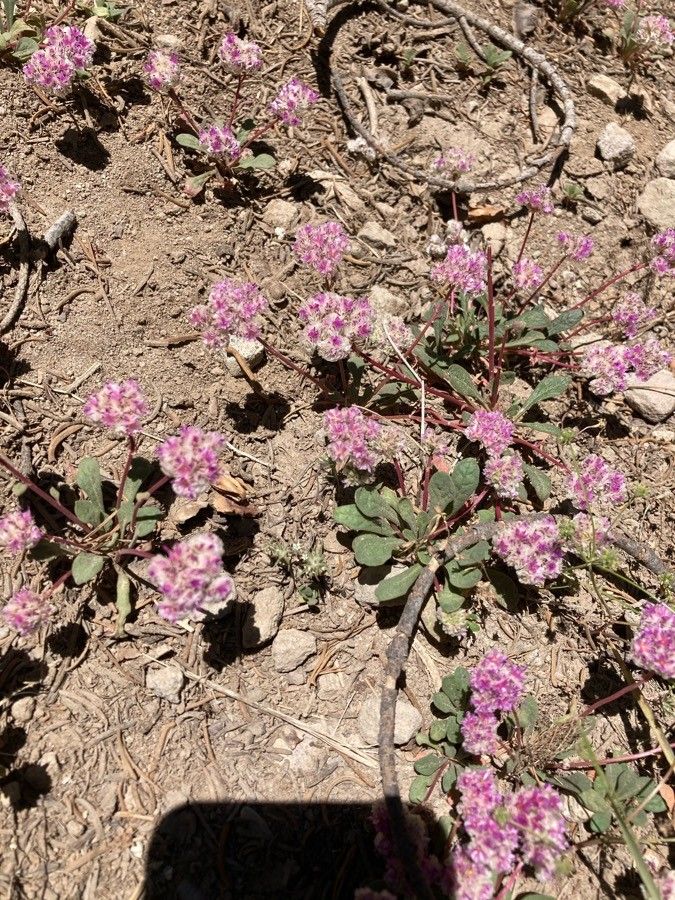
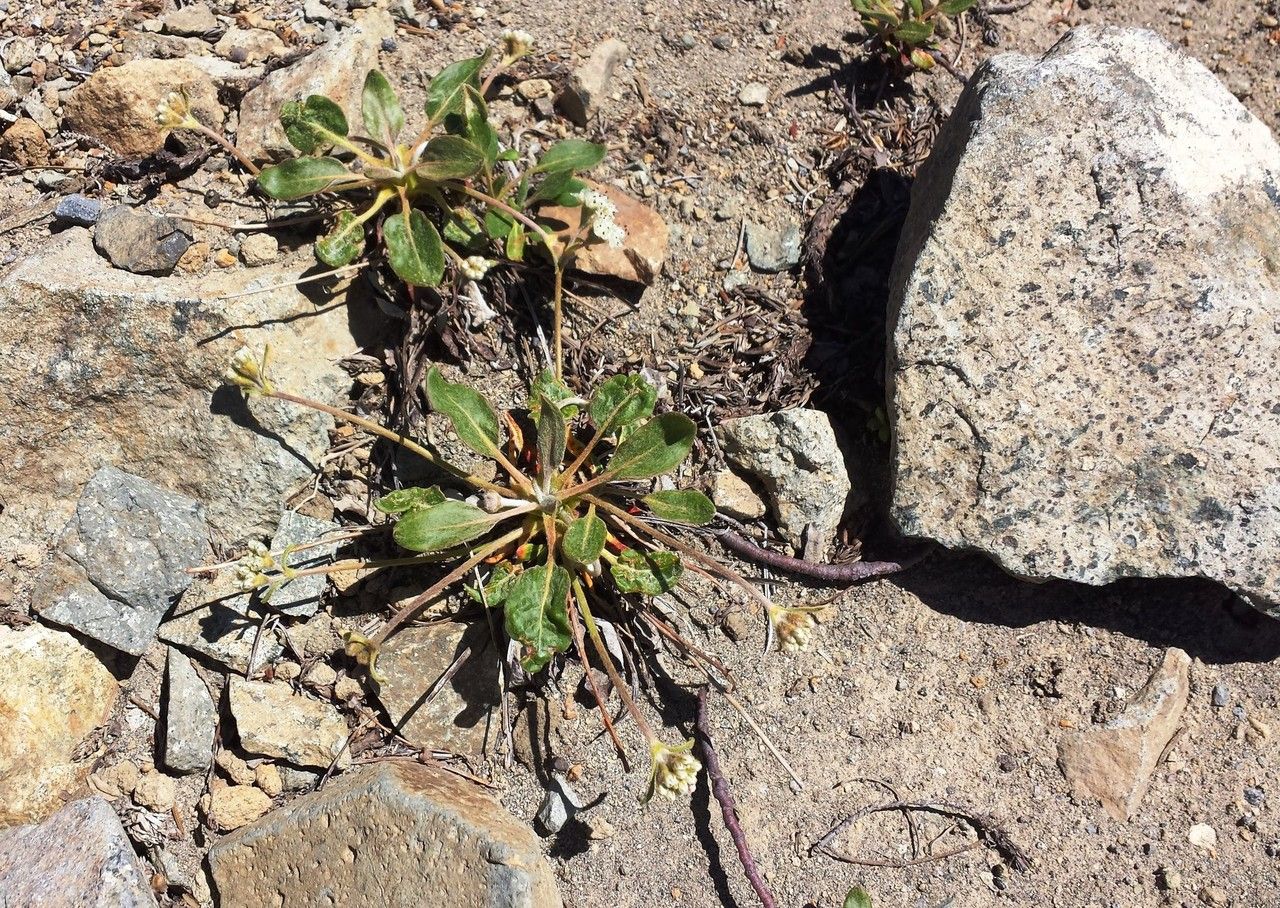
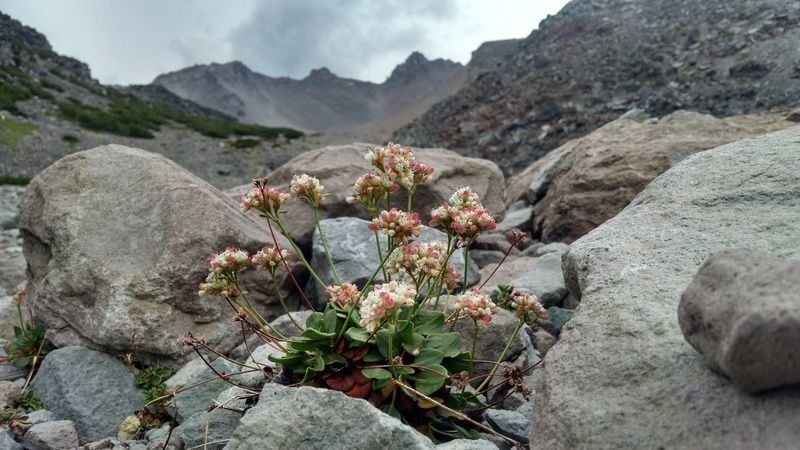
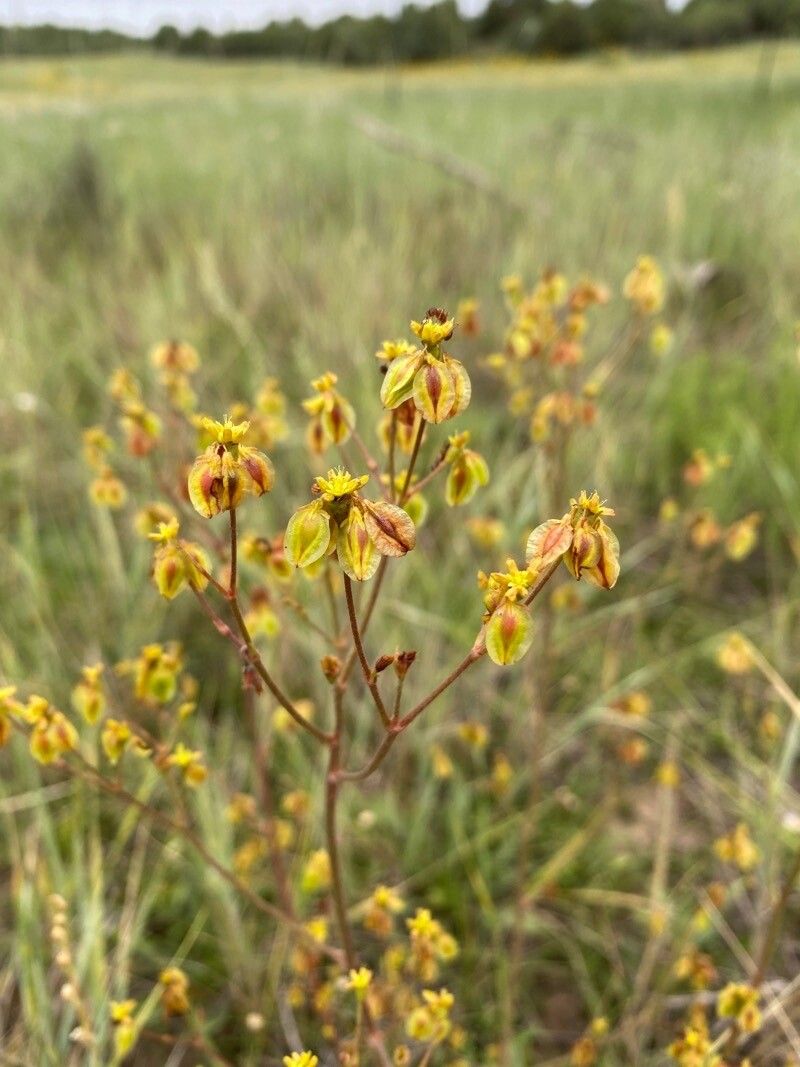
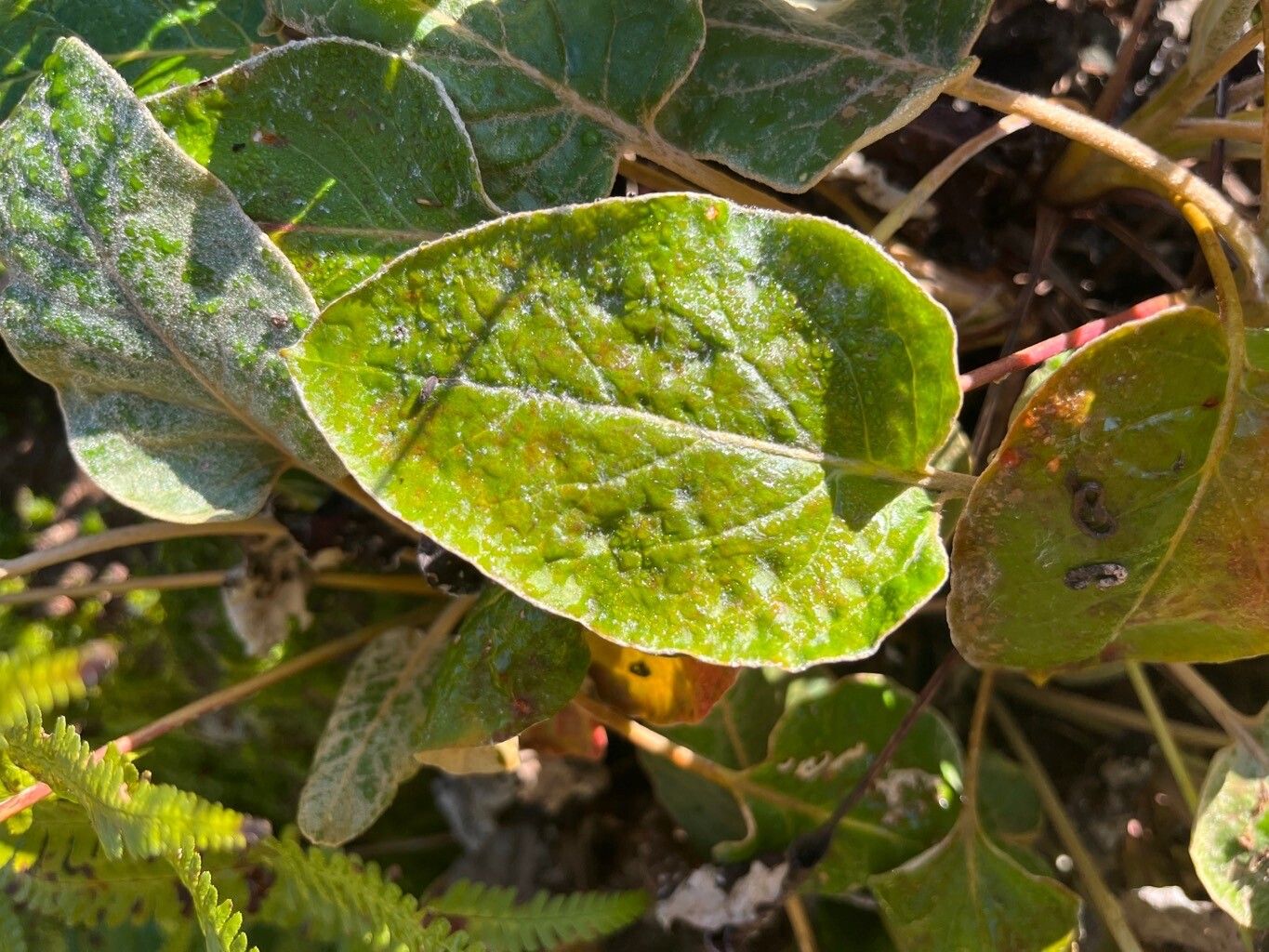
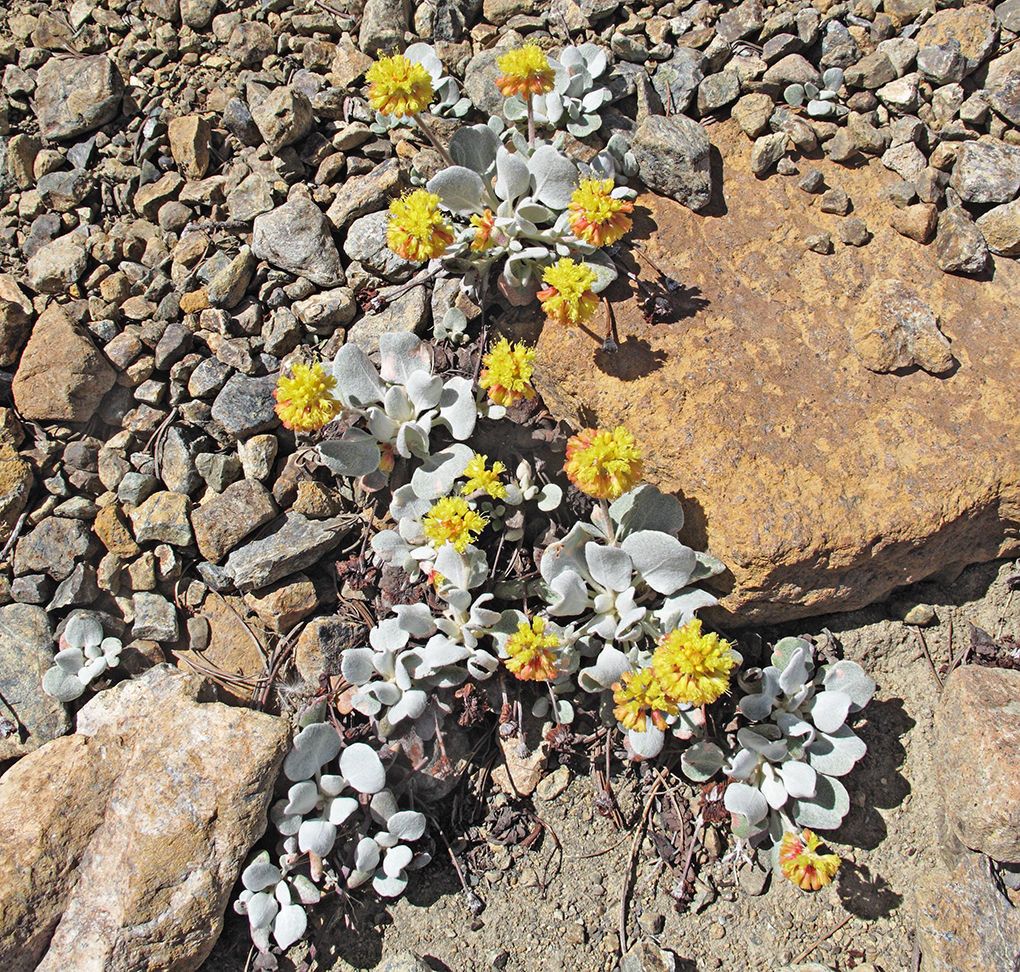
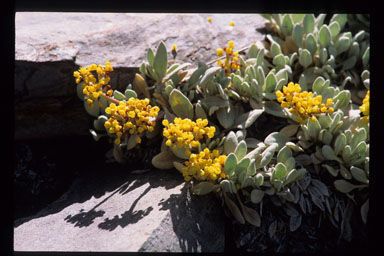
Eriogonum pyrolifolium (Shasta buckwheat, pyrola-leafed buckwheat, alpine buckwheat, alpine eriogonum, oarleaf buckwheat, or dirty socks) is a species of wild buckwheat. It is native to western North America, from British Columbia to the high mountains of California.
Shasta buckwheat has good resistance to disease and is generally not susceptible to illnesses. That said, it can be affected by pests and diseases present in its surroundings. These infections are usually minor. In terms of care, the plant requires moderate maintenance. It should be pruned regularly to maintain a tidy appearance and support healthy growth. Fertilization can also encourage flowering. Shasta buckwheat is appropriate for anyone with outdoor space, such as a garden or patio, and does not demand extensive gardening experience. It may require more care if grown indoors.
How to keep Eriogonum Pyrolifolium.
Light
Shasta buckwheat comes from bright, tropical habitats and flourishes in direct sunlight. It prefers full sun but can also tolerate partial sun, doing well in lightly shaded areas.
Water
Shasta buckwheat, native to arid regions, is highly drought-tolerant and requires weekly watering to thrive without becoming waterlogged. It prefers well-draining soil, similar to the rocky habitats where it naturally grows. During the growing season, its water needs may increase to support optimal flowering and growth.
Temperature
Shasta buckwheat comes from tropical areas, where the weather is generally warm and humid. Consequently, it is adapted to high heat and humidity. It does not tolerate abrupt temperature shifts and favors a consistent thermal environment, so keeping indoor temperatures steady is important. It typically cannot withstand cold and needs relatively warm conditions to grow. If the surrounding temperature falls too low, the plant may stop growing or even die.
Fertilizer
Proper fertilization is essential for the health and appearance of Shasta buckwheat. Fertilize Shasta buckwheat in summer, repeating the treatment monthly during the season. Nutrients provide the energy for growth and support the maintenance of plant parts. Feeding improves Shasta buckwheat's floral display, ensuring the best blooms.
Pruning
To keep Shasta buckwheat healthy and looking its best, it's important to prune it from early to late spring. Focus on removing spent flower stems and trimming any damaged growth. This practice encourages more flowering, prevents the plant from becoming overcrowded, and maintains its overall health. Be sure to use clean, sharp tools to minimize the risk of disease. This will enhance the resilience of the Shasta buckwheat and improve its appeal in your garden.
Botanical profile.
- Plant Type
- Herb, Shrub
- Life Cycle
- Perennial
- Genus
- Eriogonum
- Family
- Polygonaceae
- Hardiness Zone
- 11
- Mature Height
- 5 cm to 13 cm
- Mature Spread
- 20 cm
- Leaf Color
- Green, Dark Green
- Leaf Type
- Deciduous
- Flower Color
- Pink, White
- Flower Size
- 0.25 cm to 0.51 cm
- Bloom Time
- Early summer, Mid summer
- Planting Time
- Spring
- Harvest Time
- Late summer, Early fall
Other names.
Reader questions.
How should I water my Shasta buckwheat plant?
To properly water the Shasta buckwheat, it is best to use filtered water at room temperature or slightly warmer. Tap water may contain harmful particles for this plant, so it is advisable to use filtered water. The Shasta buckwheat prefers warm conditions, so cold water can be a shock to its system. It is important to avoid overhead watering, as it can cause issues with the foliage. Instead, gently apply the filtered room temperature water directly to the soil until it is thoroughly soaked. This method benefits the plant by moistening its roots and aiding in the spread of nutrients through the soil.
What is the origin of Shasta buckwheat and how does its native climate affect its care?
Shasta buckwheat, or Eriogonum pyrolifolium, originates from tropical regions, characterized by warm and humid climates. This background makes the plant well-suited to environments with high temperatures and humidity, leading to a preference for stable temperature conditions without sudden changes. Shasta buckwheat is typically intolerant of cold temperatures and thrives in warmth. To ensure its health, it is recommended to avoid exposing it to drastic temperature fluctuations and to maintain indoor temperatures above 20\u00b0C, especially during winter. Cold temperatures can halt its growth or even be fatal, so keeping the plant indoors near a bright window, away from heaters, and at temperatures conducive to its tropical origin is crucial.
What do I do if I give my Shasta buckwheat either too much or too little water?
It's important to note that both overwatering and underwatering are harmful to your Shasta buckwheat's health, but overwatering is more common. When this plant gets too much water, its stems and leaves may wilt and turn yellow. Overwatering for a long time can also lead to diseases like root rot, mold, and mildew, which can kill the plant. Underwatering is less common for the Shasta buckwheat because it tolerates drought well. However, it can still happen, and when it does, the leaves will become brittle and brown. If you notice signs of overwatering, it's crucial to take action quickly. Diseases like root rot may become irreversible if you wait too long. Reduce your watering immediately and check the soil quality. If the soil doesn't drain well, replace it with a loose, well-draining potting mix. If you notice signs of underwatering, simply water more regularly until the signs go away.
How should I care for Shasta buckwheat during low temperatures?
Shasta buckwheat requires warm conditions to thrive, ideally above 20\u00b0C, and must be kept above 10\u00b0C during winter. Exposure to temperatures below 5\u00b0C can cause the leaves to lighten in color, and subsequent frost damage may result in browning or blackening leaves, along with wilting and drooping. To care for Shasta buckwheat in low temperatures, trim off any frost-damaged parts and move the plant to a warm indoor environment. Positioning it near a south-facing window ensures sufficient sunlight, while avoiding placing it near heaters or air conditioning vents will help prevent air dryness and further stress on the plant.
How frequently do I need to water my Shasta buckwheat?
If your Shasta buckwheat plant is in a pot, the best way to check if it needs water is by sticking your finger into the soil. If the top two to three inches of soil are dry, it's time to water. Similarly, if you're growing your Shasta buckwheat outdoors in the ground, you can use the same method to check the soil. When the top few inches are dry, it's time to water. In spring and early fall, you'll likely need to water once a week, but during extremely hot weather, you may need to water twice a week or more. However, mature and well-established Shasta buckwheat plants have a good ability to withstand drought.
What steps should be taken if Shasta buckwheat experiences high temperatures?
In high temperatures, particularly during summer, it's important to prevent Shasta buckwheat from exceeding 38\u00b0C, as temperatures above 43\u00b0C can lighten the leaf color and increase susceptibility to sunburn. To protect the plant under these conditions, trim away any sunburned or dried parts and relocate it to an area shaded from the intense midday and afternoon sun. Ensuring the soil remains moist by watering in the morning and evening will also help the plant cope with the heat.
How much water does my Shasta buckwheat plant need?
To properly water your Shasta buckwheat plant, don't be afraid to give it a generous amount of water. Make sure the top two to three inches of soil are dry before watering, and then give it a thorough soak until the soil is completely soaked through. You'll know you've added enough water if you see excess water flowing out of the drainage holes at the bottom of the pot. If you don't see any excess water draining, it means you haven't watered enough. Be careful not to let water accumulate in the soil, as this can harm the plant. On the other hand, if you notice that water isn't draining well from the pot, it could be a sign of poorly draining soil, which is bad for the plant's health. If your plant is outdoors, about 1 inch of rain per week should be enough.
How do I water my Shasta buckwheat as it grows?
The water needs of the Shasta buckwheat can vary throughout its growth stages. In the early years and after transplanting, it requires more water due to the energy it expends on developing new roots. These roots need additional moisture for optimal performance. However, as the plant matures, it will require less water. Another stage that requires increased water is during the bloom period when flower development uses up a significant amount of moisture.
How should I give water to my Shasta buckwheat all year round?
The Shasta buckwheat has different water needs depending on the season. During the hottest months of the year, it will need the most water. In summer, you may need to water the plant more than once per week, depending on how quickly the soil dries. In contrast, during the winter, the plant will enter a dormant phase and will require far less water. In fact, you may not need to water it at all during winter. However, if you choose to water it during this time, it should be done no more than once per month. Overwatering during winter can increase the risk of disease for your Shasta buckwheat.
What's the difference between watering my Shasta buckwheat inside and outside?
Shasta buckwheat is commonly grown indoors by gardeners who don't live in temperate and tropical regions. It's important to note that soil in a container dries out faster than ground soil, so extra watering may be needed. When grown outside, the presence of drying elements like air conditioning units may also increase watering needs. However, if your Shasta buckwheat is planted outdoors and receives regular rainfall, you may not need to water it much. On the other hand, if it is grown indoors, you will need to water it more frequently as you can't rely on rainwater to soak the soil.