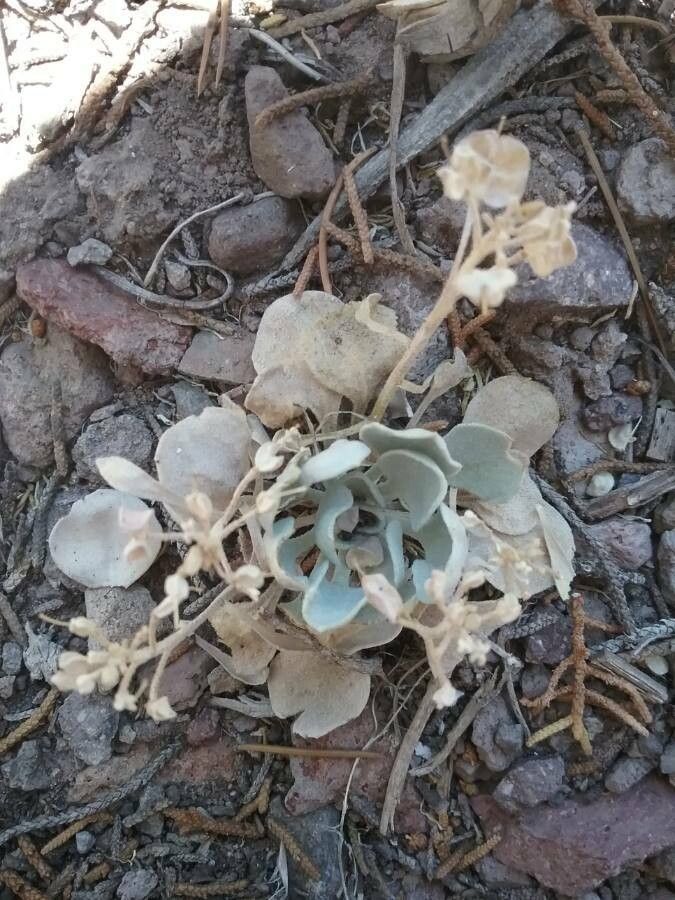
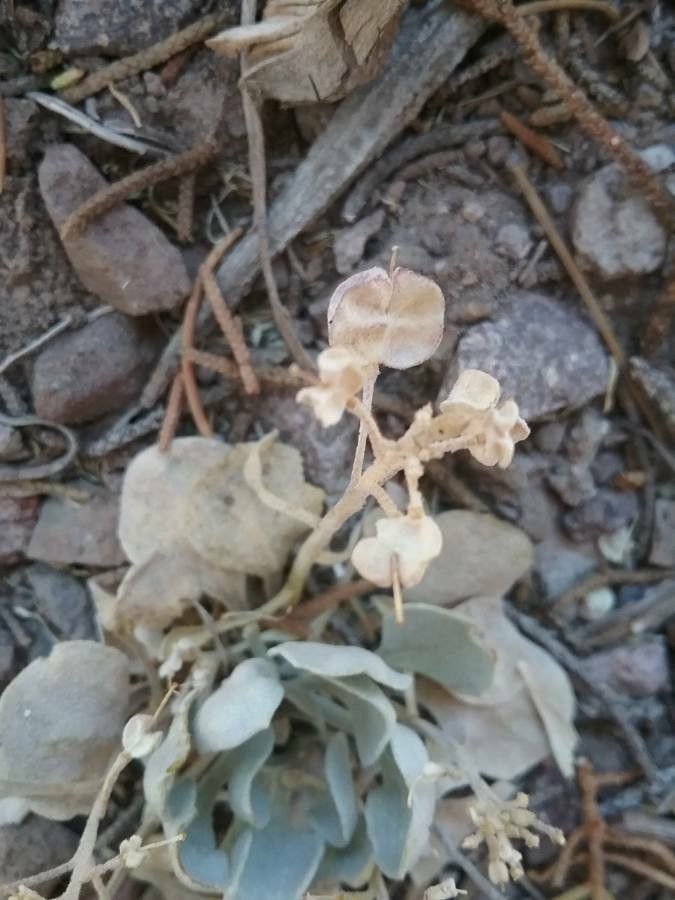
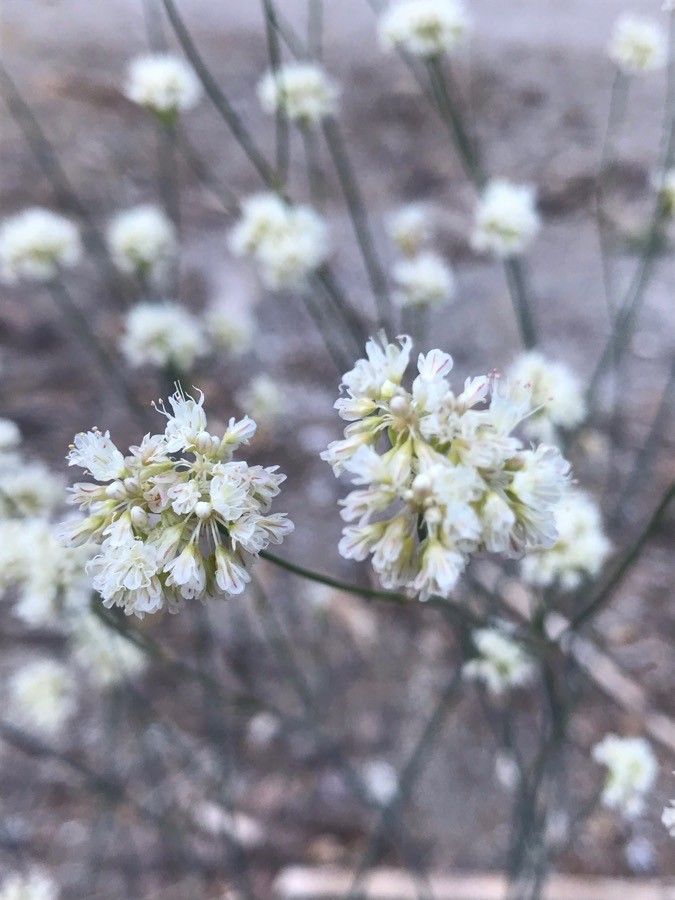
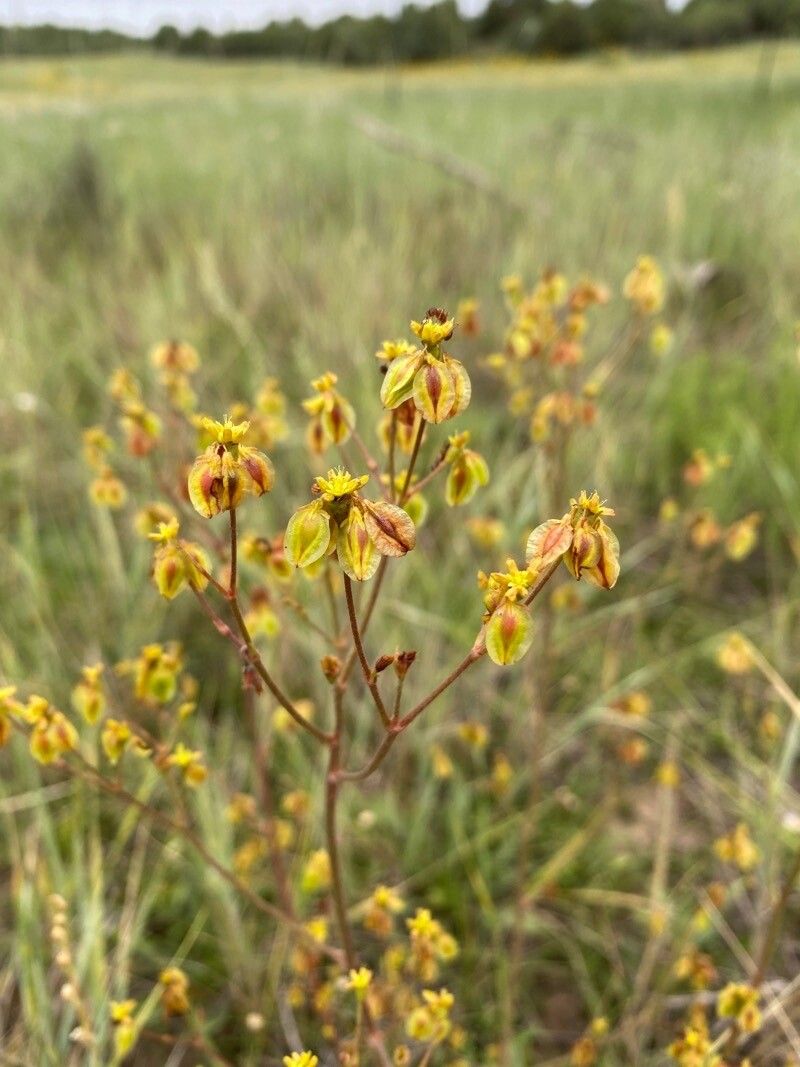
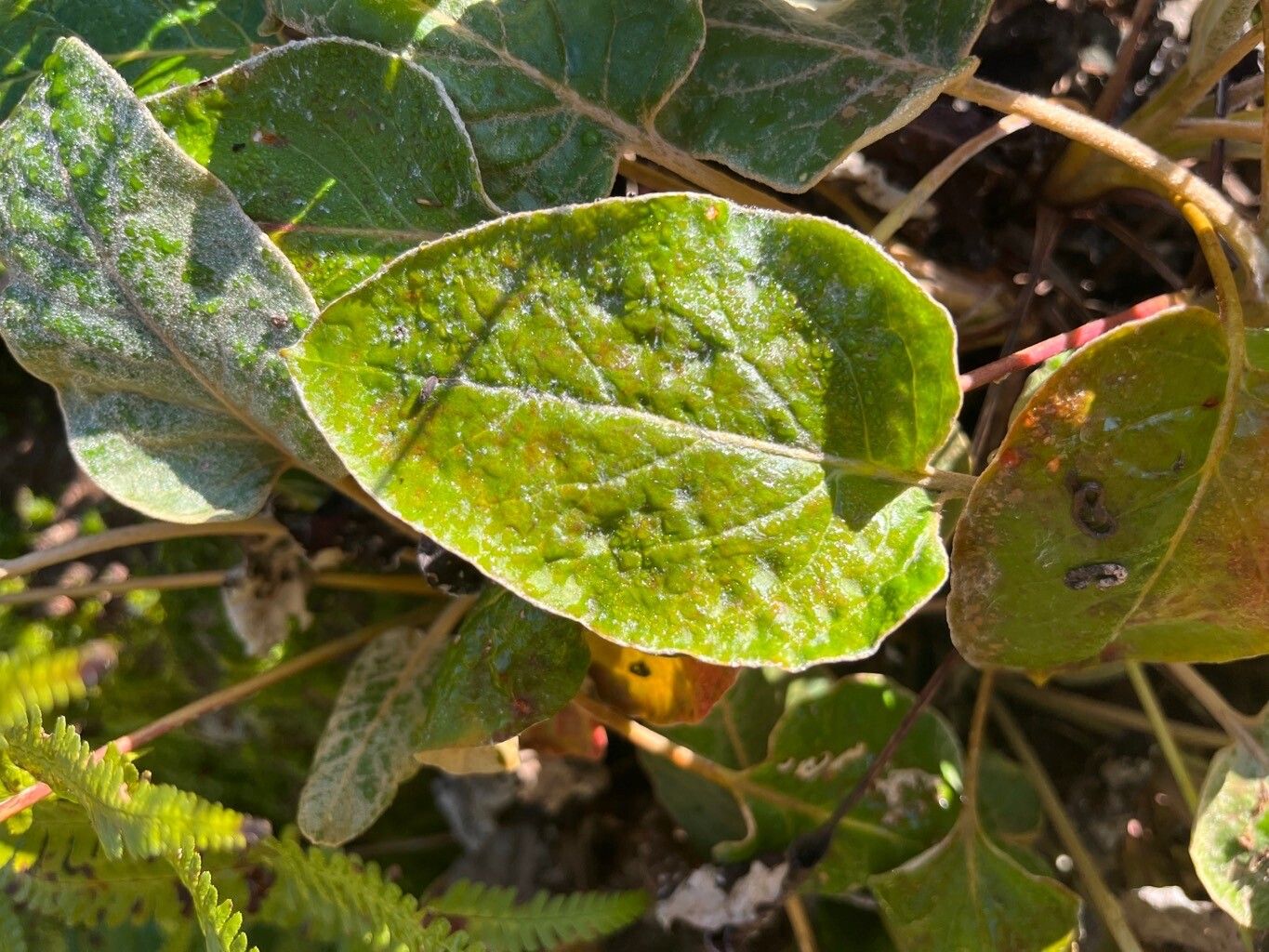
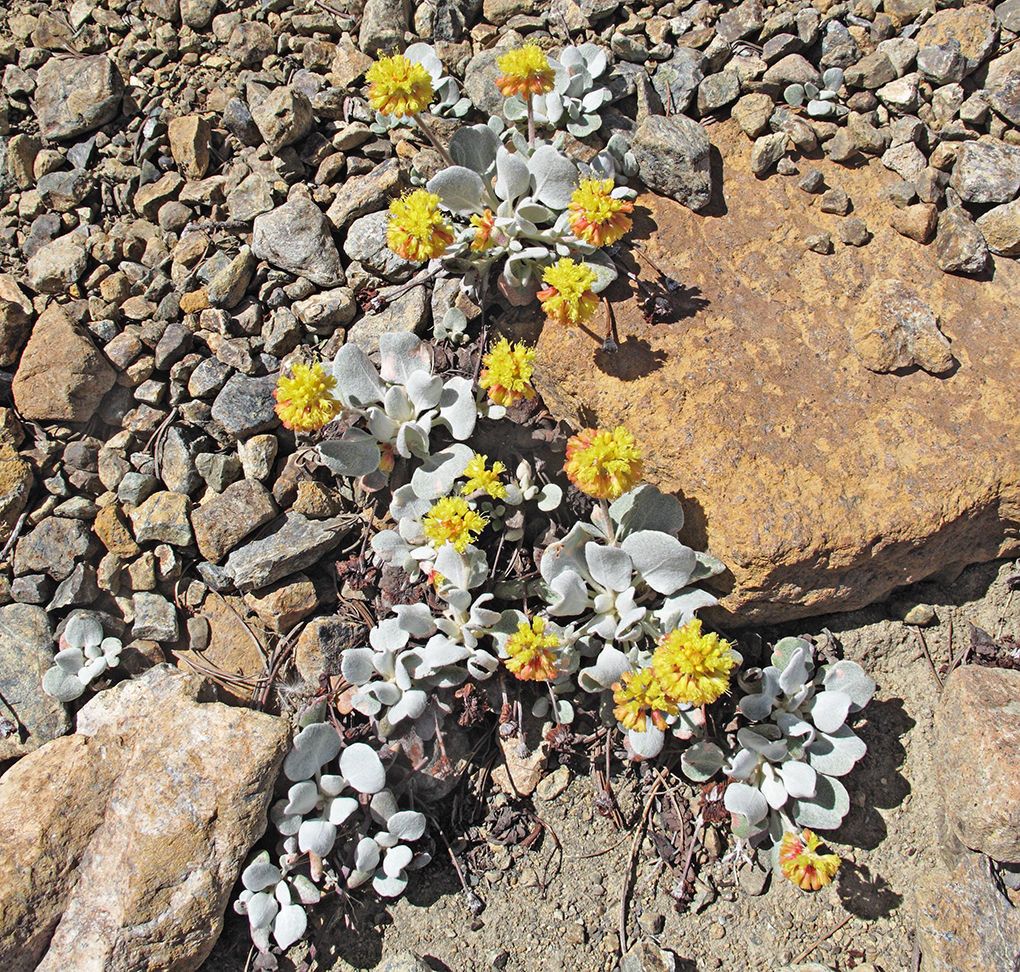
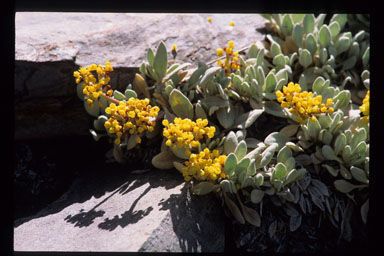
Eriogonum saxatile is a species of wild buckwheat known by the common name hoary buckwheat. It is native to the dry, rocky mountain slopes of California and Nevada, where it is a common plant.
Hoary buckwheat has moderate disease resistance but is more sensitive to humidity. It is prone to illness when humidity is high and can develop root rot during dormancy. In terms of care, Hoary buckwheat tolerates drought yet requires more frequent watering during the growing season. Watering should be greatly reduced or stopped entirely while it is dormant. Hoary buckwheat is appropriate for growers with some experience, but it can be challenging to maintain, particularly during dormancy. It is especially suitable for those who can dedicate time to its care throughout the winter months.
How to keep Eriogonum Saxatile.
Light
Originating from arid areas, Hoary buckwheat does best in full sun, as its native habitat has intense sunlight and very little shade. It also tolerates partial sun, which gives it some flexibility in its growth.
Water
Hoary buckwheat thrives in dry environments due to its strong drought tolerance. To mimic its natural habitat, water it sparingly, about once every three weeks. This plant is resilient and can endure harsh conditions, including significant temperature fluctuations.
Temperature
Hoary buckwheat naturally occurs in habitats where temperatures are typically between 59 and 89.6 °F (15 and 32 ℃). This species does well in those moderate conditions. To achieve the best growth throughout different seasons, it is recommended to keep temperatures within that range.
Fertilizer
For Hoary buckwheat, light applications of fertilizer once or twice a year during the growing season are adequate. Avoid fertilizing in winter and in summer when the plant is dormant. Cut back on fertilizer for plants that have been repotted and wait a couple of months after repotting before applying fertilizer. Fertilizing helps maintain healthy growth and promotes flowering.
Pot & Repot
When repotting Hoary buckwheat, choose a container a bit bigger than the current one that drains well. Fill it with a gritty, well-draining succulent or cactus potting mix. Gently take the plant from its old pot, brush away excess soil, and set it in the new pot at the same planting depth. Hold off watering for several days so any root injuries can heal. Repot during spring or fall and place the plant where it receives bright light.
Botanical profile.
- Plant Type
- Herb, Shrub
- Life Cycle
- Perennial
- Genus
- Eriogonum
- Family
- Polygonaceae
- Hardiness Zone
- 8
- Mature Height
- 10 cm to 40 cm
- Mature Spread
- 10 cm to 20 cm
- Leaf Color
- Gray, Light Gray
- Leaf Type
- Deciduous
- Flower Color
- White, Cream
- Flower Size
- 0.25 cm to 0.76 cm
- Bloom Time
- Early summer, Mid summer
- Planting Time
- Spring, Summer
- Harvest Time
- Late summer, Early fall
Other names.
Reader questions.
What are the sunlight requirements for Hoary buckwheat?
Hoary buckwheat thrives best in full sun, needing more than 6 hours of sunlight to flourish, mimicking its native arid environments characterized by strong sunlight and minimal shade. However, it can also tolerate partial sun, requiring about 3-6 hours of sunlight. To ensure the health and happiness of your plants, observe how sunlight moves through your garden throughout the day to find locations that offer the right balance of light and shade.
What is the native climate for Hoary buckwheat?
Hoary buckwheat thrives in environments with temperatures typically ranging from 59 to 89.6 °F (15 to 32 °C), favoring moderate climates for optimal growth. It is a heat-loving plant that enters a dormant state in winter. As temperatures fall below 15°C, its growth slows, requiring less watering to prevent root rot. When outdoor temperatures drop below -5°C, it should be moved indoors, preferably near a south-facing window, and may require supplemental lighting for insufficient natural light. In very cold temperatures, outdoor plants need protection, such as a temporary greenhouse or wrapping with insulative materials.
How important is artificial lighting for Hoary buckwheat, and how should it be configured?
Artificial lighting becomes crucial for Hoary buckwheat's growth when natural sunlight is inadequate, especially in winter or in less sunny indoor environments. LED lights are recommended due to their customization capabilities to meet specific plant needs. For full sun plants like Hoary buckwheat, 30-50W/sq ft of artificial light is needed, placed 12-36 inches above the plant to emulate natural sunlight. The duration should match natural daylight hours as closely as possible, generally between 8-12 hours of light per day.
How does low temperature affect Hoary buckwheat and what are the solutions?
Hoary buckwheat is not tolerant of low temperatures and grows best above 15°C. During winter, it should be kept above -5°C to avoid damage. At temperatures below -10°C, the plant may weaken, wilt, and become prone to root rot. Mild frost damage might not show immediate symptoms, but affected plants will gradually wither. The solution involves trimming off frostbitten areas and examining for root rot. Rotted roots must be removed, and the plant can be propagated through cuttings. Moving the plant indoors to a warm, well-lit environment near a south-facing window, or using supplemental lighting, can also help recover.
What are common symptoms of light deficiency in Hoary buckwheat?
Hoary buckwheat may exhibit several symptoms when exposed to inadequate light, including smaller new leaves, leggy or sparse growth, accelerated leaf drop, stalled or ceased new growth, paler new leaves or irregular color patterns indicating a lack of chlorophyll, and chlorosis leading to yellowing leaves. It's also susceptible to sunscald, unexpected leaf curling, wilting from overexposure to sunlight, and leaf scorching characterized by brown, dry edges or patches on the leaves.
What should be done if Hoary buckwheat is exposed to high temperatures?
During summer, it's crucial to keep Hoary buckwheat's temperature below 32°C to prevent stunting its growth. Exposure to temperatures over 35°C can cause water loss, wilting, and increase susceptibility to sunburn. The solution involves removing sunburned and rotten parts of the plant and shielding it from direct afternoon sunlight until recovery and growth resume. If the plant suffers from root rot, watering should be ceased until new roots form.
How can I address light deficiency symptoms in Hoary buckwheat?
To combat light deficiency in Hoary buckwheat, gradually introduce your plant to more sunlight, aiming for at least 6 hours of direct exposure daily. For indoor plants, consider using a south-facing window or artificial lighting, such as a desk or ceiling lamp left on for at least 8 hours daily, or invest in professional grow lights. For outdoor plants, adjust their location weekly to gradually increase sun exposure without shocking them. If necessary, reduce any obstructions that block sunlight or consider transplanting to a sunnier spot during the plant's dormant period for the best results.
What is the scientific name of Hoary buckwheat?
The scientific name of Hoary buckwheat is Eriogonum saxatile.