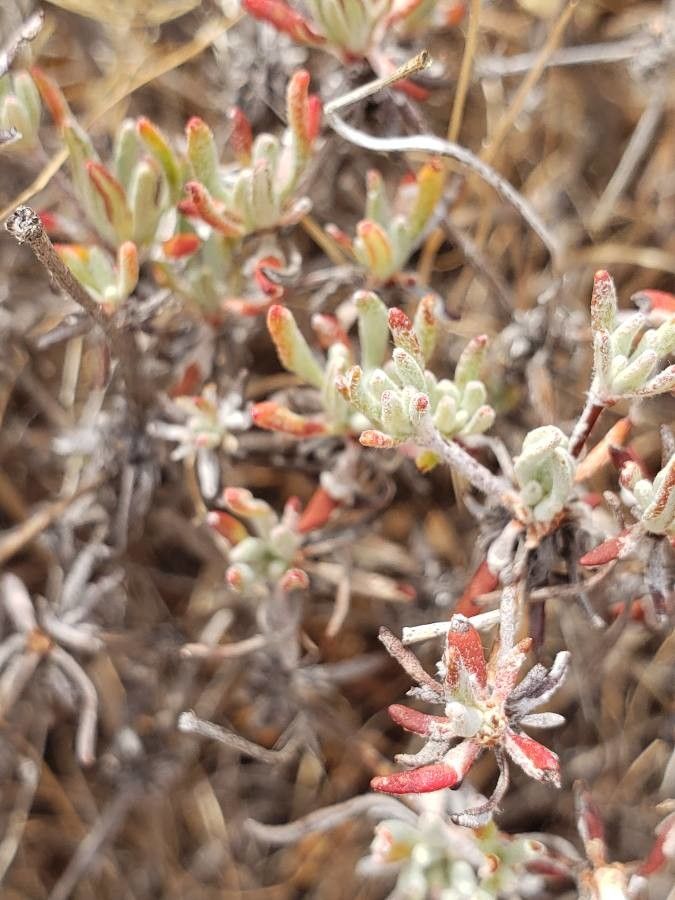
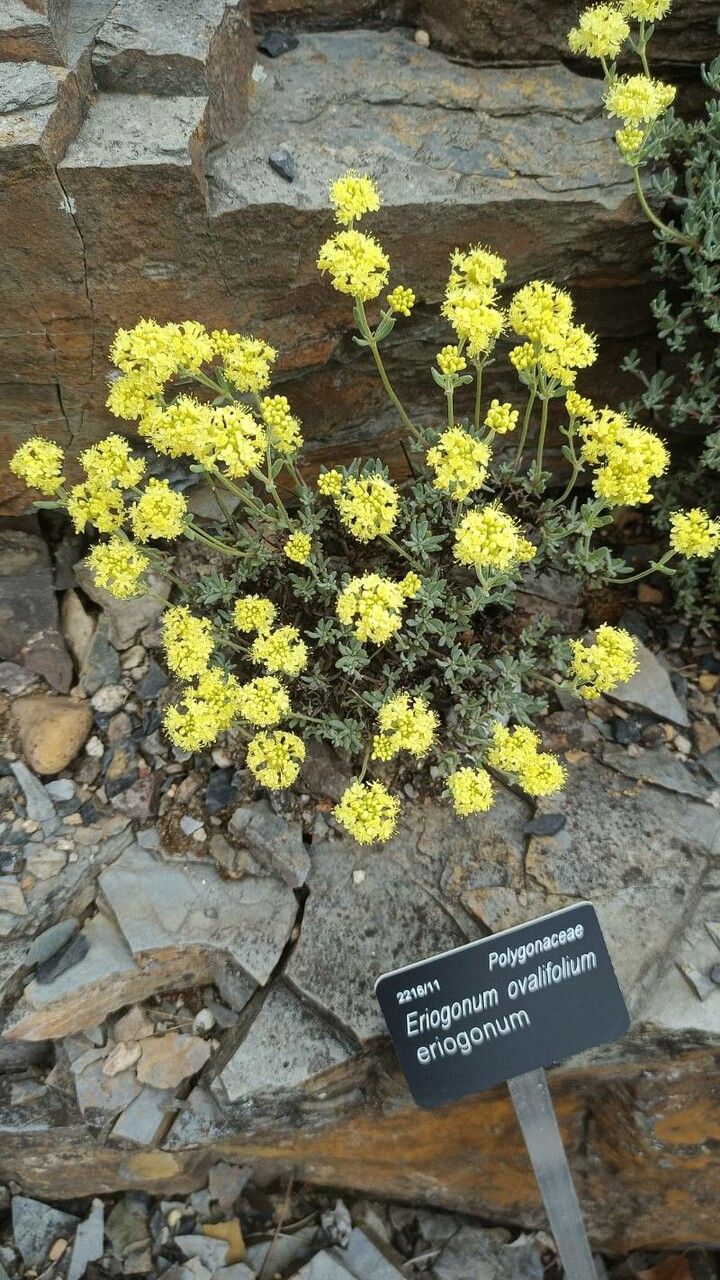
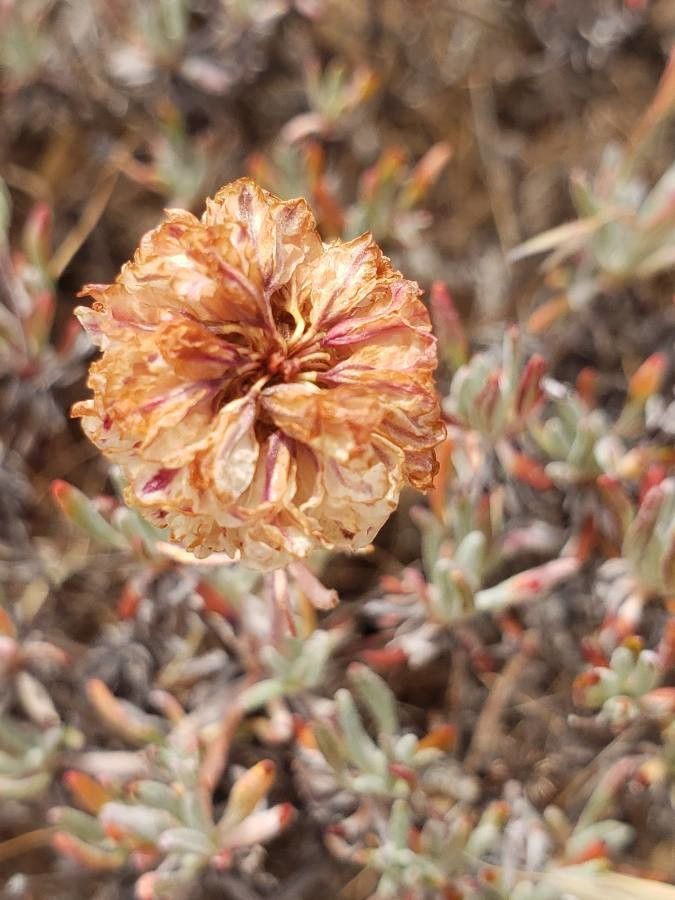
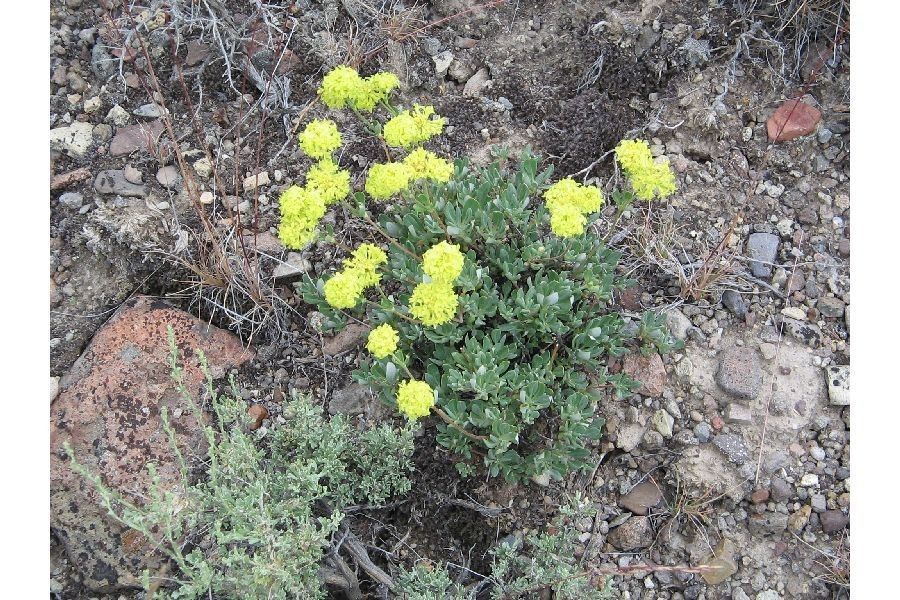
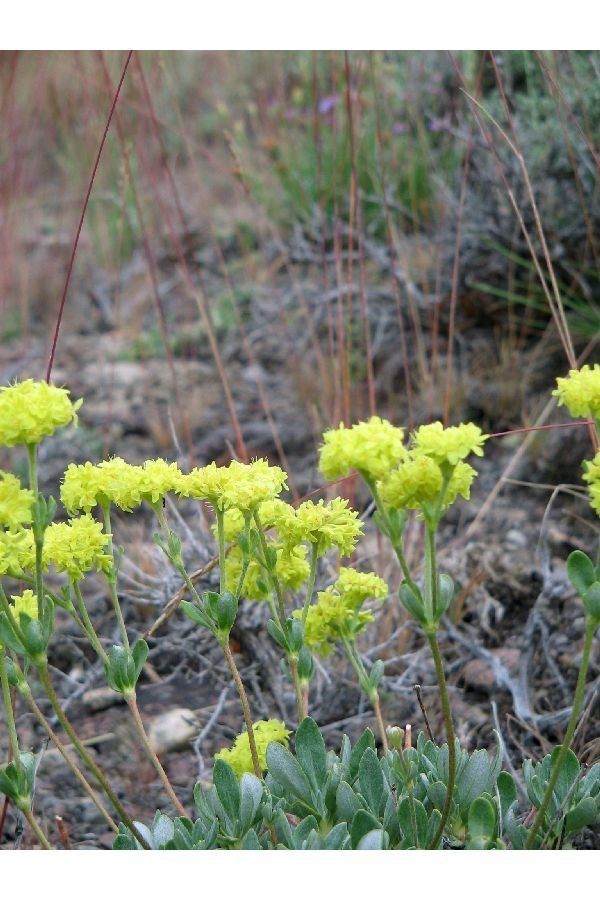
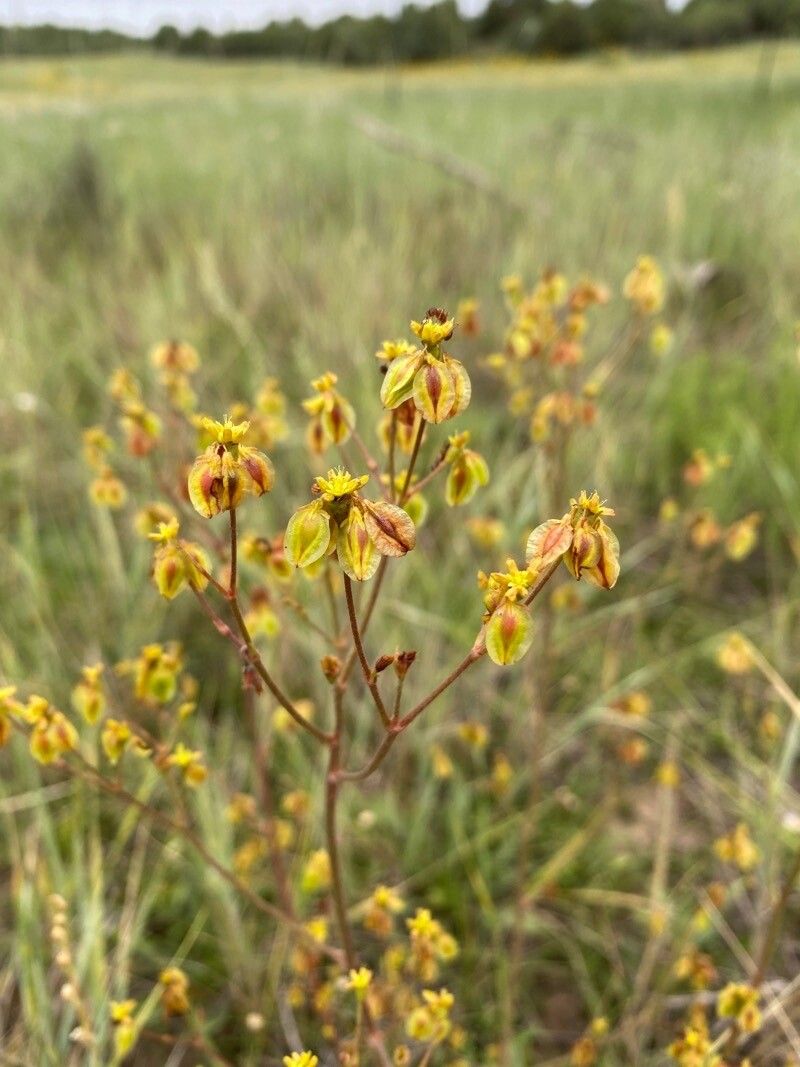
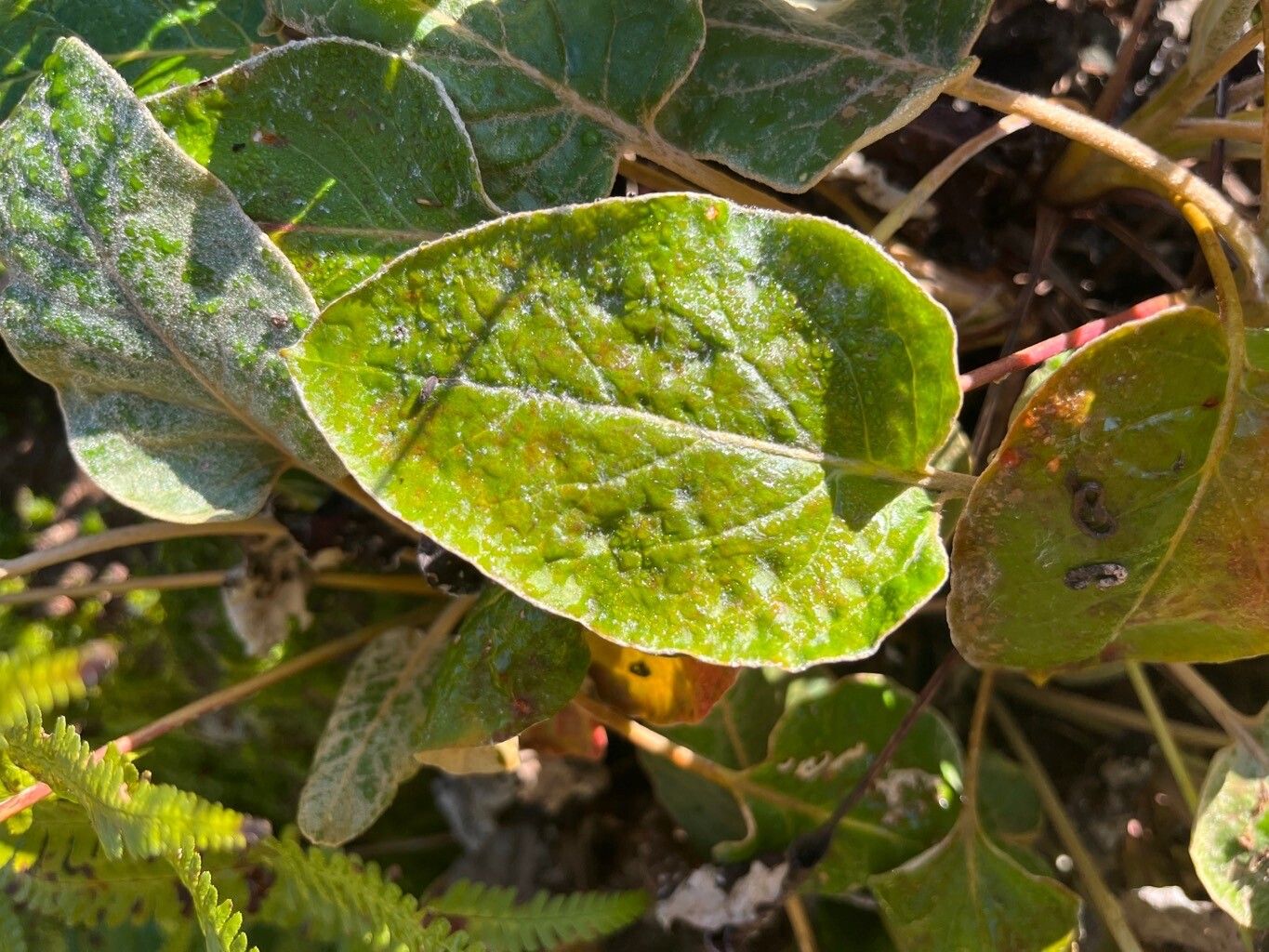
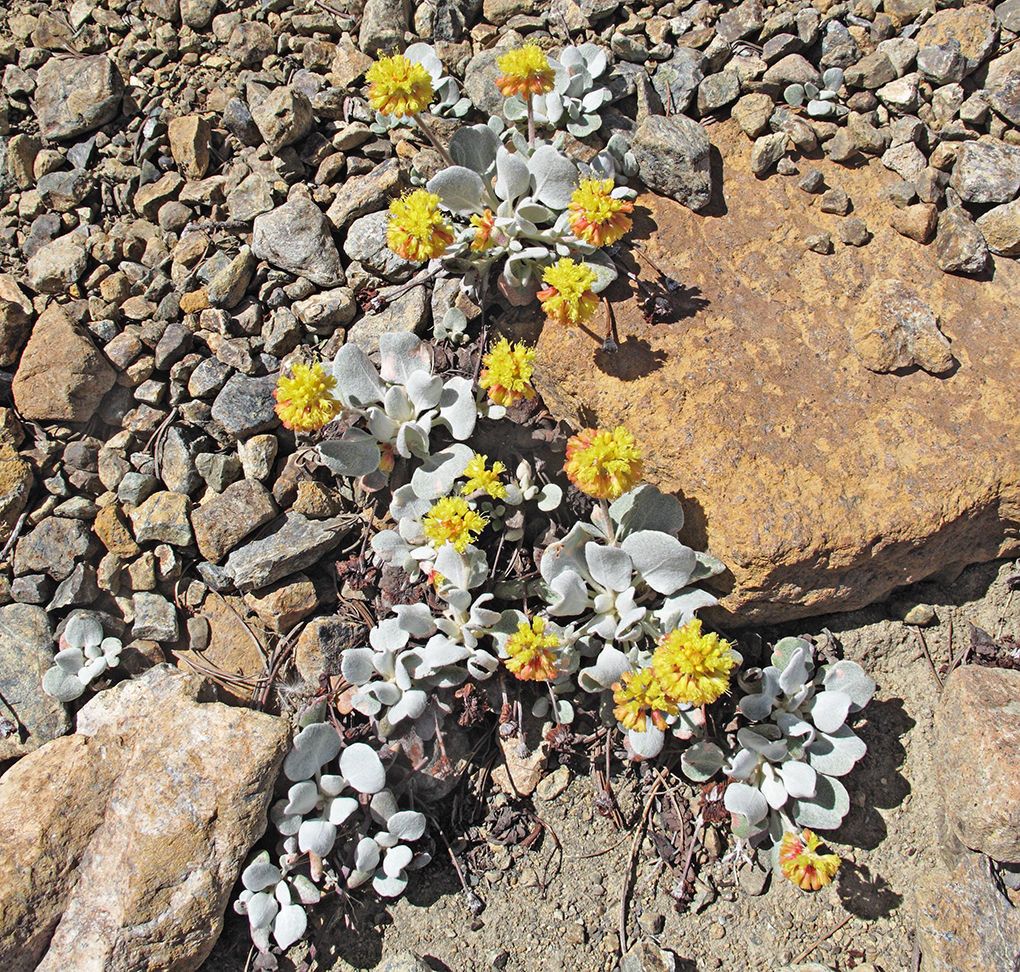
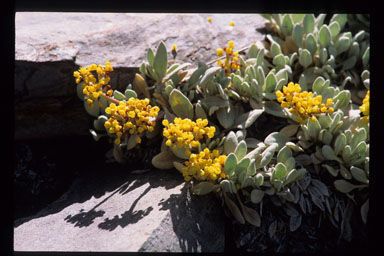
Eriogonum sphaerocephalum is a species of wild buckwheat known by the common names rock buckwheat and round-headed desert buckwheat. It is native to the western United States.
Rock buckwheat has strong disease resistance and is generally not susceptible to disease. In terms of care, this plant is fairly low-maintenance. When grown outdoors it needs minimal watering, and larger plants typically do not require pruning. Smaller plants, however, should be pruned after they have bloomed. Rock buckwheat is suitable for anyone with outdoor space, such as a garden or deck, and does not require a lot of care experience.
How to keep Eriogonum Sphaerocephalum.
Light
Rock buckwheat is native to open habitats, like sunny meadows and forest edges, which offer plenty of light. It performs best in full sun but can also tolerate partial sun, adjusting well to different light levels.
Water
Rock buckwheat, a plant native to arid regions, is highly drought-tolerant. To keep it healthy, water it twice a week, which will maintain adequate moisture without causing over-saturation. This plant thrives in well-draining soil and benefits from deep watering during its active growth phase to mimic natural rainfall conditions.
Temperature
Rock buckwheat is highly adaptable to a variety of climate conditions, from blistering summers to frosty winters. Nevertheless, it has a preferred temperature range for optimal growth. If temperatures climb too high, the plant is susceptible to heat and humidity stress that can kill it. In locations where temperatures reach the lower edge of its cold tolerance, insulating the plant is necessary to protect it.
Fertilizer
Timing is essential for fertilizing Rock buckwheat. Fertilize in early spring and continue every month through early summer. Fertilizer promotes attractive blooms and provides energy during both dormant and active growth phases.
Pruning
Rock buckwheat, known for its spherical flower clusters, thrives when pruned in early spring. Pruning encourages growth and helps maintain its shape. To improve air circulation, which reduces disease risk and boosts flowering potential, remove dead stems and thin out crowded branches. For the best results, use clean, sharp tools.
Botanical profile.
- Plant Type
- Shrub
- Life Cycle
- Perennial
- Genus
- Eriogonum
- Family
- Polygonaceae
- Hardiness Zone
- 4-9
- Mature Height
- 15 cm to 40 cm
- Mature Spread
- 30 cm to 61 cm
- Leaf Color
- Gray, Light Gray
- Leaf Type
- Deciduous
- Flower Size
- 0.51 cm to 0.76 cm
- Bloom Time
- Early summer, Mid summer
- Planting Time
- Spring, Summer
- Harvest Time
- Late summer, Early fall
Other names.