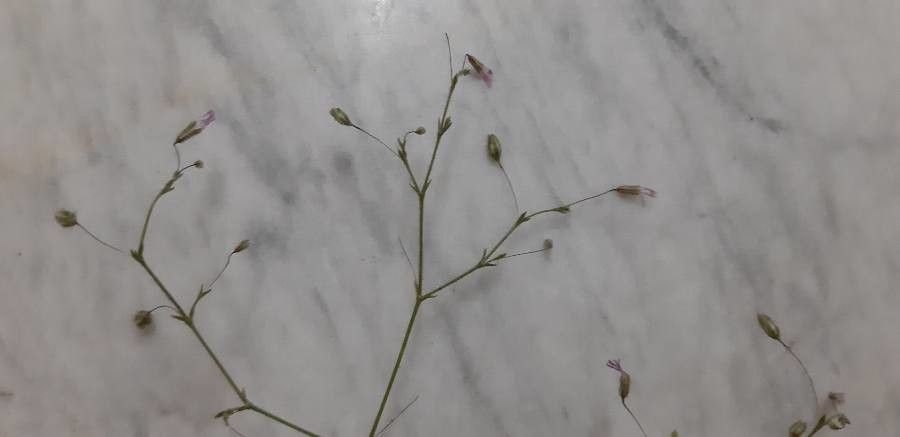
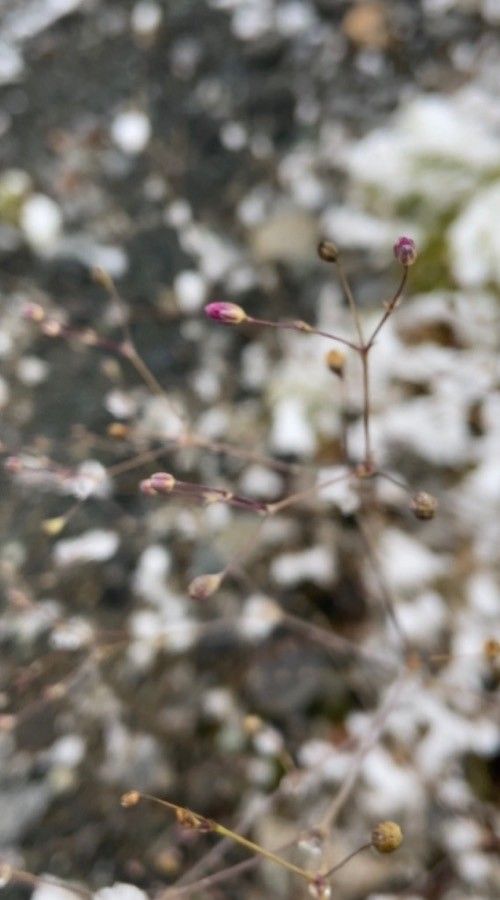
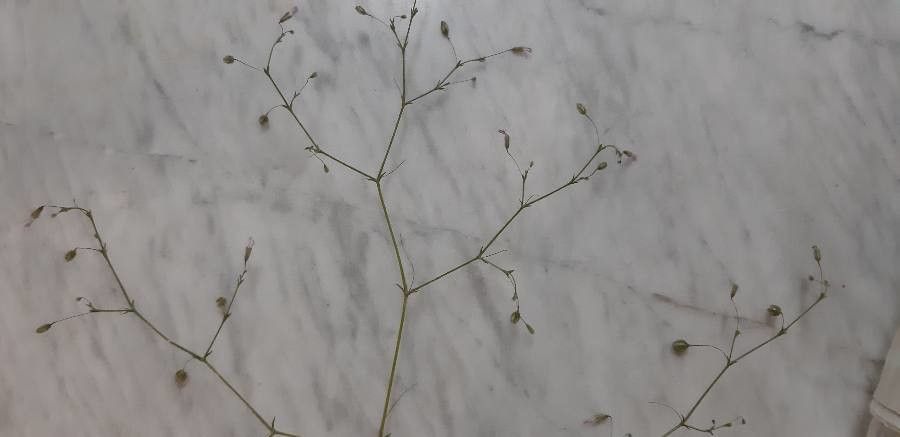
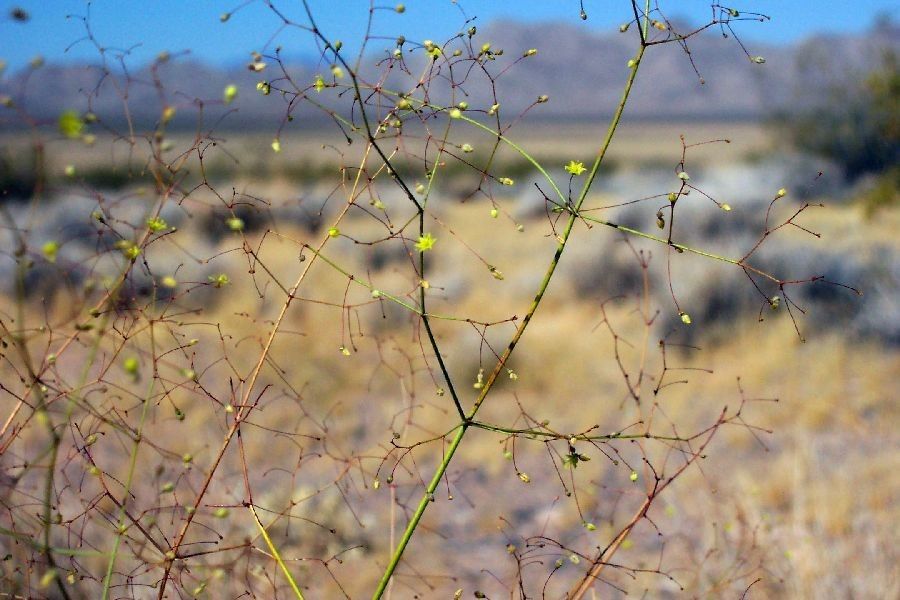
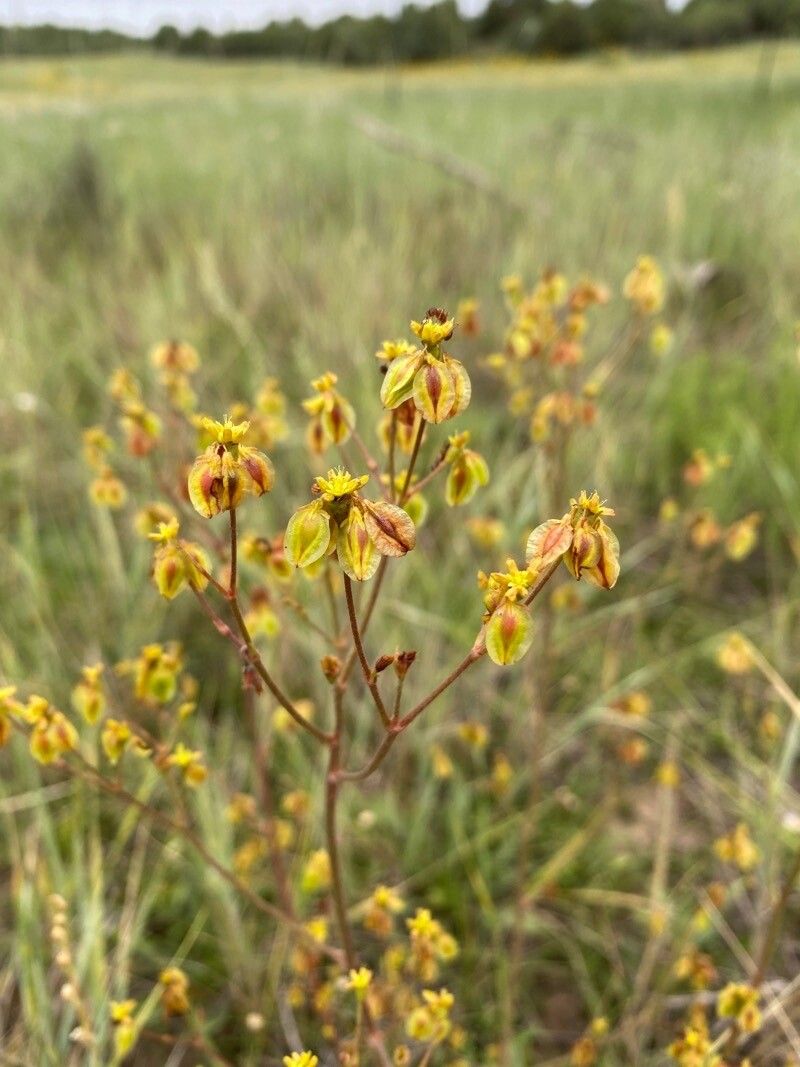
Eriogonum trichopes is a species of wild buckwheat known by the common name little desert trumpet. It is native to the mountain slopes and deserts of the southwestern United States from California to New Mexico, and its range extends into Mexico.
Little desert trumpet is fairly disease-resistant and generally not prone to illnesses. However, it can be vulnerable to pests and diseases present in its surroundings. Such infections are usually not severe. In terms of care, this plant requires medium maintenance. It should be pruned regularly to maintain a good appearance and healthy growth. Fertilization can also help promote flowering. Little desert trumpet is suitable for anyone with outdoor space, such as a garden or patio, and does not require a lot of care experience. It may require more care when grown indoors.
How to keep Eriogonum Trichopes.
Light
Little desert trumpet comes from sunny, open habitats and performs best in full sun. It can tolerate some shade but favors direct sunlight for optimal growth. This plant, which occurs as an annual or biennial, is noted for its sun-loving habit.
Water
The little desert trumpet is well-suited for arid environments, as it has adapted to conserve water and prefers dry conditions. To mimic its natural habitat, water it weekly and plant it in well-draining soil to prevent root rot. This soil should reflect the sandy nature of its native surroundings.
Temperature
Little desert trumpet can tolerate a wide range of temperature conditions, but its distribution can still be restricted by differing combinations of water and heat. It does best in warm summer climates with sufficient rainfall or watering. Extended stretches of cloudy, rainy weather, as well as prolonged high temperatures, can raise the chance of Little desert trumpet dying. In winter, protecting it from the cold can help improve its survival rate.
Fertilizer
Little desert trumpet benefits from regular, dilute applications of fertilizer to encourage healthy leaf development. You should fertilize Little desert trumpet about once a month during the summer. Nitrogen is essential for foliage, and providing nitrogen-rich sources helps Little desert trumpet thrive.
Pruning
To maintain the delicate structure and healthy growth of the little desert trumpet, regular pruning is essential. Key techniques involve removing dead stems and enhancing air circulation. The best time to prune is from early to late spring, as this encourages blooming, prevents disease, and promotes a vigorous form. Always use clean, sharp tools for the job.
Botanical profile.
- Plant Type
- Herb
- Life Cycle
- Annual
- Genus
- Eriogonum
- Family
- Polygonaceae
- Hardiness Zone
- 7-10
- Mature Height
- 1.52 m
- Mature Spread
- 20 cm to 40 cm
- Leaf Color
- Green, Light Green
- Leaf Type
- Deciduous
- Flower Color
- Yellow, White
- Flower Size
- 0.20 cm to 0.25 cm
- Bloom Time
- Late spring, Early summer, Mid summer
- Planting Time
- Spring, Summer
- Harvest Time
- Mid summer, Late summer, Early fall
- Native Area
- Mexico
Other names.
Reader questions.
What are the sunlight requirements for Little desert trumpet?
Little desert trumpet thrives in environments that provide full sun exposure, meaning it requires more than 6 hours of sunlight daily for optimal growth. It can also tolerate partial sun, needing about 3 to 6 hours of sunlight. However, it's essential to watch the sunlight movement through your garden to select spots that offer a suitable balance of light and shade for the plants, ensuring their well-being.
What essentials should be considered for growing Little desert trumpet?
Originating from bright, open environments, Little desert trumpet is a sun-loving plant that performs best in full sunlight. In settings where natural sunlight is insufficient, especially during winter or in less sunny spaces, artificial lighting becomes crucial. LED lights, recommended for their ability to provide specific light wavelengths, should be set to 30-50W/sq ft for full sun plants and 20-30W/sq ft for partial sun plants. The light source should be placed 12-36 inches above the plant, mimicking the natural daylight hours, with 8-12 hours of light per day being optimal.
What are the signs of inadequate light for indoor Little desert trumpet plants?
When Little desert trumpet is grown indoors and doesn't receive enough light, it may show several signs of light deficiency. These include smaller new leaves, leggy or sparse growth, faster leaf drop, and slower or stopped new growth. Insufficient light can also lead to lighter-colored new leaves, chlorosis (where leaves turn yellow), sunscald, leaf curling, wilting, and leaf scorching. These symptoms indicate the plant's struggle with inadequate light conditions.
How can I address light deficiency for indoor and outdoor Little desert trumpet plants?
To counter light deficiency, gradually increase the plant's exposure to sunlight. For indoor plants, move them to a sunnier location each week until they get at least 6 hours of direct sunlight daily, using a south-facing window for maximum exposure. Consider artificial light for large or immobile plants, keeping a lamp on for at least 8 hours a day or using professional grow lights. For outdoor plants, also gradually move them to sunnier spots while avoiding sudden changes to prevent sunburn. Removing obstructions like overhanging branches can improve sunlight access. For smaller plants, consider transplanting during their dormant period to a location with better sunlight and drainage.