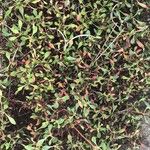
Eriogonum umbellatum
Sulfur-buckwheat · Sulphur-flower · Sulphur-flower buckwheat · Sulfur eriogonum · Sulphur wildbuckwheat
Description
Source: leafsnapEriogonum umbellatum is a species of wild buckwheat known by the common name sulphurflower buckwheat, or simply sulphur flower. It is native to western North America from California to Colorado to central Canada, where it is abundant and found in many habitats, including the sagebrush steppe and alpine areas. It is an extremely variable plant and hard to identify because individuals can look very different from one another. Also, there are many varieties. It may be a perennial herb blooming by summer with stems 10 centimeters tall and two to six clusters of flowers, with a whorl of leaves below the stems, or a sprawling shrub approaching two meters high and wide. The leaves are usually woolly and low on the plant, and the flowers come in many colors from white to bright yellow to purple. Native American groups utilized parts of this plant for a number of medicinal uses. It is a popular larval host, feeding the bramble hairstreak, desert green hairstreak, lupine blue, Mormon metalmark, Rocky Mountain dotted blue, Sheridan's hairstreak, Sonoran metalmark, and western green hairstreak. Additionally, goats and domestic sheep feed on the plant.Varieties of this species include, but are not limited to: E. u. var. argus - often nearly hairless leaves and bright yellow flowers; limited to the Klamath Mountains E. u. var. dichrocephalum - found throughout much of the western United States E. u. var. furcosum - a low shrub native to the Sierra Nevada E. u. var. glaberrimum - (green buckwheat) - a nearly hairless, white-flowered species E. u. var. humistratum - (Mt. Eddy buckwheat) - a rare northern California endemic E. u. var. juniporinum - (juniper buckwheat) - an uncommon plant of eastern California and western Nevada E. u. var. subalpinum - (sulfur buckwheat) - similar to Eriogonum eriogonum but has wider and more spoon-shaped leaves E. u. var. torreyanum - (Donner Pass buckwheat) - known from fewer than 10 occurrences near the Donner Pass E. u. var. versicolor - bears pinkish-brown flowers with bright stripes
🌳 Although frequently appreciated for its ornamental qualities, sulphurflower Buckwheat also plays an important role in ecological restoration projects. Its hardiness and ability to tolerate poor soils make it a strong choice for reclaiming and stabilizing disturbed land. This restoration potential represents a meaningful use that goes beyond decorative landscaping to include environmental remediation and conservation.
🎭 Finances, Security
Care Guide
💧 Water Every week
Sulphurflower Buckwheat is well-suited to dry mountainous areas, showing excellent drought tolerance and thriving in well-drained soils. It should be watered weekly to maintain its health, but care must be taken to avoid over-saturating the soil. Commonly grown outdoors, Sulphurflower Buckwheat efficiently conserves water during the growing season, which allows it to survive in a variety of climates.
How should I water my Sulphurflower Buckwheat?
To ensure the health of the Sulphurflower Buckwheat plant while watering, it is recommended to use filtered water at room temperature. Tap water may contain harmful particles, so filtered water is a better choice. The water temperature should be at room temperature or slightly warmer, as the plant is accustomed to warm environments and cold water may shock it. It is also advised to avoid overhead watering to prevent foliage issues. Instead, water the plant by applying filtered room temperature water directly to the soil until it is fully soaked. This method helps moisten the roots and aids in their spread through the soil to gather the necessary nutrients.
What should I do if I give my Sulphurflower Buckwheat too much water or too little water?
Overwatering is a common issue for Sulphurflower Buckwheat and can cause wilting, yellowing leaves, and diseases like root rot, mold, and mildew. Underwatering is less common, but can lead to brittle, brown leaves. It's important to notice signs of overwatering early and adjust your watering schedule. If the soil drains poorly, replace it with a well-draining mix. If underwatering is a problem, water more frequently until the signs improve.
How frequently do I need to water my Sulphurflower Buckwheat plant?
If your Sulphurflower Buckwheat is in a pot, the most accurate way to determine if it needs water is to check the soil by sticking your finger into it. If you find that the top two to three inches of soil are dry, it's time to water it. If you have your Sulphurflower Buckwheat planted outdoors in the ground, you can use a similar method to test the soil. Again, if the top few inches of soil have dried out, it's time to water. Usually, during spring and early fall, you will need to water this plant about once a week using this method. However, when there is extremely hot weather, you may need to increase watering to about twice a week or more. Nonetheless, mature and well-established Sulphurflower Buckwheat plants can tolerate drought conditions quite well.
How much water does my Sulphurflower Buckwheat plant require?
To water your Sulphurflower Buckwheat effectively, be generous with the amount of water you provide. Wait until the top three inches of soil are dry before watering, and then give the plant a thorough soaking. Make sure to add enough water to fully saturate the soil, allowing excess water to flow out of the drainage holes at the bottom of the pot. If you don't see any excess water draining, you may not have given enough water. However, be careful not to let water accumulate in the soil, as this can harm the plant. Similarly, if water is not draining properly, it could indicate poorly draining soil, which is not good for the plant's health. If the plant is outside, about 1 inch of rainfall per week should provide sufficient water.
How do I water my Sulphurflower Buckwheat as it grows?
The water needs of the Sulphurflower Buckwheat can vary depending on its growth stages. In the first few years or after transplanting, it will require more water. During these stages, the plant focuses on developing new roots, which need more moisture for optimal growth. As the plant matures, it will need less water. Additionally, during the bloom period, the flower development requires a significant amount of moisture, so you may need to increase watering at this time.
☀️ Light Full sun
Sulphurflower Buckwheat prospers in environments that receive plentiful sunlight throughout the day. While it can survive with somewhat reduced sun exposure, it performs best with continuous sunshine. Too much or too little sunlight can have adverse effects, such as reduced plant health or stunted growth. This preference mirrors its natural habitat, which is largely sunlit.
What are the sunlight requirements for Sulphurflower Buckwheat?
Sulphurflower Buckwheat requires ample exposure to sunlight throughout the day to thrive optimally. It is best suited to environments where it can receive continuous sunlight, although it can also grow with limited sun exposure. The plant prefers full sun, defined as above 6 hours of sunlight per day, but can also manage in partial sun, receiving about 3-6 hours of sunlight. It's important to observe your garden's sunlight patterns and choose spots that provide a good balance of light and shade, ensuring the plant's health and happiness.
How can artificial lighting be used for Sulphurflower Buckwheat indoors?
When natural sunlight is insufficient, especially during winter or in less sunny spaces, artificial lighting serves as an essential solution for Sulphurflower Buckwheat's growth. LED lights are recommended because they can be tailored to offer specific light wavelengths needed by the plant. Full sun plants require 30-50W/sq ft, partial sun plants need 20-30W/sq ft, and full shade plants need 10-20W/sq ft of artificial light. The light source should be placed 12-36 inches above the plant to mimic natural sunlight, and the lighting duration should match natural daylight hours, generally 8-12 hours per day, to promote healthy growth.
What are the symptoms of incorrect lighting for Sulphurflower Buckwheat?
Symptoms of incorrect lighting in Sulphurflower Buckwheat may include smaller new leaves, leggy or sparse growth, faster leaf drop, slower or no new growth, lighter-colored or yellow new leaves (chlorosis), sunscald, leaf curling, wilting, and leaf scorching. These symptoms reflect the plant's struggle with either too little or too much light. For example, insufficient light can lead to small, pale leaves and spindly growth, while excessive sunlight may cause leaf scorching or sunscald.
What solutions are available if my Sulphurflower Buckwheat is not getting the right amount of sunlight?
If Sulphurflower Buckwheat is not receiving adequate sunlight, consider gradually moving it to a sunnier location, aiming for at least 6 hours of direct sunlight daily. Use a south-facing window for indoor plants, keeping curtains open during daylight hours. Alternatively, if the plant is large or not easily movable, provide additional light through artificial sources like desk lamps or professional grow lights for at least 8 hours a day. For outdoor plants, avoid sudden changes to sunlight exposure to prevent sunburn. If sunlight is blocked, identify and minimize obstructions, or transplant smaller plants during their dormant period to a location with ample sunlight and good drainage. Parts of the plant affected by insufficient sunlight may not recover, but subsequent growth should be healthy with improved light conditions.
🌡️ Temperature 0–32.2°C
Sulphurflower Buckwheat occurs naturally in habitats with a moderate temperature range, typically from 32 to 90°F (0 to 32 ℃). It favors cooler temperatures and should be adjusted accordingly during warmer seasons to avoid heat stress.
What is the native environment for Sulphurflower Buckwheat?
Sulphurflower Buckwheat, or Eriogonum umbellatum, thrives in environments that have a moderate temperature range, typically between 32 to 90°F (0 to 32°C). It prefers cooler temperatures and requires adjustments during warmer seasons to mitigate heat stress. The plant demonstrates strong cold resistance, making special frost protection measures unnecessary in most winter conditions. However, in exceptionally cold winters with temperatures expected to drop below -35°C, protective measures such as covering the plant with soil or straw are recommended. To prepare for winter, it's advised to water the plant abundantly before the first freeze in autumn, ensuring the soil remains moist and enters a frozen state, which helps in preventing drought and water scarcity for the plant during the colder months and early spring.
How does Sulphurflower Buckwheat respond to low temperatures?
Sulphurflower Buckwheat is cold-tolerant and prefers temperatures above 0°C. Throughout the winter, it's essential to maintain a temperature above -30°C for the plant. In cases where temperatures fall below -35°C, there might not be noticeable changes immediately during the winter, but there could be a decrease in sprouting or a complete lack of sprouting during spring. To manage this, any parts of the plant that have failed to sprout by spring should be removed to encourage new growth.
How does Sulphurflower Buckwheat react to high temperatures, and how can it be protected?
During the summer, keeping Sulphurflower Buckwheat below 32°C is crucial. Temperatures exceeding 35°C can cause the leaves to become lighter in color, curl, become prone to sunburn, and, in severe cases, cause the entire plant to wilt and dry out. To protect the plant in these conditions, remove any sunburned or dried parts. Relocate the plant to a shaded area, especially away from the midday and afternoon sun, or utilize a shade cloth. Additionally, watering the plant in the morning and evening helps keep the soil moist and the plant healthy under high temperature stress.
💨 Humidity
🪴 Soil 6-7
🌱 Fertilizer
For Sulphurflower Buckwheat, the primary time to apply fertilizer is in early spring when the flowers are forming. Using the correct fertilizer promotes better blooms and helps Sulphurflower Buckwheat produce attractive flowers. Fertilizing in early spring ensures strong flowering during the season and supplies energy for dormant growth phases.
Why should I put fertilizer on my Sulphurflower Buckwheat?
Fertilization is important for the Sulphurflower Buckwheat for a few key reasons. Firstly, it provides essential nutrients for the plant's growth both above and below the ground. However, the Sulphurflower Buckwheat has relatively low fertilization needs overall and can sometimes survive well without it. Nevertheless, annual fertilization can greatly benefit the plant, ensuring its survival and potentially improving the quality and longevity of its flowers. Therefore, those who want their Sulphurflower Buckwheat to thrive should make sure to fertilize it annually.
What is the ideal time to fertilize my Sulphurflower Buckwheat?
The best time to fertilize a Sulphurflower Buckwheat is in late winter or early spring when the plant is transitioning from dormancy to active growth. Fertilizing during this period promotes healthy growth and helps the plant start the season off well. It is also acceptable to fertilize in the fall, although it is not recommended to feed the plant during summer or winter.
When is the best time to not fertilize my Sulphurflower Buckwheat?
To ensure proper growth of your Sulphurflower Buckwheat, it is important to limit fertilization to late winter and early spring. This plant has low fertilization requirements, so a single feeding during these seasons is sufficient. Overfertilization can occur if you continue to fertilize during spring, summer, and fall, causing potential complications. The only exception is if you didn't fertilize in spring, in which case it is acceptable to feed the plant in the fall. Additionally, abstain from fertilizing during the winter as the Sulphurflower Buckwheat is in a dormant growth phase and does not produce new growth during this time.
What kind of fertilizer does my Sulphurflower Buckwheat require?
To ensure the best growth for your Sulphurflower Buckwheat, any general-purpose fertilizer with a balanced amount of the three main plant nutrients will work fine. However, certain nutrient blends can be even more advantageous. For example, increasing the amount of phosphorus in the fertilizer is believed to promote stronger roots and better flowers, which is ideal for a flowering plant like Sulphurflower Buckwheat. Granular or liquid fertilizers can be used as long as they contain sufficient nutrients. Additionally, aside from manufactured fertilizers, you can also improve the soil for your Sulphurflower Buckwheat using organic methods like compost and manure, which greatly contribute to creating a healthy growing environment.
How should I feed my Sulphurflower Buckwheat?
To fertilize a Sulphurflower Buckwheat, the most common method is to apply a granular or pellet fertilizer to the soil around the plant. The best time to fertilize is when the plant is transitioning from its dormant phase to active growth, typically in early spring. Wait until you see shoots emerging from the soil before applying the fertilizer. If you prefer, you can use a liquid fertilizer instead, but make sure to dilute it with water before applying. Whether you choose granular or liquid fertilizer, it's important to moisten the soil before, during, and after applying the fertilizer.
🪴 Pot & Repot
✂️ Pruning
Sulphurflower Buckwheat benefits from selective pruning, especially during early to late spring. By removing spent flowers and dead stems, you encourage healthy growth and reblooming. It's important to avoid heavy cuts to maintain its natural shape. Regular pruning also improves foliage density, flowering, and air circulation, which promotes the plant's overall health and longevity.
🌿 Propagating
🐛 Diseases & pets
☠️ Toxicity
Characteristics
- Plant Type
- Herb, Shrub
- Life Cycle
- Perennial
- Genus
- Eriogonum
- Family
- Polygonaceae
- Hardiness Zone
- 3-8
- Mature Height
- 0.02 m to 2.13 m
- Mature Spread
- 0.05 m to 2.13 m
- Leaf Color
- Green, Gray
- Leaf Type
- Semi-evergreen
- Flower Color
- Yellow, Cream
- Flower Size
- 0.20 cm to 1.02 cm
- Bloom Time
- Early summer, Mid summer
- Planting Time
- Spring, Summer
- Harvest Time
- Mid summer