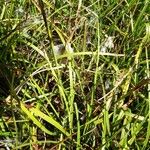
Eriophorum angustifolium
Common cotton-grass · Tall Cotton-Grass · Tassel Cottongrass · Tall cottongrass · Common cottongrass
Description
Source: leafsnapEriophorum angustifolium, commonly known as common cottongrass or common cottonsedge, is a species of flowering plant in the sedge family, Cyperaceae. Native to North America, North Asia, and Northern Europe, it grows on peat or acidic soils, in open wetland, heath or moorland. It begins to flower in April or May and, after fertilisation in early summer, the small, unremarkable brown and green flowers develop distinctive white bristle-like seed-heads that resemble tufts of cotton; combined with its ecological suitability to bog, these characteristics give rise to the plant's alternative name, bog cotton. Eriophorum angustifolium is a hardy, herbaceous, rhizomatous, perennial sedge, able to endure in a variety of environments in the temperate, subarctic and arctic regions of Earth. Unlike Gossypium, the genus from which cotton is derived, the bristles which grow on E. angustifolium are unsuited to textile manufacturing. Nevertheless, in Northern Europe, they were used as a substitute in the production of paper, pillows, candle-wicks, and wound-dressings. The indigenous peoples of North America use the plant in cooking and in the treatment of digestive problems. Following a vote in 2002, Plantlife International designated E. angustifolium the County Flower of Greater Manchester, as part of its British County Flowers campaign.
Care Guide
💧 Water
Cotton grass thrives in wetland habitats, where it prefers consistent moisture and can tolerate brief periods of water saturation. To ensure optimal growth, watering it once a week is essential. Typically grown outdoors, cotton grass is perfect for rain gardens and regions that experience seasonal flooding, thanks to its adaptability to changing water levels.
How should I water my Cotton grass?
To properly water Cotton grass, it is recommended to use filtered water at room temperature. Tap water may contain harmful particles for the plant's health. This is because Cotton grass originates from a warm environment and cold water can be stressful for it. Avoid watering from above as it can cause issues with the foliage. Instead, water the soil directly with filtered room temperature water until it is completely soaked. This method benefits the plant by providing moisture to the roots and facilitating the spread of nutrients in the soil.
What should I do if I give my Cotton grass too much water or too little water?
Overwatering is a more common issue for Cotton grass and can cause wilting, yellowing leaves, and diseases like root rot, mold, and mildew. Underwatering is less common but can result in brittle, brown leaves. It's important to recognize the signs of overwatering early because some of the diseases may be irreversible if not addressed promptly. Reduce watering if you see early signs and consider replacing poorly draining soil. If the signs indicate underwatering, simply water more regularly until the symptoms improve.
How often do I need to water my Cotton grass?
If your Cotton grass is in a pot, the best way to determine if it needs water is by sticking your finger into the soil. If the top two to three inches of soil are dry, it's time to water it. If you have Cotton grass growing outside in the ground, you can use a similar method to check the soil. When the top few inches of the soil have dried out, it's time to water. Usually, during spring and early fall, watering once a week is sufficient. However, during hot weather, you may need to water twice a week or more. It's worth noting that mature, well-established Cotton grass can handle drought conditions well.
How much water does my Cotton grass plant need?
To properly water your Cotton grass, it is important to be generous with the amount of water you give. Make sure the top two to three inches of soil are dry before watering, and then give the plant a thorough soaking. The goal is to saturate the soil completely, enough that excess water drains out through the pot's drainage holes. If you don't see any excess water draining, you have likely not watered enough. However, be careful not to let water accumulate in the soil, as that can harm the plant. On the other hand, if water is not draining at all, it could be a sign of poorly draining soil which is not beneficial. If the plant is outdoors, around 1 inch of rain per week will be sufficient.
How should I water my Cotton grass when it is growing at different stages?
Depending on the growth stages, the water requirements of Cotton grass can vary. In the first few years of its life or when it has been recently transplanted to a new location, it will need more water than usual. During these stages, the focus of the plant is on developing new roots to support future growth, and these roots benefit from slightly more moisture. However, as the plant matures over a few seasons, its water needs decrease. Additionally, during the bloom period, the plant may require additional water as the development of flowers consumes a significant amount of moisture.
☀️ Light Full sun
Cotton grass grows best in plentiful sunlight, favoring spots that receive full light. This boosts its rate of growth. In areas with diminished light it can persist, although its growth may be reduced. Both excessive light exposure and insufficient sunlight can adversely affect its development.
What are the sunlight requirements for Cotton Grass (Eriophorum angustifolium)?
Cotton Grass thrives best under abundant sunshine, requiring above 6 hours of sunlight for full sun conditions. In partial sun conditions, it needs about 3-6 hours of sunlight. However, it's important to watch how sunlight moves through your garden, choosing spots that provide a perfect balance of light and shade ensuring the plant's happiness. In habitats with scarcer light, Cotton Grass can survive, albeit with potentially compromised growth. Both over-exposure and insufficient sunlight have negative impacts on its development.
How can artificial lighting be used for indoor Cotton Grass plants?
Indoor Cotton Grass plants require adequate lighting to grow optimally. When natural sunlight is inadequate, artificial lights are vital, promoting healthier, faster growth. LED lights are preferred due to their ability to offer specific wavelengths needed by plants. Full sun plants need 30-50W/sq ft, partial sun plants 20-30W/sq ft, and full shade plants 10-20W/sq ft of artificial light. The light source should be placed 12-36 inches above the plant, mimicking natural sunlight as closely as possible, for 8-12 hours per day.
What are the symptoms of inadequate lighting for Cotton Grass?
Cotton Grass shows several symptoms when exposed to inadequate lighting, including smaller new leaves, leggy or sparse growth, early leaf drop, slower or halted growth, pale new leaves, and signs of chlorosis. Overexposure symptoms include sunscald, leaf curling, wilting, and leaf scorching. These symptoms indicate the plant's struggle with either too little or too much light, affecting its health and development significantly.
What solutions are available to address lighting issues for Cotton Grass?
To address lighting issues, gradually increase sunlight exposure for Cotton Grass by moving plants to sunnier locations each week until they receive at least 6 hours of sunlight daily. For indoor plants, using a south-facing window or artificial lights like desk or ceiling lamps or professional grow lights for at least 8 hours a day can help. For outdoor plants, avoid sudden light intensity changes to prevent sunburn. Reducing obstructions and transplanting during the dormant period can also improve sunlight access. Note that parts of the plant affected by inadequate sunlight may not recover, but new growth should be healthy with improved light conditions.
🌡️ Temperature 5–32.2°C
Cotton grass naturally occurs in habitats where temperatures fluctuate between 41 to 89.6 °F (5 to 32 ℃). Its preferred temperatures fall within this span, so it does best under those conditions. Seasonal adjustments should be aligned with these requirements to ensure optimal growth.
What are the optimal temperature conditions for cotton grass?
Cotton grass, scientifically known as Eriophorum angustifolium, thrives in environments that experience temperature fluctuations between 41 to 89.6 °F (5 to 32 °C). These temperature preferences suggest that cotton grass grows best under conditions that fall within this range. It's important to adjust care seasonally to align with these temperature requirements, ensuring the plant's optimal growth. Notably, cotton grass possesses strong cold resistance, making special frost protection measures usually unnecessary during winter. However, in exceptionally cold winters where temperatures are expected to drop below -30°C, providing cold protection by covering the plant with materials like soil or straw is recommended. Additionally, watering the plant abundantly before the first autumn freeze can help keep the soil moist and freeze in a state that prevents drought and water scarcity for the plant during the winter and early spring.
How does cotton grass react to low temperatures?
Cotton grass is notably cold-tolerant, ideally thriving in temperatures above 5°C. During the winter months, it should be kept in conditions above -25°C. If temperatures fall below -30°C, there may not be noticeable changes in the plant during the winter. However, a significant decrease in springtime sprouting may occur, or the plant may not sprout at all. To manage these conditions, it's advised to remove any parts of the plant that have failed to sprout in the spring, aiding its recovery and promoting healthy growth.
What should be done if cotton grass is exposed to high temperatures?
In the summer, cotton grass should ideally be kept below 32°C to avoid heat stress. Exposure to temperatures exceeding 35°C can lead to the plant's leaves becoming lighter in color, curling, and becoming susceptible to sunburn. In severe cases, the plant might wilt and dry up entirely. To combat these effects, it's recommended to trim away the sunburned and dried portions of the plant. Moving the plant to a shaded location or employing a shade cloth to protect it from the midday and afternoon sun can prevent further damage. Additionally, watering the plant in the morning and evening will help maintain soil moisture and support the plant's health during high temperatures.
💨 Humidity
🪴 Soil
🌱 Fertilizer
For optimal growth, cotton grass needs a balanced fertilizer that is rich in nitrogen, phosphorus, and potassium. During the growing season, apply a diluted mixture of this fertilizer once a month. Reduce the amount of fertilizer in the winter months. Be careful not to over-fertilize, as this can cause root burn. Adjust the quantity as the cotton grass matures. Always use gloves and follow the package instructions for safe application.
Why should I put fertilizer on my Cotton grass?
Cotton grass depends on its leaves for its structure. Fertilization is crucial for healthy leaves and their function. Proper fertilization maintains the color and texture of the leaves. It also supports root growth and maintenance, allowing the plant to absorb soil nutrients effectively both now and in the future.
When should I fertilize my Cotton grass for the best results?
If you grow Cotton grass outdoors, it will send new growth in spring. This is a sign to start fertilizing. Usually, a single application of fertilizer is sufficient. But if you want maximum growth, you can fertilize multiple times in spring and early summer. Feed every month to a month and a half if you choose this option.
When is not a good time to fertilize my Cotton grass?
During the late fall and winter, your Cotton grass will become dormant and stop producing new growth. Therefore, it is not recommended to fertilize your Cotton grass during this period. If you choose to fertilize during the spring and summer, you should start decreasing the amount of fertilizer as summer approaches because the growth rate of your Cotton grass will also slow down. Generally, it is not advisable to fertilize your Cotton grass during extremely hot weather or when the soil is excessively dry. Fertilizing in these conditions can cause stress to your Cotton grass and lead to premature death.
What kind of fertilizer does my Cotton grass need?
Choosing the best fertilizer for a Cotton grass is actually quite simple. These plants thrive on a general-purpose garden fertilizer that has equal amounts of nitrogen, phosphorus, and potassium. So, look for a fertilizer with a ratio of 10-10-10 or something similar. Avoid fertilizers with high levels of nitrogen if you're unsure. The most effective fertilizers for Cotton grass usually come in a granular form, which are easy to apply. Go for slower-release options. Additionally, incorporating organic soil amendments like compost can also be beneficial for feeding your Cotton grass.
How can I help you fertilize your Cotton grass?
To ensure proper care for your Cotton grass, wait until early spring when you notice the first leaves emerging from the soil's surface. At this point, you can apply a balanced slow-release fertilizer to the soil around the base of the plant. If desired, you can repeat this process later in the season. Remember to always apply the fertilizer to the soil and not directly to the plant. You may need to move some leaves to access the soil above the roots. Additionally, it is beneficial to water your Cotton grass before and after fertilizing.
🪴 Pot & Repot
✂️ Pruning
Cotton grass is a perennial plant known for its unique fluffy seed heads. To promote healthy growth and prevent overcrowding, it's best to prune this plant from early to late spring. Trim any damaged stems at ground level to improve air circulation and reduce the risk of disease. Be sure to follow horticultural guidelines for effective pruning techniques.
🌿 Propagating
🐛 Diseases & pets
☠️ Toxicity
Characteristics
- Plant Type
- Herb
- Life Cycle
- Perennial
- Genus
- Eriophorum
- Family
- Cyperaceae
- Hardiness Zone
- 4-8
- Mature Height
- 0.2 m to 1.07 m
- Mature Spread
- 1.52 m
- Leaf Color
- Green
- Leaf Type
- Evergreen
- Flower Color
- White
- Flower Size
- 2.54 cm to 7.62 cm
- Bloom Time
- Late spring, Early summer
- Planting Time
- Spring
- Harvest Time
- Mid summer, Late summer