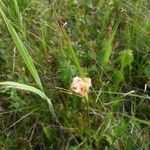
Eriophorum virginicum
Tawny Cotton-Grass · Tawny cottongrass · Virginia Cottongrass
Description
Source: wikipedia (CC BY-SA)Eriophorum virginicum, the tawny cottongrass, is a species of flowering plant in the sedge family Cyperaceae. It is native to eastern North America but was introduced into both British Columbia and Washington in western North America. It is most common in eastern Canada, New England, and the Great Lakes region. It is the only species of Eriophorum in North America that occurs in the southeastern United States, where it is uncommon. The common name refers to the tawny color of its fruiting head. Despite the name, it is a sedge, not a grass, and it is sometimes called tawny cottonsedge to emphasize this fact.
Care Guide
💧 Water
Tawny cottongrass thrives in high-humidity environments and is commonly found in wetlands. For optimal growth, it needs to be watered weekly. This hardy herbaceous perennial is well-adapted to waterlogged conditions, showcasing its resilience without favoring drought or excessive moisture.
☀️ Light Full sun
Tawny cottongrass needs a substantial amount of sunlight to achieve optimal growth and maintain good health. Its origins in open, sunlit habitats reflect this requirement. Both excessive and inadequate light exposure will inevitably affect its wellbeing. It can, however, endure periods of reduced solar exposure without compromising its growth stages.
What are the sunlight requirements for Tawny Cottongrass?
Tawny Cottongrass (Eriophorum virginicum) thrives in regions with generous sunlight, preferring full sun conditions with over 6 hours of sunlight daily, but can also adapt to partial sun, receiving about 3-6 hours of sunlight. This adherence to sun-drenched environments is crucial for its optimal growth and health. It's important to observe your garden's light patterns to ensure that your plants are placed in areas that offer a balanced exposure to light and shade, enhancing their overall happiness and development.
How essential is sunlight for the health of Tawny Cottongrass?
Sunlight is fundamentally essential for the health and growth of Tawny Cottongrass. Originating from open, sunlit areas, it requires a substantial amount of sunlight to flourish. Insufficient or excessive sunlight exposure can negatively impact its well-being. However, during periods of reduced solar exposure, Tawny Cottongrass shows resilience and can continue its growth phases without significant compromise. For indoor plants, adequate lighting, possibly supplemented by artificial lights, is vital, especially in conditions where natural sunlight is not enough.
What are the recommended artificial lighting solutions for Tawny Cottongrass?
Artificial lighting can play a crucial role in ensuring the growth and health of Tawny Cottongrass when natural sunlight is insufficient, especially indoors, during winter, or in less sunny locales. LED lights are recommended due to their ability to provide specific light wavelengths needed by plants. Full sun plants require 30-50W/sq ft, partial sun plants 20-30W/sq ft, and full shade plants 10-20W/sq ft of artificial light. Place the light source 12-36 inches above the plant to simulate natural sunlight and ensure the plants receive 8-12 hours of light per day.
What symptoms indicate a Tawny Cottongrass light deficiency?
Symptoms of light deficiency in Tawny Cottongrass include smaller new leaves, leggy or sparse growth, faster leaf drop, slowed or halted new growth, paler new leaves, chlorosis, sunscald, leaf curling, wilting, and leaf scorching. These symptoms reflect the plant's struggle in low light conditions, showing adaptations like elongated stems or reduced leaf size to conserve resources, and in cases of excessive sunlight, protective measures such as leaf curling or the development of conditions like chlorosis or sunscald.
What solutions can improve Tawny Cottongrass's light exposure?
To optimize Tawny Cottongrass's light exposure, gradually adjust the plant's location to increase sunlight exposure to at least 6 hours daily, using south-facing windows for indoor plants, and considering artificial light for additional supplementation. Outdoors, slowly transition plants to sunnier spots while monitoring to prevent sunburn, and remove obstructions like overly dense branches that may block sunlight. For ground plants, consider transplanting during dormant periods to locations with better sunlight and drainage, ensuring a healthier growth environment.
🌡️ Temperature 0–25°C
Tawny cottongrass is native to regions where temperatures are roughly 32 to 77 °F (0 to 25 ℃). It prefers cool to moderate climates. Adjusting temperature conditions between seasons may be necessary to more closely mimic its native habitat.
What is the native climate for Tawny cottongrass?
Tawny cottongrass (Eriophorum virginicum) thrives in areas that experience temperature ranges of 32 to 77 °F (0 to 25 °C). It is best suited to cool to moderate climates. To ensure its health and growth, it might be necessary to adjust temperature conditions seasonally to replicate its native habitat conditions closely.
Is Tawny cottongrass frost-resistant?
Yes, Tawny cottongrass is highly tolerant to cold conditions and doesn't require additional frost protection measures during the winter months. Nonetheless, it is advisable to water the plant generously before the first freeze in autumn. This pre-freeze watering helps the soil remain moist as it enters a frozen state, which prevents drought and water scarcity for the plant during the winter and into early spring.
What should be done if Tawny cottongrass experiences extreme cold below -40°C?
While Tawny cottongrass is extremely cold-tolerant, it should not be exposed to temperatures below -40°C. Exposure to such extreme cold might not immediately show noticeable changes during winter, but it can lead to decreased sprouting or a complete lack of sprouting in spring. If this occurs, it's recommended to remove any parts of the plant that have failed to sprout in the spring.
How does Tawny cottongrass react to high temperatures?
Tawny cottongrass does not tolerate high temperatures well. When the temperature exceeds 25°C, its growth may cease, and the plant becomes more prone to rot. To mitigate such conditions, it's advisable to trim away any sunburned and dried-up parts of the plant. Moving it to a shaded location or creating shade with a cloth, especially during the midday and afternoon sun, can be highly beneficial. Additionally, watering the plant in the morning and evening can help maintain soil moisture.
💨 Humidity
🪴 Soil 4-6
🌱 Fertilizer
Tawny cottongrass needs extra nutrients to encourage healthy new growth. In spring, applying compost around the base of the plant will supply the necessary nutrition. Fertilizing supports vigorous growth and improves the plant's resistance to diseases and pests.
🪴 Pot & Repot
✂️ Pruning
To keep tawny cottongrass healthy and looking its best, prune it in early spring by removing the old stems. This encourages vigorous growth and helps maintain its ornamental value. Pruning also improves air circulation and decreases the risk of disease. For the best results, use sharp, clean tools. Be sure to consult local guidelines for specific care recommendations.
🌿 Propagating
🐛 Diseases & pets
☠️ Toxicity
Characteristics
- Plant Type
- Grass
- Life Cycle
- Perennial
- Genus
- Eriophorum
- Family
- Cyperaceae
- Hardiness Zone
- 2-6
- Mature Height
- 30 cm to 61 cm
- Mature Spread
- 30 cm to 46 cm
- Leaf Color
- Green
- Leaf Type
- Deciduous
- Flower Color
- White
- Flower Size
- 2.54 cm to 7.62 cm
- Bloom Time
- Early summer, Mid summer
- Planting Time
- Spring, Summer, Autumn
- Harvest Time
- Late summer, Early fall, Mid fall