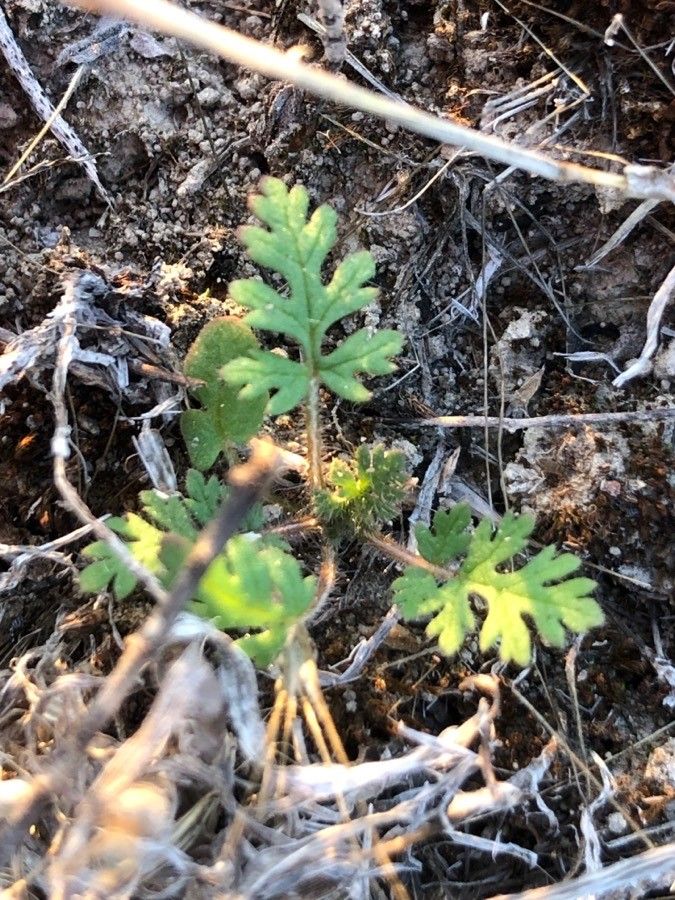
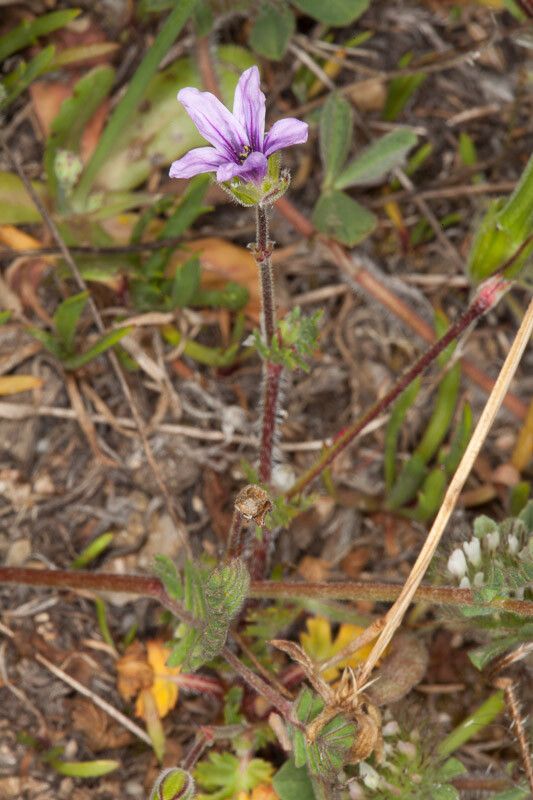
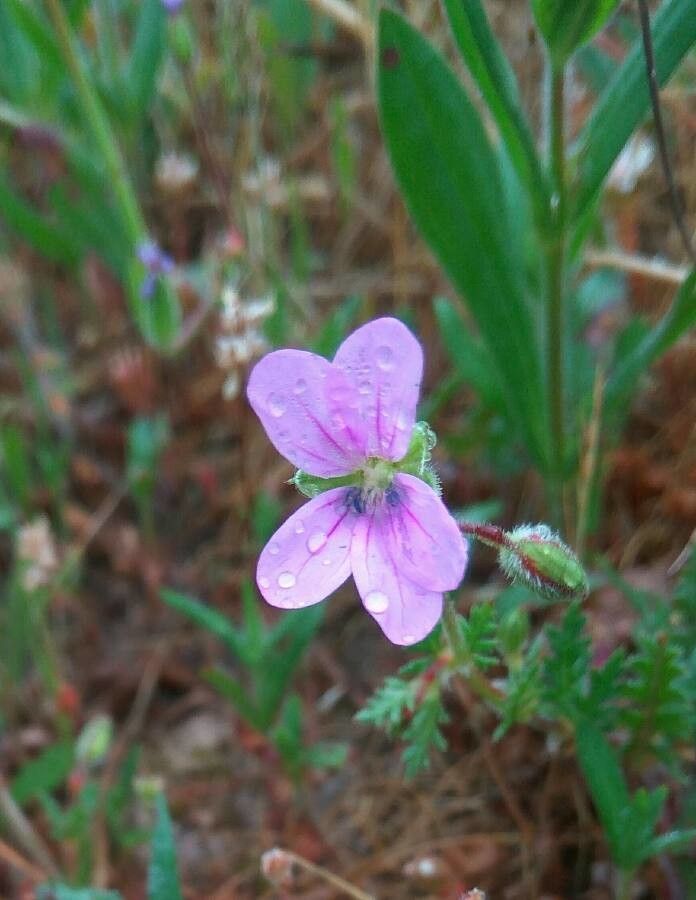
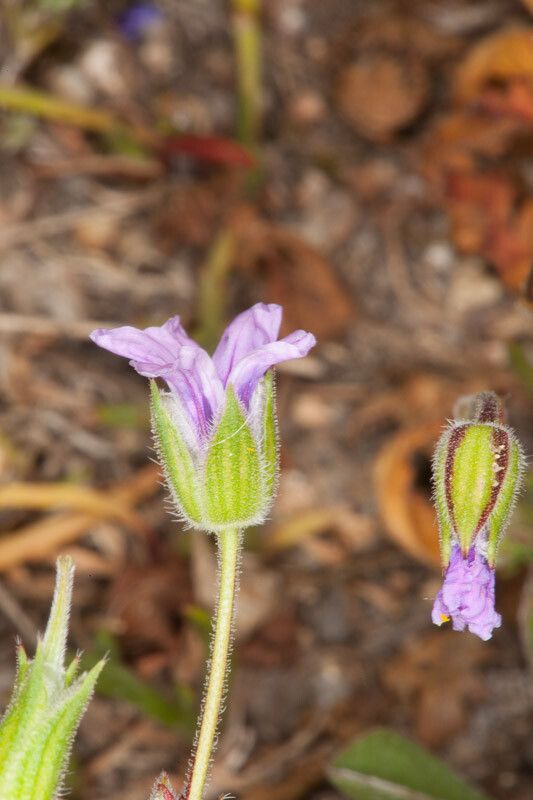
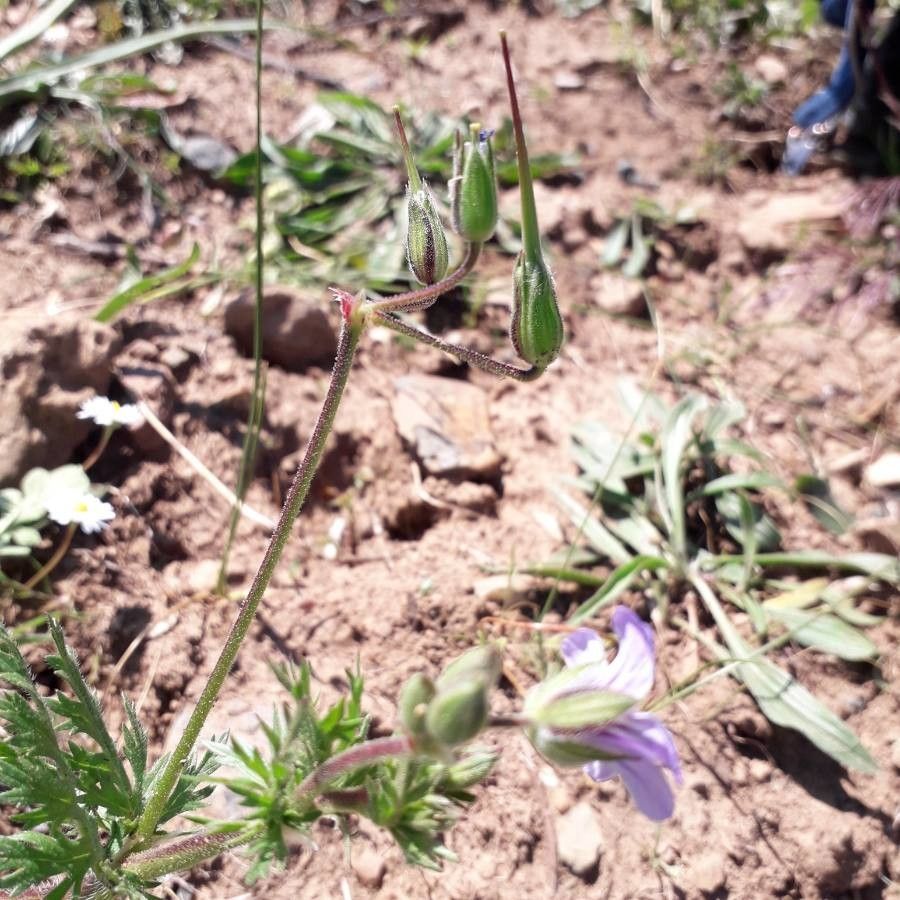
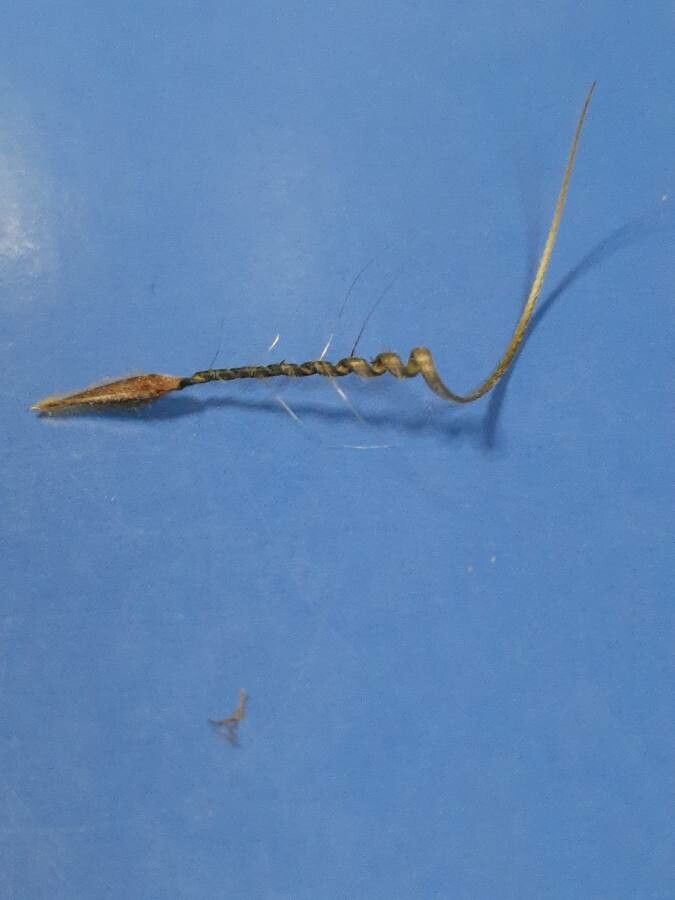
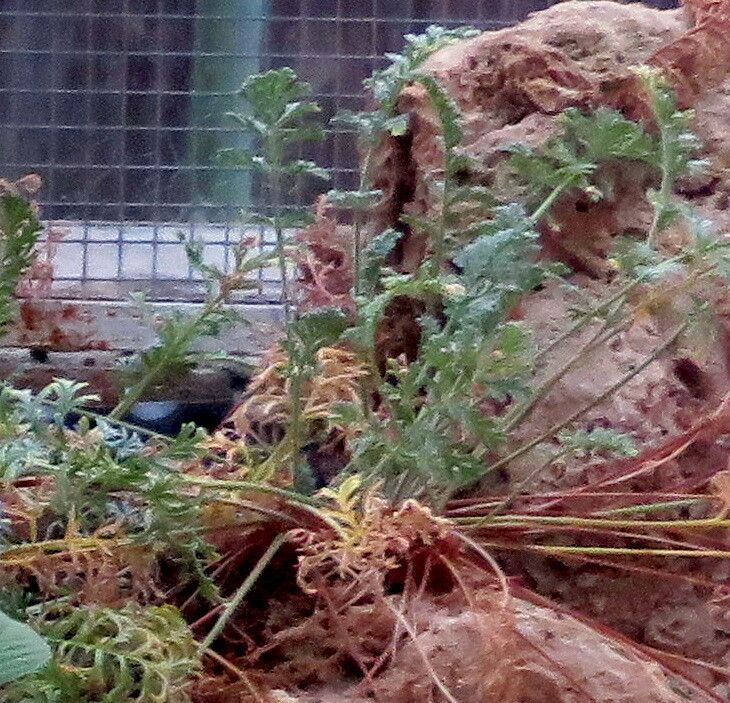
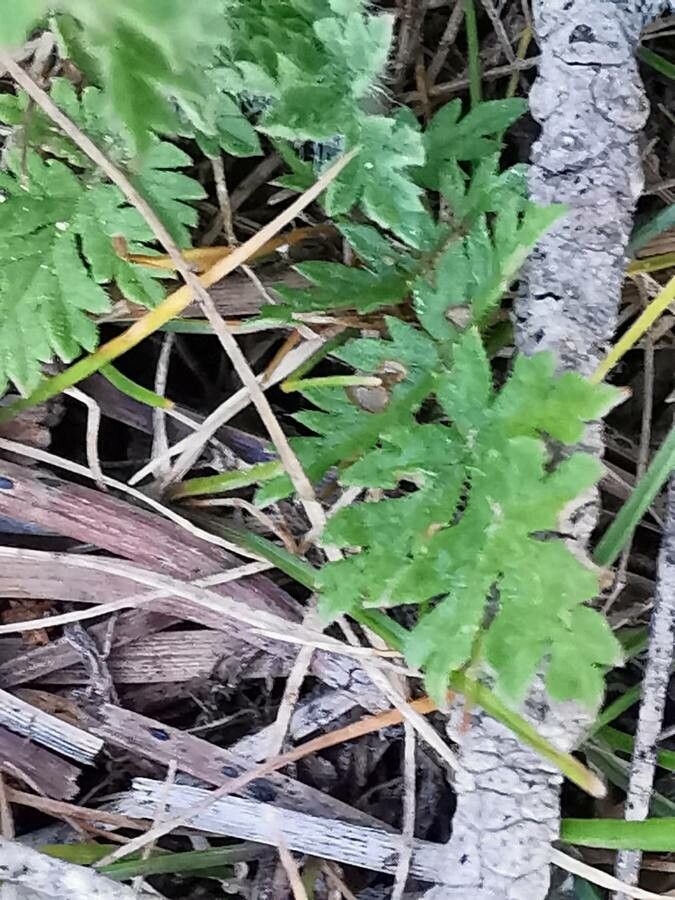
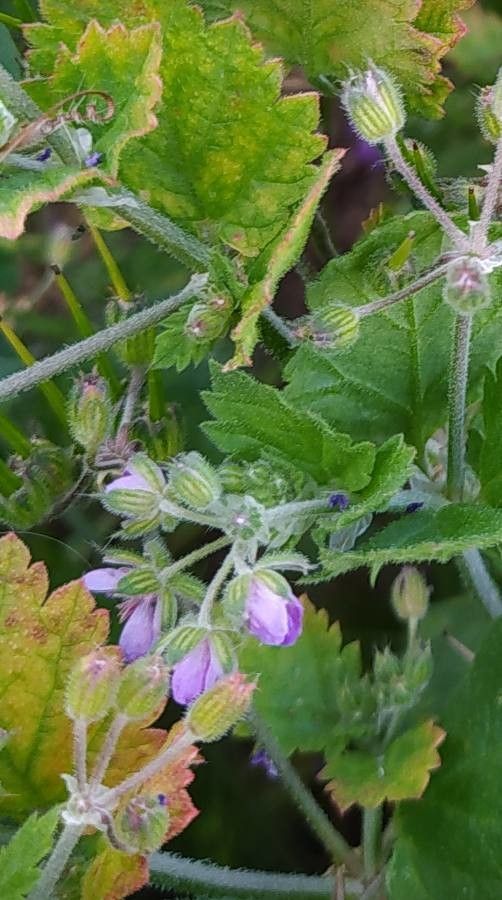
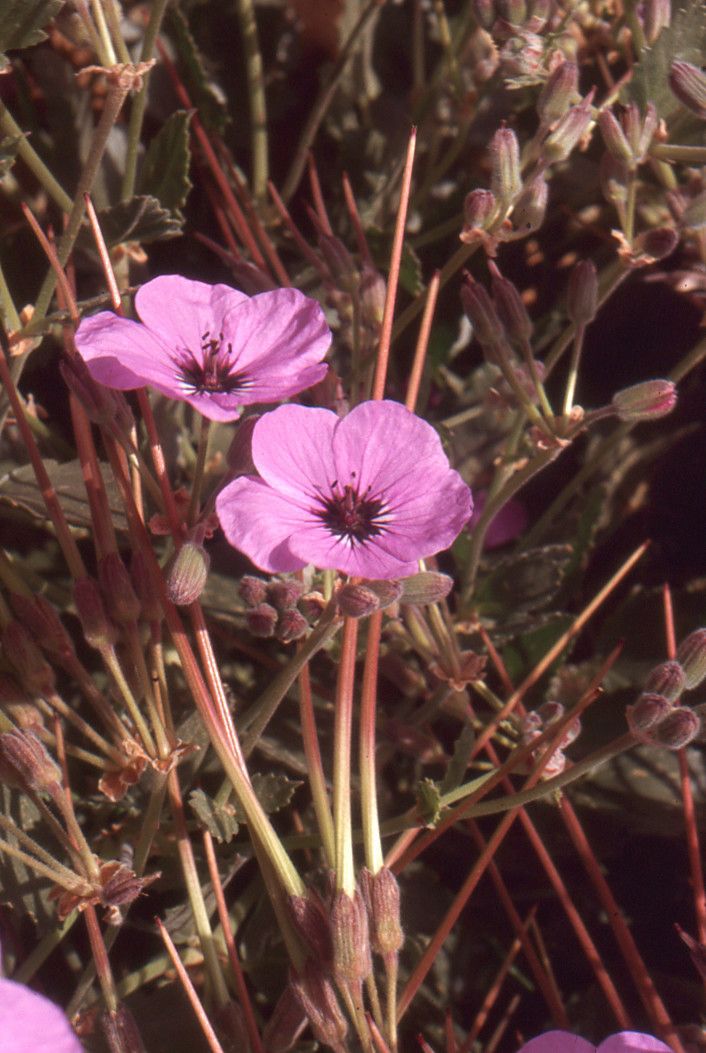
Erodium botrys is a species of flowering plant in the geranium family known by the common names longbeak stork's bill, Mediterranean stork's-bill and broadleaf filaree.
Broadleaf filaree is fairly disease-resistant and generally not prone to illnesses. However, it can be vulnerable to pests and diseases present in its surroundings. These infections are usually mild. In terms of care, this plant requires moderate maintenance. It should be pruned regularly to maintain a neat appearance and healthy growth. Fertilizing can also help encourage flowering. Broadleaf filaree is suitable for anyone with outdoor space, such as a garden or patio, and does not require much care experience. It may need more attention when grown indoors.
How to keep Erodium Botrys.
Light
Broadleaf filaree does best in full sun and has a strong tolerance for conditions without shade. It comes from habitats with abundant sunlight, which is necessary for the plant’s healthy development and survival. Both too much and too little sunlight can adversely affect its vigorous growth.
Water
Broadleaf filaree flourishes in Mediterranean climates, as it is well-adapted to dry conditions. This plant prefers drier environments, yet it benefits from weekly watering to stay healthy, without becoming oversaturated. Often grown outdoors, broadleaf filaree aligns its growth cycle with seasonal rains to ensure optimal water availability.
Temperature
Broadleaf filaree originates from regions with a temperate climate and prefers temperatures of 68 to 95°F (20 to 35℃). Ideally, in summer aim toward the higher end of this range, while winter conditions should be slightly cooler.
Fertilizer
Broadleaf filaree does well with regular, low-strength fertilizer applications to encourage healthy leaf development. You should apply fertilizer about once a month during the summer. Nitrogen is important for foliage, and providing nitrogen-rich sources helps Broadleaf filaree flourish.
Pruning
Broadleaf filaree flourishes with regular pruning, which is best carried out from early to late spring. By removing dead or diseased stems, you can enhance airflow and shape the plant more effectively. Light pruning encourages healthier foliage and more vibrant blooms. To minimize the risk of damage and infection, always use clean, sharp tools.
Botanical profile.
- Plant Type
- Herb
- Life Cycle
- Annual, Biennial
- Genus
- Erodium
- Family
- Geraniaceae
- Hardiness Zone
- 8
- Mature Height
- 15 cm to 91 cm
- Mature Spread
- 15 cm to 30 cm
- Leaf Color
- Green, Red
- Leaf Type
- Deciduous
- Flower Color
- Pink
- Flower Size
- 1.02 cm
- Bloom Time
- Spring
- Planting Time
- Autumn
- Harvest Time
- Late spring, Early summer, Mid summer
- Native Area
- Turkey, Sweden, Tunisia, Cyprus, Bulgaria, Greece, Morocco, Belarus, Lebanon, Russia, Norway, Iraq, Portugal, Syria, Jordan, Italy, Spain, Switzerland, Israel, France, Algeria, Netherlands
Other names.
Reader questions.
How should I water my Broadleaf filaree?
There are different ways to water Broadleaf filaree, such as using a garden hose with a spray nozzle, a watering can, or any other common watering tool. This plant is not too particular about the type of water it receives, as it can thrive with rainwater, tap water, or filtered water. However, it is best to avoid watering this plant from above, as it can harm the leaves and flowers and increase the risk of disease. A drip irrigation system is often the most effective method for watering Broadleaf filaree, as it distributes water evenly and directly to the soil. If you have a container-grown Broadleaf filaree, you can use a cup, watering can, or tap to water it directly at the soil level.
What are the sunlight requirements for Broadleaf filaree?
Broadleaf filaree requires full exposure to the sun, thriving best with more than 6 hours of sunlight daily. It's essential for its growth and survival to have ample sunlight, as its natural habitat is abundant in light. In your garden, observe the movement of sunlight to find spots that ensure a good balance of light and shade, catering to the plant's needs effectively.
What is the ideal temperature range for growing Broadleaf filaree?
Broadleaf filaree, or Erodium botrys, thrives in moderate climates with ideal temperatures ranging between 68 to 95°F (20 to 35°C). During the summer months, it's beneficial to keep the plant towards the higher end of this temperature spectrum, while in winter, a slightly cooler climate is preferable. This plant exhibits strong resistance to cold, typically rendering special frost protection measures unnecessary. However, in regions where winter temperatures might plummet below -10°C, implementing cold protection by covering the plant with soil or straw is advisable. Additionally, ample watering before the first autumn freeze to maintain moist soil can help the plant through the winter and early spring by preventing drought and water scarcity.
What should I do if I give too much or too little water to my Broadleaf filaree plant?
If you notice your Broadleaf filaree plant is lacking moisture, the solution is simple: water it more regularly. However, overwatering can be a serious problem that can lead to diseases and the eventual decline and death of the plant. To prevent this, choose a suitable location for growth that receives plenty of sunlight and has good drainage to avoid waterlogged soil. If you have overwatered your Broadleaf filaree in a pot, consider transferring it to a new pot with proper drainage. When repotting, use loose soil and a pot that drains efficiently.
How can artificial lighting support the growth of indoor Broadleaf filaree plants?
For indoor Broadleaf filaree plants, artificial lighting is crucial, especially when natural sunlight is insufficient. LED lights are recommended due to their ability to provide specific wavelengths needed for plant growth. Full sun plants require 30-50W/sq ft, partial sun 20-30W/sq ft, and full shade plants 10-20W/sq ft of light. The light source should be placed 12-36 inches above the plant, mimicking natural sunlight's distance, and plants typically need 8-12 hours of light per day.
How does Broadleaf filaree respond to low winter temperatures?
Broadleaf filaree is remarkably cold-tolerant, optimally performing when temperatures remain above 20°C. It's critical to ensure that during winter, temperatures do not fall below 0°C to prevent damage. In circumstances where the mercury dips below -10°C, the plant may not exhibit immediate damage during winter, but there could be a noticeable decrease in sprouting or a complete absence of sprouting in the following spring. To mitigate this, it's recommended to remove any parts of the plant that have failed to sprout as spring arrives.
How frequently do I need to water my Broadleaf filaree?
To keep your Broadleaf filaree healthy, you'll need to water it regularly throughout the growing season. In the spring, watering once a week should suffice. However, as the weather gets hotter, you may have to increase the frequency to two or three times a week. Be careful not to overwater though, as this can harm the plant. It's important to keep the soil moist but not overly wet. When it comes to potted Broadleaf filaree, you'll need to water more often compared to those planted in the ground. The soil in pots tends to heat up and dry out faster, so watering a few times a week is usually necessary.
What symptoms indicate that Broadleaf filaree is not getting enough light?
Symptoms of insufficient light in Broadleaf filaree include smaller new leaves, sparse or leggy growth, faster leaf drop, slower or halted new growth, lighter colored new leaves, and chlorosis. Sunscald, leaf curling, wilting, and leaf scorching are signs of excessive sunlight. These symptoms signal the need to adjust the plant's exposure to light to ensure optimal growth.
How should I care for Broadleaf filaree in high temperatures?
During the hot summer months, it's imperative to ensure that Broadleaf filaree is not exposed to temperatures exceeding 35°C. Should temperatures rise above 38°C, the plant's foliage may start showing signs of stress such as lighter coloration, curling, susceptibility to sunburn, and in severe cases, the entire plant may wilt and dry out. To care for Broadleaf filaree in such conditions, trim away the sunburned and dried parts of the plant. Relocate the plant to a shaded area, especially during the midday and afternoon sun, or utilize a shade cloth. Additionally, maintaining soil moisture by watering the plant in the morning and evening can help alleviate stress from high temperatures.
How much water does my Broadleaf filaree plant need?
There are multiple ways to determine how much water to give your Broadleaf filaree. One approach is to feel the soil for moisture and water until the top six inches feel moist. Another method is using a set measurement, like giving about two gallons of water per week, depending on the temperature and soil dryness. However, following strict guidelines can result in overwatering if your plant needs less water. For container-grown filaree, you should water enough to moisten all dry layers of soil. You can test moisture levels by sticking your finger in the soil or watering until you see excess water draining from the pot's holes.
What are the solutions for Broadleaf filaree's light-related issues?
To address light-related issues in Broadleaf filaree, gradually move plants to receive at least 6 hours of direct sunlight daily, utilizing a south-facing window and keeping curtains open for maximum exposure. If mobility or size is an issue, consider artificial lighting, keeping a light on for at least 8 hours a day or using professional grow lights. Outdoors, adapt plants to sunlight gradually to avoid sunburn. Reduce obstructions like overhanging branches to improve light access or transplant smaller plants during their dormant period to a sunnier location with good drainage. Note that parts of the plant affected by insufficient sunlight may not recover, but new growth will be healthy with improved light conditions.
How do I know if I'm watering my Broadleaf filaree enough?
Broadleaf filaree can be tricky to water properly. On one hand, these plants have deep roots that need to be watered weekly. However, they are also very prone to root rot, which can cause browning of the leaves. Unlike underwatering, overwatering is a bigger concern for these plants. They can survive without extra watering for a while, but if you wait too long, they will start to wilt and the leaves will turn dry.