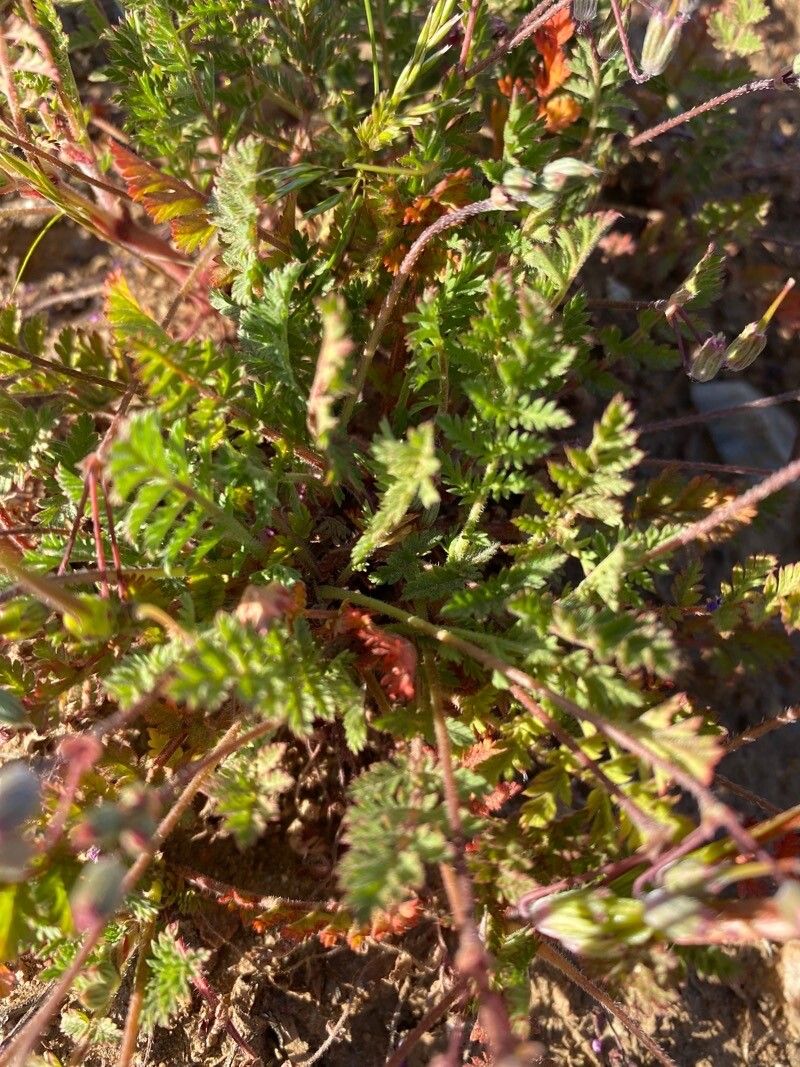
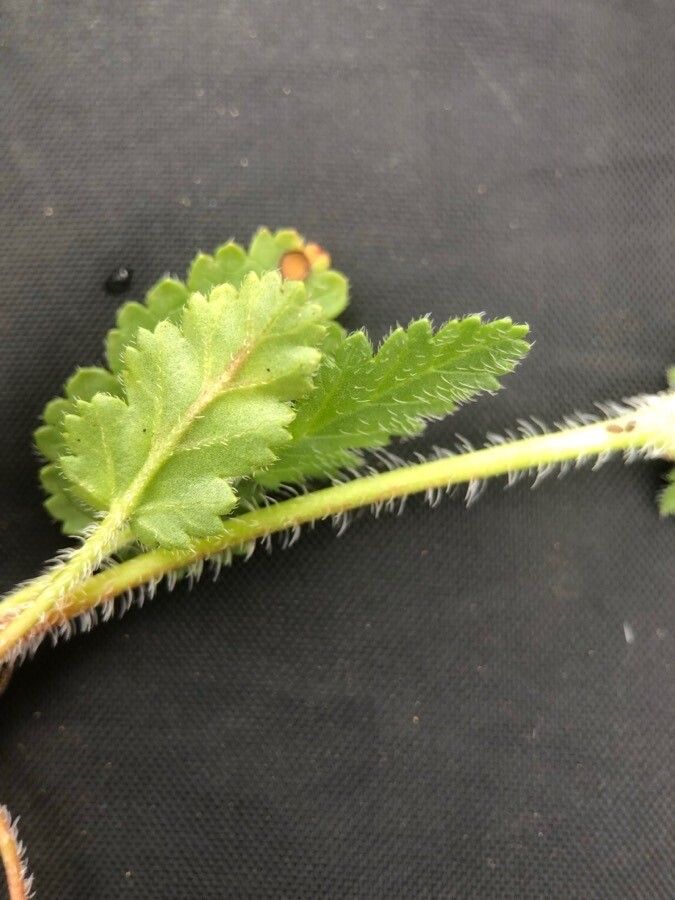
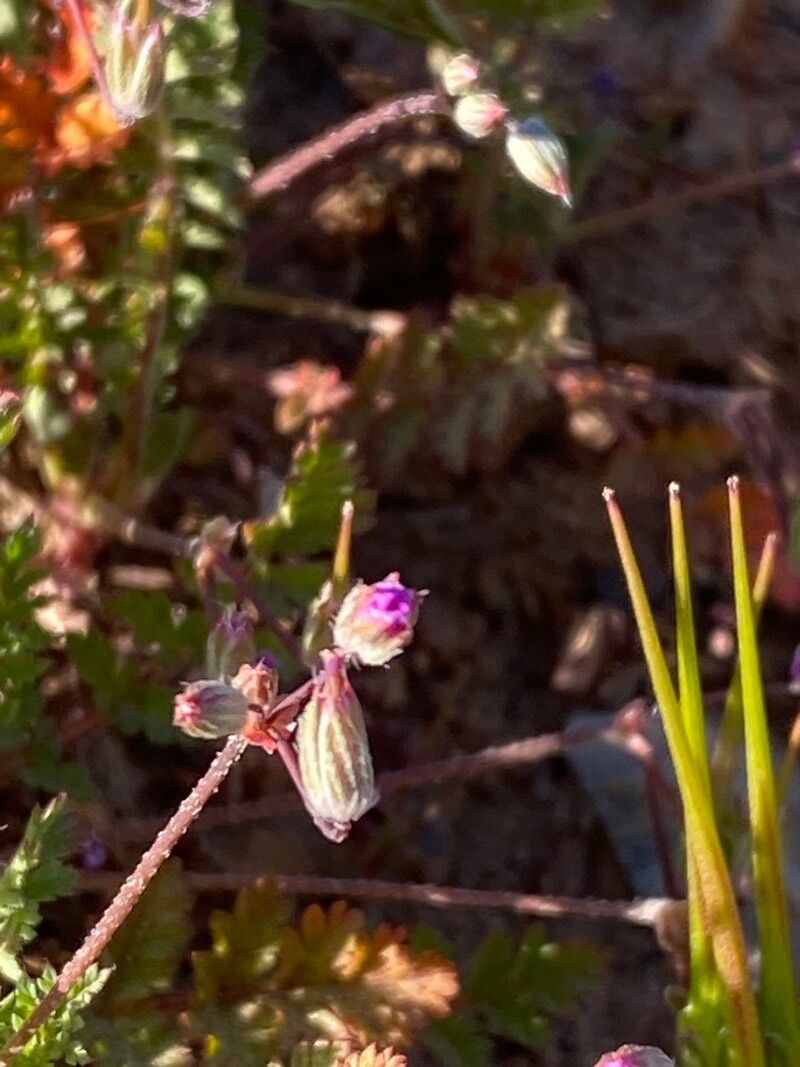
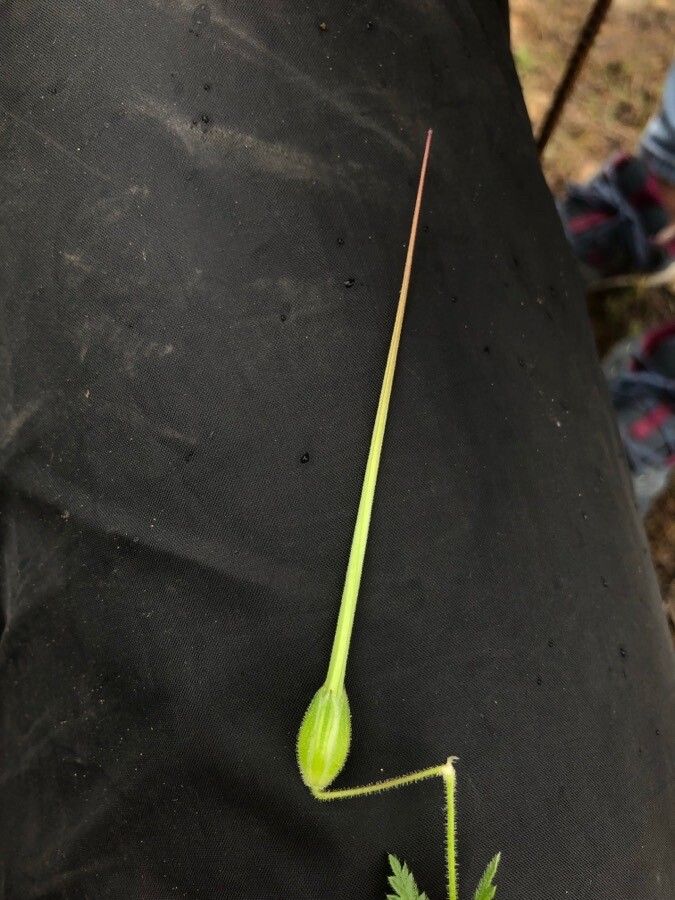
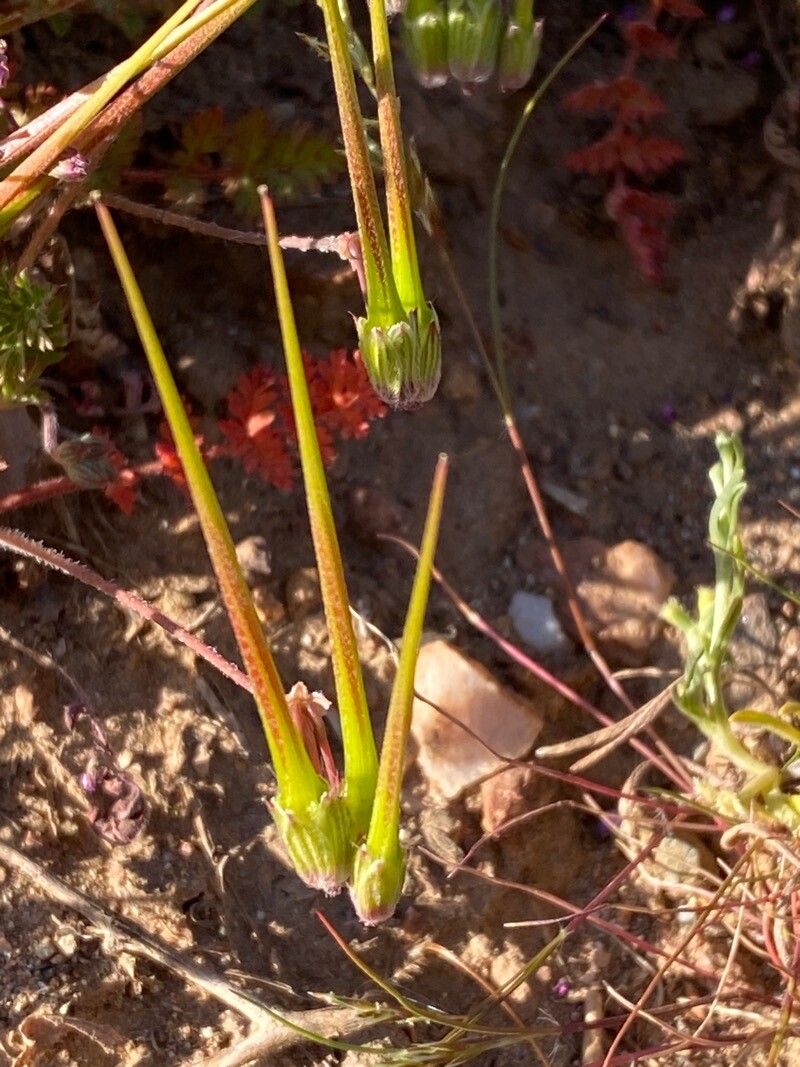
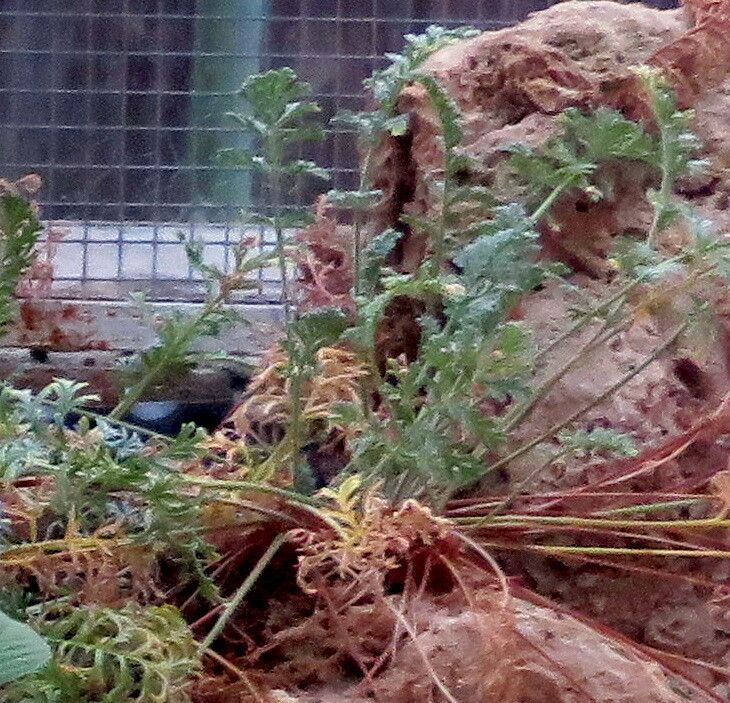
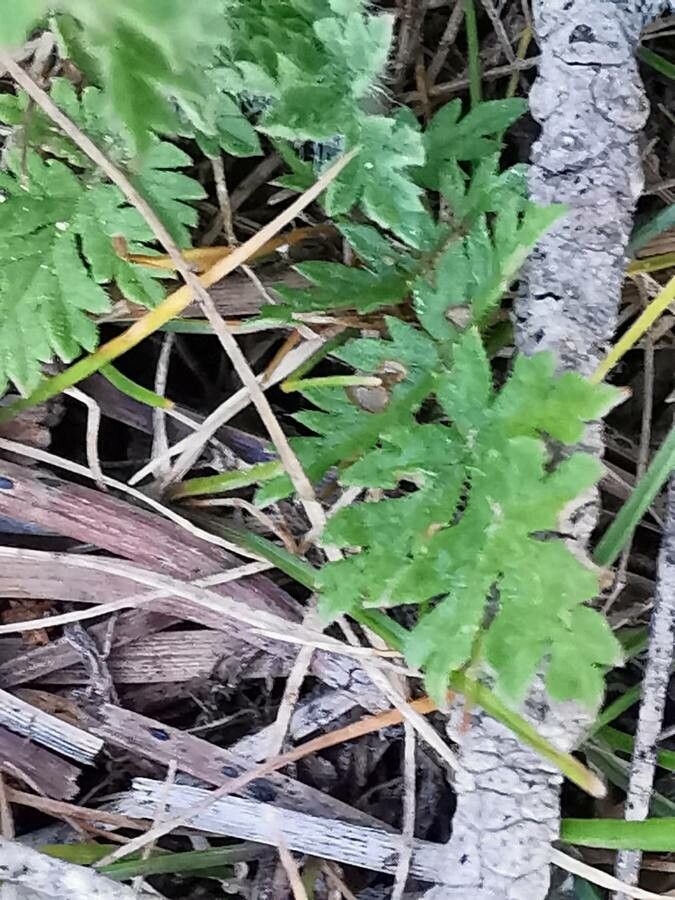
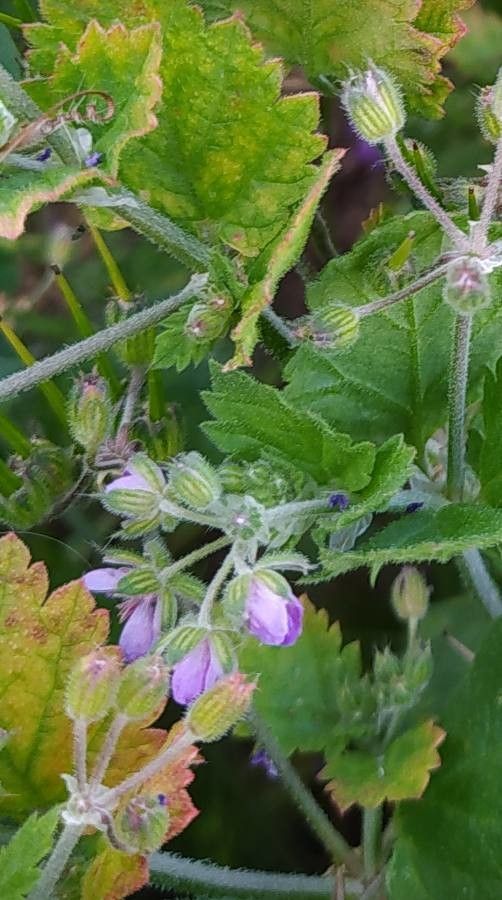
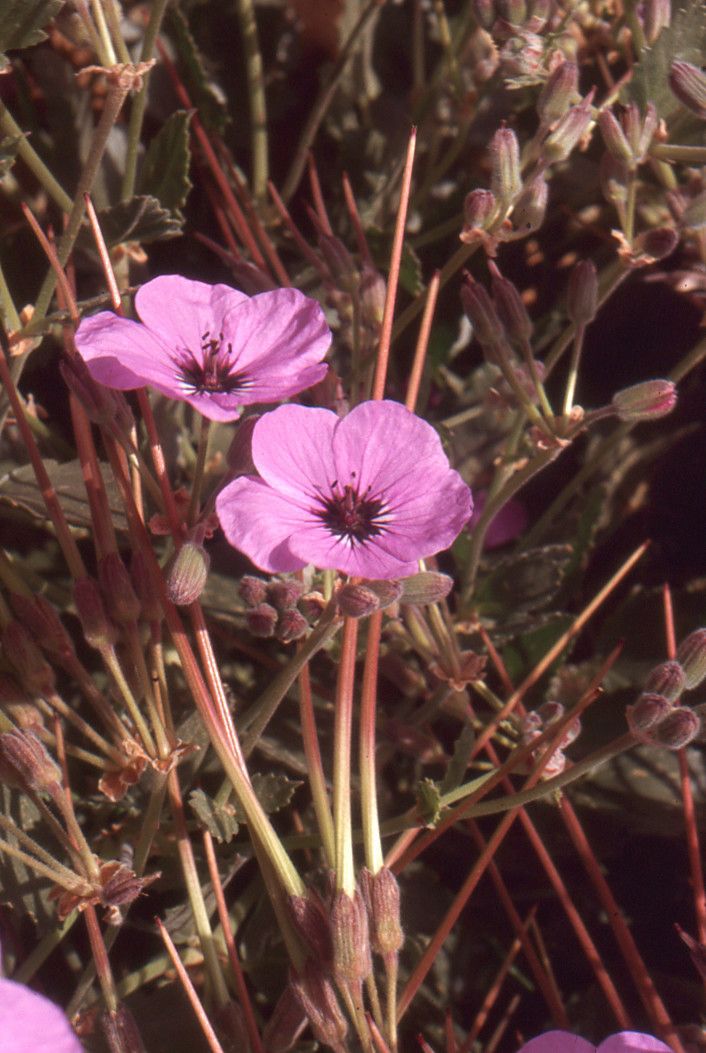
Erodium brachycarpum, commonly known as the Short-Fruit Stork's Bill, is a small herbaceous plant in the Geraniaceae family. Native to North America, it thrives in diverse habitats such as grasslands, meadows, and open woodlands. This plant features a basal rosette of deeply lobed and toothed leaves. Its stem can grow up to 30 cm tall, and it produces small pink or purple flowers that bloom from May to August. The fruit is distinctive, with a short beak-like structure divided into five segments. Traditionally, Native Americans have utilized Erodium brachycarpum for medicinal purposes, treating ailments such as diarrhea and stomach cramps. Additionally, it serves as a crucial food source for wildlife, including deer and rabbits. Overall, Erodium brachycarpum is notable for its unique characteristics within its family. Its medicinal properties add value, and its role in supporting wildlife underscores its ecological importance.
How to keep Erodium Brachycarpum.
Pruning
The Shortfruit Stork's Bill is characterized by its delicate, fern-like leaves and small pink flowers. To encourage healthy growth and maintain its shape, prune the plant in early spring by removing any damaged stems. After it blooms, cut it back to encourage a second wave of flowering. Regular pruning is important not only to control its rapid growth but also to improve air circulation, which is crucial for preventing disease.
Botanical profile.
- Life Cycle
- Annual
- Genus
- Erodium
- Family
- Geraniaceae
Other names.
Reader questions.
What are the sunlight requirements for growing Shortfruit stork's bill (Erodium brachycarpum)?
Shortfruit stork's bill (Erodium brachycarpum) thrives in locations that receive full sun, which translates to areas getting above 6 hours of sunlight daily. It's essential to observe the movement of sunlight through your garden carefully, identifying spots that offer an ideal amount of light and shade to meet the needs of your plants. This careful selection ensures the plants remain healthy and happy.