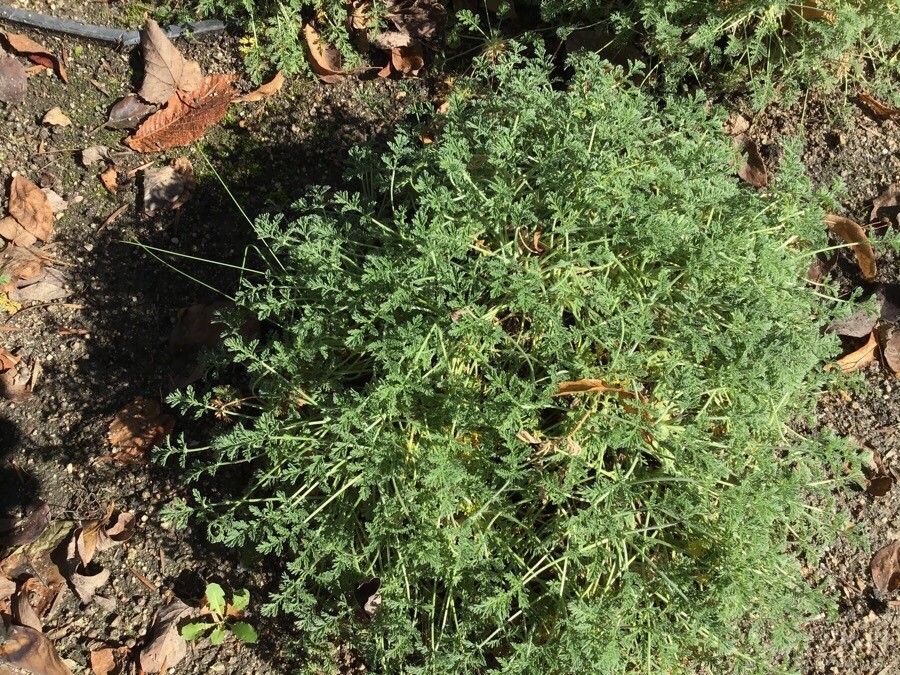
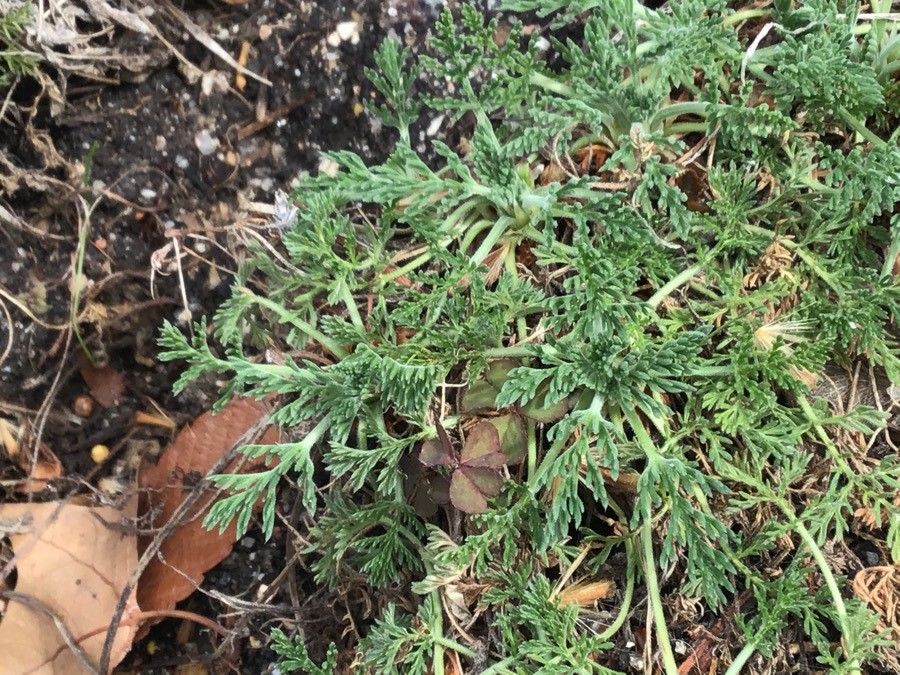
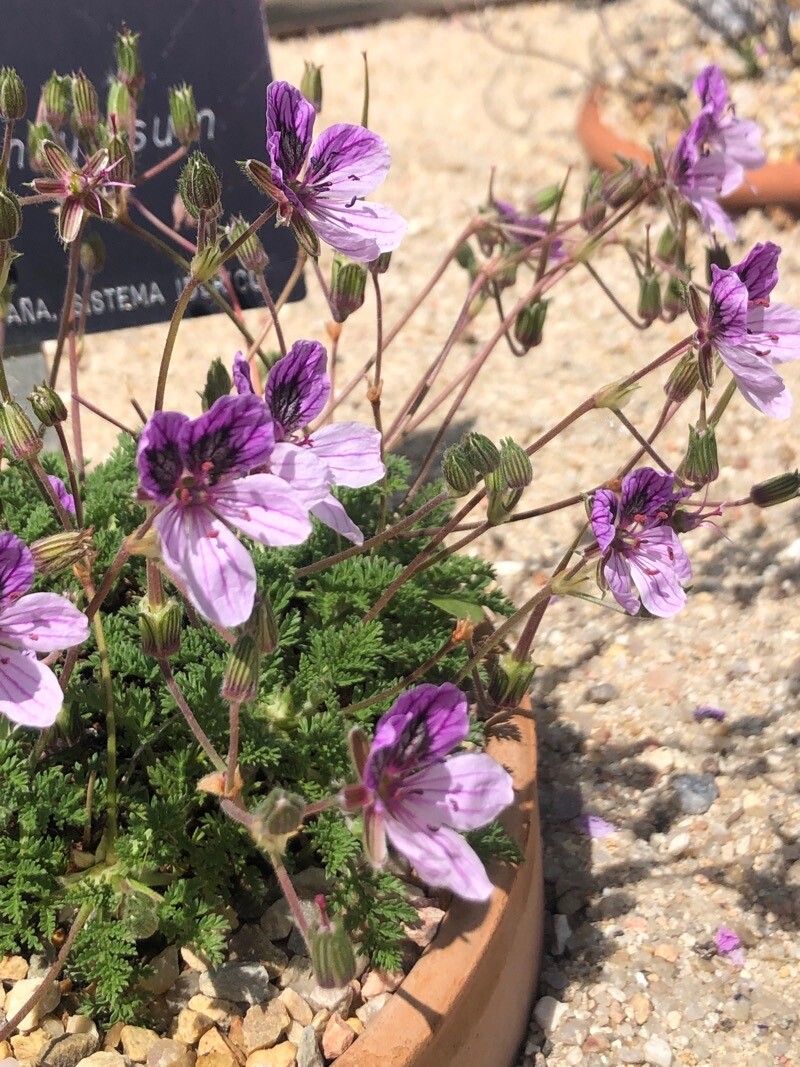
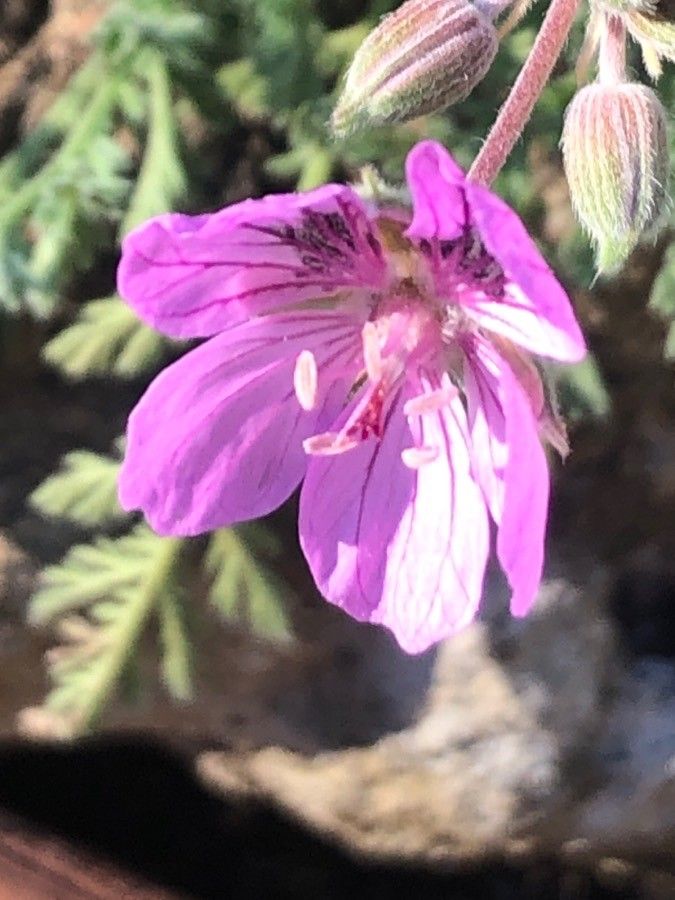
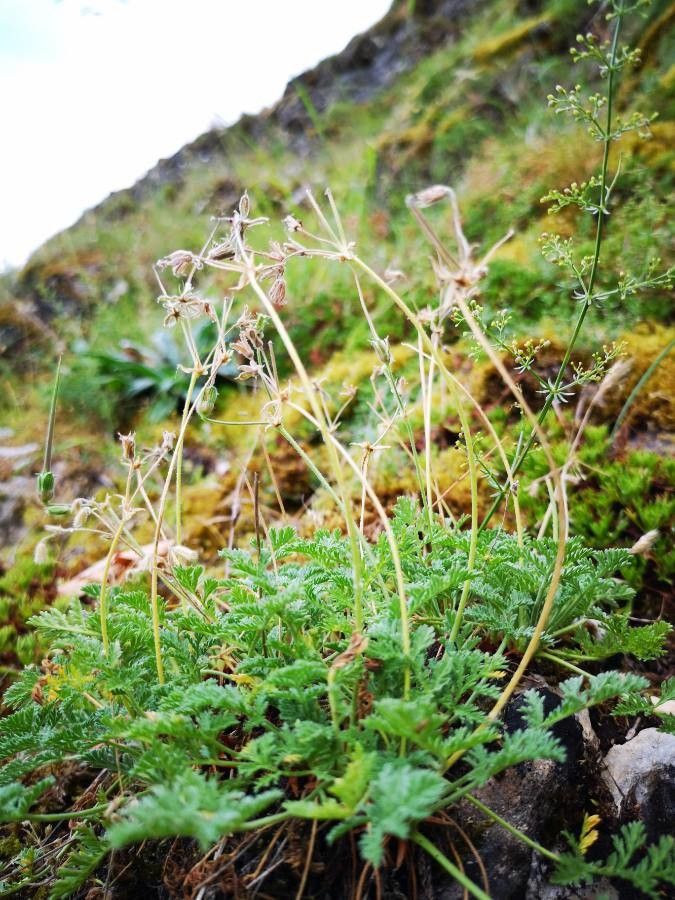
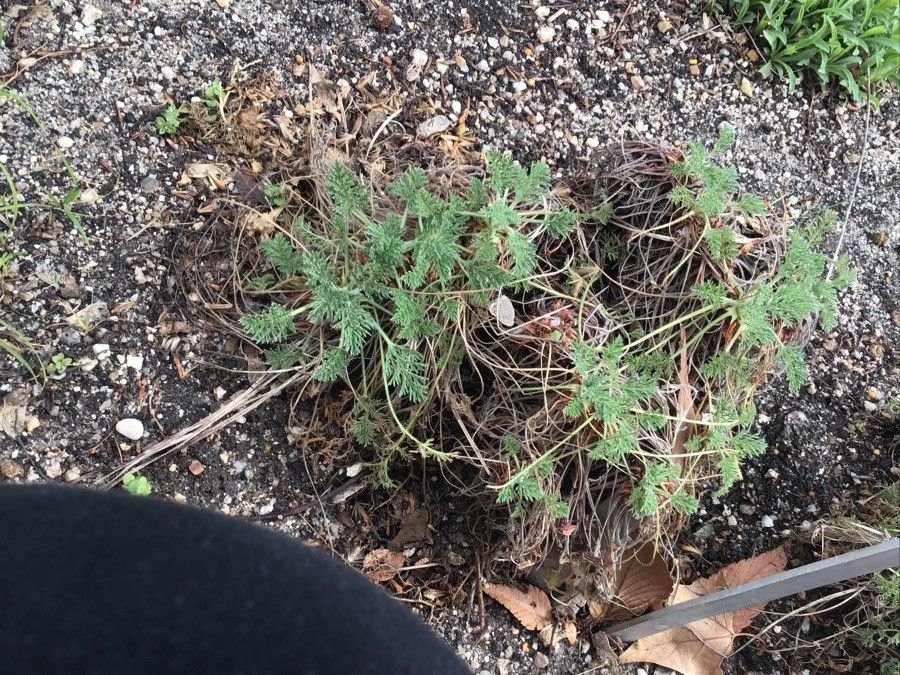
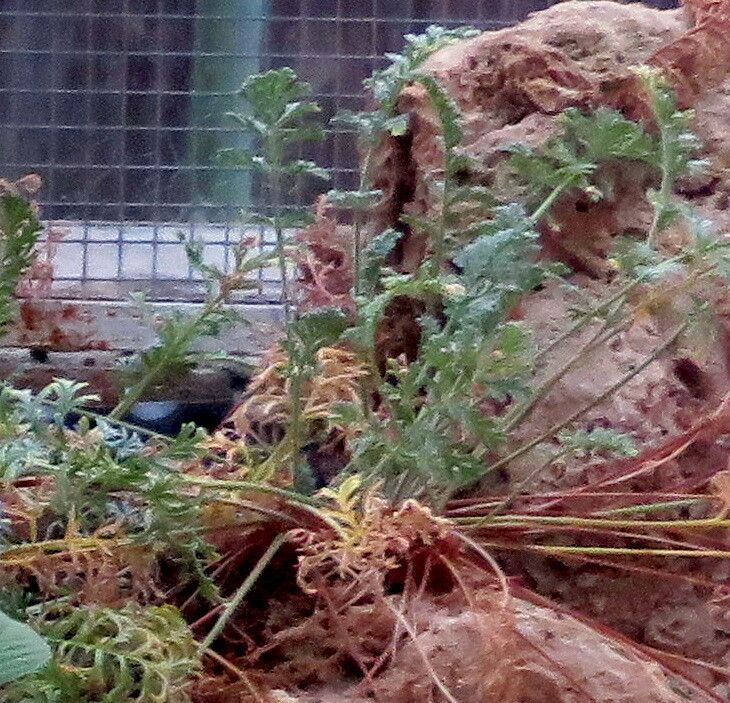
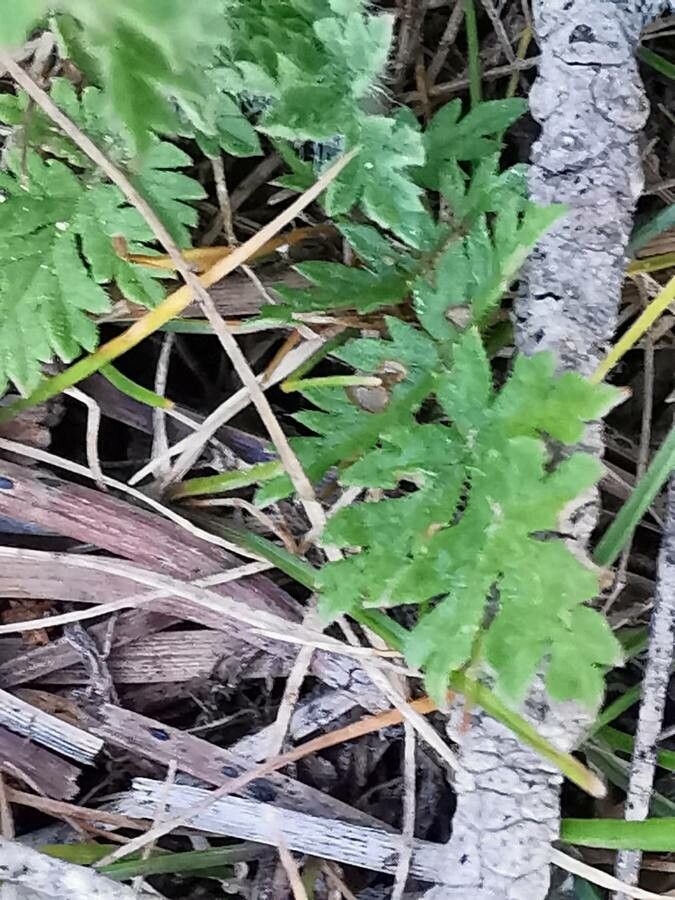
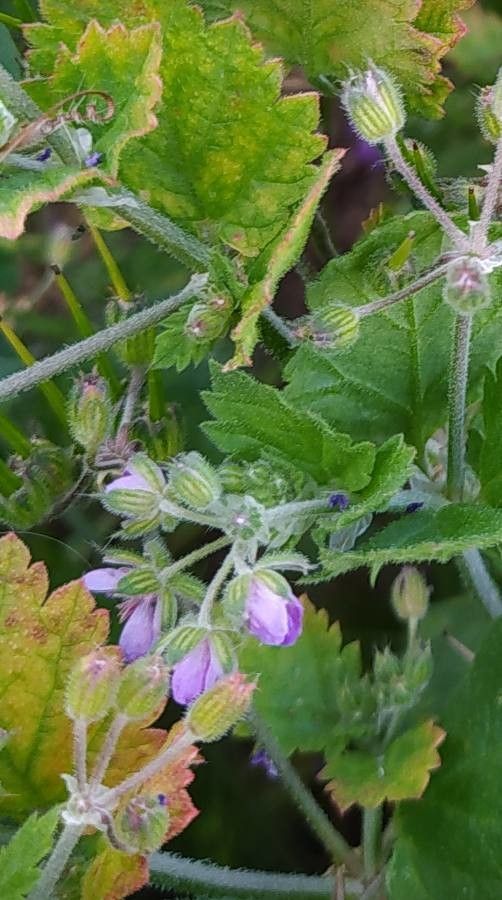
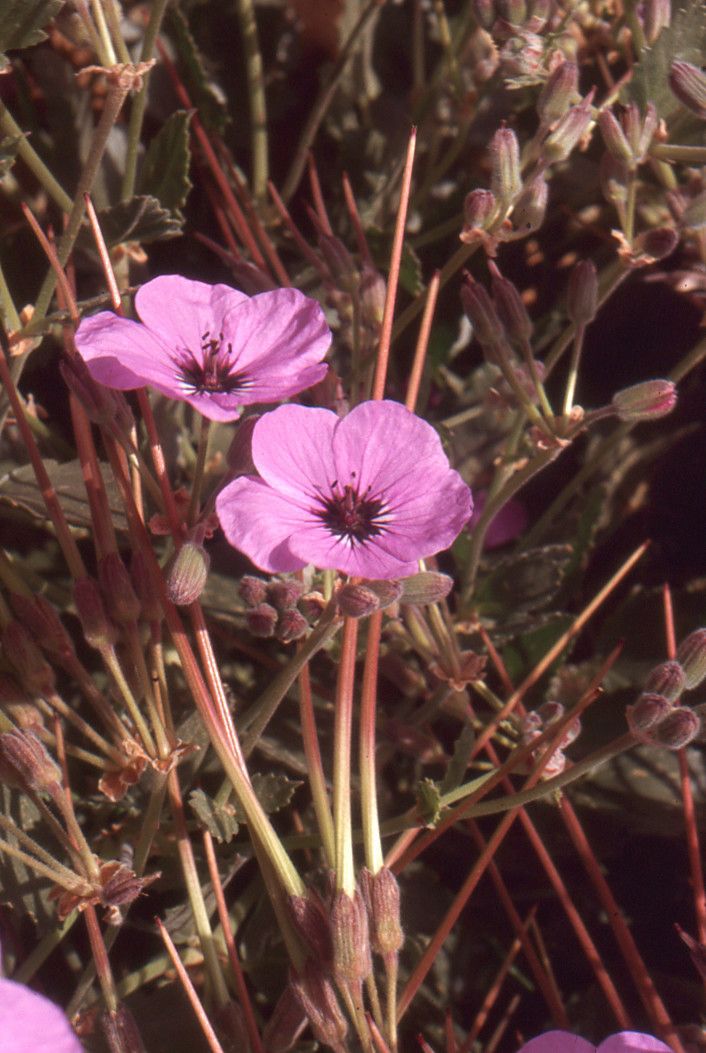
Erodium glandulosum, called the black-eyed heron's bill, is a species of flowering plant in the genus Erodium, native to the Pyrenees. It has gained the Royal Horticultural Society's Award of Garden Merit.
Erodium glandulosum is fairly resistant to disease and typically does not suffer from many illnesses. Nevertheless, it can be vulnerable to pests and diseases present in its environment. These problems are generally not serious. As for care, this plant needs moderate maintenance. It should be pruned regularly to preserve a tidy appearance and support healthy growth. Fertilizing can also help stimulate flowering. Erodium glandulosum is appropriate for anyone with outdoor space, such as a garden or patio, and does not demand extensive gardening experience. It may require more attention if grown indoors.
How to keep Erodium Glandulosum.
Light
Erodium glandulosum comes from bright, open habitats and does best in full sun. It can handle partial shade but prefers direct sunlight for optimal growth. This plant, which can be annual or biennial, is noted for its sun-loving habit.
Temperature
Erodium glandulosum can adjust to a broad range of temperature conditions, though its range may still be constrained by different combinations of moisture and heat. It performs best in warm summer climates with sufficient rainfall or watering. Extended periods of overcast, rainy weather or prolonged high temperatures can raise the likelihood of Erodium glandulosum dying. In winter, protecting the plant from cold can increase its chances of survival.
Fertilizer
When most of Erodium glandulosum’s flowers have opened to full size, resume fertilizing. At the peak of flowering, fertilize again every three to four weeks, as weather allows. Then, once the plant begins to produce fewer new blooms, stop fertilizing; there’s no reason to fertilize when it can no longer produce additional flowers.
Pruning
Erodium glandulosum has distinctive leaves and attractive flowers. To care for this plant, prune it in early to late spring by removing dead stems and shaping any overgrown branches. Be sure to avoid heavy cuts to minimize stress on the plant. Regular annual pruning encourages denser growth and more vibrant blooms, helping to maintain the plant's structure and vitality.
Botanical profile.
- Plant Type
- Herb
- Life Cycle
- Annual
- Genus
- Erodium
- Family
- Geraniaceae
- Hardiness Zone
- 5-9
- Mature Height
- 10 cm to 30 cm
- Mature Spread
- 20 cm to 40 cm
- Leaf Color
- Green, Dark Green
- Leaf Type
- Semi-evergreen
- Flower Size
- 2.03 cm to 3.05 cm
- Bloom Time
- Mid spring, Late spring, Early summer, Mid summer
- Planting Time
- Spring, Summer, Autumn
- Harvest Time
- Summer
- Native Area
- Spain, France
Reader questions.
What are the sunlight requirements for Erodium glandulosum?
Erodium glandulosum requires full sun, which means it needs more than 6 hours of sunlight per day. It's important to observe how sunlight moves through your garden, selecting locations that offer a good balance of light and shade. This careful placement ensures the plants grow happily and healthily.