Erodium malacoides
نوعی نوک لک لکی · Mediterranean stork's bill · Soft Stork's-bill · Oval crowfoot · Oval heron's-bill
Description
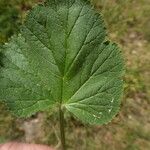
Source: leafsnapErodium malacoides, commonly known as the soft stork's bill or mallow-leaved stork's bill, is a small herbaceous plant that belongs to the Geraniaceae family. Originally native to the Mediterranean region, it has now spread to other parts of the world, including North America and Australia. This plant has a prostrate growth habit and can reach up to 30 cm in height. Its soft, hairy leaves are deeply lobed and resemble those of a mallow plant. The flowers are small, pink or purple, and have five petals arranged in a star shape. Erodium malacoides typically grows in disturbed soils found along roadsides, in fields, gardens, and waste areas. Although it can tolerate drought conditions, it prefers well-drained soils with moderate moisture levels. Historically, various cultures have used Erodium malacoides for medicinal purposes owing to its anti-inflammatory properties. Besides its medicinal applications, the plant is also an important food source for insects such as bees and butterflies. Despite being considered an invasive species in some regions due to its rapid spread via seed dispersal mechanisms like wind or animal transport, Erodium malacoides remains a vital part of many ecosystems worldwide.
Care Guide
💧 Water Every 3 days
Originating from Mediterranean climates, the Mediterranean stork's bill is moderately drought-tolerant. It prefers weekly watering to prevent oversaturation. Thriving outdoors, it benefits from seasonal rains that provide sufficient hydration during critical growth phases.
How should I water my Mediterranean stork's bill plant?
To water Mediterranean stork's bill, you have several options. You can use a garden hose with a spray nozzle, a watering can, or any other common watering tool. This plant, in general, is not too picky about how it receives water and can survive with rainwater, tap water, or filtered water. However, it's best to avoid watering this plant from overhead as it can damage the leaves, flowers, and potentially lead to disease. Instead, setting up a drip irrigation system is often the most effective method as it provides even and direct water to the soil. If you have a container-grown Mediterranean stork's bill, you can still use a similar watering approach but change the tools you use. Simply use a cup, watering can, or your tap to apply water directly to the soil.
What should I do if I give my Mediterranean stork's bill plant too much or too little water?
To remedy underwatering for Mediterranean stork's bill, simply water it more regularly when you notice it lacks moisture. Overwatering, however, can be a serious issue with potentially fatal consequences. Overwatered plants can succumb to diseases, causing their decline and death. To prevent this, choose a proper location for your Mediterranean stork's bill that receives ample sunlight for soil drying and has good drainage to prevent waterlogging. If you have overwatered a potted Mediterranean stork's bill, consider repotting it. The previous container may have had poor drainage or insufficient drainage holes. When repotting, ensure you use loose soil and a pot with effective drainage.
How frequently should I water my Mediterranean stork's bill plant?
The Mediterranean stork's bill is a plant that requires regular watering throughout the growing season. In the spring, it's best to water the plant once a week. However, as the season progresses and the weather gets warmer, you might need to increase the watering frequency to two to three times per week. It's important not to exceed this rate as it can harm the plant. Regardless of how often you water, the soil should be kept relatively moist but not overly wet. When it comes to watering a Mediterranean stork's bill in a pot, it's slightly different. The soil in a pot can heat up and dry out faster than soil in the ground, so you'll need to increase the watering frequency. In most cases, watering a potted Mediterranean stork's bill a few times per week is recommended, whereas once per week is sufficient for an in-ground plant.
How much water does my Mediterranean stork's bill plant need?
Determining how much water to give to your Mediterranean stork's bill can be done in a few different ways. Some gardeners prefer to gauge the moisture in the soil by feeling it. In this method, you would water until the top six inches of soil feel moist. Another approach is to use a specific measurement. Usually, giving your Mediterranean stork's bill about two gallons of water per week is recommended, adjusting for temperature and soil dryness. However, strictly following these guidelines may result in overwatering if your plant requires less water. When growing Mediterranean stork's bill in a container, a different method is required. In this case, make sure to moisten all layers of dry soil by testing with your finger or watering until you notice excess water flowing out of the drainage holes.
How can I know if I'm giving enough water to my Mediterranean stork's bill plant?
Avoiding overwatering your Mediterranean stork's bill can be challenging due to conflicting needs. These plants have deep roots that need to be moistened weekly, but they are highly susceptible to root rot. Overwatering can also cause browning. Underwatering is less of a concern as these plants can survive without supplemental watering for some time. However, if you wait too long to water them, they will likely wilt and develop dry leaves.
☀️ Light Full sun
The Mediterranean stork's bill does best with abundant sunlight throughout the day. In its natural habitat the species is exposed to long periods of light, which support its optimal growth. Both insufficient and excessive sunlight can negatively affect its overall development and health.
What are the sunlight requirements for the Mediterranean stork's bill?
The Mediterranean stork's bill requires full sun exposure, defined as above 6 hours of sunlight daily, to thrive. This plant's natural habitat involves prolonged periods of light which contribute to its optimal growth. Insufficient or excessive sunlight can harm its development and health. It's important to observe how sunlight moves through your garden to find spots that offer a balance of light and shade, ensuring the plants' wellbeing.
How can artificial lighting support plant growth indoors?
Artificial lighting plays a crucial role in supporting plant growth indoors, especially when natural sunlight is inadequate. This is particularly useful in winter or less sunny spaces. LED lights are recommended for their ability to be customized to provide specific wavelengths needed by plants. The requirements vary: full sun plants need 30-50W/sq ft, partial sun plants need 20-30W/sq ft, and full shade plants 10-20W/sq ft. Place the artificial light 12-36 inches above the plant and ensure it mimics natural daylight hours, which most plants need between 8-12 hours per day.
What are signs of inadequate lighting for Mediterranean stork's bill?
When Mediterranean stork's bill is grown indoors with inadequate light, symptoms may include smaller new leaves, leggy or sparse growth, faster leaf drop, slower or no new growth, lighter-colored new leaves, chlorosis (leaves turning yellow due to chlorophyll breakdown), sunscald (damage from intense sunlight), leaf curling (to minimize water loss and damage), wilting (loss of turgor pressure), and leaf scorching (brown, dry edges on leaves). These symptoms indicate the plant's struggle with light deficiency or excessive sunlight.
What are solutions for Mediterranean stork's bill suffering from light deficiency?
For indoor plants suffering from sunlight deficiency, gradually move them to sunnier locations until they receive at least 6 hours of sunlight daily. Utilize south-facing windows and consider artificial lights for additional support. Outdoor plants should be moved gradually to prevent shock. Removing obstructions and transplanting to sunnier spots can also benefit the plant. Note that parts of the plant damaged by insufficient light might not recover, but new growth should be healthy with improved light conditions.
🌡️ Temperature 5–35°C
The Mediterranean stork's-bill originates from Mediterranean climates and thrives at temperatures between 68 and 95 °F (20 and 35 ℃). During colder seasons, consider providing a warmer environment, since it prefers mild warmth.
What is the native climate for Mediterranean stork's bill?
Mediterranean stork's bill, known botanically as Erodium malacoides, is native to Mediterranean climates. It thrives best in temperatures ranging between 68 to 95 °F (20 to 35 °C). This plant prefers environments that offer mild warmth, making it well-suited to climates that do not experience extreme cold or heat.
How does Mediterranean stork's bill handle cold weather?
Mediterranean stork's bill possesses strong cold resistance, allowing it to typically endure the winter months without special frost protection measures. However, in regions where winter temperatures are expected to drop below -30°C, it's crucial to provide the plant with cold protection to safeguard it from extreme conditions. This can involve covering the plant with insulating materials like soil or straw and ensuring the soil is moist before the first freeze of autumn to prevent drought and water scarcity during the colder months.
What should be done if Mediterranean stork's bill experiences low temperatures?
While Mediterranean stork's bill is cold-tolerant and prefers temperatures above 20°C, it can withstand winters that dip above 0°C. If temperatures fall below -30°C, the plant might not show immediate damage but could experience decreased sprouting or fail to sprout in spring. In such cases, it is advised to remove any parts of the plant that have failed to sprout once spring arrives to promote new growth.
What should be done if Mediterranean stork's bill is exposed to high temperatures?
During summer, it's crucial to ensure that Mediterranean stork's bill is kept below 35°C to prevent heat stress. Exposure to temperatures above 41°C can cause the leaves to lighten in color, become prone to curling, suffer from sunburn, and in severe cases, lead to the wilting and drying of the entire plant. To mitigate these issues, it's advisable to trim away any sunburned or dried parts of the plant, move it to a location that provides shade during the midday and afternoon sun, or use a shade cloth. Additionally, watering the plant in the morning and evening will help keep the soil moist and support the plant's health during hot weather.
💨 Humidity
🪴 Soil 6-7
🌱 Fertilizer
Once the Mediterranean stork's bill has opened most of its blooms to full size, it's time to resume fertilizing. Around the time the blooms are at peak production, begin fertilizing once every three to four weeks, as the weather permits. Then, after the Mediterranean stork's bill begins producing fewer new blooms, stop fertilizing; there's no need to fertilize when the plant can no longer produce more blooms.
🪴 Pot & Repot
✂️ Pruning
Prune the Mediterranean stork's bill from early to late spring to encourage new growth and improve airflow. Remove spent blooms and damaged branches, and cut back leggy stems to maintain the plant's shape. This promotes vibrant flowering and enhances the plant's overall health, reducing its susceptibility to disease. Proper pruning ensures an attractive appearance throughout the growing season.
🌿 Propagating
🐛 Diseases & pets
☠️ Toxicity
Characteristics
- Plant Type
- Herb
- Life Cycle
- Annual, Biennial, Perennial
- Genus
- Erodium
- Family
- Geraniaceae
- Hardiness Zone
- 4-10
- Mature Height
- 49 cm
- Mature Spread
- 20 cm to 49 cm
- Leaf Color
- Green, Blue
- Leaf Type
- Semi-evergreen
- Flower Color
- Pink, Lavender
- Flower Size
- 2.54 cm to 5.08 cm
- Bloom Time
- Spring, Summer
- Planting Time
- Spring, Summer
- Harvest Time
- Late spring, Summer, Early fall, Mid fall