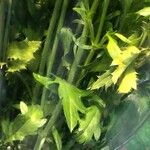
Eryngium alpinum
Queen of the Alps · Alpen-Mannstreu · Sea Holly Blue Star · Alpine Sea Holly · Alpine thistle
Description
Source: leafsnapEryngium alpinum, commonly known as Alpine sea holly, is a perennial herbaceous plant in the Apiaceae family. Native to Europe and Asia, it thrives in rocky areas, meadows, and open woodlands. The plant typically reaches up to 60 cm in height and features a basal rosette of spiny, green-grey leaves. Its stem is also spiny and produces blue-grey flowers that bloom from June to August. These flowers are surrounded by a distinctive bract structure, giving them a unique appearance. Eryngium alpinum has been used medicinally for centuries due to its anti-inflammatory properties and its ability to treat digestive disorders such as diarrhea and dysentery. Additionally, its striking appearance makes it a popular ornamental plant among gardeners. The Alpine sea holly prefers well-drained soil and full sun exposure but can tolerate partial shade. It requires moderate watering during the growing season but should be allowed to dry out between waterings during winter dormancy. Overall, Eryngium alpinum is an attractive perennial herbaceous plant that adds unique texture and color to gardens and landscapes. It also offers medicinal benefits when properly utilized by herbalists or traditional medicine practitioners.
🌳 Alpine sea holly's vivid blue flowers and distinctive form are valued in ornamental gardening. Beyond its looks, its roots have long been used to aid digestion and as a love-enhancing elixir. Its most intriguing use, however, is in high-end fragrance production; alpine sea holly emits a mildly sweet aroma that, when skillfully blended, serves as the base for some luxury scents.
🎭 Frugality and autonomy
Care Guide
💧 Water Every 7 days
Alpine sea holly thrives in alpine climates where the soil is well-drained and retains a moderate amount of water. It benefits from weekly watering to avoid root rot and prefers cooler environments. Although drought-tolerant, alpine sea holly adapts its growth according to water availability, demonstrating resilience even during dry spells.
How should I water my Alpine sea holly?
To properly water the Alpine sea holly, it's best to use filtered water at room temperature. Tap water may have harmful particles, so filtered water is preferred. Because the Alpine sea holly is accustomed to warm environments, it's important to avoid using cold water, as it can be a shock. Additionally, overhead watering should be avoided to prevent foliage problems. Instead, pour the filtered room temperature water directly onto the soil until it's completely soaked. This ensures that the roots are moistened and can continue to spread through the soil to gather necessary nutrients.
What should I do if I give too much or too little water to my Alpine sea holly?
Overwatering is a common issue for Alpine sea holly and can cause wilted, yellow leaves, as well as diseases like root rot, mold, and mildew. Underwatering is less common but can result in brittle, brown leaves. It's important to recognize the signs of overwatering and take action quickly to prevent irreversible damage. Adjust your watering schedule if you notice early signs of overwatering and consider replacing poorly draining soil. If you suspect underwatering, simply water your plant more regularly until the signs improve.
How frequently should I give water to my Alpine sea holly?
If your Alpine sea holly is in a pot, the most precise way to check if it needs water is by placing your finger into the soil. If the top two to three inches of soil are dry, it's time to water it. If you have planted the Alpine sea holly outdoors, you can use the same method to test the soil. Again, if you find that the top few inches of soil are dry, it's time to water it. Typically, during spring and early fall, you may need to water this plant about once every week using this method. However, in extremely hot weather, you may need to increase watering to twice or more per week. Nevertheless, mature and well-established Alpine sea holly plants have a remarkable ability to withstand drought.
How much water does my Alpine sea holly require?
When watering your Alpine sea holly, don't be afraid to give it plenty of water. Wait until the top two to three inches of soil are dry, then water the plant thoroughly. Make sure the water completely saturates the soil, causing excess water to drain out of the bottom of the pot. If you don't see any excess water draining, you may not be giving enough water. However, be careful not to let water accumulate in the soil, as this can harm the plant. On the other hand, if water isn't draining properly from the pot, it may indicate poor soil drainage, which is harmful to the plant and should be avoided. If the plant is outdoors, one inch of rain per week is usually enough.
How do I water my Alpine sea holly as it grows?
The water needs of the Alpine sea holly can vary depending on different growth stages. When the plant is young or has been recently transplanted, it requires more water than usual. During these stages, the plant focuses on developing new roots, which need more moisture for optimal growth. As the plant matures, it will require less water. Additionally, during the bloom period, the plant may require additional watering as flower development requires a significant amount of moisture.
☀️ Light Full sun
Alpine sea holly prefers plentiful sunlight to achieve vigorous growth. Its native high-elevation habitat makes it hardy, allowing it to tolerate moderately sunny locations as well. Excessive light can be harmful, causing leaves to wither. Likewise, inadequate light may impede its growth.
What are the sunlight requirements for Alpine sea holly?
Alpine sea holly (Eryngium alpinum) thrives in full sunlight, necessitating more than 6 hours of sunlight for robust growth, indicative of its native high-altitude areas. However, it also shows resilience in moderately sunlit spaces, capable of enduring about 3-6 hours of sunlight (partial sun). It's crucial to observe the sunlight's movement through your garden to ensure plants get the balanced light exposure they need for optimal health.
What are the risks of improper sunlight exposure for Alpine sea holly?
Improper sunlight exposure can either cause Alpine sea holly leaves to wither due to overexposure or stunt its growth from insufficient light. Visible symptoms of inadequate lighting include smaller new leaves, leggy or sparse growth, faster leaf drop, delayed or halted new growth, lighter-colored new leaves, chlorosis, sunscald, leaf curling, wilting, and leaf scorching.
How can artificial lighting be used for indoor Alpine sea holly plants?
For indoor Alpine sea holly plants, especially in conditions of insufficient natural sunlight, artificial lighting represents an essential solution. To optimize growth under artificial lights, select the right type (LED lights are preferable), ensure the light intensity is according to the plant's needs (30-50W/sq ft for full sun plants), set the appropriate distance (12-36 inches above the plant), and mimic natural daylight hours (usually 8-12 hours of light per day).
What are some solutions for Alpine sea holly suffering from light deficiency?
Solutions for Alpine sea holly light deficiency vary depending on the setting. Indoors, gradually move the plant to a sunnier spot or use artificial lighting to ensure at least 6 hours of daily sunlight. Outdoors, adjust the plant's position gradually to increase sunlight exposure, avoiding abrupt changes that could cause sunburn. Also, consider reducing obstructions like overhanging branches or relocating smaller plants to sunnier spots, ensuring both ample sunlight and good drainage.
🌡️ Temperature 0–32.2°C
Alpine sea holly naturally prefers mild conditions with temperatures of 68 to 95 °F (20 to 35 ℃). Seasonal adjustments may be necessary, especially in extreme climates where these temperatures are exceeded or not reached.
What are the ideal growing conditions for Alpine sea holly?
Alpine sea holly, or Eryngium alpinum, thrives in mild environments, favoring temperatures between 68 to 95 °F (20 to 35 °C). It possesses strong cold resistance, meaning special frost protection measures are typically not necessary. However, in climates where temperatures fall below -40°C during winter, protective measures such as covering the plant with soil or straw are advised. To prepare the plant for winter and ensure its resilience against drought and water scarcity in the colder months, it is recommended to water the plant abundantly before the first freeze of autumn, maintaining moist soil.
How does Alpine sea holly react to low temperatures?
Alpine sea holly is well-adapted to cold environments and performs best when temperatures are above 20°C, remaining hardy above 0°C. In situations where winter temperatures plunge below -40°C, the plant itself may not show immediate signs of distress, but there could be a noticeable reduction in sprouting, or in some cases, no sprouting at all during the following spring. In such instances, it’s recommended to remove any non-sprouting parts during spring to encourage new growth.
What should be done if Alpine sea holly is exposed to high temperatures?
To ensure the health of Alpine sea holly during the hotter months, it is essential to keep the plant in temperatures below 35°C. Exposure to temperatures above 38°C can result in leaves becoming lighter, prone to curling, sunburn, and in extreme cases, the plant might wilt and dry out. If any of these symptoms are observed, the sunburned and dried parts should be trimmed away. Moreover, relocating the plant to a shaded area or using a shade cloth to protect it from midday and afternoon sun is beneficial. Maintaining soil moisture by watering in the morning and evening will help alleviate the stress caused by high temperatures.
💨 Humidity
🪴 Soil 6-7
🌱 Fertilizer
The best time to fertilize an Alpine sea holly is in early spring, when it is coming out of dormancy and beginning active growth. Fertilizing supplies essential nutrients for healthy development. Although Alpine sea holly has relatively low fertilizer needs, annual feeding can improve its survival and encourage better, longer-lasting flowers.
Why is it important to fertilize my Alpine sea holly plant?
Fertilization is vital for the Alpine sea holly for several reasons. It supplies essential nutrients for both above and below ground growth. Though the overall fertilization needs of the Alpine sea holly are low, it can still survive without fertilization. However, regular annual fertilization can greatly benefit the plant's overall health and the quality of its flowers. Therefore, those who want their Alpine sea holly to thrive should consider annual fertilization.
When should I fertilize my Alpine sea holly?
The best time to fertilize an Alpine sea holly is in late winter to early spring when it is transitioning from dormancy to active growth. Fertilizing at this time promotes healthy growth and sets the plant up for a successful season. Although early spring is generally the most beneficial time, it is also okay to fertilize in the fall. However, it is not recommended to fertilize during the summer or winter.
When is it not a good idea to fertilize my Alpine sea holly?
To properly care for your Alpine sea holly, it is best to fertilize it only in late winter and early spring. This plant doesn't need much fertilizer, so one feeding per year is sufficient. Fertilizing it during the rest of the year, such as in spring, summer, and fall, can lead to overfertilization and complications. The only exception is if you didn't fertilize in spring, in which case you can feed it in the fall. It's also important to note that there's no need to fertilize the plant during the winter when it's in a dormant phase and not actively growing.
What kind of fertilizer does my Alpine sea holly require?
Alpine sea holly can thrive with a general-purpose fertilizer that has a balanced amount of the three main plant nutrients. However, there are specific nutrient blends that can provide even better results. One popular belief among gardeners is that higher levels of phosphorus promote stronger roots and improved flower growth. As Alpine sea holly is a flowering plant, it may benefit from a phosphorus-rich fertilizer. Whether you choose a granular or liquid form, make sure the fertilizer contains an adequate amount of nutrients. Alternatively, you can improve the soil for your Alpine sea holly using organic materials such as compost or manure. These options can greatly enhance the growing medium.
How can I help my Alpine sea holly grow better?
To fertilize an Alpine sea holly, the most common method is to use a granular or pellet fertilizer and apply it to the soil surrounding the plant. It's important to time the fertilization properly - wait until the plant is transitioning from its winter dormant phase to active growth, which usually happens in early spring when shoots start to emerge from the soil. If you prefer using liquid fertilizer, make sure to dilute it with water before applying. Regardless of the type of fertilizer used, it's recommended to moisten the soil before, during, and after applying the fertilizer.
🪴 Pot & Repot 2-3 years
When repotting Alpine sea holly, select a pot 1–2 inches (2.5–5.1 cm) larger with good drainage. Use a well-draining potting mix. Repot in spring or fall, making sure the root ball sits slightly below the rim of the pot. Water thoroughly after repotting and place in a warm spot with indirect sunlight.
✂️ Pruning
Alpine sea holly is known for its striking metallic-blue flowers and distinct leaves. To encourage healthy growth, prune it from early to late spring by removing dead stems and old flower stalks. Be careful not to over-prune, as this can impact its ability to bloom. Proper pruning will enhance the plant's appearance and vitality, ensuring a vibrant display each season.
🌿 Propagating
🐛 Diseases & pets
☠️ Toxicity
Characteristics
- Plant Type
- Herb
- Life Cycle
- Perennial, Annual
- Genus
- Eryngium
- Family
- Apiaceae
- Hardiness Zone
- 2-8
- Mature Height
- 30 cm to 91 cm
- Mature Spread
- 61 cm
- Leaf Color
- Green
- Leaf Type
- Deciduous
- Flower Color
- Blue, Purple
- Flower Size
- 7.62 cm to 10.16 cm
- Bloom Time
- Early summer, Mid summer
- Planting Time
- Spring
- Harvest Time
- Mid summer
- Native Area
- Austria, Italy, Switzerland, Montenegro, Croatia, Slovenia, France