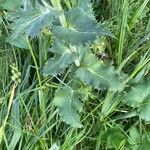
Eryngium giganteum
Miss Willmot's-ghost · Tall Eryngo · Giant sea-holly · Miss Willmott's ghost
Description
Source: leafsnapEryngium giganteum, with the common name Miss Willmott's ghost, is a species of flowering plant in the family Apiaceae. The short-lived herbaceous perennial thistle is native to the Caucasus and Iran in Western Asia.
Care Guide
💧 Water Every week
Tall eryngo thrives best with consistent moisture, requiring weekly watering. It cannot tolerate drought or waterlogging, benefiting instead from natural rainfall. As a herbaceous perennial, its need for water increases during active growth phases.
How should I water my Tall eryngo?
To properly water the Tall eryngo, it is recommended to use filtered water at room temperature or slightly warmer. Tap water should be avoided as it may contain harmful particles. Cold water should also be avoided as it can be a shock to the plant's system. Instead of overhead watering, it is best to apply filtered room temperature water directly to the soil until it is completely soaked. This method benefits the plant by moistening the roots and aiding in nutrient collection.
What should I do if I give my Tall eryngo too much or too little water?
Overwatering is a more common issue than underwatering for your Tall eryngo plant. When it receives too much water, the stems and leaves can wilt and turn yellow. Overwatering for a long time can also lead to diseases like root rot, mold, and mildew, which can be fatal for your plant. Underwatering is less common for the Tall eryngo because it can tolerate drought well. However, it's still a possibility, and in this case, the leaves will become brittle and brown. It's important to recognize the signs of overwatering early on, as some diseases like root rot may not be reversible if you wait too long. Reduce watering immediately if you see early signs of overwatering, and check the soil's drainage quality. If it's poor, replace it with a loose, well-draining potting mix. On the other hand, if you notice signs of underwatering, increase your watering schedule until the signs improve.
How frequently do I need to water my Tall eryngo?
If your Tall eryngo plant is in a pot, the most precise way to determine if it needs water is by checking the soil with your finger. When you find that the first two to three inches of soil are dry, it's time to water the plant. The same method can be used if you are growing the Tall eryngo outdoors in the ground. Once the first few inches of soil have dried out, it's time to water. Generally, during the spring and early fall, watering once a week is sufficient. However, in extremely hot weather, you may need to water twice or more per week. It's worth noting that mature, well-established Tall eryngo plants can withstand drought well.
How much water does my Tall eryngo plant need?
When watering your Tall eryngo, don't hesitate to give it a generous amount of water. Make sure the first two to three inches of soil are dry before watering thoroughly. This means you should evenly soak the soil with enough water so that it flows out through the drainage holes in the pot. If you don't see any excess water draining, you may have not given enough water. However, be cautious not to let water accumulate in the soil as it could harm the plant. On the other hand, if water is not draining properly, it may be due to poorly draining soil, which is not good for the plant's health. If the plant is outdoors, a weekly rainfall of 1 inch should be enough.
How should I water my Tall eryngo as it grows?
The water needs of the Tall eryngo can vary depending on its growth stages. In the first few years of its life or after being transplanted, it will require more water to support the development of new roots. These roots need extra moisture to ensure their optimal performance. As the Tall eryngo matures, it will require less water. Additionally, during the bloom period, the plant may need more water as the flower development utilizes a significant amount of moisture.
☀️ Light Full sun
Tall eryngo is a herbaceous perennial that favors bright, sunny sites and is native to open habitats, commonly found in meadows and grasslands. It thrives in full sun but can also tolerate partial sun.
What are the sunlight requirements for Tall eryngo?
Tall eryngo, also known as Eryngium giganteum, thrives in full sun, requiring above 6 hours of sunlight daily. However, it can also tolerate partial sun conditions. It's important to monitor the movement of sunlight through your garden to find spots that offer a perfect balance of light and shade, ensuring the plant's wellbeing.
What are the essentials for growing Tall eryngo?
Tall eryngo is a sun-loving perennial herb that originates from open habitats like meadows and grasslands. Its preference for full sunlight can be accommodated outdoors, and when grown indoors, artificial lighting can be used to promote optimal growth. Indoor plants benefit from LED lights, which can be customized to provide specific wavelengths of light needed by the plants. The artificial light required varies by plant type, with full sun plants needing 30-50W/sq ft, partial sun plants 20-30W/sq ft, and full shade plants 10-20W/sq ft. The light source should be placed 12-36 inches above the plant and turned on for 8-12 hours per day to mimic natural daylight conditions.
What symptoms indicate Tall eryngo is not getting enough light?
Symptoms of inadequate lighting in Tall eryngo include smaller new leaves, leggy or sparse growth, faster leaf drop, slower or no new growth, lighter-colored new leaves, chlorosis (leaves turning yellow), sunscald (damaged leaves or stems from intense sunlight), leaf curling, wilting, and leaf scorching. These symptoms help identify whether the Tall eryngo is struggling with too little or too much sunlight, and adjustments to their environment should be made accordingly.
How can I address symptoms of poor lighting for Tall eryngo?
To address poor lighting conditions for Tall eryngo, gradually increase sunlight exposure by moving the plants to a sunnier location each week until they receive at least 6 hours of direct sunlight daily. For indoor plants not easily movable or if they are large, consider using artificial light, keeping a lamp on for at least 8 hours daily or investing in professional grow lights. For outdoor plants, ensure they are not suddenly exposed to drastic light changes to prevent sunburn. Prune any trees or bushes blocking sunlight and consider transplanting smaller plants during their dormant period to a location with ample sunlight and good drainage. Remember, parts of the plant that suffered from insufficient light may not recover, but new growth should be healthy with improved light conditions.
🌡️ Temperature 5–35°C
Tall eryngo can tolerate a broad range of temperatures, though its distribution may still be constrained by different combinations of moisture and heat. It performs best in warm summer conditions with sufficient rainfall or irrigation. Extended periods of cloudy, rainy weather or prolonged high temperatures increase the chance that Tall eryngo will die. In winter, suitable protection from cold can improve the plant's survival chances.
💨 Humidity
🪴 Soil 6-8
🌱 Fertilizer
The best time to fertilize Tall eryngo is in early spring, as it comes out of dormancy and begins active growth. Fertilizing supplies the essential nutrients needed for healthy development. Although Tall eryngo has relatively low fertilizer requirements, applying fertilizer once a year can improve its survival and encourage better, longer-lasting flowers.
Why should I put fertilizer on my Tall eryngo plant?
To ensure that your Tall eryngo plant looks great and functions properly, fertilization is key. The leaves are the main structure of the plant, so proper fertilization will help maintain their color and texture. Fertilization also benefits the plant below the surface by promoting growth of new roots and maintaining existing ones. This not only keeps the plant healthy in the present, but also improves its ability to absorb nutrients from the soil in the future.
When should I fertilize my Tall eryngo?
If you choose to grow your Tall eryngo outdoors each year, you will notice new growth in early spring, which indicates the right time to start fertilizing. Usually, a single application of fertilizer in the spring is sufficient for the proper growth of the plant. However, if you want to maximize the growth potential of your Tall eryngo, you can fertilize it multiple times during the spring and early summer. In this case, you can feed your Tall eryngo approximately once every month to a month and a half.
When is it not a good idea to fertilize my Tall eryngo?
During the late fall and winter, your Tall eryngo will become dormant and stop producing new growth. Avoid fertilizing it during this time. In the spring and summer, if you choose to fertilize multiple times, start reducing the amount of fertilizer as summer approaches because the growth rate of your Tall eryngo will also decrease. Generally, it is not recommended to fertilize your Tall eryngo during extremely hot weather or when the soil is excessively dry. Fertilizing under these conditions can stress your Tall eryngo and lead to premature death.
What kind of fertilizer is good for my Tall eryngo plant?
Choosing the best fertilizer for a Tall eryngo is straightforward. These plants thrive on a garden fertilizer with equal amounts of nitrogen, phosphorus, and potassium, such as a 10-10-10 ratio. Avoid fertilizers high in nitrogen if unsure. Most effective fertilizers for a Tall eryngo come in granular form. These slow-release fertilizers are easy to apply to the soil. Additionally, feeding with organic soil amendments like compost can be helpful.
How should I fertilize my Tall eryngo plant?
To ensure the best growth for your Tall eryngo, wait until early spring when you see the first leaves emerging from the soil. At this point, apply a balanced granular slow-release fertilizer to the soil surrounding the base of the plant. You can repeat this process later in the season if desired. Remember to apply the fertilizer to the soil, not directly onto the plant. Sometimes, you may need to move aside some leaves to access the soil above the roots. Additionally, it's recommended to water your Tall eryngo before and after fertilizing.
🪴 Pot & Repot
✂️ Pruning
Tall eryngo is known for its striking silvery flowers and spiky leaves. To promote healthy growth, prune the plant in early to late spring to remove any dead stems. Trim back spent flower stalks to encourage more blooms and prevent self-seeding. Always use clean, sharp tools to minimize the risk of infection.
🌿 Propagating
🐛 Diseases & pets
☠️ Toxicity
Characteristics
- Plant Type
- Herb
- Life Cycle
- Perennial, Biennial, Annual
- Genus
- Eryngium
- Family
- Apiaceae
- Hardiness Zone
- 4-9
- Mature Height
- 0.61 m to 1.22 m
- Mature Spread
- 30 cm
- Leaf Color
- Green
- Leaf Type
- Deciduous
- Flower Color
- Silver
- Flower Size
- 2.03 cm to 3.05 cm
- Bloom Time
- Early summer, Mid summer
- Planting Time
- Spring, Summer, Autumn
- Harvest Time
- Late summer, Early fall
- Native Area
- Turkey, Armenia, Azerbaijan