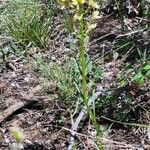
Erysimum capitatum
Sanddune wallflower · Western wallflower · Coast Wallflower · Sand Dune Wallflower · Alpine wallflower
Description
Source: leafsnapErysimum capitatum is a species of wallflower known commonly as the sanddune wallflower, western wallflower, or prairie rocket. This species can be found in regions across North America, from the Great Lakes to the West Coast of the United States. Some varieties have an extremely narrow distribution, especially those endemic to California.
🌳 Western wallflower can act as a bioindicator, subtly indicating the presence of certain metals and minerals in the soil through its growth patterns and health. The ability of western wallflower to tolerate and at times thrive in soils with particular mineral compositions makes it a focus of research into phytoremediation and bioindication. Hence, western wallflower has potential for use in ecological assessments and land management strategies beyond its visible spectrum.
🎭 Loyalty during adversity
Care Guide
💧 Water
The western wallflower originates from arid regions and is well-adapted to withstand drought conditions. It requires minimal watering, usually about once a week. This plant thrives in rocky soils and efficiently conserves resources during dry seasons, making it an excellent choice for xeriscapes.
☀️ Light Full sun
Western wallflower does best in full sun, which supports healthy growth and bright blooms. It can tolerate some shade, but inadequate light may slow its growth and reduce flowering. As a plant native to sunny habitats, it can struggle when exposed to extended periods of low light.
What are the sunlight requirements for Western Wallflower?
Western Wallflower requires full sun exposure to thrive, benefiting from more than 6 hours of sunlight daily. It can also tolerate partial sun, with about 3 to 6 hours of sunlight. However, for optimal growth and vivid blossoms, full sun exposure is ideal. Insufficient light might hinder its growth and blooming. It's crucial to monitor how sunlight moves through your garden and choose spots that offer the perfect balance of light and shade to ensure the plant's happiness.
Can Western Wallflower grow under artificial lighting?
Yes, Western Wallflower can grow under artificial lighting, especially when natural sunlight is insufficient, such as in winter or less sunny spaces. Artificial lights, particularly LED lights, can be customized to provide specific wavelengths of light needed by plants, promoting faster, healthier growth. Full sun plants require 30-50W/sq ft of artificial light, partial sun plants need 20-30W/sq ft, and full shade plants need 10-20W/sq ft. The light source should be placed 12-36 inches above the plant to mimic natural sunlight, ensuring the plant receives 8-12 hours of light per day.
What are the signs of insufficient light for Western Wallflower?
Signs of insufficient light in Western Wallflower include small and pale new leaves, leggy or sparse growth, faster leaf drop, and slower or no new growth. Chlorosis, where leaves lose their green color and turn yellow, and sunscald, which damages leaves or stems with intense sunlight exposure, are also indicators. Additionally, leaf curling, wilting, and leaf scorching can occur under excessive sunlight or insufficient light, respectively. These symptoms highlight the plant's struggle with improper lighting conditions.
How can I enhance the growth of Western Wallflower with insufficient light?
To enhance growth under insufficient light, gradually move the Western Wallflower to a sunnier location each week until it receives at least 6 hours of direct sunlight daily, utilizing south-facing windows for indoor plants. Consider using artificial light, like desk or ceiling lamps, for at least 8 hours daily or invest in professional plant grow lights if the plant is large or not easily movable. For outdoor plants, move them carefully to avoid sudden light intensity changes, which may cause sunburn. If trees block sunlight, prune the branches and leaves or transplant smaller plants to sunnier locations with ample sunlight and good drainage. Note that parts of the plant affected by previous low light may not recover, but new growth should be healthy.
🌡️ Temperature 0–32.2°C
The western wallflower is native to regions where temperatures generally range from 68 to 95 ℉ (20 to 35 ℃). It thrives in those conditions and may require adjustments in colder seasons, such as bringing it indoors or adding mulch for protection.
What is the ideal temperature range for Western Wallflower?
The Western Wallflower, native to areas where the temperature typically falls within 68 to 95°F (20 to 35°C), thrives best within this temperature range. It may require adjustments during colder seasons, such as being moved indoors or mulched for protection, to flourish properly.
Does Western Wallflower require special frost protection during winter?
Despite being highly cold-tolerant, the Western Wallflower doesn't require special frost protection measures during winter. However, it is recommended to water the plant generously before the first freeze in autumn. This ensures the soil remains moist and enters a frozen state, thus preventing drought and water scarcity during winter and early spring.
What happens if the temperature falls below -35°C?
If the temperature falls below -35°C, the Western Wallflower, although extremely cold-tolerant, may experience a decrease in sprouting or even no sprouting at all during springtime. Despite there being no noticeable changes during winter, it is essential to remove any parts that have failed to sprout in spring as a solution to ensure the plant's health.
How does high temperature affect Western Wallflower?
Western Wallflower is not tolerant of high temperatures. When the temperature exceeds 35°C, the plant's growth will stop, and it becomes more susceptible to rot. As a solution, it's advised to trim away sunburned and dried-up parts, move the plant to a shaded location away from the midday and afternoon sun, or use a shade cloth. Additionally, watering the plant in the morning and evening to keep the soil moist can help mitigate the effects of high temperatures.
💨 Humidity
🪴 Soil 6-7
🌱 Fertilizer
The best time to fertilize a Western wallflower is in early spring, as it is coming out of dormancy and beginning active growth. Fertilizing supplies essential nutrients needed for healthy development. While Western wallflower has relatively modest fertilization requirements, an annual application can improve its survival and encourage better, longer-lasting flowers.
🪴 Pot & Repot 2-3 years
When repotting Western wallflower, choose a pot 1-2 inches (2.5–5.1 cm) larger with ample drainage. Use a well-draining potting mix. Repot in spring or fall, making sure the root ball is slightly lower than the rim of the pot. Water thoroughly after repotting and place in a warm spot with indirect sunlight.
✂️ Pruning
To encourage the Western wallflower to thrive, prune it annually from early to late spring. This involves removing dead stems to promote healthy growth and vibrant blooms. Once the flowering period ends, trim the plant back to encourage a second bloom. Additionally, thin out crowded areas to enhance air circulation. Regular pruning helps maintain the plant’s shape and vigor, reducing the risk of diseases and pests.
🌿 Propagating
🐛 Diseases & pets
☠️ Toxicity
Characteristics
- Plant Type
- Herb
- Life Cycle
- Perennial, Biennial
- Genus
- Erysimum
- Family
- Brassicaceae
- Hardiness Zone
- 3-7
- Mature Height
- 0.61 m to 1.22 m
- Mature Spread
- 30 cm
- Leaf Color
- Green
- Leaf Type
- Deciduous
- Flower Color
- Yellow, Orange
- Flower Size
- 2.54 cm
- Bloom Time
- Mid spring, Late spring, Early summer
- Planting Time
- Summer, Autumn
- Harvest Time
- Early summer, Mid summer
- Native Area
- Mexico