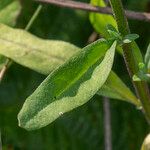
Erysimum cheiranthoides
Treacle Hedge-mustard · Treacle mustard · Wormseed mustard · Worm-Seed Wallflower · Wormseed wallflower
Description
Source: leafsnapErysimum cheiranthoides, the treacle-mustard, wormseed wallflower, or wormseed mustard is a species of Erysimum native to most of central and northern Europe and northern and central Asia. Like other Erysimum species, E. cheiranthoides accumulates two major classes of defensive chemicals, glucosinolates and cardiac glycosides.
🌳 Treacle Mustard might not be widely recognized for its versatility, yet it serves an important role in agriculture as a companion plant. This lesser-known use involves farmers planting it beside crops to attract beneficial insects that feed on pests. Employing treacle Mustard in this way helps create a healthier crop environment, lowers the need for chemical pesticides, and supports biodiversity within agricultural systems.
Care Guide
💧 Water
Treacle Mustard, native to temperate regions, flourishes with moderate moisture and benefits from weekly watering. It can tolerate short dry spells and is resilient to various rainfall conditions, making it an excellent choice for gardens with unpredictable precipitation patterns.
How should I properly water my Treacle Mustard?
Treacle Mustard can be watered in a few different ways. You can use a garden hose with a spray nozzle, a watering can, or any common watering tool. This plant is not too particular about the type of water it receives - rainwater, tap water, or filtered water will all do. However, it's best to avoid watering this plant from above because it can damage the leaves and flowers and potentially lead to disease. Instead, using a drip irrigation system is often the ideal method for watering Treacle Mustard. These systems distribute water evenly and directly to the soil. If you have a container-grown Treacle Mustard, you can follow a similar watering approach, but with different tools. Use a cup, watering can, or tap to water the plant directly at the soil level.
What do I do if I give my Treacle Mustard plant too much water or too little water?
The solution for underwatering Treacle Mustard is simple: when you notice your plant lacks moisture, water it more regularly. However, overwatering can be a more severe problem if not caught early. Overwatered Treacle Mustard can develop diseases that cause it to decline and die. To prevent this, choose a growing spot with ample sunlight to dry the soil and good drainage to prevent water from pooling. If your potted Treacle Mustard is overwatered, consider repotting it into a new pot with loose, well-draining soil and efficient drainage holes.
How often should I give water to my Treacle Mustard plant?
Treacle Mustard should be watered regularly throughout the growing season. In spring, water the plant once a week. As the season progresses and it gets warmer, you may need to water it two to three times a week. However, be careful not to exceed this amount as it can harm the plant. It's important to keep the soil moist but not wet, regardless of how often you water. If your Treacle Mustard is in a pot, you'll need to water it more frequently. Potted plants can dry out faster, so plan to water a container-grown Treacle Mustard a few times a week, compared to just once a week for one planted in the ground.
How much water does my Treacle Mustard require?
There are a few ways to decide how much water to give your Treacle Mustard. Some gardeners rely on the feel of the soil to determine when to water, aiming for moisture in the first six inches. Another approach is to use a fixed measurement, like two gallons per week, adjusted based on temperature and soil dryness. However, following strict guidelines can lead to overwatering if your plant needs less. When growing Treacle Mustard in a container, a different method is needed. You should water until all the dry soil layers are moistened, confirmed by sticking your finger in the soil or observing water draining from the pot's holes.
How do I know if I'm giving my Treacle Mustard plant enough water?
Avoiding overwatering your Treacle Mustard can be a bit challenging due to its deep-rooted nature, which requires weekly soil moistening. However, Treacle Mustard is highly prone to root rot and browning if overwatered. Underwatering is less of a concern as these plants can survive without additional watering for some time. Yet, if you wait too long to water them, they may start to wilt and exhibit dry leaves.
☀️ Light Full sun
Treacle Mustard does best in locations that receive ample sunlight during the day, though it can also tolerate spots with a mix of sun and shade. Sunlight promotes a healthy growth cycle. Still, too much or too little sun can impede its development.
What are the sunlight requirements for Treacle Mustard?
Treacle Mustard requires areas that receive a generous amount of sunlight throughout the day, though it can also tolerate areas with a mix of sun and shade. For optimal growth, full sun, meaning above 6 hours of sunlight a day, is ideal. Partial sun, which amounts to about 3-6 hours of sunlight, is also acceptable. Observing how sunlight moves through your garden can help in choosing the right spots that balance light and shade, ensuring the plants' well-being.
How can artificial lighting benefit indoor Treacle Mustard plants?
Indoor Treacle Mustard plants require adequate lighting for optimal growth. When natural sunlight is insufficient, especially during winter or in less sunny spaces, artificial lighting is a crucial alternative. LED lights are recommended for their capability to provide specific wavelengths needed for the plant's growth. Full sun plants require 30-50W/sq ft, partial sun plants 20-30W/sq ft, and full shade plants need 10-20W/sq ft of artificial light. Positioning the light source 12-36 inches above the plant will mimic natural sunlight. Typically, most plants thrive with 8-12 hours of artificial light daily.
What symptoms indicate light deficiency in Treacle Mustard?
When grown indoors with inadequate light, Treacle Mustard may exhibit symptoms such as smaller new leaves, leggy or sparse growth, accelerated leaf drop, stalled growth, and leaves showing lighter colors or chlorosis. Sunscald can damage leaves or stems with intense sunlight exposure, leading to pale or necrotic areas. Curling leaves act as a defense mechanism against excessive sunlight, while wilting indicates a struggle to maintain hydration. Leaf scorching, seen as brown or crispy leaf edges, results from too much sunlight.
What are the solutions for Treacle Mustard suffering from inadequate sunlight?
To combat inadequate sunlight for Treacle Mustard, gradually introduce the plant to more sunlight each week until it attains at least 6 hours of direct sunlight daily. For indoor plants, utilize a south-facing window or artificial lighting such as desk lamps or professional grow lights for a minimum of 8 hours a day. Outdoors, avoid sudden light intensity changes to prevent sunburn. If plants are too large or not easily movable, ensure they receive ample artificial light. For plants in the ground, minimize shading obstructions like trees through pruning, or consider transplanting to sunnier locations during the plant's dormant season for better sunlight exposure and growth.
🌡️ Temperature 5–32.2°C
Treacle Mustard comes from temperate regions where temperatures range from 68 to 95 °F (20 to 35 ℃). The plant prefers warm conditions and may require temperature adjustments during unusually hot summers or very cold winters.
What are the ideal temperature conditions for Treacle Mustard?
Treacle Mustard, also known by its botanical name Erysimum cheiranthoides, thrives in temperate climates with temperatures ranging between 68 to 95°F (20 to 35°C). This plant prefers a warm environment and typically does not require special frost protection measures during winter due to its strong cold resistance. However, in regions where winter temperatures may plummet below -30°C, it's crucial to offer cold protection by covering the plant with soil or straw. Moreover, watering the plant abundantly before the first freeze in autumn is recommended to keep the soil moist and prevent drought and water scarcity during winter and early spring.
How does Treacle Mustard respond to low temperatures?
Treacle Mustard is notably cold-tolerant and fares best when the temperature remains above 20°C. Throughout the winter season, it is advised to maintain the temperature above 0°C to ensure the plant's health. Should temperatures fall beneath -30°C, Treacle Mustard might not exhibit immediate changes. However, come spring, there could be a noticeable decrease in sprouting or, in some cases, no sprouting at all. To manage this, any parts of the plant that have failed to sprout in spring should be removed.
How does Treacle Mustard respond to high temperatures?
During the summer months, it's essential to keep Treacle Mustard below 35°C to avoid heat stress. When temperatures soar above 38°C, the plant's leaves might lighten in color, become prone to curling, suffer from sunburn, and in extreme scenarios, the entire plant could wilt and dry up. To mitigate these issues, sunburned and dried-up parts should be trimmed away. The plant should be moved to a shaded location, especially from the midday and afternoon sun, or a shade cloth can be used to provide necessary shade. Additionally, watering the plant in the morning and evening helps keep the soil moist and supports the plant's health under high temperature conditions.
💨 Humidity
🪴 Soil 6-7
🌱 Fertilizer
Treacle Mustard does well with frequent, dilute fertilizer applications to encourage healthy leaf growth. You should feed Treacle Mustard roughly once a month during the summer months. Nitrogen is vital for foliage, and adding nitrogen-rich amendments helps Treacle Mustard thrive.
🪴 Pot & Repot Every 12 months
✂️ Pruning
🌿 Propagating
🐛 Diseases & pets
☠️ Toxicity
Characteristics
- Plant Type
- Herb
- Life Cycle
- Annual, Biennial
- Genus
- Erysimum
- Family
- Brassicaceae
- Hardiness Zone
- 4-8
- Mature Height
- 20 cm to 91 cm
- Mature Spread
- 25 cm to 40 cm
- Leaf Color
- Green
- Leaf Type
- Semi-evergreen
- Flower Color
- Yellow
- Flower Size
- 0.51 cm to 1.27 cm
- Bloom Time
- Late spring, Early summer, Mid summer
- Planting Time
- Spring, Summer, Autumn
- Harvest Time
- Early summer, Mid summer