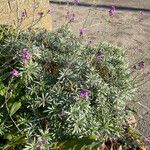
Erysimum linifolium
Alpine wallflower
Description
Source: leafsnapErysimum linifolium, commonly known as the Flax-leaved Wallflower, is a perennial plant that belongs to the Brassicaceae family. Native to western North America, this plant thrives in rocky areas, meadows, and open forests. It typically reaches a height of up to 60 cm and features narrow leaves that are linear or lance-shaped with a bluish-green hue. The flowers are small and consist of four petals, which can range in color from yellow to orange-red or purple. Blooming from late spring through summer, these blossoms attract bees and butterflies. Erysimum linifolium is a hardy plant that can tolerate drought conditions once established but prefers well-drained soil with moderate moisture levels. While it thrives in full sun, it can also grow well in partial shade conditions. Historically, the Flax-leaved Wallflower has been used for medicinal purposes by Native American tribes as an herbal remedy for various ailments, including coughs, colds, sore throats, and skin irritations. In gardens, Erysimum linifolium is an excellent addition due to its attractive flowers, which bloom over an extended period, providing color throughout the summer months. It also draws pollinators, thereby helping to maintain biodiversity within ecosystems where it grows naturally. Overall, Erysimum linifolium is a beautiful perennial plant with numerous benefits, both aesthetically and medicinally. It is an excellent choice for gardeners seeking low-maintenance plants that provide long-lasting beauty throughout the growing season while supporting local ecosystems.
🌳 The bright blossoms of alpine wallflower attract numerous pollinating insects. This trait is vital to the local ecosystem because it supports the life cycles of bees, butterflies, and other pollinators, which in turn encourages a flourishing and diverse community of flowering plants. The relationship between alpine wallflower and its pollinators is a clear example of mutualism, with both the plant and the insects gaining benefits from the interaction. Besides adding beauty to alpine landscapes, alpine wallflower plays an important role in maintaining local biodiversity.
Care Guide
💧 Water Every 7 days
The alpine wallflower thrives in conditions of moderate moisture and prefers soil that remains consistently moist. To ensure its health, it should be watered on a weekly basis. Typically cultivated outdoors, the alpine wallflower reaches its peak growth during the rainy season, which aligns well with its watering requirements.
☀️ Light Full sun
The alpine wallflower prefers full sun to do well, though it can tolerate slightly more shade. It comes from areas that receive a consistent amount of sunlight. Excessive or insufficient light can harm its growth and may leave the plant weakened.
What are the sunlight requirements for Alpine wallflower?
Alpine wallflower requires full sun exposure, thriving in conditions with more than 6 hours of sunlight daily, but it can also tolerate partial sun with about 3-6 hours of sunlight. Ensuring the right balance of light and shade will contribute to the plant's health and growth. It's essential to watch how sunlight moves through your garden to select the ideal planting spots, aiming for a perfect balance that meets the plant's needs.
How does sunlight affect the growth of Alpine wallflower?
Alpine wallflower comes from regions with consistent sun exposure and prefers full exposure to the sun's rays. Both overexposure and underexposure to sunlight can negatively impact its growth, potentially leading to weakened health. In spaces with insufficient natural sunlight, especially during winter or in darker interiors, artificial lighting such as LED lights can provide the necessary wavelengths for optimal plant growth. Proper lighting ensures the plant remains healthy by promoting faster growth, with full sun plants needing 30-50W/sq ft, partial sun plants 20-30W/sq ft, and full shade plants 10-20W/sq ft of artificial light.
What are the symptoms of light deficiency in Alpine wallflower?
When Alpine wallflower experiences inadequate lighting, several symptoms may appear, including smaller new leaves, leggy or sparse growth, faster leaf drop, slower or halted growth, lighter-colored new leaves, and conditions like chlorosis, sunscald, leaf curling, wilting, and leaf scorching. These symptoms indicate that the plant is not receiving the optimal amount of sunlight it requires for healthy development.
What are the solutions to lighting issues for Alpine wallflower?
To address lighting issues for Alpine wallflower, consider gradually moving the plants to sunnier locations to receive at least 6 hours of direct sunlight daily. Use south-facing windows for indoor plants, and where necessary, supplement with artificial light, keeping a desk or ceiling lamp on for at least 8 hours daily or using professional plant grow lights. For outdoor plants, ensure they are moved gradually to prevent sunburn. If sunlight is blocked by obstructions like trees, consider pruning to allow more light through. For smaller plants, consider transplanting during the dormant period to a location with better light exposure and drainage. Remember, parts of the plant that have suffered due to low light may not recover, but new growth should be healthier following these adjustments.
🌡️ Temperature 5–32.2°C
Alpine wallflower can tolerate a wide range of temperatures, but its distribution may still be restricted by particular combinations of moisture and heat. It grows best in warm summer conditions with sufficient rainfall or watering. Extended spells of cloudy, rainy weather, as well as extended high temperatures, can raise the chance that Alpine wallflower will die. In winter, protecting it from cold can increase its survival rate.
What is the botanical name of the Alpine wallflower?
The botanical name of the Alpine wallflower is Erysimum linifolium.
💨 Humidity
🪴 Soil 6-7
🌱 Fertilizer
The best time to fertilize an Alpine wallflower is in early spring, when it is coming out of dormancy and starting active growth. Fertilizing provides essential nutrients for healthy development. Although the Alpine wallflower has relatively low fertilizer needs, annual feeding can improve its survival and encourage better, longer-lasting flowers.
🪴 Pot & Repot
✂️ Pruning
The alpine wallflower is a hardy perennial valued for its vibrant blooms. To encourage new growth and remove dead stems, prune in the spring. Lightly trim the plant to maintain its shape, being careful not to cut into the old wood. This will promote a denser plant and extend its blooming period.
🌿 Propagating
🐛 Diseases & pets
☠️ Toxicity
Characteristics
- Plant Type
- Herb
- Life Cycle
- Perennial, Annual
- Genus
- Erysimum
- Family
- Brassicaceae
- Hardiness Zone
- 5-9
- Mature Height
- 30 cm
- Mature Spread
- 30 cm to 49 cm
- Leaf Color
- Green, Variegated
- Leaf Type
- Evergreen, Semi-evergreen
- Flower Color
- Purple, Lavender
- Flower Size
- 1.52 cm to 2.03 cm
- Bloom Time
- Mid spring, Late spring, Early summer
- Planting Time
- Spring
- Harvest Time
- Early summer, Mid summer