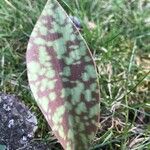
Erythronium americanum
Yellow trout lily · Trout-lily · Amberbell · Yellow adder's-tongue · Eastern trout-lily
Description
Source: leafsnapErythronium americanum, the trout lily, yellow trout lily, or yellow dogtooth violet, is a species of perennial, colony forming, spring ephemeral flower native to North America and dwelling in woodland habitats. Within its range it is a very common and widespread species, especially in eastern North America. The common name "trout lily" refers to the appearance of its gray-green leaves mottled with brown or gray, which allegedly resemble the coloring of brook trout.The range is from Labrador south to Georgia, west to Mississippi, and north to Minnesota.
🌳 Yellow trout lily is more than a pleasing spring bloom; it also plays an ecological role as an indicator species of soil health. Its presence can indicate a rich, undisturbed soil ecosystem, which is useful for conservationists monitoring the effects of human activity on woodland habitats.
🎭 Protection and undoing love spells. It symbolizes danger, caution and deadly beauty. Yellow: “I’m walking on air”; gaiety. White: sweetness, purity. Tiger: wealth, pride. Orange: wealth. Calla: Beauty day
Care Guide
💧 Water
The yellow trout lily flourishes in humid environments, much like its natural habitat on the forest floor. It prefers soil that remains consistently moist but can endure mild drought conditions once it is well-established. To keep it healthy, it is important to water the plant weekly, while ensuring the soil does not become waterlogged. Additionally, the yellow trout lily benefits from seasonal rainfall, which supports its growth cycles.
What do I do if I give my Yellow trout lily too much or too little water?
The Yellow trout lily doesn't need much water, so it's easy to overwater it, which can cause bulb rot. Signs of this include a mushy bulb, floppy stems with spots, droopy flowers, and a yellowed stalk. If the leaves turn yellow before the flowers bloom, it means the plant is being overwatered. Unfortunately, bulb rot cannot be reversed, so if caught early, the rotten portions of the bulb should be carefully removed and the soil should be replaced. For outdoor plants, they should be moved to a different location. Underwatering is less of a problem, but signs include no blooms, sagging stalks, and browning around the edges of the flower petals. If you've given your Yellow trout lily too little water, give it a good drink but avoid saturating the soil. Extended periods of soaking can lead to root rot and fungus, which cause spots on leaves and buds and discoloration and death of leaf tips.
How many times a week should I water my Yellow trout lily?
The Yellow trout lily is a hardy plant that doesn't require a lot of attention. It thrives when planted directly in the ground, preferably in the hottest and brightest area of your garden. However, if you prefer to grow it in a pot, that is also an option. Since it is a bulb plant, you need to be careful not to overwater it while it is growing, as this can cause the bulb to rot. After planting the Yellow trout lily, give it a thorough watering, but then you can leave it be until you see shoots appear. This initial watering helps kickstart its growth. To ensure the best outcomes, check the moisture of the soil after new leaves have grown. Stick your finger about 2-3 inches below the soil surface. If it still feels wet, there is no need to water the plant. For potted plants, check the water collection tray for any standing water. If there is standing water, avoid watering the plant. For a more precise moisture reading, insert a moisture sensor about 2-3 inches into the soil. The reading should indicate the soil is in the middle of the "moist" category. It is recommended to water the Yellow trout lily once per week.
How should I change how much I water my Yellow trout lily based on the conditions?
The Yellow trout lily is a hardy plant that can survive in harsh conditions. When planting outdoors, you can rely on nature to provide most of the water it needs. Just ensure that the soil has good drainage. However, if you are growing it in a pot, be cautious with watering to avoid bulb rot. Water less frequently and ensure there are drainage holes in the pot. During the growing phase, you should water the Yellow trout lily about one inch per week to promote blooming. The amount of water needed also depends on the climate. In hot and dry areas, the water may evaporate faster, so you may need to water it more often. In humid climates, watering less might be sufficient. Always check the soil's moisture level to avoid overwatering. The plant thrives in well-drained and moist soil.
☀️ Light Partial sun
Yellow trout lily prefers moderate sunlight. Excessive exposure can hinder its growth, while it can survive in low-light conditions similar to its natural habitat. Although reduced light may slow its growth rate, it does not significantly harm the plant.
What are the sunlight requirements for Yellow Trout Lily?
Yellow Trout Lily thrives in areas that provide partial sun to full shade, requiring about 3-6 hours of sunlight for partial sun and less than 3 hours for full shade conditions. It’s important to watch how sunlight moves through your garden to select the ideal spots for your plants, striking a balance between light and shade. In its natural habitat, this plant prefers moderate sun exposure but can survive in low-light conditions, although this may slow down its growth. Excessive exposure to sunlight may hinder its growth.
How can artificial lighting be used for Yellow Trout Lily indoors?
When natural sunlight is insufficient, especially during winter or in less sunny spaces, artificial lighting can be a vital solution for indoor Yellow Trout Lily plants. LED lights are recommended because they can be adjusted to provide specific wavelengths needed for plant growth. Full sun plants require 30-50W/sq ft, partial sun plants need 20-30W/sq ft, and full shade plants require 10-20W/sq ft of artificial light. The light source should be placed 12-36 inches above the plant to mimic natural sunlight, ensuring the plant receives 8-12 hours of light per day.
What are the signs of light deficiency in Yellow Trout Lily?
Yellow Trout Lily may exhibit various symptoms under insufficient light, including smaller new leaves compared to mature ones, leggy or sparse growth, faster leaf drop, slower or halted new growth, and lighter-colored new leaves. Chlorosis, where leaves lose their green color and turn yellow, sunscald resulting in pale or necrotic areas, leaf curling as a defense mechanism to reduce sunlight exposure, wilting due to increased water loss, and leaf scorching characterized by brown, crispy edges, are other signs of poor light conditions or excessive sunlight exposure.
How can I address light deficiency or excess for Yellow Trout Lily?
To combat light deficiency or adjust to changing light conditions for Yellow Trout Lily, gradually introduce the plant to sunnier spots each week to reach 3-6 hours of direct sunlight daily. If the plant is large or difficult to move, artificial light from a desk or ceiling lamp for at least 8 hours daily, or professional plant grow lights can provide adequate light. For outdoor plants, avoid sudden changes in light intensity to prevent sunburn. If sunlight is blocked, consider pruning obstructing trees for outdoor plants or transplanting smaller plants during their dormant period to locations with ample sunlight.
🌡️ Temperature 0–32.2°C
The yellow trout lily is a plant that favors a cooler climate. In its native habitat it grows in temperatures from 32 to 68 ℉ (0 to 20 ℃). It can endure winter lows down to 23 ℉ (-5 ℃). During the growing season it requires temperatures of 50 to 68 ℉ (10 to 20 ℃).
What are the ideal growth conditions for Yellow Trout Lily?
Yellow Trout Lily, or Erythronium americanum, thrives in cooler climates with its native growth environment falling within the temperature range of 32 to 68°F (0 to 20°C). It can withstand winter temperatures as low as 23°F (-5°C) without needing additional frost protection measures. However, to prepare for winter, it's advised to water the plant generously before the first freeze in autumn to ensure the soil remains moist and enters a frozen state. This helps prevent drought and water scarcity for the plant during winter and early spring. Throughout the growing season, the Yellow Trout Lily prefers temperatures between 50 to 68°F (10 to 20°C).
How does Yellow Trout Lily respond to extreme temperatures?
Yellow Trout Lily exhibits remarkable tolerance to low temperatures but should be kept above the limit growth temperature of 23°F (-5°C) during winter. While the plant might not show noticeable changes if temperatures drop below this threshold, a decrease in sprouting or even a lack of sprouting might occur in the spring. In such cases, it's recommended to remove any parts that failed to sprout. Conversely, Yellow Trout Lily is not tolerant of high temperatures. Exceeding the maximum suitable growth temperature of 68°F (20°C) halts its growth and increases susceptibility to rot. Sunburned and dried-up parts should be trimmed away, and the plant should be moved to a shaded location or protected with a shade cloth from the midday and afternoon sun. Additionally, watering the plant in the morning and evening helps keep the soil moist and supports its health.
💨 Humidity
🪴 Soil 5-6
🌱 Fertilizer
The best time to fertilize a Yellow trout lily is in early spring, as it comes out of dormancy and begins active growth. Fertilizing provides essential nutrients for healthy growth. Although a Yellow trout lily has relatively low fertilization needs, applying fertilizer annually can improve its survival and promote better, longer-lasting flowers.
Why should I put fertilizer on my Yellow trout lily?
Fertilization is important to the Yellow trout lily for various reasons. It provides essential nutrients for the plant's growth above and below ground. Although Yellow trout lilies generally have low fertilization needs and can survive without it, annual fertilization can greatly benefit the plant. It helps sustain its life and may improve the quality and longevity of its flowers. Therefore, those wanting their Yellow trout lily to thrive should prioritize annual fertilization.
When should I fertilize my Yellow trout lily?
Fertilizing a Yellow trout lily in late winter to early spring is the ideal time. This is when the plant is transitioning from dormancy to active growth, so fertilization then promotes healthy growth and a strong start to the season. While early spring is the best time, fall is also an acceptable time to fertilize. However, it is not recommended to fertilize in summer or winter.
When is it not a good idea to fertilize my Yellow trout lily?
To properly care for your Yellow trout lily, it's important to know when to fertilize. The ideal time for fertilization is during late winter and early spring, as this plant has low fertilization needs and typically only requires one feeding per year. It's crucial not to continue fertilizing throughout spring, summer, and fall, as this can lead to overfertilization and associated issues. However, if you happened to miss fertilizing during spring, it is acceptable to feed the plant in the fall. Additionally, there is no need to fertilize during winter when the Yellow trout lily is in a dormant phase without new growth. Therefore, it is not recommended to fertilize during most of the winter season.
What kind of plant food does my Yellow trout lily need?
To ensure your Yellow trout lily thrives, you can use any general-purpose fertilizer that has a balanced amount of the three main plant nutrients. However, there are specific nutrient blends that can be even more beneficial. Many gardeners believe that higher phosphorus levels lead to stronger roots and better flowers, making a phosphorus-rich fertilizer a good choice for a flowering plant like the Yellow trout lily. Whether in granular or liquid form, the important thing is to provide sufficient nutrients. Besides manufactured fertilizers, you can also enhance the soil for your Yellow trout lily by using compost, manure, and similar organic materials. These will greatly contribute to creating a healthy growing medium for your plant.
How can I put fertilizer on my Yellow trout lily plant?
To fertilize a Yellow trout lily, the most common approach is to use granular or pellet fertilizer around the plant. It is important to do this when the plant is transitioning from its dormant phase to active growth, typically in early spring. Once shoots start to emerge from the soil, you can apply the fertilizer. Alternatively, some people prefer using liquid fertilizer, which should be diluted with water before application. Regardless of the type of fertilizer you use, it is always recommended to moisten the soil before, during, and after fertilizing.
🪴 Pot & Repot Every 12 months
Repot Yellow trout lily in early spring. Choose a pot that is wider than it is deep and provides good drainage. Use a loamy, well-draining potting mix enriched with compost. Gently remove old soil from the bulb and plant it to a depth equal to the bulb’s height. Water thoroughly after repotting and place the pot in a sunny spot. Avoid overwatering to prevent the bulb from rotting.
✂️ Pruning
For the best results, prune yellow trout lilies from early to late spring, which coincides with their blooming period. Trim away dead foliage and spent flowers to boost the plant's health and conserve its energy. Be careful not to make excessive cuts, as this could disrupt the plant's natural growth. Pruning in this way encourages vigorous health and helps maintain a neat appearance in the garden.
🌿 Propagating
🐛 Diseases & pets
☠️ Toxicity
Characteristics
- Plant Type
- Herb
- Life Cycle
- Perennial
- Genus
- Erythronium
- Family
- Liliaceae
- Hardiness Zone
- 3-7
- Mature Height
- 0 cm to 30 cm
- Mature Spread
- 10 cm
- Leaf Color
- Green, Purple, Brown
- Leaf Type
- Deciduous
- Flower Color
- Yellow
- Flower Size
- 2.54 cm to 7.62 cm
- Bloom Time
- Mid spring, Late spring
- Planting Time
- Autumn
- Harvest Time
- Late spring, Early summer
- Native Area
- Eastern Canada and Eastern and North Central United States