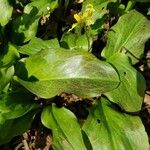
Erythronium revolutum
Pink fawn-lily · Mahogany Fawn-Lily · Mahogany fawnlily · Coast fawn lily
Description
Source: leafsnapErythronium revolutum, commonly known as the pink fawn lily or coast fawn lily, is a perennial plant native to western North America. This member of the lily family typically thrives in moist, shaded environments such as forests and meadows. The plant produces one or two basal leaves that are green with purple mottling and can grow up to 30 cm long. Its pink flowers, characterized by six backward-curving petals, have a distinctive appearance and bloom in early spring, lasting for several weeks. Erythronium revolutum serves as an important food source for various animals, including deer, elk, bears, and rodents, who consume the plant's bulbs. Indigenous peoples have also utilized the plant for medicinal purposes, such as treating coughs and colds. The plant prefers well-drained soil rich in organic matter but can tolerate some drought once established. It performs best in partial shade but can also grow in full sun if provided with sufficient moisture. Overall, Erythronium revolutum is an attractive native wildflower that enhances woodland gardens or naturalized areas with its vibrant color and provides significant ecological benefits to local wildlife populations.
Care Guide
💧 Water Every 7 days
Mahogany fawnlily flourishes in environments with moist soil and dappled sunlight, similar to its natural habitat. To maintain proper soil moisture and moderate humidity, water the plant every 1 to 2 weeks. While it is generally grown outdoors, the mahogany fawnlily enters a dormant phase after flowering, at which point it requires less water.
How should I water my Mahogany fawnlily?
The Mahogany fawnlily has specific preferences for how much water it gets. Not only that, but it also cares about how you give it water. If you don't use the right watering technique, your tomatoes could be harmed. To water the Mahogany fawnlily properly, you should apply water directly to the soil in a slow and gentle way. Avoid pouring all the water into the soil at once or doing overhead watering. Instead, water slowly and deeply to make sure all the soil where the Mahogany fawnlily grows is adequately moist.
What should I do if I give my Mahogany fawnlily too much water or too little water?
If your Mahogany fawnlily is overwatered and you're worried about disease, it's important to take immediate action. The best way to address this is by removing the plant from its current spot and letting its roots dry before transplanting it to a new location with better soil drainage. If you're growing the plant in pots, you might consider using a pot with more or larger drainage holes. On the other hand, if the issue is underwatering, you simply need to water the plant more frequently.
How frequently do I need to water my Mahogany fawnlily?
Mahogany fawnlily needs a lot of water during the growing season. To meet this need, water it frequently in the spring and summer. At the beginning of the season, water it once or twice a week. As the season goes on, increase the frequency of watering, potentially up to twice a day during summer. Once the major growth phases are over, you can reduce watering to once a week until the end of the growing season.
How much water does my Mahogany fawnlily require?
Mahogany fawnlilies are very popular among gardeners, both professional and amateur, and we have a good understanding of how to take care of these plants. Specifically, we know that they need about 1-1.5 inches of water per week, evenly distributed during watering. As the weather gets warmer, you might need to increase the amount of water, but generally, two inches per week is a good starting point.
How do I know if I am giving enough water to my Mahogany fawnlily?
Your Mahogany fawnlily can experience problems from underwatering or overwatering, and both can show similar symptoms. For instance, when not getting enough water, the leaves will curl and droop. The foliage may appear less lively, and the plant's growth and development can be stunted since it requires plenty of water. On the other hand, overwatering can lead to diseases and rot, as well as unpleasant odors from the soil. Symptoms of underwatering appear sooner than overwatering, and overwatering can be identified by excessive standing water or waterlogged soil.
☀️ Light Partial sun
Mahogany fawnlily prefers spots with partial sunlight, though it can also grow in complete shade. Its native habitat, defined by a dappled canopy, shapes this preference. Excessive sun exposure can damage the plant, while too little light may limit its growth.
What are the sunlight requirements for Mahogany fawnlily?
Mahogany fawnlily thrives with exposure to partial sun, requiring about 3-6 hours of sunlight daily, but it can also grow well under full shade conditions where sunlight is less than 3 hours per day. Its native habitat under dappled canopy coverage allows it to adapt to both conditions. However, excessive sun exposure may harm the plant, and insufficient light might restrict its growth. Monitoring the movement of sunlight through your garden and selecting locations that offer a balance between light and shade can ensure the plant's well-being.
How should indoor Mahogany fawnlilies be lit with artificial lighting?
When natural sunlight is insufficient for indoor Mahogany fawnlilies, artificial lighting is a practical solution for promoting growth. LED lights, with their ability to mimic specific wavelengths required by the plant, are preferred. The guidelines for artificial light intensity are 30-50W/sq ft for full sun plants, 20-30W/sq ft for partial sun plants, and 10-20W/sq ft for full shade plants. Positioning the light source 12-36 inches above the plant and ensuring it receives 8-12 hours of light per day will mimic natural daylight conditions and support optimal growth.
What are the symptoms of inappropriate light exposure in Mahogany fawnlily?
Mahogany fawnlily may exhibit several symptoms when exposed to inadequate light conditions, including smaller new leaves, leggy or sparse growth, earlier leaf drop, halted growth, pale new leaves, chlorosis, sunscald, leaf curling, wilting, and leaf scorching. These symptoms vary depending on whether the plant is getting too much or too little light, affecting its overall health and ability to photosynthesize. Adjusting light conditions can address some of these issues.
What are the solutions for Mahogany fawnlily experiencing light exposure issues?
For Mahogany fawnlilies facing light exposure problems, gradual adaptation to light conditions is essential. Indoors, move the plant to progressively sunnier spots each week, or use artificial lights for at least 8 hours daily if the plant is large or immovable. Outdoors, gradually relocate plants to more suitable sunlight exposures to prevent sunburn. Reducing obstructions like overhanging branches can also help maximize sunlight exposure. For smaller plants, consider transplanting during their dormant period to a location with better light and drainage. Note that parts of the plant that suffered due to insufficient light may not recover, but new growth will be healthy with improved light conditions.
🌡️ Temperature 5–32.2°C
Mahogany fawnlily naturally occurs in temperate regions where temperatures usually range from 41 to 89.6°F (5 to 32℃). It does best within these limits and may need artificial adjustment or protection if temperatures fluctuate significantly outside this range.
What is the natural habitat temperature range for Mahogany fawnlily?
Mahogany fawnlily is naturally found in temperate climates, with temperatures ranging from 41 to 89.6°F (5 to 32°C). It flourishes within these temperature parameters, although it may require artificial climate adjustment or protection if there is a significant deviation from this range. To promote optimal growth, especially during winter, it's beneficial to maintain temperatures above 5°C, ensuring the minimum temperature stays above the freezing point to prevent damage.
What should I do if the temperature drops below Mahogany fawnlily's tolerance in winter?
Mahogany fawnlily has a moderate tolerance to low temperatures, thriving best between 5°C and 32°C. If winter temperatures drop below its tolerance level, particularly under -5°C (25°F), it's advisable to bring the plant indoors or provide protection by setting up a temporary greenhouse or using protective materials like plastic film or fabric. In situations where the temperature falls below -30°C, leading to symptoms like darkening leaves and water-soaked necrosis, it's crucial to trim away frost-damaged parts, move the plant to a warmer environment indoors, and ensure it's placed near a south-facing window for sufficient sunlight, supplementing with artificial light if necessary.
How should I care for Mahogany fawnlily during high temperatures?
During summer, when temperatures can exceed Mahogany fawnlily's comfort zone, it's essential to keep the plant below 32°C to avoid growth slowdown and susceptibility to sunburn. If temperatures soar above 35°C, causing leaves to lighten and sunburn, you should trim away the affected parts and relocate the plant to a shaded area, protected from the afternoon sun. This is also a time to ensure the soil remains moist by watering the plant in the morning and evening.
💨 Humidity
🪴 Soil 5-6
🌱 Fertilizer
Mahogany fawnlily species benefit from one or two applications of natural, organic fertilizers that contain potassium and phosphorus. Apply the fertilizer before planting, ensure it is incorporated into the soil, and water thoroughly. One application is usually enough, but an additional application can be made once seedlings have become established. Avoid overusing fertilizer to prevent damage to the plants.
Why is it necessary to add fertilizer to my Mahogany fawnlily?
Mahogany fawnlily is known for its fast growth and high energy consumption in producing the root vegetables we love. Besides sunlight, oxygen, and water, Mahogany fawnlily species need nutrients to thrive and develop strong roots. Generally, garden soil contains these nutrients naturally due to decomposed organic matter. However, there are situations where the soil may not have enough nutrients to support healthy Mahogany fawnlily growth. In such cases, fertilizer can provide the necessary boost for the Mahogany fawnlily to flourish.
When should I fertilize my Mahogany fawnlily to make it grow best?
To prepare your soil for planting, apply natural fertilizer. You can choose when to do this, but make sure you have enough time to mix the fertilizer into the soil and water it thoroughly before planting seeds or seedlings. Normally, one application of fertilizer is sufficient for healthy growth of Mahogany fawnlilies throughout the season. However, if you wish to increase their yield further, you can apply an additional round of fertilizer once the seedlings have established themselves. Just be cautious not to use excessive fertilizer that may harm the plants.
When is the best time to not put fertilizer on my Mahogany fawnlily?
To ensure effective fertilization, remember to avoid applying fertilizer when the soil is dry. After fertilizing, make sure to water your plants thoroughly as this helps deliver the nutrients properly. If you prioritize the growth of foliage over the root crops, then high-nitrogen fertilizers might be suitable for you. However, take care not to let fertilizer come into contact with the base of the plant, leaves, or stems as it can potentially damage them.
Which fertilizer should I use for my Mahogany fawnlily?
Mahogany fawnlilies are commonly grown for their root, but the foliage can also be eaten. To promote strong root growth, choose a fertilizer with more phosphate and potassium, rather than nitrogen. Natural options like bone meal and kelp work well, but you can also use chemical fertilizers. Just be careful not to use a fertilizer with too much nitrogen, as it is not as essential for this vegetable. To determine the best fertilizer for your Mahogany fawnlilies, test the soil in the area you plan to use. Soil testing will indicate the nutrients needed, as well as other factors like density and pH level. Considering all these factors will contribute to the success of your plants, so it's important to take a holistic approach and treat the soil accordingly.
How do I add fertilizer to my Mahogany fawnlily to help it grow?
To fertilize your Mahogany fawnlily, start by mixing an organic fertilizer like bone meal or kelp into the soil before planting. If you need to fertilize again later in the season, use a layer of compost or well-rotted manure as mulch around the base of the plant (but not touching it). This will slowly release nutrients to the roots. For liquid fertilizers, dilute them with water as instructed for your crop and spray them on the ground surrounding the Mahogany fawnlily, being careful not to splash the plant. Granular fertilizers can be sprinkled around the base of the plant or between rows, or worked into the top layer of soil to prevent them from being washed or blown away.
🪴 Pot & Repot
✂️ Pruning
The Mahogany fawnlily is known for its unique pink blossoms and requires minimal maintenance. To keep the plant healthy, trim any dead or damaged leaves from early to late spring, after the flowers have bloomed. Avoid heavy pruning, as it can stress the plant. Instead, focus on light upkeep, which encourages healthier blooms and foliage. For detailed pruning advice, refer to reliable horticultural resources.
🌿 Propagating
🐛 Diseases & pets
☠️ Toxicity
Characteristics
- Plant Type
- Herb
- Life Cycle
- Perennial
- Genus
- Erythronium
- Family
- Liliaceae
- Hardiness Zone
- 4-8
- Mature Height
- 20 cm to 30 cm
- Mature Spread
- 10 cm to 15 cm
- Leaf Color
- Green, Brown
- Leaf Type
- Deciduous
- Flower Color
- Pink
- Flower Size
- 2.54 cm to 4.06 cm
- Bloom Time
- Early spring, Mid spring
- Planting Time
- Spring, Summer, Autumn
- Harvest Time
- Late spring, Early summer