Espeletia grandiflora shows strong resistance to disease and is generally not susceptible to illnesses. Regarding care, this plant is relatively low-maintenance. When planted outdoors it needs minimal watering, and larger specimens usually do not require pruning. Smaller plants, however, should be pruned after they have bloomed. Espeletia grandiflorat is appropriate for anyone with an outdoor area, such as a garden or a deck, and does not demand much gardening experience.
How to keep Espeletia Grandiflora.
Light
Espeletia grandiflora procede de hábitats abiertos, como praderas soleadas y los bordes de los bosques, donde encuentra abundante luz. Se desarrolla en pleno sol, aunque también tolera la sombra parcial, adaptándose bien a distintas condiciones de iluminación.
Water
Espeletia grandiflora thrives in arid environments, requiring watering only every 2-3 weeks due to its excellent drought tolerance. It also benefits from occasional humidity to mimic its natural habitat. As an evergreen, Espeletia grandiflora retains water in its foliage, which helps it survive dry conditions.
Temperature
Espeletia grandiflora originates from climates with temperatures ranging from 32 to 70 °F (0 to 21 ℃). It favors the cooler end of that range. Depending on the seasons, extra shade or a covering at night can help with temperature regulation.
Fertilizer
Timing is important when fertilizing Espeletia grandiflora. Apply fertilizer in early spring and continue monthly up to early summer. The fertilizer promotes beautiful blooms and supplies energy during both dormant and active growth phases.
Pruning
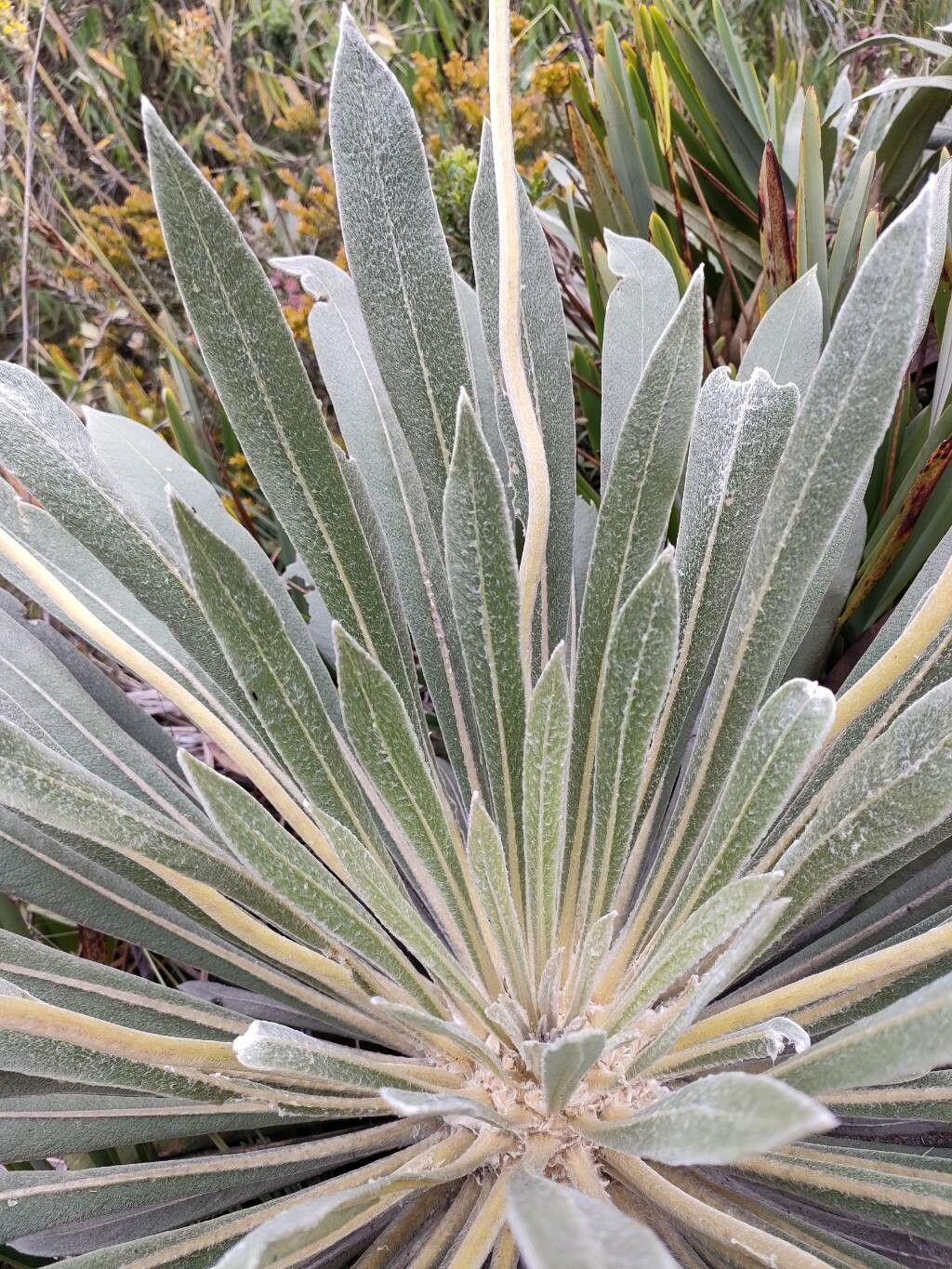
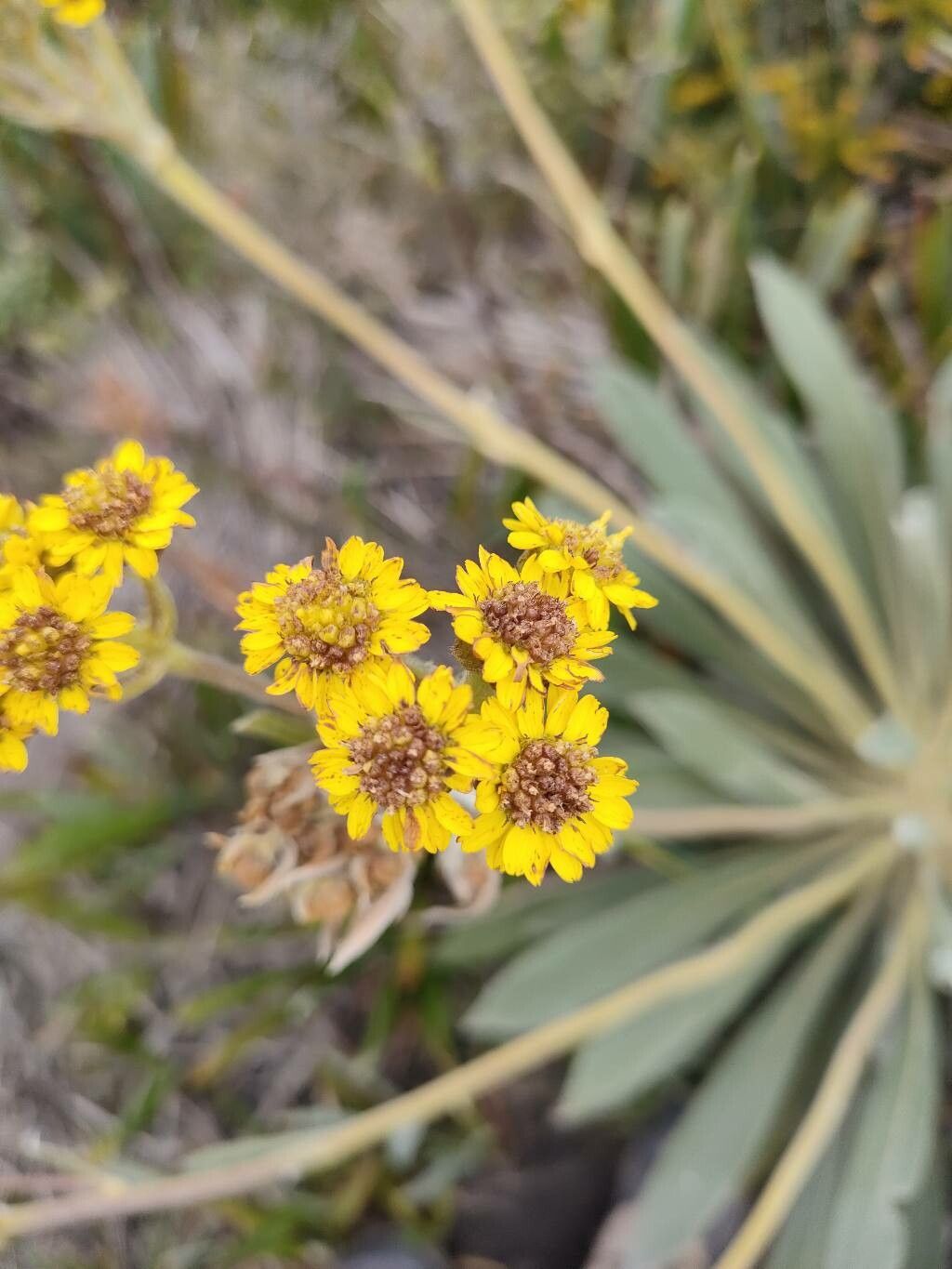
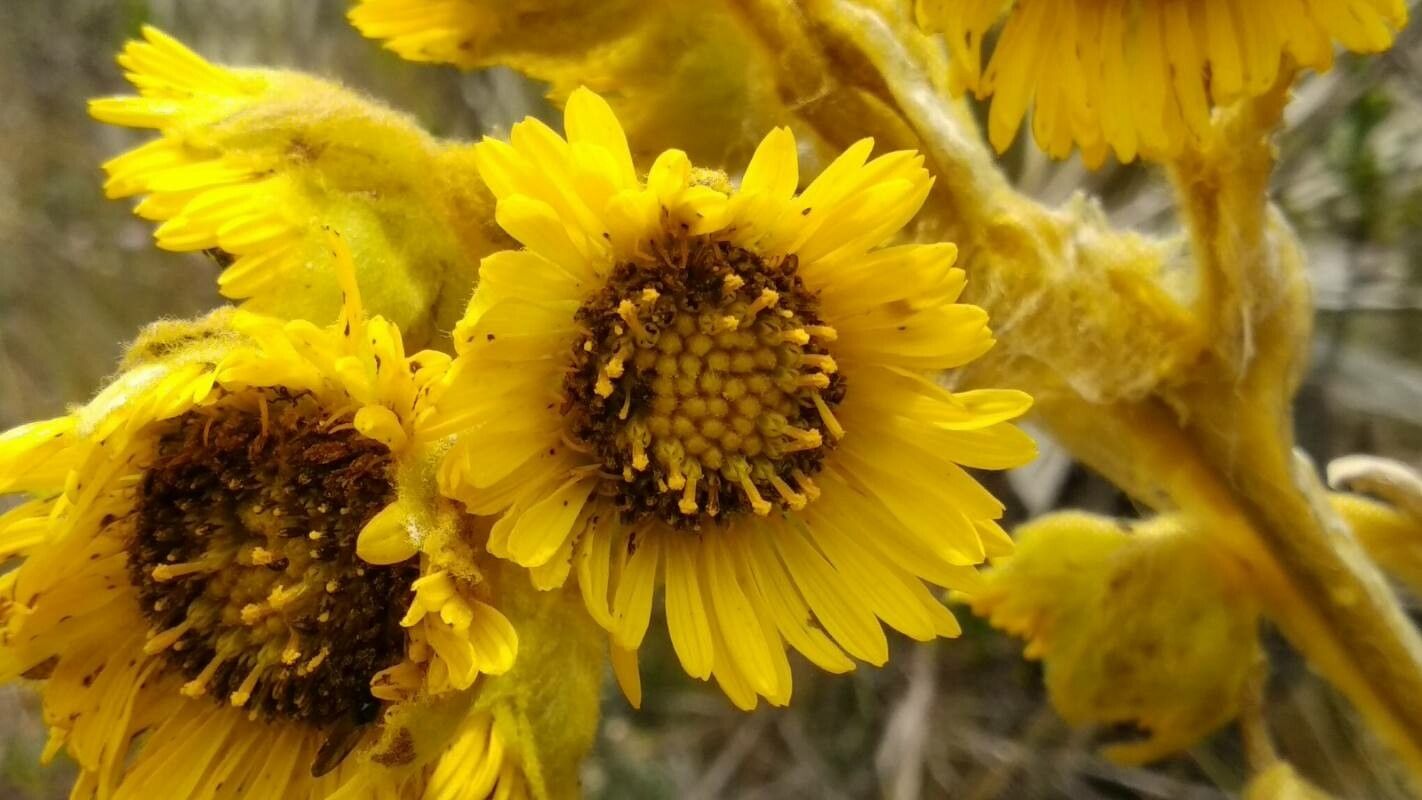
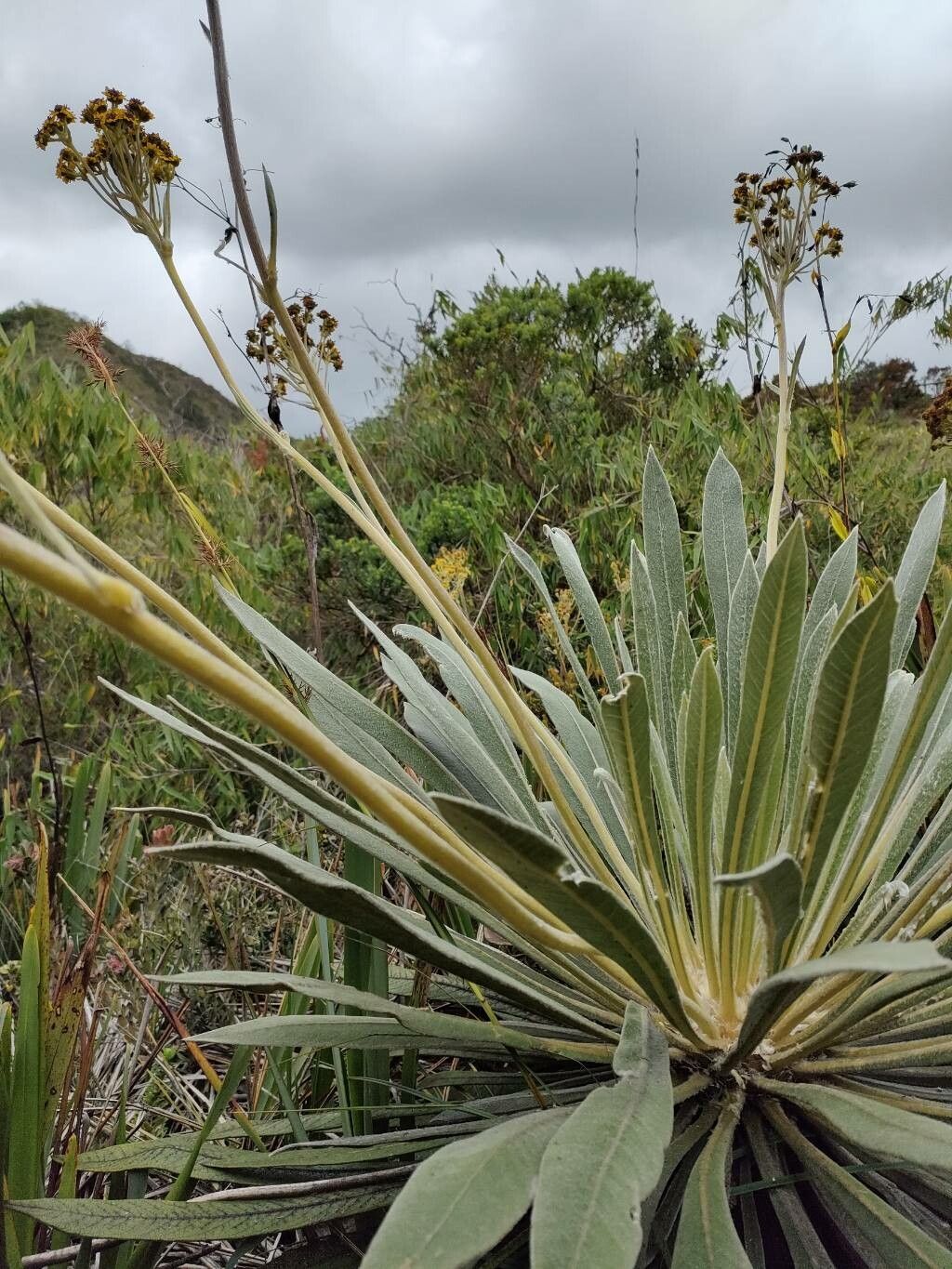
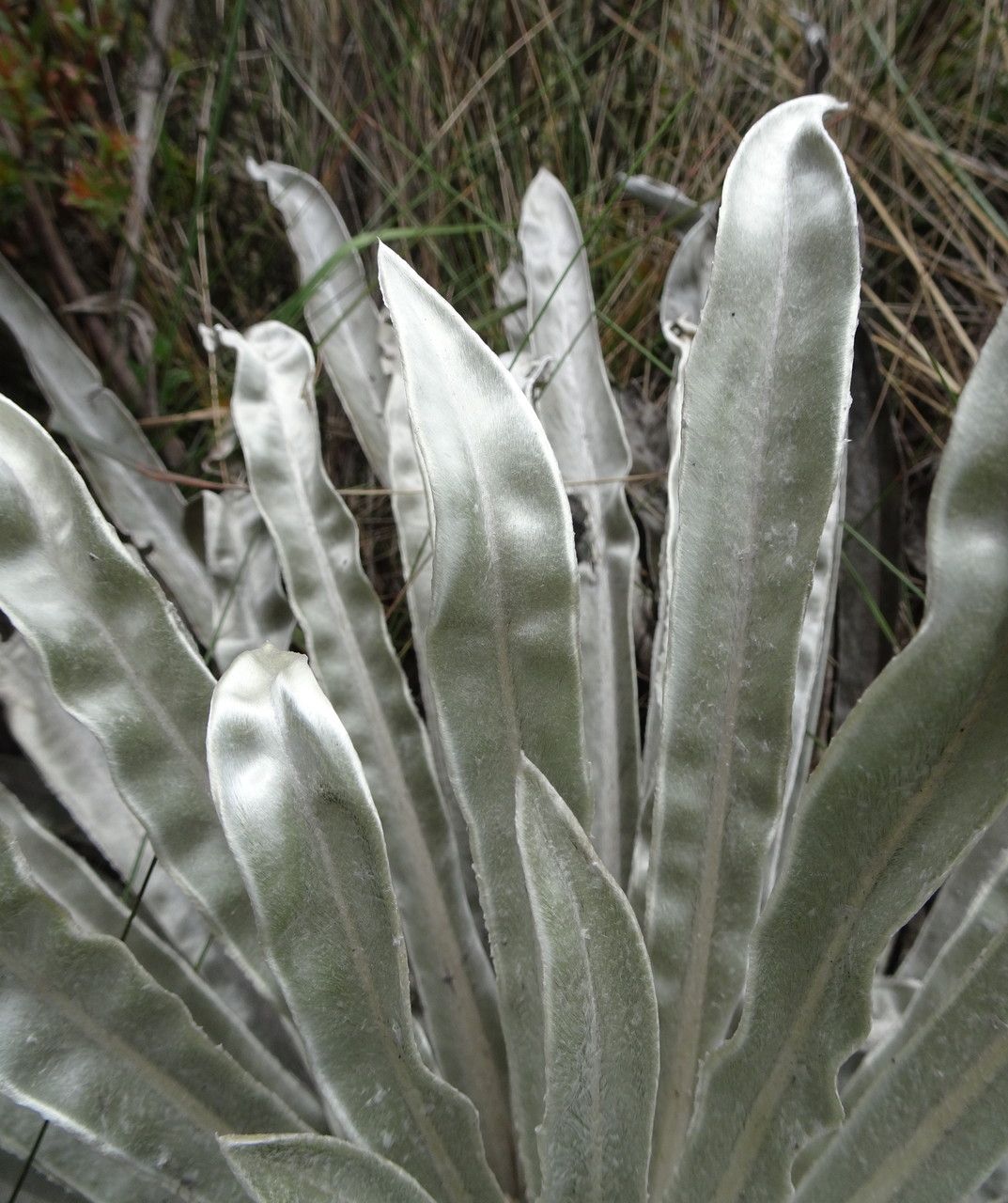
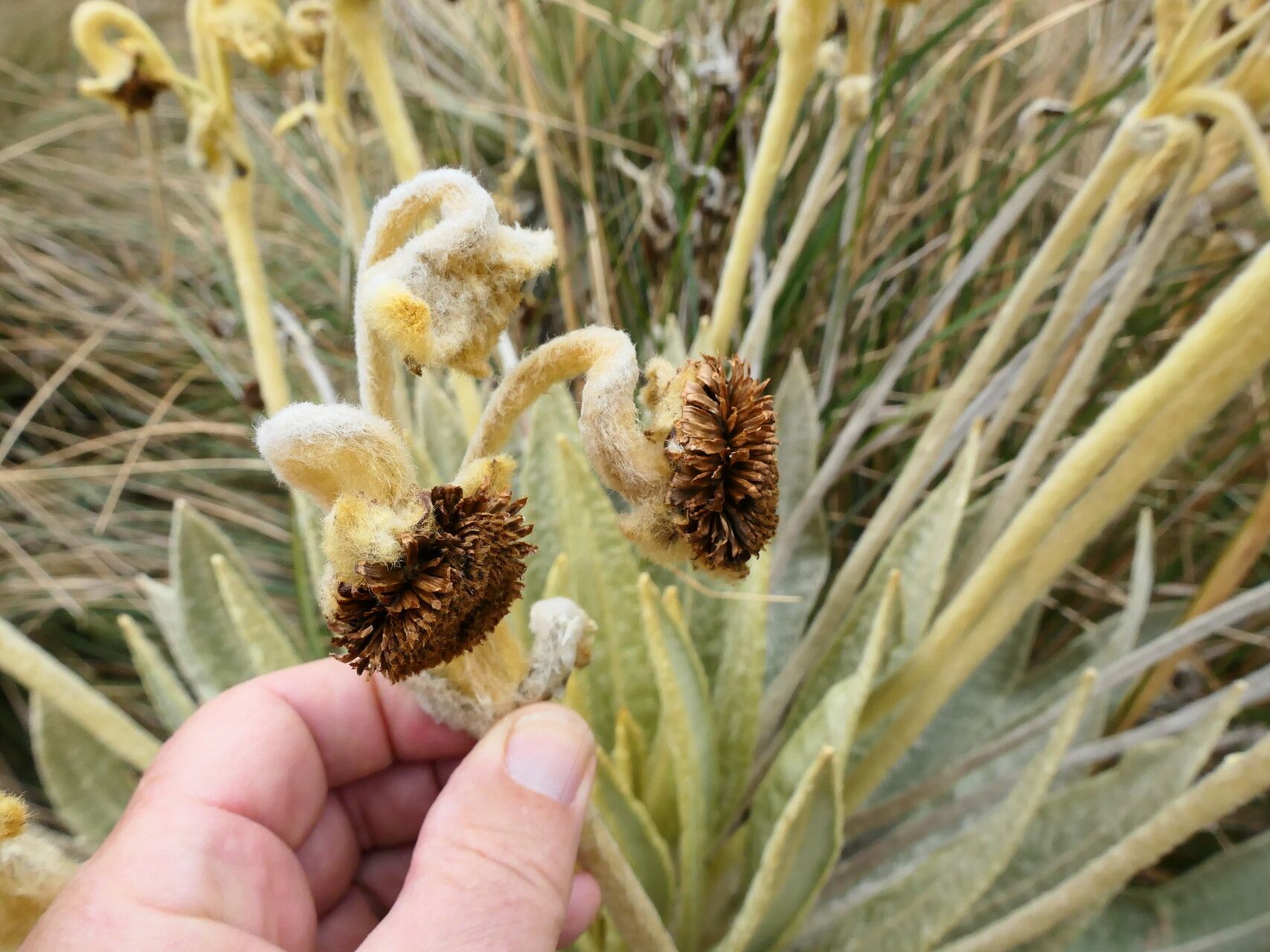
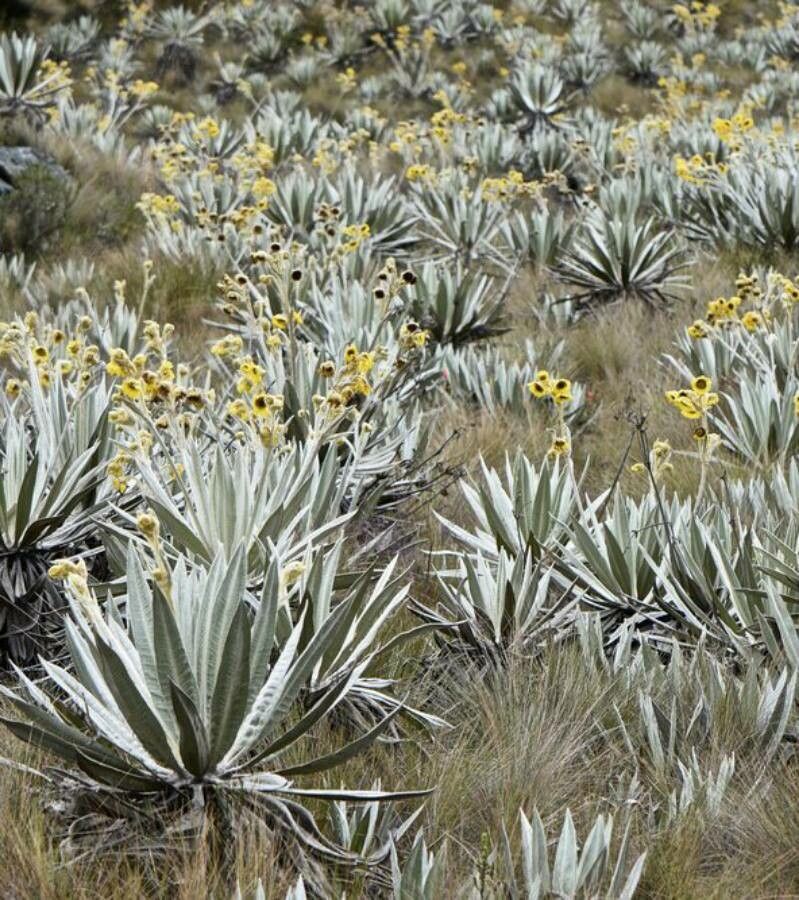
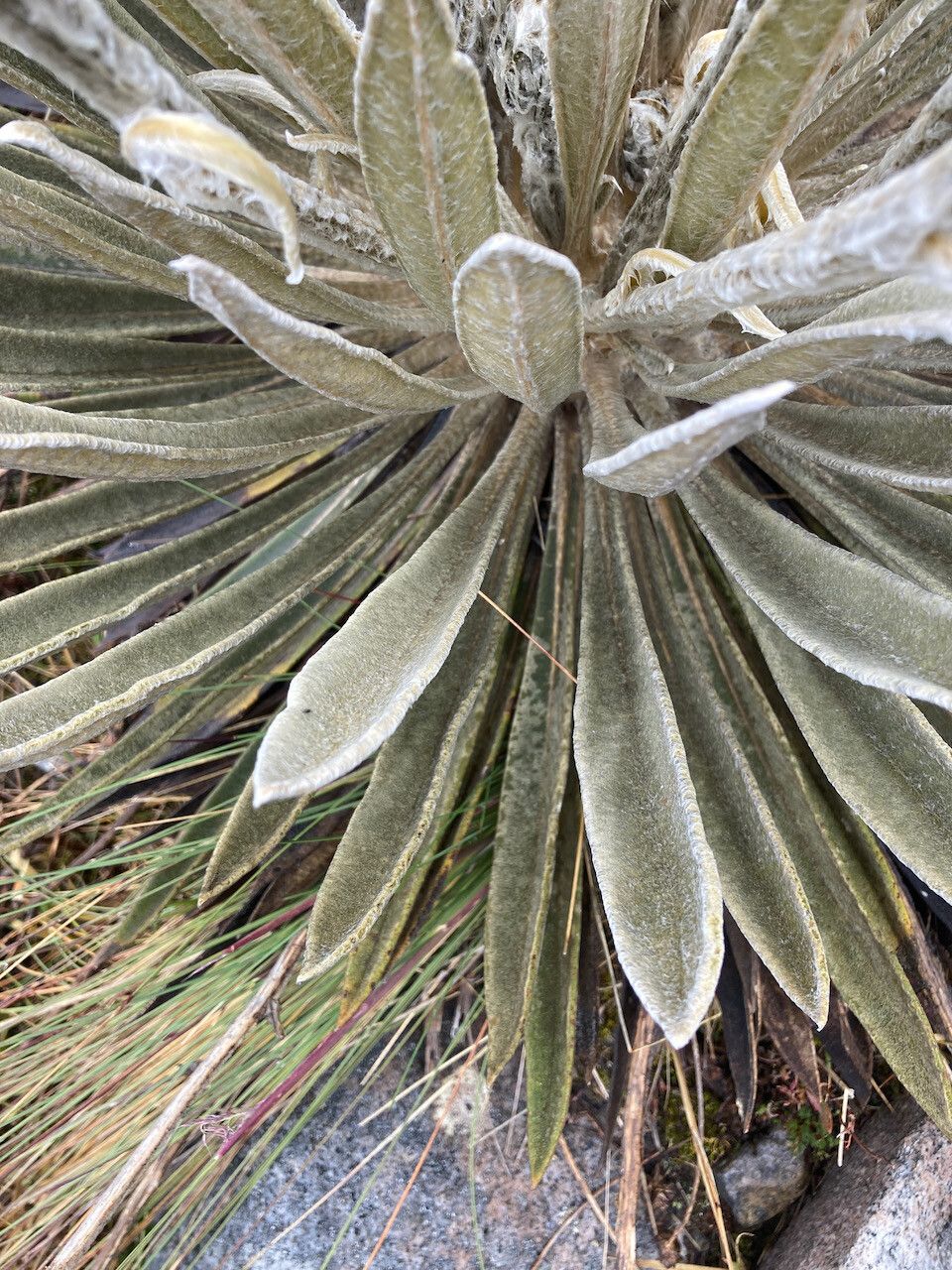
Espeletia grandiflora is known for its rosette of leaves and bright yellow flowers. To care for this plant, it's best to prune it in early to late winter. Focus on removing spent flower stalks and any damaged leaves. This practice minimizes stress on the plant, encourages new growth, improves air circulation, and reduces the risk of disease. Make sure to use clean, sharp tools for the best results.
Botanical profile.
- Plant Type
- Shrub
- Life Cycle
- Perennial
- Genus
- Espeletia
- Family
- Asteraceae
- Hardiness Zone
- 2
- Mature Height
- 3.96 m
- Mature Spread
- 49 cm to 91 cm
- Leaf Color
- Silver, Gray
- Leaf Type
- Evergreen
- Flower Color
- Yellow
- Flower Size
- 3.05 cm to 5.08 cm
- Bloom Time
- Summer
- Planting Time
- Spring, Summer, Autumn
- Harvest Time
- Fall
- Native Area
- Colombia
Reader questions.
What are the sunlight requirements for Espeletia grandiflora?
Espeletia grandiflora thrives in full sunlight, requiring more than 6 hours of sunlight daily, but it can also grow well in partial sun, which means about 3-6 hours of sunlight. It is crucial to observe how sunlight moves through your garden, selecting locations that offer the right balance for the plant's growth. Ample light is essential for its happiness and growth, mimicking its natural habitat in open environments such as sunny meadows and forest edges.
What is the native climate for Espeletia grandiflora?
Espeletia grandiflora thrives in climates where temperatures range from 32 to 70 °F (0 to 21 °C). It is native to cooler environments within this temperature range. To maintain optimal growth conditions, additional shade or night covering may be necessary depending on the seasonal temperatures. Espeletia grandiflora is quite cold-tolerant and does not need special frost protection measures during winter. However, watering the plant generously before the first autumn freeze is recommended to keep the soil moist. This preparation helps the soil enter a frozen state which prevents drought and water scarcity for the plant during the colder winter and early spring months.
How can artificial lighting be used for Espeletia grandiflora indoors?
When natural sunlight is not sufficient, especially during winter or in darker spaces, artificial lighting is a viable solution to ensure optimal growth of Espeletia grandiflora indoors. LED lights are recommended for their ability to provide specific light wavelengths needed by plants. Full sun plants require 30-50W/sq ft of artificial light, partial sun plants 20-30W/sq ft, and full shade plants 10-20W/sq ft. The light source should be placed 12-36 inches above the plant to simulate natural sunlight, and the lighting duration should mimic natural daylight hours, typically 8-12 hours per day.
How does Espeletia grandiflora respond to low temperatures?
Espeletia grandiflora is notably cold-tolerant and can endure winter temperatures above -40°C without showing any noticeable changes. However, if temperatures fall below this threshold, the plant's branches may become brittle and dry by springtime, failing to produce new shoots. To manage this, it is beneficial to prune away any dead branches that have not produced new leaves in the spring, encouraging healthy growth and recovery from the cold stress.
What symptoms indicate insufficient sunlight for Espeletia grandiflora?
Symptoms of insufficient sunlight in Espeletia grandiflora include smaller new leaves, leggy or sparse growth, early leaf drop, halted new growth, lighter-colored new leaves, chlorosis, sunscald, leaf curling, wilting, and leaf scorching. These symptoms arise from the plant's inability to perform photosynthesis effectively due to suboptimal light conditions. Observing these signs can help gardeners adjust their plant's light exposure to meet its needs.
What should I do if Espeletia grandiflora is exposed to high temperatures?
Espeletia grandiflora is sensitive to high temperatures, particularly those exceeding 21°C, which can cause significant leaf drop. In extreme cases, the plant may wither and die. To mitigate damage from excessive heat, it is advised to trim away the sunburned and dried-up parts of the plant. Relocating the plant to a shaded area or using a shade cloth to protect it from the midday and afternoon sun can also be beneficial. Ensuring the soil remains moist by watering the plant in the morning and evening will help relieve stress from high temperatures.
How can I address insufficient sunlight for Espeletia grandiflora?
To address insufficient sunlight for Espeletia grandiflora, consider the following solutions based on the setting: Indoors, gradually move the plant to a sunnier location each week until it receives at least 6 hours of direct sunlight daily, using a south-facing window and keeping curtains open. Use artificial light if necessary for at least 8 hours daily. Outdoors, gradually adapt your plants to more sunlight to avoid sunburn. Remove obstacles that block sunlight, and for smaller plants, consider transplanting during their dormant period to a sunnier spot with good drainage. Note that parts of the plant affected by low light may not recover, but new growth will be healthy with adjusted light exposure.