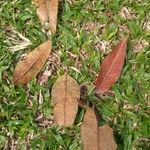
Eucalyptus deglupta
Rainbow-eucalyptus · Deglupta · Mindanao gum · Indonesian Gum · Kamarere
Description
Source: leafsnapEucalyptus deglupta, commonly known as the rainbow eucalyptus or Mindanao gum, is a tall tree species native to the Philippines, Indonesia, and Papua New Guinea. It is famous for its strikingly colorful bark, which peels away in patches to reveal a bright green layer underneath. This green layer gradually matures into shades of blue, purple, and orange before finally turning brown. In its natural habitat, the tree can grow up to 250 feet tall, but it typically reaches 100-125 feet when cultivated. The rainbow eucalyptus has long, narrow leaves that are dark green on top and pale on the underside, along with clusters of white flowers that bloom from late winter through early spring. Widely cultivated as an ornamental tree for its unique bark coloration, the rainbow eucalyptus also has commercial uses, such as pulpwood production and the extraction of essential oils from its leaves. It thrives in warm tropical climates with high humidity levels and well-drained soils, but it can also tolerate occasional droughts once established.
Care Guide
💧 Water Every 7 days
The rainbow gum tree, native to tropical rainforests, flourishes in environments with high humidity and regular moisture. To maintain optimal soil conditions, water the tree every two weeks, ensuring the soil remains evenly moist while avoiding over-saturation that could harm the roots. Typically grown outdoors, the rainbow gum thrives in warm temperatures and abundant rainfall, which help produce its striking multicolored bark. The colors are most vibrant when the tree is well-hydrated.
How should I water my Rainbow gum tree?
Watering your Rainbow gum is easy and flexible. You can use any common watering tool such as watering cans, hoses, or cups. Regardless of the tool you choose, it's important to apply the water directly to the soil and ensure all areas are evenly moistened. Using filtered water is a good idea to avoid harmful particles in tap water. Additionally, it's best to use water that is at or slightly above room temperature, as extreme temperatures can be shocking to the plant. However, the Rainbow gum typically responds well to any type of water you provide.
What should I do if I give my Rainbow gum tree too much or too little water?
Outdoor plants, especially newly planted ones or seedlings, are susceptible to being under-watered. It is important to ensure enough watering for a few months when the tree is small or recently planted. Once the roots are established, Rainbow gum can rely on rain most of the time. When Rainbow gum is planted in pots, overwatering is a common issue. If you accidentally overwater your Rainbow gum, take immediate action to correct it. Firstly, stop watering your plant to minimize the effects of overwatering. Then, remove the plant from its pot to inspect the roots. If no root rot is found, you can return the plant to its container. However, if you notice signs of root rot, trim away the affected roots and consider applying a fungicide. Finally, repot the Rainbow gum in well-draining soil. In the case of underwatering, simply water the Rainbow gum more frequently. Underwatering is usually an easy problem to fix. If the plant is underwatered, its leaves may droop, dry out, and fall off. However, after sufficient watering, the leaves will quickly regain their fullness. Adjust your watering frequency as soon as underwatering is observed.
How often do I need to water my Rainbow gum tree?
Most plants can grow naturally with rainfall. But if your area doesn't get much rain, you'll need to water your plants every 2 weeks during spring and fall. In the summer, you'll need to water them more often. In winter, plants grow slower and need less water, so water them sparingly or not at all. If your Rainbow gum is young or newly planted, water it more frequently to help it establish and grow better. For potted plants, you have two options. You can set a watering schedule, aiming for once a week or every other week. However, this may not be enough if the growing conditions are unique. Another option is to check the soil moisture. Wait until the top few inches are dry before watering again.
How much water does my Rainbow gum tree need?
When watering your Rainbow gum, you don't always need to use a lot of water. If only a few inches of soil have dried since your last watering, giving it about five to ten ounces of water will promote healthy growth. You can also determine the amount of water based on the moisture of the soil. Keep track of how many inches of soil have dried out between waterings. To ensure your Rainbow gum gets enough moisture, water enough to dampen all the layers of soil that have dried since the last watering. If more than half of the soil has dried out, you may need to give more water than usual. In these cases, continue watering until excess water drains from the pot's drainage holes. If your Rainbow gum is planted in an area that receives ample rainfall, it may not require additional watering. When the Rainbow gum is young or establishing itself, aim for 1-2 inches of rain per week. As it grows and becomes established, it can rely solely on rainwater. However, if there is hot weather and no rainfall for 2-3 weeks, it's best to give your Rainbow gum a full watering to prevent stress.
How can I know if I am watering my Rainbow gum tree enough?
The Rainbow gum is often overwatered, and there are clear indications to watch out for. Typically, an overwatered Rainbow gum will exhibit yellowing leaves and may shed some leaves. Overwatering can also lead to the plant's structure becoming shriveled and potentially promote root rot. Conversely, an underwatered Rainbow gum will also start to droop and may have brown or fragile leaves. If you notice signs of overwatering or underwatering, it is important to take action promptly to revive the health of your Rainbow gum.
☀️ Light Full sun
Rainbow gum is native to open habitats, such as sunny meadows and forest edges, where light is plentiful. It performs best in full sun but will also tolerate partial sun, showing adaptability to different light conditions.
What kind of sunlight does the Rainbow gum require?
Rainbow gum, scientifically known as Eucalyptus deglupta, thrives in environments that receive full sun, which amounts to more than 6 hours of sunlight daily. However, it can also tolerate partial sun, with about 3-6 hours of sunlight. This adaptability allows it to grow in a variety of sunlight conditions, from the sunny meadows and forest edges of its natural habitat to more shaded garden spots. Keep in mind, observing how sunlight moves through your garden helps in choosing locations that provide the perfect balance of light and shade, ensuring the well-being of your plants.
Can artificial lighting be used for Rainbow gum indoor plants, and how?
Yes, artificial lighting can be utilized for Rainbow gum indoor plants, especially in situations where natural sunlight is insufficient, such as during winter or in less sunny spaces. Adequate lighting is crucial for optimal growth, and artificial lights like LED lights are beneficial because they can be tailored to provide specific wavelengths needed by plants. For plants requiring full sun, 30-50W/sq ft of artificial light is recommended; for partial sun plants, 20-30W/sq ft; and for full shade plants, 10-20W/sq ft is suitable. The light source should be placed 12-36 inches above the plant to mimic natural sunlight, and the duration should replicate natural daylight hours, with most plants needing 8-12 hours of light per day.
What are some symptoms of light deficiency in Rainbow gum?
Rainbow gum is sensitive to heat and shows symptoms of light deficiency when placed in suboptimal lighting conditions. These symptoms include smaller new leaves, leggy or sparse growth, faster leaf drop, slower or no new growth, lighter-colored or pale new leaves indicating a lack of chlorophyll and nutrients, and conditions such as chlorosis, when leaves lose their green color and turn yellow. Excessive sunlight can also cause sunscald, leaf curling, wilting, and leaf scorching, which are signs of too much light exposure.
How do you care for light-deficient Rainbow gum both indoors and outdoors?
Caring for light-deficient Rainbow gum involves adjusting the plant's light exposure. Indoors, gradually move the plant to a sunnier location each week until it receives at least 6 hours of direct sunlight daily, utilizing a south-facing window for maximum sunlight exposure. If the plant is large or not easily movable, consider using artificial lighting, such as desk or ceiling lamps for at least 8 hours daily, or professional plant grow lights. Outdoors, also move the plants gradually to sunnier spots to allow them to adapt without getting sunburned. For plants in the ground, reducing obstructions like pruning trees or transplanting during the plant's dormant period can improve sunlight access. It's important to note that while parts of the plant affected by insufficient sunlight may not recover, new growth will be healthy with increased light exposure.
🌡️ Temperature 15–35°C
Rainbow gum comes from tropical areas, where the climate is generally warm and humid. Therefore it is adapted to high heat and moisture. It does not tolerate sudden temperature shifts and prefers a consistent temperature, so indoor temperature fluctuations should be avoided. It normally cannot endure cold and needs warmer conditions to grow. If the surrounding temperature falls too low, the plant may stop growing or even die.
What is Rainbow Gum?
Rainbow Gum, known botanically as Eucalyptus deglupta, is a distinctive tree recognized for its unique and colorful bark. Unfortunately, there is no additional information provided about its essentials or symptoms.
💨 Humidity
🪴 Soil 6-6
🌱 Fertilizer
Fertilizing is vital for caring for Rainbow gum. Regular feeding throughout the growing season preserves the energy for its showy leaves and supports overall growth. Neglecting fertilization can cause unhealthy foliage, reduced ornamental appeal, and stunted or weak growth that is prone to breaking.
🪴 Pot & Repot 2-3 years
When repotting Rainbow gum, select a pot 1-2 inches (2.5–5.1 cm) larger with ample drainage. Use a well-draining potting mix. Repot in spring or fall, ensuring the root ball sits slightly lower than the rim of the flower pot. Water thoroughly after repotting and place the plant in a warm spot with indirect sunlight.
✂️ Pruning
The Rainbow Gum is known for its vibrant, colorful bark and benefits from pruning between early and late winter. To promote growth and improve air circulation, remove any dead or crossing branches. It's important to maintain a strong central leader to provide good structural integrity. Always use sharp, clean tools when pruning, and be careful not to over-prune to minimize stress on the tree.
🌿 Propagating
🐛 Diseases & pets
☠️ Toxicity
Characteristics
- Plant Type
- Tree
- Life Cycle
- Perennial
- Genus
- Eucalyptus
- Family
- Myrtaceae
- Hardiness Zone
- 8-10
- Mature Height
- 30.48 m to 76.2 m
- Mature Spread
- 10.06 m
- Leaf Color
- Green
- Leaf Type
- Evergreen
- Flower Color
- White, Pink
- Flower Size
- 5.08 cm to 17.78 cm
- Bloom Time
- All year round
- Planting Time
- Spring, Summer, Autumn
- Harvest Time
- All year round
- Native Area
- Indonesia