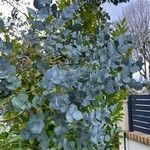
Eucalyptus gunnii
Apple Eucalyptus · Cider Gum · Cider-eucalypt-tree · Cider-gum-tree · White-swamp-gum
Description
Source: leafsnapEucalyptus gunnii, commonly known as Cider Gum, is a fast-growing evergreen tree native to Tasmania and southeastern Australia. Belonging to the Myrtaceae family, this tree can reach heights of up to 30 meters, with a trunk diameter of up to 1 meter. It features smooth bark that sheds in ribbons, revealing an array of colors from cream to brown. The leaves of Eucalyptus gunnii are round or oval and exhibit a distinctive blue-green color. They are highly aromatic, thanks to the essential oils present in their glands. The tree produces white or cream-colored flowers that appear in clusters from late autumn through early winter. Eucalyptus gunnii is widely cultivated both for its ornamental value and its medicinal properties. The essential oil derived from this tree has antiseptic, anti-inflammatory, and decongestant properties, making it useful for treating respiratory ailments such as asthma, bronchitis, and sinusitis, among others. Additionally, the tree plays an important role in the ecosystem. It provides habitat for wildlife, such as koalas that feed on its leaves, while birds use it for nesting sites. Overall, Eucalyptus gunnii is an attractive plant with multiple uses, making it popular among gardeners worldwide.
💡 Cider gum, a type of eucalyptus, is exceptionally tolerant to freezing temperatures. This makes it an excellent choice for an ornamental plant in the British Isles. It has even received the Royal Horticultural Society’s Award of Garden Merit.
🌳 Cider gum is prized for its timber, but its usefulness goes beyond that. Oil extracted from its leaves is used in aromatherapy for its calming and antibacterial effects. Because it functions as a hyperaccumulator, it serves as a bioindicator of soil contamination by heavy metals, especially chromium. Additionally, cider gum woodchips are used in paper production, illustrating the plant's value to the pulp industry. Its leaves have been noted for hosting beneficial insects, supporting sustainable agriculture by promoting biological pest control.
🎭 Recovery, Safeguarding
Care Guide
💧 Water Every 7 days
Cider gum, a plant native to Tasmania, has a moderate tolerance for drought. It should be watered every 1-2 weeks, allowing the soil to dry out between waterings. This plant thrives in well-draining soil and needs sufficient moisture during its growing season to support robust growth.
How should I water my Cider gum tree?
Your Cider gum is not picky when it comes to watering methods. You can use any common watering tool, such as watering cans, hoses, or even cups, to water your Cider gum. Make sure to water the soil directly and distribute the water evenly throughout to ensure all parts of the root system receive sufficient water. Using filtered water is ideal, as tap water may contain harmful particles. It is also recommended to use water that is at or slightly above room temperature, as extremely hot or cold water may shock the Cider gum. However, the Cider gum will typically respond well to any type of water you provide.
What should I do if I give my Cider gum plant too much water or not enough water?
For outdoor plants, particularly newly planted ones or seedlings, lack of watering can be a problem. Remember to water them sufficiently for the first few months when the tree is small or recently planted. Once the roots are established, Cider gum can mostly rely on rain. When your Cider gum is in pots, overwatering is more likely to happen. If you accidentally overwater your Cider gum, take immediate action to fix the situation. Stop watering the plant right away to minimize the damage caused by overwatering. Then, remove the Cider gum from its pot and check its roots. If no root rot is present, you can return the plant to its container. However, if you do find signs of root rot, trim the affected roots and consider applying a fungicide to prevent further damage. Finally, repot the Cider gum in well-draining soil. In the case of underwatering, simply water the Cider gum more frequently. Underwatering is usually easy to fix. If the plant's leaves are drooping, drying out, or falling off, they will quickly regain their fullness after sufficient watering. Make sure to adjust your watering frequency as soon as you notice that the plant is underwatered.
How frequently should I water my Cider gum tree?
Most plants can grow naturally with rainfall. However, if there is limited rainfall in your area, you should water your plants every 2 weeks in the spring and fall, and more frequently in the summer. In the winter, when growth is slower, you can water less or not at all. If your Cider gum is young or newly planted, it needs more frequent watering to establish and become drought tolerant. For potted plants, there are two ways to determine watering frequency for your Cider gum. The first is to set a predetermined schedule, but this may not account for unique growing conditions. Alternatively, you can base watering on soil moisture. Wait until the top two to four inches of soil have dried out completely before watering again.
How much water does my Cider gum tree need?
When watering your Cider gum, remember that it doesn't always require a lot of water. If only a few inches of soil have dried since the last watering, give it around five to ten ounces of water. You can also gauge the water volume based on the moisture level of the soil. If more than half of the soil has dried, you should consider giving more water. Make sure to moisten all the dry soil layers since the last watering. If your Cider gum receives sufficient rain outdoors, additional watering may not be necessary. For young or newly established trees, provide 1-2 inches of rain per week. Once the tree has matured, it can rely on rainwater, but during hot weather with no rain for 2-3 weeks, a full watering is recommended to prevent stress.
How can I know if I am giving enough water to my Cider gum?
Overwatering is a common issue for the Cider gum, and there are clear signs to watch out for. An overwatered Cider gum will have yellowing leaves and could shed some. It can also cause the plant to shrivel and lead to root rot. On the other hand, an underwatered Cider gum will start wilting, with brown or brittle leaves. If you notice any signs of overwatering or underwatering, take action promptly to revive your Cider gum's health.
☀️ Light Full sun
The cider gum does best in locations that receive sunlight for most of the day. It can tolerate partial shade, but that is not ideal for its health. Its native habitat is brightly lit. Excessive light can cause stress, while too little light can slow its growth.
What are the sunlight requirements for Cider Gum?
Cider Gum (Eucalyptus gunnii) thrives best when exposed to full sun, which is above 6 hours of direct sunlight daily. It can tolerate partial sun, about 3-6 hours of sunlight, but this is not ideal for its well-being. Its natural habitat is comprised of environments that receive a generous amount of sunlight throughout the day. Sufficient exposure ensures optimal growth, whereas both overexposure and underexposure can lead to various forms of plant distress.
How can artificial lighting be used for indoor Cider Gum plants?
When natural sunlight is insufficient for indoor Cider Gum plants, especially during winter or in less sunny locations, artificial lighting can be a vital solution. LED lights are recommended because they can provide specific wavelengths needed for plant growth. For full sun plants like the Cider Gum, 30-50W/sq ft is suitable, while the distance between the light source and the plant should be 12-36 inches to mimic natural conditions. Plants generally need 8-12 hours of artificial light per day to thrive.
What are the signs of insufficient light for Cider Gum?
When a Cider Gum plant receives insufficient light, it may exhibit signs like smaller new leaves, leggy or sparse growth, faster leaf drop, halted growth, and paler or irregularly colored new leaves. These symptoms indicate a struggle due to inadequate sunlight, leading to reduced chlorophyll and essential nutrient levels. Excessive sunlight can cause issues like chlorosis, sunscald, leaf curling, wilting, and leaf scorching, which negatively affect the plant's health.
What solutions are available for improving sunlight exposure for Cider Gum?
To enhance sunlight exposure for Cider Gum plants, gradually reposition them to receive at least 6 hours of direct sunlight daily, especially for indoor plants. This could involve using a south-facing window or utilizing artificial light such as desk lamps or professional grow lights for at least 8 hours each day. Outdoors, gradually adapting them to brighter locations helps, while reducing obstructions or transplanting can increase exposure. For plants grounded outdoors, observe and modify the surroundings to minimize sunlight blockage, and consider transplanting smaller plants during their dormant period for better light access.
🌡️ Temperature 15–37.8°C
Cider gum prefers warm conditions, and in its native Australian habitat the average temperatures range from 15 to 38 ℃ (59 to 100.4 ℉). To promote healthy growth, avoid temperatures under 5 ℃ (41 ℉), as they can damage the plant. In winter, keep the plant in temperatures above 10 ℃ (50 ℉) to prevent frost damage.
What is the ideal temperature range for growing cider gum?
Cider gum, known botanically as Eucalyptus gunnii, grows best in warm temperatures, thriving in an average temperature range of 15 to 38°C (59 to 100.4°F). Its native habitat in Australia supports this optimal range. It's crucial to avoid exposing the plant to temperatures below 5°C (41°F) to prevent damage, and during winter, maintaining a temperature above 10°C (50°F) is recommended to avoid frost damage. Although cider gum has some cold tolerance and generally withstands temperatures down to -5°C, precautions should be taken if colder weather is anticipated.
How should cider gum be cared for during extremely cold temperatures?
Cider gum has a moderate tolerance to low temperatures but thrives best above 15°C. During winter months, it's important to keep it above -5°C. If temperatures fall below -10°C, you may notice drooping leaves; in mild cases, they can recover, but in severe cases, leaves will wilt and drop. To protect cider gum in cold weather, trim frost-damaged parts and wrap the plant with materials such as non-woven fabric or cloth. Also, construct a wind barrier to protect against cold winds. These measures are temporary and should be removed once temperatures rise.
What are the effects and solutions for cider gum exposed to high temperatures?
Cider gum should ideally be kept below 38°C during summer. Exposure to temperatures above 43°C can cause the leaves to lighten in color, tips to become dry and withered, leaves to curl, and increase susceptibility to sunburn. To mitigate damage from high temperatures, trim away sunburned and dried parts. Move the plant to a shaded location, especially away from the midday and afternoon sun, or use a shade cloth. Additionally, water the plant in the morning and evening to maintain soil moisture and prevent further stress.
💨 Humidity normal (40-60%)
This plant will thrive in moderate humidity, which is probably the level in your home. However, misting it a few times a week can be very beneficial. Make sure the room has good ventilation.
🪴 Soil 5-6
🌱 Fertilizer
To encourage healthy growth, fertilize your Cider gum in early spring. Regular fertilization improves overall health, leading to vigorous growth, greater tolerance of harsh conditions, and increased resistance to pests and diseases. Keep a consistent fertilization schedule for your Cider gum to maintain foliage that is vivid, deeply colored, and lush.
Why should I add fertilizer to my Cider gum?
No matter what type of Cider gum tree you have, it will benefit greatly from regular fertilization. Providing the right nutrients will result in stronger growth and improved resilience against challenging conditions, as well as better defense against diseases and pests. Since the foliage of your Cider gum adds to its attractiveness, it is important to maintain its health. This involves following a consistent fertilization schedule tailored to your specific Cider gum tree. By doing so, your tree will develop vibrant, deeply colored leaves and have an overall lush appearance.
When should I fertilize my Cider gum tree for optimal growth?
Fertilizing your Cider gum is crucial for its healthy growth. The best time to fertilize is during late winter or early spring, as this provides essential nutrients for the upcoming warm season. In warm climate regions, an additional fertilizer feeding in early fall is beneficial. This not only adds nutrients for the following growing season but also helps the Cider gum become hardier and better able to withstand winter cold without damage to its foliage. Early fertilization ensures that new branches have sufficient time to grow strong before winter arrives.
When is the best time to not add fertilizer to my Cider gum plant?
To properly care for your Cider gum, there are specific times throughout the year when fertilization should be avoided. The first instance is during the early and mid-winter months, as this is when the tree is dormant and does not require additional nutrients. Similarly, it is not recommended to fertilize the plant during late spring and throughout the summer. During this period, the weather tends to be hotter and drier, increasing the likelihood of negative effects from fertilization. To prevent any problems, it is best to establish a fertilization schedule that involves feeding only in early spring and early fall.
What kind of fertilizer does my Cider gum tree need?
Cider gum trees have a primary need for nitrogen, but phosphorus and potassium are still important. It is best to use a balanced fertilizer like 10-10-10, as all three nutrients are necessary. However, a more specific nutrient ratio like 10-6-4 can promote optimal growth. When fertilizing, you can choose between granular or liquid-based fertilizers.
How can I give nutrients to my Cider gum plant?
To fertilize your Cider gum using granular fertilizer, simply sprinkle it on the soil when the timing is right. The nutrients from this slow-release fertilizer will be gradually released into the soil over time. It's generally recommended to lightly water your Cider gum before applying the fertilizer. Another option is using liquid fertilizer, although it is not as commonly used. To use liquid fertilizer, mix it with water and pour the solution onto the soil around the base of your Cider gum. Occasionally, it can be helpful to conduct a soil test beforehand to determine if any adjustments to the pH are necessary.
🪴 Pot & Repot 2-3 years
When repotting Cider gum, choose a pot 1-2 inches (2.5–5.1 cm) larger with ample drainage. Use a well-draining potting mix. Repot in spring or fall, ensuring that the root ball is slightly lower than the rim of the flower pot. Water thoroughly after repotting and place in a warm spot with indirect sunlight.
✂️ Pruning
The fast-growing, evergreen cider gum is known for its silvery-blue leaves and smooth bark. To shape the tree, improve airflow, and reduce the risk of disease, it should be pruned from early to late winter. Regular, clean cuts encourage vigorous growth, improve its aesthetic appeal, and ensure healthy regrowth.
🌿 Propagating
🐛 Diseases & pets
☠️ Toxicity
Characteristics
- Plant Type
- Tree
- Life Cycle
- Perennial
- Genus
- Eucalyptus
- Family
- Myrtaceae
- Hardiness Zone
- 8-11
- Mature Height
- 35.05 m
- Mature Spread
- 5.49 m to 11.89 m
- Leaf Color
- Green, Silver, Gray, Blue
- Leaf Type
- Evergreen
- Flower Color
- White
- Flower Size
- 0.25 cm to 0.51 cm
- Bloom Time
- All year round
- Planting Time
- Spring, Autumn
- Harvest Time
- All year round