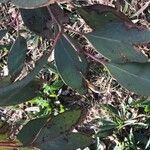
Eucalyptus sideroxylon
Red Ironbark · Black ironbark · Ironbark · Mugga · Mugga ironbark
Description
Source: leafsnapEucalyptus sideroxylon, commonly known as the red ironbark, is a tall tree species native to eastern Australia and a member of the Myrtaceae family. Reaching heights of up to 30 meters, the tree is characterized by its rough, dark bark, which peels away in long strips to reveal a reddish-brown color underneath. Its leaves are lance-shaped and glossy green. The red ironbark is renowned for its hard timber, which has been used for various purposes including railway sleepers, fence posts, and flooring. The tree also produces small white flowers that bloom from late winter to early spring, attracting birds such as honeyeaters. This plant prefers well-drained soils with full sun exposure but can tolerate some shade. While it is drought-tolerant, regular watering is required during its early growth stages. Traditionally, Indigenous Australians have utilized Eucalyptus sideroxylon for medicinal purposes, such as treating coughs and colds by inhaling steam from boiled leaves or applying bark extract topically on wounds. Overall, Eucalyptus sideroxylon is an important species both ecologically and economically. Its timber is valuable, and it provides essential habitat for wildlife in Australia's forests.
Care Guide
💧 Water Every 7 days
Red ironbark is a resilient plant that thrives in dry conditions due to its remarkable drought tolerance. It needs watering only once every one to two weeks. As an evergreen, it retains water throughout the year, making it an excellent choice for landscaping in areas with limited rainfall.
☀️ Light Full sun
Red ironbark comes from open habitats, like sunlit meadows and forest margins, where light is plentiful. It does best in Full Sun but will also tolerate Partial Sun, adjusting well to different light levels.
What are the sunlight requirements for Red ironbark (Eucalyptus sideroxylon)?
Red ironbark (Eucalyptus sideroxylon) thrives under specific sunlight conditions to ensure their health and happiness. For full sun exposure, the plant requires above 6 hours of sunlight daily. If you're considering partial sun exposure, about 3-6 hours of sunlight daily is adequate. It's important to observe how sunlight moves through your garden throughout the day. By doing so, you can select locations that offer an optimal balance of light and shade, catering perfectly to the needs of your Red ironbark.
🌡️ Temperature 15–37.8°C
Red ironbark is quite adaptable to temperature, with the ability to tolerate high heat and significant temperature fluctuations. In hot weather, attention should be paid to watering and providing suitable shade to avoid sunburn. Conversely, red ironbark is relatively sensitive to low temperatures. While it can endure some cold, very low temperatures can result in frost damage.
💨 Humidity
🪴 Soil 6-8
🌱 Fertilizer
The timing of fertilizing Red ironbark is important. Apply fertilizer in early spring and continue with monthly applications until early summer. Fertilizer promotes lovely blooms and supplies energy during both dormant and active growth phases.
🪴 Pot & Repot
✂️ Pruning
Red ironbark is known for its durable wood and attractive bark. To keep the tree healthy, prune it in early spring. This helps remove dead or damaged branches, improves air circulation, and shapes young trees into a strong framework. Regular pruning encourages new growth, controls the tree's height and spread, and enhances its overall appearance and health.
🌿 Propagating
🐛 Diseases & pets
☠️ Toxicity
Characteristics
- Plant Type
- Tree
- Life Cycle
- Perennial
- Genus
- Eucalyptus
- Family
- Myrtaceae
- Hardiness Zone
- 8-11
- Mature Height
- 20.12 m
- Mature Spread
- 7.92 m
- Leaf Color
- Steel Blue
- Leaf Type
- Evergreen
- Flower Color
- Pink, White
- Flower Size
- 1.52 cm to 2.03 cm
- Bloom Time
- Late fall, Winter
- Planting Time
- Spring, Summer, Autumn
- Harvest Time
- Late winter, Spring