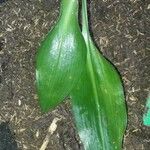
Eucharis amazonica
Amazon-lily · Eucharist-lily
Description
Source: leafsnapEucharis amazonica, commonly known as the Amazon lily or Eucharist lily, is a perennial flowering plant native to the rainforests of South America. It belongs to the Amaryllidaceae family and is closely related to daffodils and snowdrops. The plant features glossy, dark green leaves that grow in a rosette pattern. These long, oval-shaped leaves have prominent veins. The flowers of Eucharis amazonica are white, with six petals forming a star shape around a yellow center. They emit a sweet fragrance often compared to vanilla. Eucharis amazonica thrives in moist soil and partial shade, but it can also tolerate full sun provided it receives sufficient water. It blooms in late spring or early summer and can continue blooming for several weeks. Indigenous people in South America have used the plant for medicinal purposes for centuries due to its antibacterial properties. It is also a popular ornamental houseplant because of its attractive foliage and fragrant flowers. Overall, Eucharis amazonica is an elegant flowering plant that adds beauty and fragrance wherever it grows, while also offering potential health benefits through its antibacterial properties.
Care Guide
💧 Water Every 7 days
Native to tropical rainforests, the Amazon lily thrives in environments with high humidity and damp soil. Watering it weekly helps recreate these natural conditions. As an evergreen indoor plant, it benefits from regular misting, which increases humidity and promotes healthy growth, allowing its attractive foliage and flowers to shine.
How should I water my Amazon Lily plant?
To properly water your Amazon Lily, it is recommended to use filtered water at room temperature. Tap water may contain harmful particles, so filtered water is a better choice. The plant prefers warm water, as it is native to a warm environment and cold water can be a shock. Instead of watering from above, pour the filtered room temperature water directly onto the soil until it is completely soaked. This method helps moisten the roots and allows them to spread and collect the necessary nutrients.
What do I need to do if I give my Amazon Lily too much or too little water?
Overwatering can harm your Amazon Lily plant by causing wilting and yellowing of the stems and leaves, along with the development of diseases like root rot, mold, and mildew. It is a common issue that needs immediate attention. On the other hand, underwatering is less common for the Amazon Lily due to its decent drought tolerance. However, it can still happen and may result in brittle and brown leaves. To prevent overwatering, pay close attention to the early signs and reduce your watering schedule. Additionally, check the quality of the soil and replace it with a well-draining potting mix if necessary. If you notice signs of underwatering, simply increase the frequency of watering until the symptoms improve.
How frequently do I need to water my Amazon Lily?
If your Amazon Lily is in a pot, you can check if it needs water by sticking your finger into the soil. If the top two to three inches of soil are dry, it's time to water it. If you have the plant planted directly in the ground, you can use the same method to check the moisture level. Again, if the top few inches of soil are dry, it's time to water. In spring and early fall, you may need to water the plant about once a week using this method. However, during extremely hot weather, you may need to water it twice a week or more. It's important to note that mature Amazon Lilies have a good ability to withstand drought.
How much water does my Amazon Lily require?
To properly water your Amazon Lily, you shouldn't hold back on the amount of water you give. Make sure the top couple of inches of soil are dry before watering, and then give the plant a good soak. The soil should be completely saturated, and there should be enough water to cause excess to drain out of the bottom of the pot. If you don't see any water draining, you may not have given enough water. However, you don't want water to accumulate in the soil, as this can be harmful to the plant. On the other hand, if water is not draining at all, it could mean that the soil doesn't drain well, which is not good for the plant. If the plant is outside, about 1 inch of rain per week will be enough.
How do I water my Amazon Lily as it grows?
The water needs of the Amazon Lily depend on its growth stages. During the initial few years or after transplantation to a new location, you need to water the plant more than usual. This is because during these stages, the plant focuses on developing new roots for future growth, and these roots need extra moisture. However, after a few seasons, the Amazon Lily requires less water. Another growth stage that requires more watering is during the blooming period when the flowers need a significant amount of moisture.
☀️ Light Full shade
The amazon Lily prefers a spot that gets plenty of sun, which helps it grow vigorously. It is suited to places that receive a generous share of sunlight, reflecting its native habitat. Areas with less sun won't prevent it from growing, but can negatively affect it by stunting growth or causing weak blossom production.
What are the sunlight requirements for Amazon Lily?
Amazon Lily requires various levels of sunlight to thrive. It needs full sun, characterized by more than 6 hours of sunlight, and can also grow in partial sun, which entails about 3-6 hours of sunlight. The plant's natural inclination towards sunny environments helps it grow robustly, although it can survive in less sunny areas at the cost of potential stunted growth or weaker blossom production. It's important to observe how sunlight moves through your garden to find the optimal spot that provides a balance of light and shade, ensuring the plant's happiness.
How does artificial lighting support Amazon Lily growth indoors?
Artificial lighting plays a crucial role in the growth of Amazon Lily plants indoors, especially when natural sunlight is limited. Indoor plants can achieve optimal growth under artificial lighting conditions that mimic natural sunlight. Using the right type of artificial light, such as LED lights, which can be customized to provide specific wavelengths of light, helps promote healthier and faster growth. Full sun plants need 30-50W/sq ft, partial sun plants 20-30W/sq ft, and full shade plants 10-20W/sq ft of artificial light. The light source should be placed 12-36 inches above the plant, and the duration should mimic natural daylight hours, typically 8-12 hours per day.
What are common symptoms of inadequate lighting in Amazon Lily?
Amazon Lily exhibits several symptoms when exposed to inadequate lighting, including smaller new leaves, leggy or sparse growth, faster leaf drop, slower or halted new growth, lighter-colored new leaves, and conditions like chlorosis, sunscald, leaf curling, wilting, and leaf scorching. These symptoms range from physical changes, such as reduced leaf size and elongated stems, to discoloration and damage due to excessive sunlight or insufficient light, indicating the plant's struggle to photosynthesize and maintain health.
What solutions can improve sunlight exposure for indoor and outdoor Amazon Lily plants?
To optimize sunlight exposure for Amazon Lily plants, gradual adjustments are recommended. Indoor plants can be moved weekly to sunnier locations until receiving at least 6 hours of direct sunlight daily, using a south-facing window for natural light, or artificial lights such as desk lamps or grow lights for at least 8 hours a day. Outdoor plants should also be moved to sunnier spots gradually to prevent sunburn. Additionally, identifying and reducing obstructions that block sunlight, like pruning trees, and transplanting smaller plants to sunnier locations with good drainage during their dormant periods can significantly improve light exposure and plant health.
🌡️ Temperature 15–37.8°C
The Amazon Lily is native to areas where temperatures range from 59 to 100.4 °F (15 to 38 ℃). It prefers warmer climates and grows best under those conditions. Therefore, seasonal adjustments should be made to keep it within this range.
What is the ideal temperature range for Amazon Lily?
The ideal temperature range for Amazon Lily, also known by its botanical name Eucharis amazonica, is between 59 to 100.4 °F (15 to 38 °C). It prefers warmer climates and thrives best within these conditions. To maintain its health, it's important to make seasonal adjustments to ensure it stays within this temperature range. Although it has some cold tolerance and generally does not require extra measures when the temperature is above -5°C, precautions should be taken if temperatures are expected to drop below this threshold.
What should I do to protect Amazon Lily in cold temperatures?
To protect Amazon Lily during cold snaps where temperatures are expected to drop below -5°C, you should take temporary measures to shield the plant. This can include wrapping the plant with plastic film, fabric, or other suitable materials to protect it from the cold. Once the temperature rises again, it's crucial to remove these protective measures promptly to avoid damaging the plant. If the temperature falls below -10°C, and the leaves start to droop or wilt, trimming off the frost-damaged parts and wrapping the plant with non-woven fabric or cloth, along with constructing a wind barrier, can aid in its recovery.
How does high temperature affect Amazon Lily and what are the solutions?
Amazon Lily should be kept below 38°C during summer to prevent heat stress. When temperatures exceed 43°C, the plant may exhibit signs of distress such as lighter leaf color, dry and withered leaf tips, curled leaves, and increased susceptibility to sunburn. To mitigate these effects, trim away any sunburned or dried-up parts of the plant. Moving the plant to a location that offers shade during the intense midday and afternoon sun or using a shade cloth can provide protection. Additionally, watering the plant in the morning and evening to maintain soil moisture can help it cope with high temperatures.
💨 Humidity
🪴 Soil 6-7
🌱 Fertilizer
The best time to fertilize an Amazon Lily is in early spring, as it comes out of dormancy and enters active growth. Fertilizing supplies essential nutrients for healthy development. Although Amazon Lilies have relatively low fertilizer needs, feeding them once a year can boost their survival and encourage better, longer-lasting flowers.
Why should I put plant food on my Amazon Lily?
Fertilization is important for the Amazon Lily because it provides essential nutrients for growth. Although the overall fertilization needs for the Amazon Lily are low, it can still survive without fertilization. However, annual fertilization can greatly benefit the plant and promote the development of longer-lasting flowers. Therefore, those who want their Amazon Lily to thrive should regularly fertilize it.
When should I fertilize my Amazon Lily?
The best time to fertilize an Amazon Lily is during late winter to early spring when it is transitioning from a dormant phase to a phase of active growth. Fertilizing during this time will help promote healthy growth and give the plant a great start for the season. While early spring is the most suitable time, fertilizing in the fall is also acceptable. However, it is not recommended to fertilize in the summer or winter.
When should I not add fertilizer to my Amazon Lily?
To properly care for your Amazon Lily, it is important to know when and when not to fertilize. Generally, it is best to avoid fertilizing this plant during the spring, summer, and fall, as this can potentially lead to overfertilization and complications. The exception to this rule is if you missed fertilizing in the spring, in which case it is acceptable to feed the plant in the fall. It is also important to note that there is no need to fertilize the Amazon Lily during the winter when it enters a dormant growth phase and does not produce new growth.
What kind of fertilizer does my Amazon Lily plant need?
For Amazon Lilies, almost any general-purpose fertilizer with a balanced mix of the three main plant nutrients will do the job. However, there are some specific nutrient blends that can be even more beneficial. Many gardeners believe that higher levels of phosphorus can strengthen the roots and improve flower quality. So, for an Amazon Lily, it might be best to use a phosphorus-rich fertilizer. It doesn't matter if the fertilizer comes in granular or liquid form as long as it is nutrient-rich. In addition to manufactured fertilizers, you can also improve the soil for your Amazon Lily using organic methods like compost, manure, and similar materials. These natural additives can greatly enhance the growing conditions for your Amazon Lily.
How should I feed my Amazon Lily plant?
To fertilize an Amazon Lily, the most common method is to use granular or pellet fertilizer. It is important to fertilize the plant as it transitions from its dormant phase to active growth, typically in early spring. Wait until the plant starts sending shoots through the soil before applying fertilizer. Alternatively, some people may prefer using liquid fertilizer, which should be diluted before application. Regardless of the fertilizer type, it is advisable to moisten the soil before, during, and after fertilization.
🪴 Pot & Repot 2-3 years
When repotting an Amazon Lily, select a pot 1–2 inches (2.5–5.1 cm) larger with good drainage. Use a well-draining potting mix. Repot in spring or fall, making sure the root ball sits slightly below the rim of the pot. Water thoroughly after repotting and place the plant in a warm location with indirect sunlight.
✂️ Pruning
Amazon Lily is known for its glossy leaves and fragrant white blooms, and it requires minimal pruning. To encourage growth, trim any dead foliage in early spring. Removing spent flowers will also help promote additional blooms. Always use sterilized tools to prevent disease, and for best results, perform pruning in early spring or late winter.
🌿 Propagating
🐛 Diseases & pets
☠️ Toxicity
Characteristics
- Plant Type
- Herb
- Life Cycle
- Perennial
- Genus
- Eucharis
- Family
- Amaryllidaceae
- Hardiness Zone
- 8-11
- Mature Height
- 46 cm to 76 cm
- Mature Spread
- 46 cm to 61 cm
- Leaf Color
- Green
- Leaf Type
- Evergreen
- Flower Color
- White, Yellow
- Flower Size
- 6.35 cm to 8.89 cm
- Bloom Time
- Late spring, Early summer, Mid summer
- Planting Time
- Spring
- Harvest Time
- Mid summer
- Native Area
- Peru