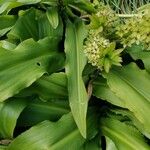
Eucomis autumnalis
Pineapple flower · White pineapple lily · Autumn pineapple lily
Description
Source: leafsnapEucomis autumnalis, commonly known as the Pineapple Lily, is a perennial plant native to South Africa. Belonging to the Asparagaceae family, this plant is easily recognizable by its distinctive rosette of long, narrow leaves and tall flower spikes, which bear small flowers resembling pineapples. These flowers are typically white or greenish-white and bloom in late summer or early fall. The Pineapple Lily thrives in full sun to partial shade and well-drained soil. When cared for properly, it can grow up to 2 feet tall and wide. Although relatively low maintenance, it does require regular watering during the growing season. Beyond its ornamental value as an attractive garden plant, Eucomis autumnalis has been used for centuries by indigenous South African peoples for its medicinal properties. The bulb, in particular, has served as an antiseptic for treating wounds and infections. In summary, Eucomis autumnalis is a unique and captivating addition to any garden or landscape, offering both aesthetic appeal and cultural significance.
Care Guide
💧 Water Every 7 days
The autumn pineapple lily, a plant native to Southern Africa, is well-suited for environments with seasonal rainfall followed by dry periods, showcasing its ability to tolerate drought. To ensure optimal growth, water the plant weekly, taking care not to overwater and cause waterlogging. As a bulbous plant grown outdoors, it naturally benefits from rainwater during its growing season, which helps it achieve the best possible growth and flowering.
How should I water my Autumn pineapple lily to keep it healthy?
To properly water the Autumn pineapple lily, it is best to use filtered water at room temperature. Tap water may contain harmful particles, so filtering it is recommended. The water should not be cold, as this plant is used to warm temperatures and cold water can be a shock to its system. It is also important to avoid overhead watering, as this can cause issues with the foliage. Instead, focus on watering the soil directly until it is completely soaked. This helps to nourish the roots and promote their spread throughout the soil, ensuring the plant receives the necessary nutrients.
What do I do if I give my Autumn pineapple lily too much water or not enough water?
Taking care of your Autumn pineapple lily includes being cautious about both overwatering and underwatering. While both can harm the plant, overwatering is more common. Too much water can cause wilting and a change in leaf color from green to yellow. It can also lead to serious issues like root rot, mold, and mildew that can kill the plant. Underwatering is less likely, as this plant can tolerate drought reasonably well. However, if it happens, you may notice brittle and brown leaves. It's important to recognize the signs of overwatering early to prevent irreversible damage. If you notice these signs, reduce your watering immediately. Check the soil drainage and replace it with a loose, well-draining potting mix if necessary. If you suspect the plant is not getting enough water, increase watering until the signs improve.
How frequently should I give water to my Autumn pineapple lily?
If your Autumn pineapple lily is in a pot, the easiest way to determine if it needs watering is to check the soil. Stick your finger in the soil and if the top two to three inches are dry, it's time to water. If you're growing the plant outside in the ground, you can use the same method. Once the top few inches of soil are dry, it needs water. Typically, during spring and early fall, watering once a week is sufficient. However, during really hot weather, you may need to water twice a week or more. It's important to note that mature Autumn pineapple lilies are quite resilient and can handle periods of drought.
How much water does my Autumn pineapple lily require?
To properly water your Autumn pineapple lily, don't hold back on the amount of water you give it. Make sure the top 2-3 inches of soil are dry before doing a deep watering. Give enough water to completely saturate the soil, allowing excess water to drain out through the pot's drainage holes. If you don't see any excess water draining, then you may have not given enough water. Be careful not to let water accumulate in the soil, as this can harm the plant. Poor soil drainage can also be harmful to the plant, so make sure the water drains well. If the plant is outside, about 1 inch of rain per week should be enough.
How do I water my Autumn pineapple lily as it grows?
The water needs of the Autumn pineapple lily can vary throughout its growth stages. During the initial years or when you transplant it, you will need to water it more than usual. This is because the plant is focusing on developing new roots that will support future growth. These roots require extra moisture at this stage. As the plant matures, it will require less water. However, during the bloom period, the plant may need additional water as flower development requires a significant amount of moisture.
☀️ Light Full sun
Autumn pineapple lily demands maximum sun and thrives in strong, direct sunlight similar to its native growing environment. It tolerates none, and without plenty of light it may show stunted growth and fail to flower. Both excessive and insufficient light can lead to poor health or decreased vigor in this plant.
What are the sunlight requirements for Autumn pineapple lily?
The Autumn pineapple lily requires full sun, meaning it needs above 6 hours of sunlight daily to thrive. It's important to observe how sunlight moves through your garden to ensure you choose spots that offer a balance of light and shade, catering to the plant's needs. This ensures the plants are happy and healthy. The essentials for growing Autumn pineapple lily include maximum sun exposure. Without enough light, the plant may experience stunted growth and lack of bloom, risking its overall health and vigor.
How can artificial lighting benefit indoor Autumn pineapple lily plants?
Indoor Autumn pineapple lily plants benefit significantly from artificial lighting, especially when natural sunlight is insufficient. This situation typically arises in winter or less sunny spaces. Artificial lights, such as LED lights, can be customized to provide specific wavelengths of light needed for optimal plant growth. For full sun plants, 30-50W per square foot is recommended, while partial sun and full shade plants require 20-30W and 10-20W per square foot, respectively. The right artificial lighting setup mimics natural sunlight by adjusting the light source's distance (12-36 inches above the plant) and duration (8-12 hours per day) to promote faster, healthier growth.
What are the symptoms of incorrect light exposure in Autumn pineapple lily?
Incorrect light exposure can lead to several symptoms in Autumn pineapple lily, including smaller new leaves, leggy or sparse growth, faster leaf drop, slower or no growth, lighter-colored new leaves, chlorosis, sunscald, leaf curling, wilting, and leaf scorching. These symptoms indicate either too much or too little light, affecting the plant's ability to photosynthesize and maintain overall health. New leaves may grow smaller, the plant may become leggy, older leaves may drop early, and growth can halt altogether. Excessive sunlight can lead to chlorosis, sunscald, leaf curling, wilting, and leaf scorching.
What solutions are available for Autumn pineapple lily struggling with light exposure?
For indoor Autumn pineapple lily plants struggling with light exposure, gradually moving them to a sunnier location or using artificial light can be effective. A south-facing window with curtains open during the day maximizes sunlight exposure. For outdoor and ground-planted lilies, gradually moving them to brighter spots while avoiding sudden light intensity changes is key. Improving the situation may involve minimizing obstructions such as pruning trees or transplanting smaller plants to sunnier locations. Remember, while parts of the plant affected by insufficient sunlight may not recover, new growth should be healthy with improved light conditions.
🌡️ Temperature 15–35°C
Autumn pineapple lily shows good temperature adaptability, able to withstand higher heat and wide temperature fluctuations. During hot weather, attention should be paid to watering and providing appropriate shade to avoid sunburn. However, autumn pineapple lily is relatively intolerant of low temperatures. While it can endure some cold, extremely low temperatures can cause frost damage.
💨 Humidity
🪴 Soil 6-7
🌱 Fertilizer
For Autumn pineapple lily, the primary time to apply fertilizer is in early spring as the flowers are developing. Using an appropriate fertilizer promotes improved blooms and helps the Autumn pineapple lily produce attractive flowers. Applying fertilizer in early spring ensures strong flowering throughout the season and supplies energy for dormant growth phases.
Why should I add fertilizer to my Autumn pineapple lily?
Fertilization is important for the Autumn pineapple lily because it provides the necessary nutrients for the plant's growth. While the fertilization needs for this plant are relatively low, annual fertilization can greatly benefit the Autumn pineapple lily. It helps to keep the plant alive and may even result in better and longer-lasting flowers. For those who want their Autumn pineapple lily to look its best, consistent annual fertilization is recommended.
When should I fertilize my Autumn pineapple lily?
The best time to fertilize an Autumn pineapple lily is in the late winter to early spring when the plant is coming out of dormancy and entering a phase of active growth. Fertilizing at this time promotes healthy growth and helps the plant start the season on a good note. Although it is generally advised to fertilize in early spring, it is also acceptable to fertilize in the fall. However, it is not recommended to feed the plant in summer or winter.
When is the best time to not put fertilizer on my autumn pineapple lily?
To properly care for your Autumn pineapple lily, it is important to know when and when not to fertilize it. Generally, you should only fertilize this plant during the late winter and early spring, as it has low fertilization needs and only requires one annual feeding. Fertilizing during spring, summer, or fall can lead to overfertilization and all the associated issues. However, if you happened to skip fertilizing in spring, you can make an exception and feed the plant in the fall. In addition to avoiding fertilization during most of the growing season, it is also unnecessary to fertilize the plant during the winter. During this time, the Autumn pineapple lily enters a dormant phase, where it does not produce new growth. Consequently, it is not advisable to fertilize the plant for the majority of the winter.
Which fertilizer should I use for my Autumn pineapple lily?
When it comes to fertilizing Autumn pineapple lilies, almost any general-purpose fertilizer with a balanced amount of the main plant nutrients will suffice. However, there are specific nutrient blends that can be especially helpful. Many gardeners believe that higher levels of phosphorus promote stronger roots and better flowers. Since Autumn pineapple lilies are flowering plants, using a phosphorus-rich fertilizer may be the best choice. Whether in granular or liquid form, as long as the fertilizer contains sufficient nutrients, it will work well. Additionally, aside from manufactured fertilizers, you can also improve the soil for your Autumn pineapple lilies using organic materials such as compost and manure. These materials can greatly contribute to creating a healthy growing medium for your plants.
How can I make my Autumn pineapple lily grow better?
To fertilize an Autumn pineapple lily, the most common method is to use granular or pellet fertilizer. The best time to fertilize is when the plant is transitioning from winter dormancy to active growth. In early spring, wait for shoots to emerge from the soil before applying fertilizer. Alternatively, some people prefer using liquid fertilizer. If you choose this option, dilute the fertilizer with water first. Regardless of the type of fertilizer used, it is important to moisten the soil before, during, and after application.
🪴 Pot & Repot Every 12 months
✂️ Pruning
To ensure the healthy growth of an Autumn pineapple lily, it's important to prune it properly, ideally between early and late spring. By removing dead leaves and spent flower stalks, you can promote healthy development and encourage future blooms. Making clean cuts helps prevent disease, improves the plant's appearance, and directs energy toward robust growth and flowering.
🌿 Propagating
🐛 Diseases & pets
☠️ Toxicity
Characteristics
- Plant Type
- Herb
- Life Cycle
- Perennial
- Genus
- Eucomis
- Family
- Asparagaceae
- Hardiness Zone
- 7-10
- Mature Height
- 40 cm
- Mature Spread
- 30 cm
- Leaf Color
- Green
- Leaf Type
- Deciduous
- Flower Color
- White
- Flower Size
- 1.02 cm to 2.03 cm
- Bloom Time
- Mid summer, Late summer
- Planting Time
- Spring
- Harvest Time
- Early fall, Mid fall