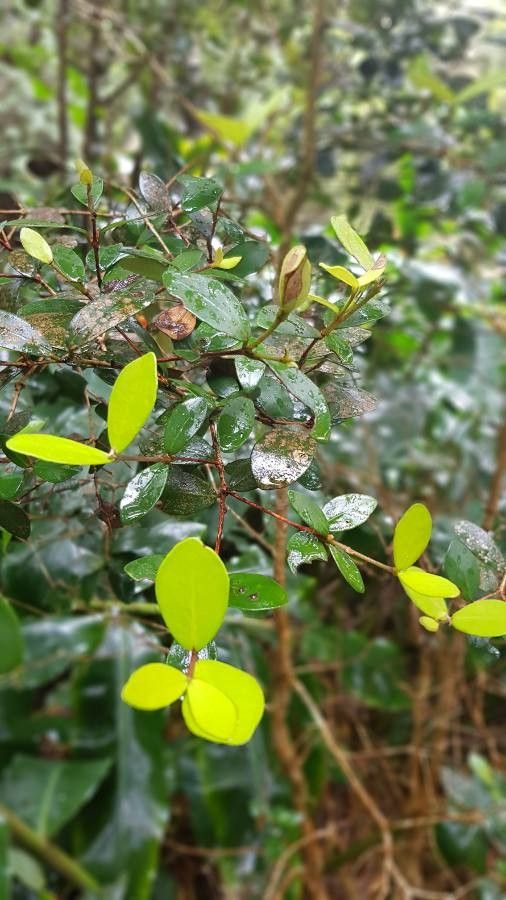
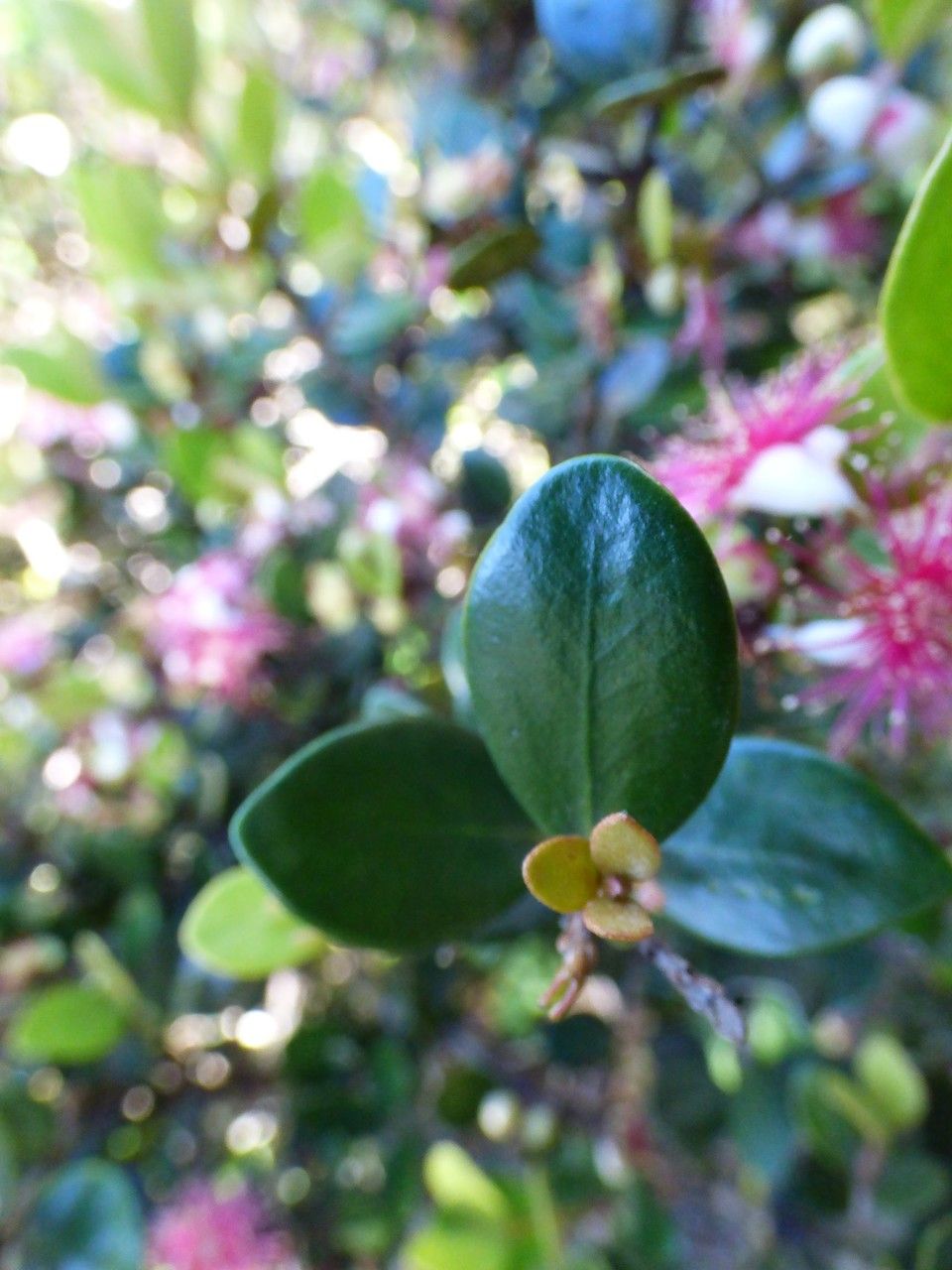
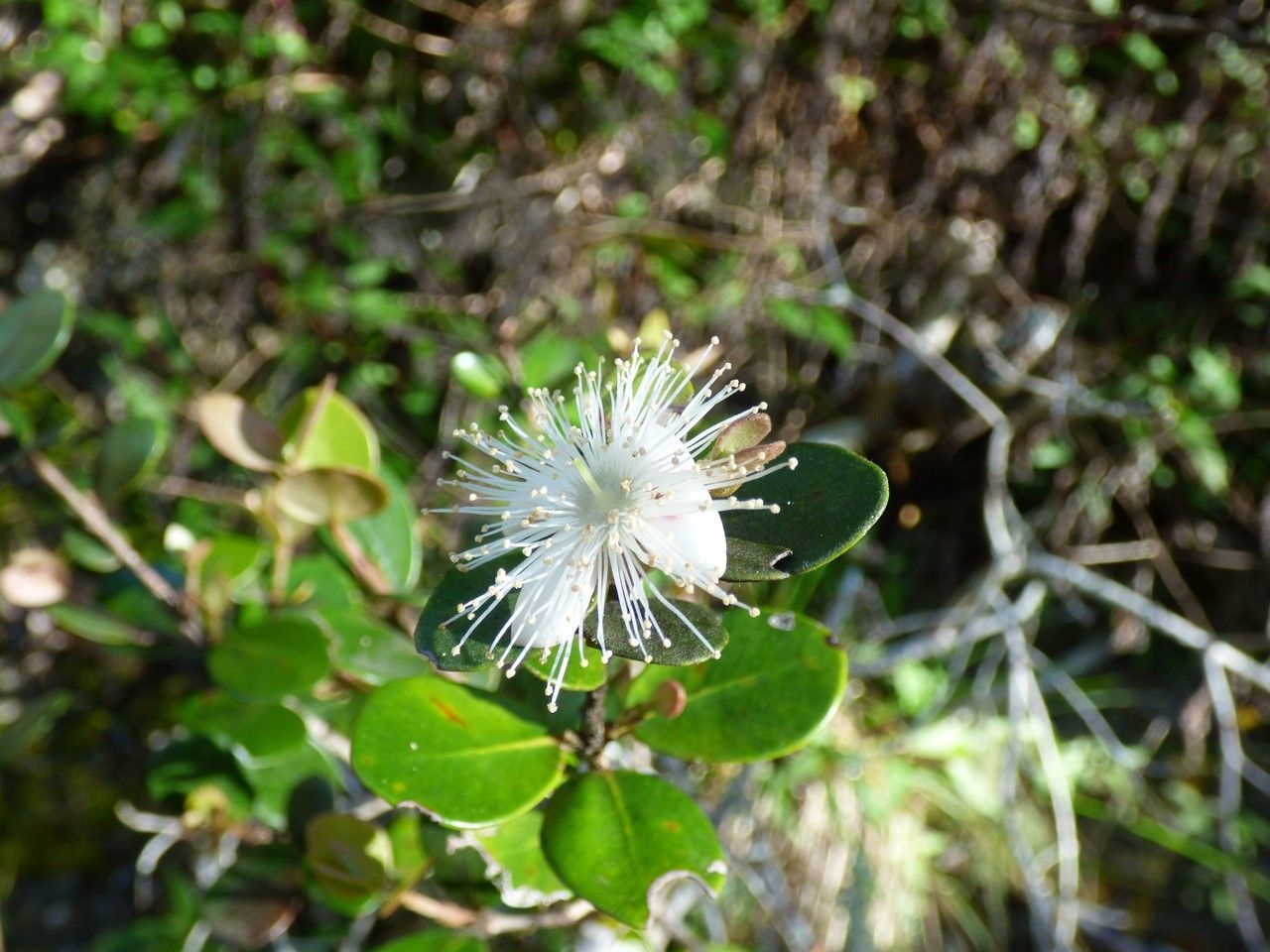
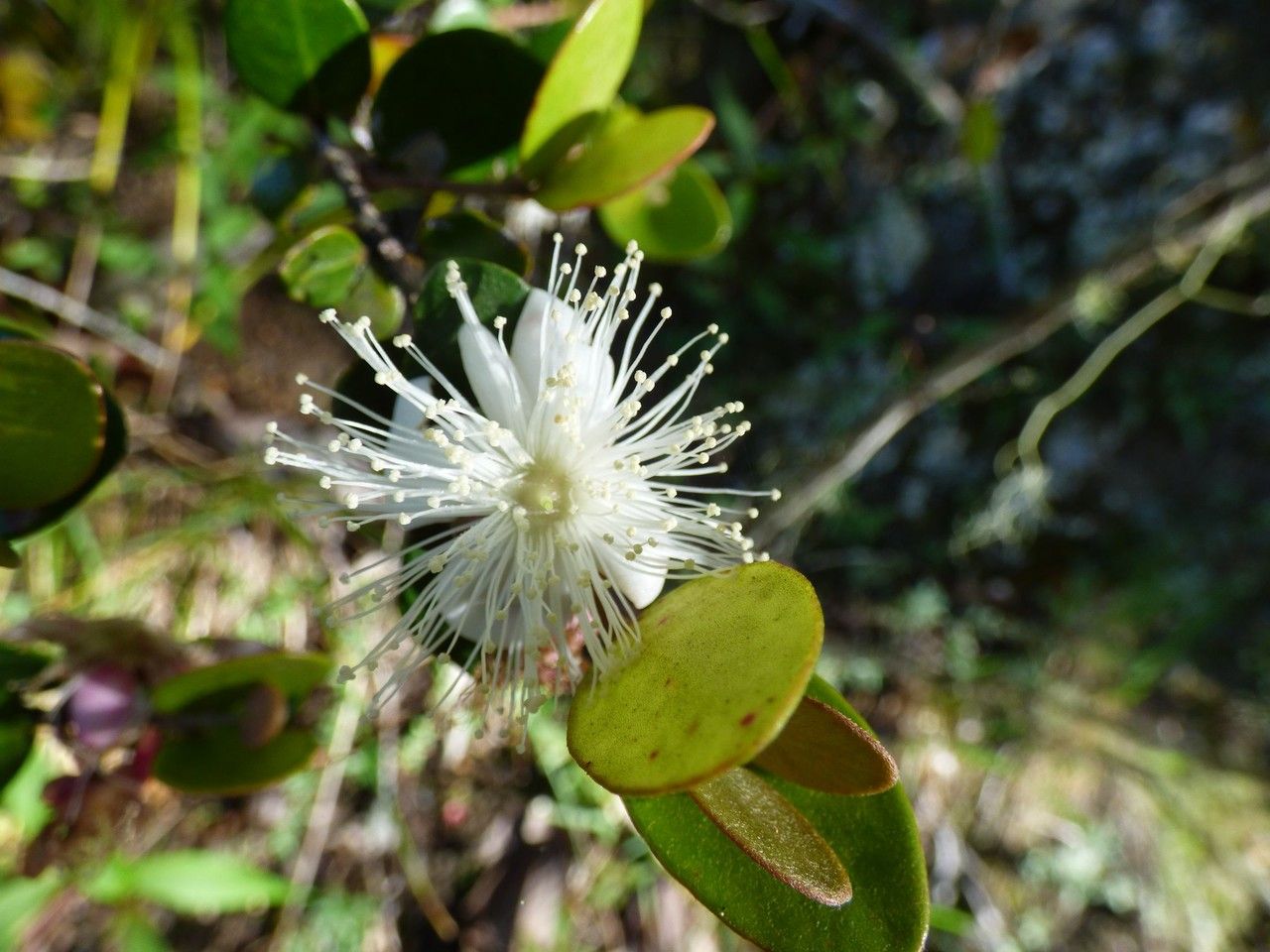
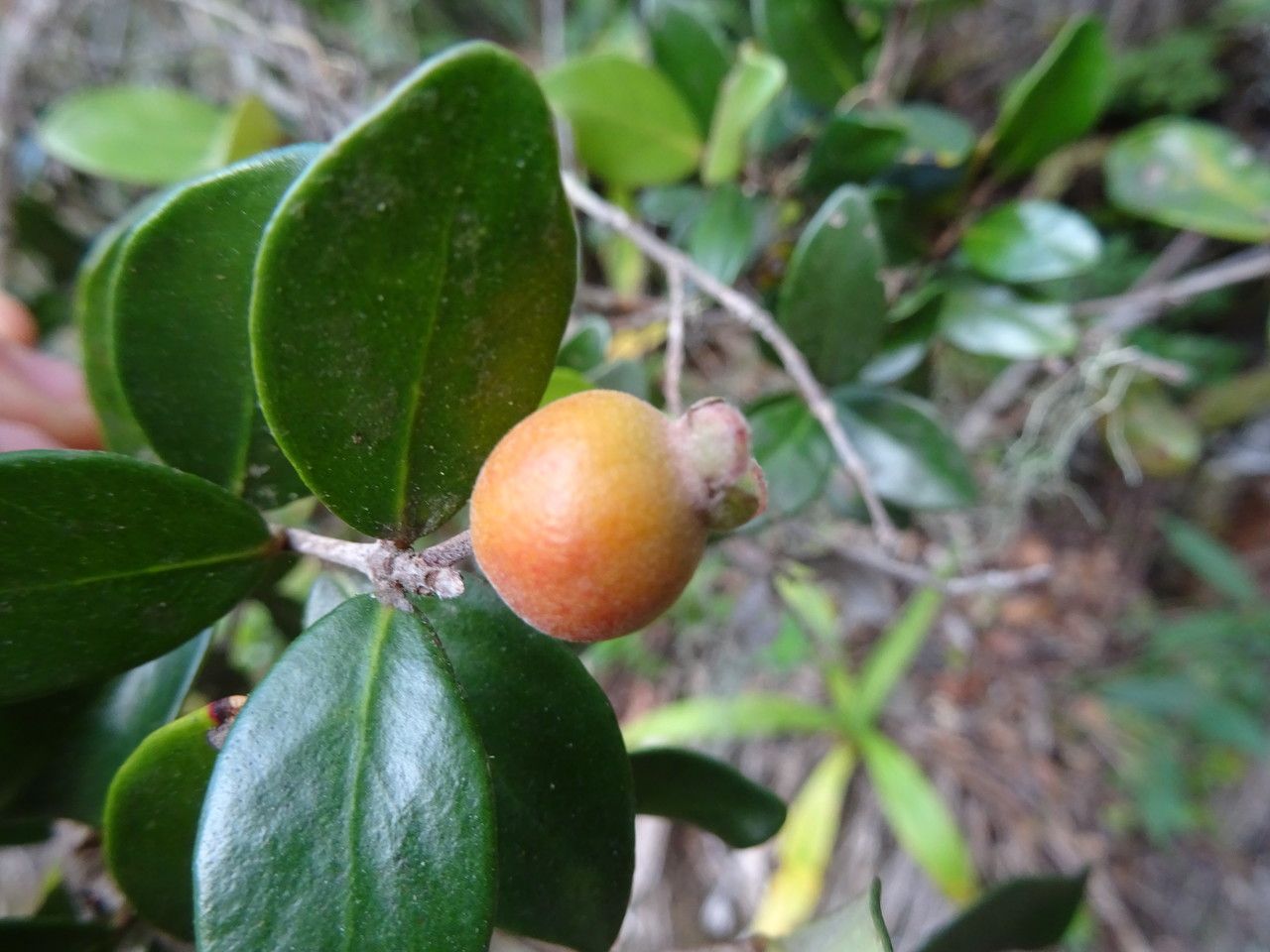
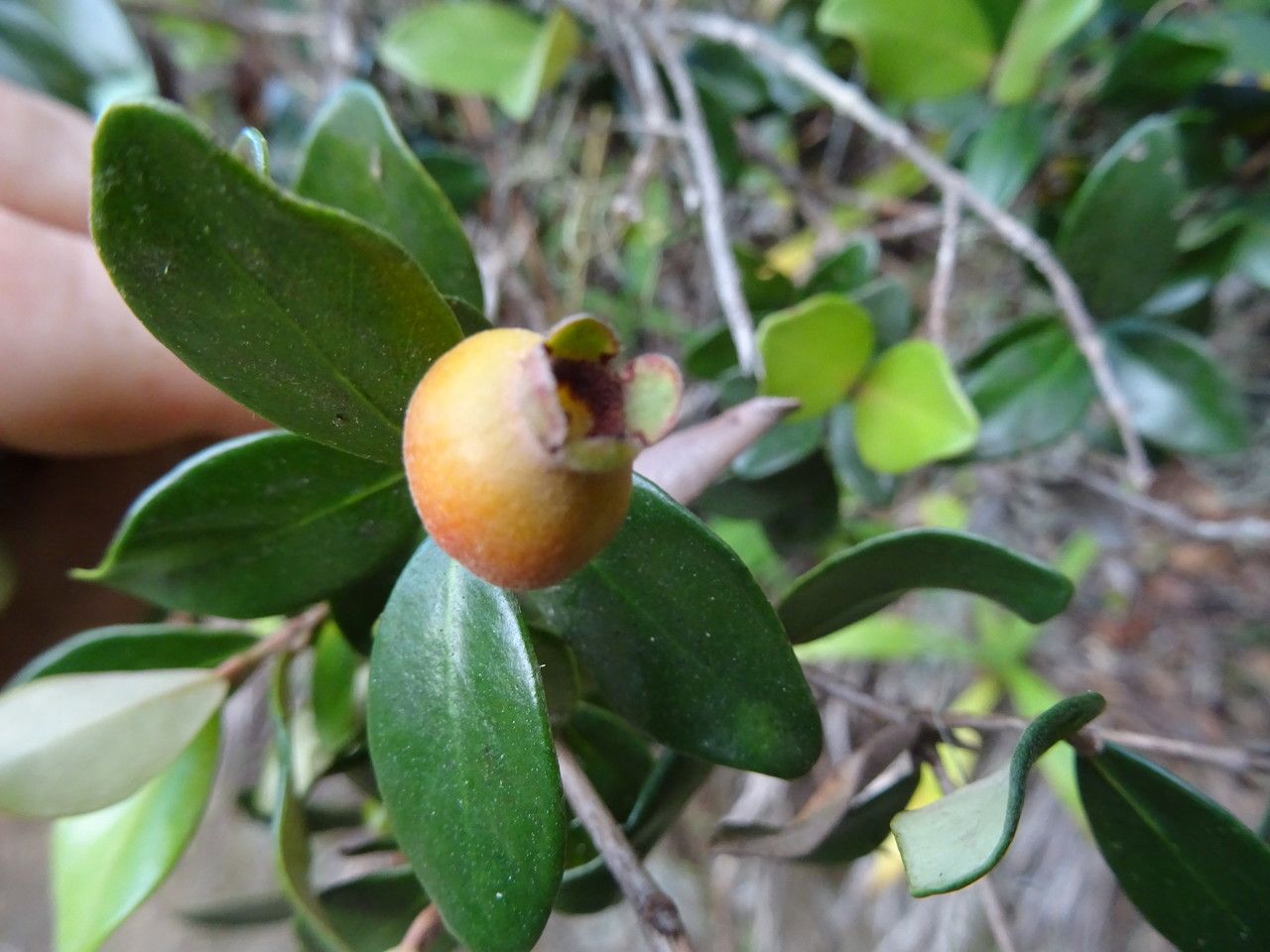
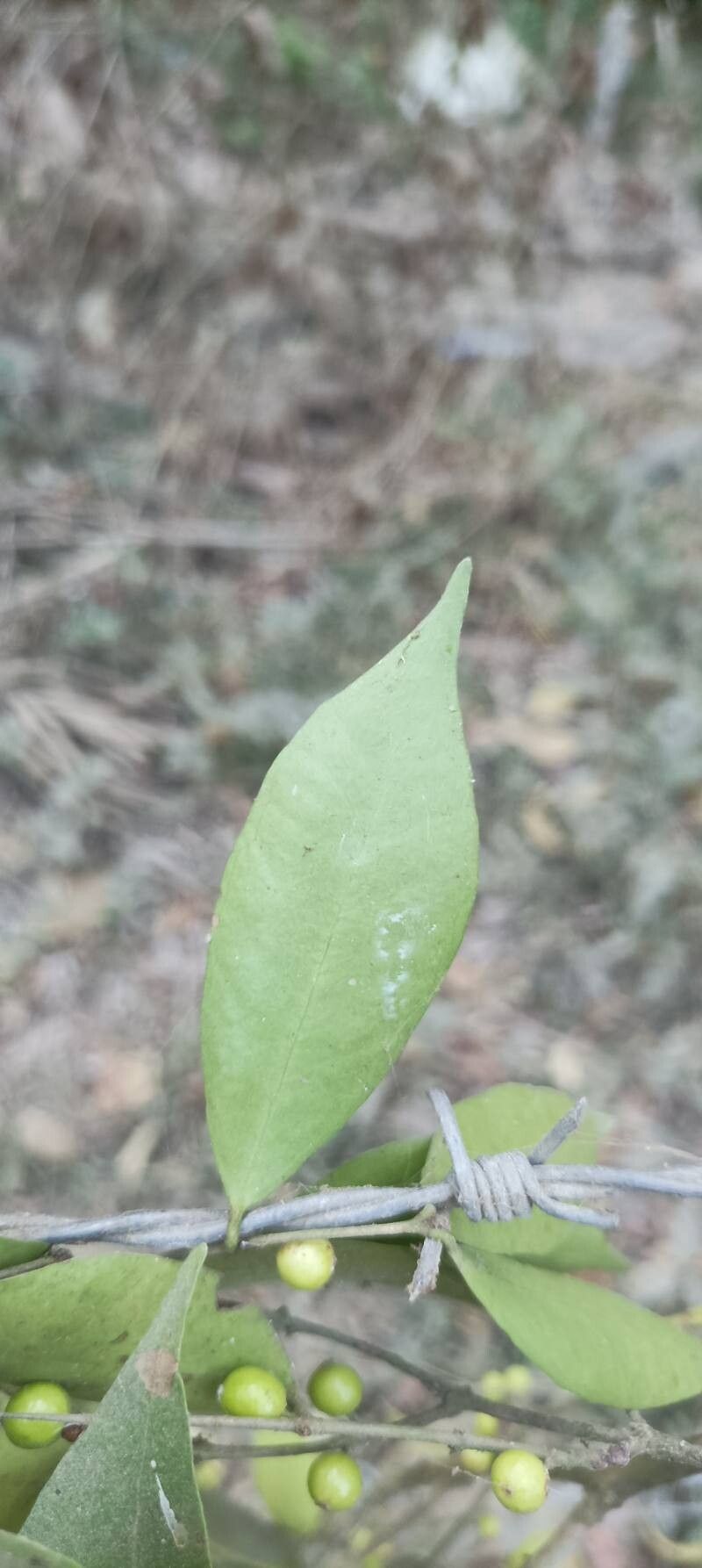
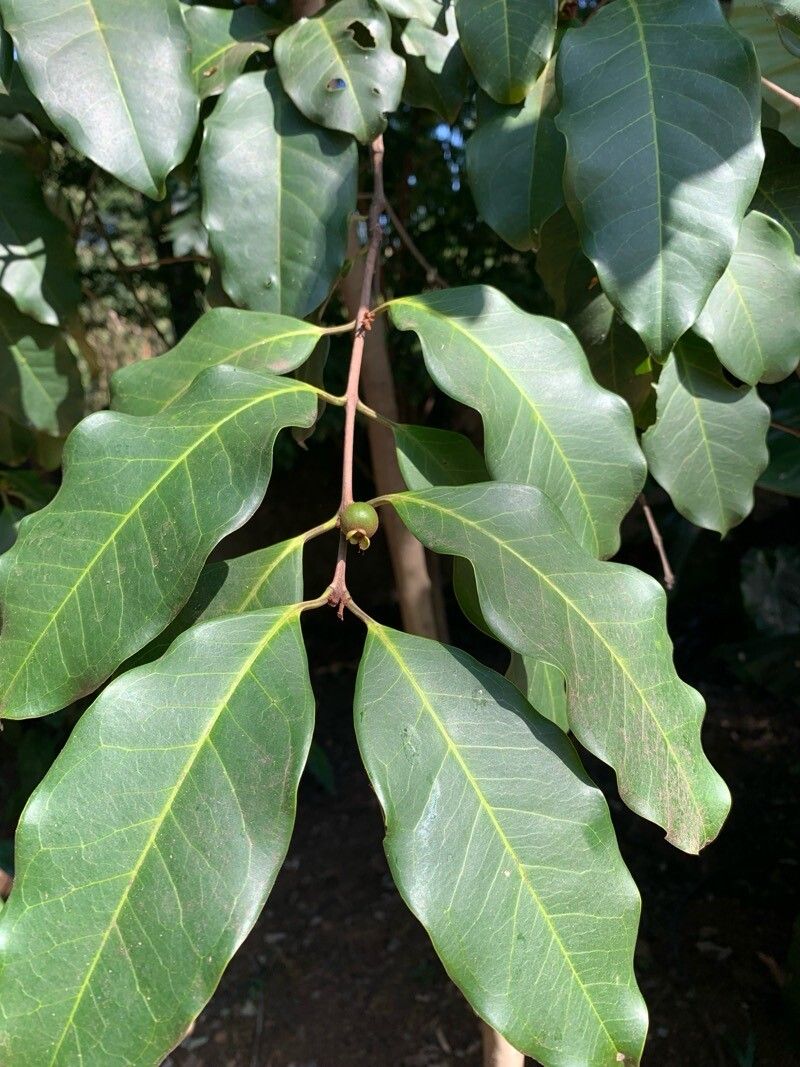
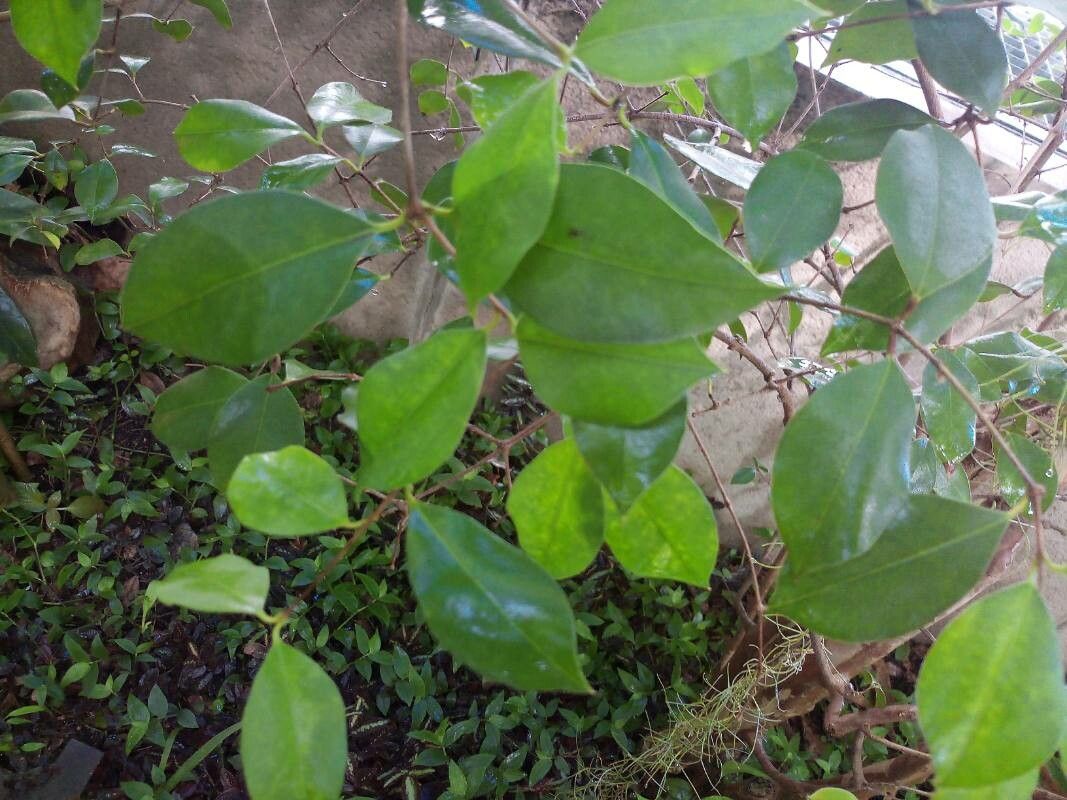
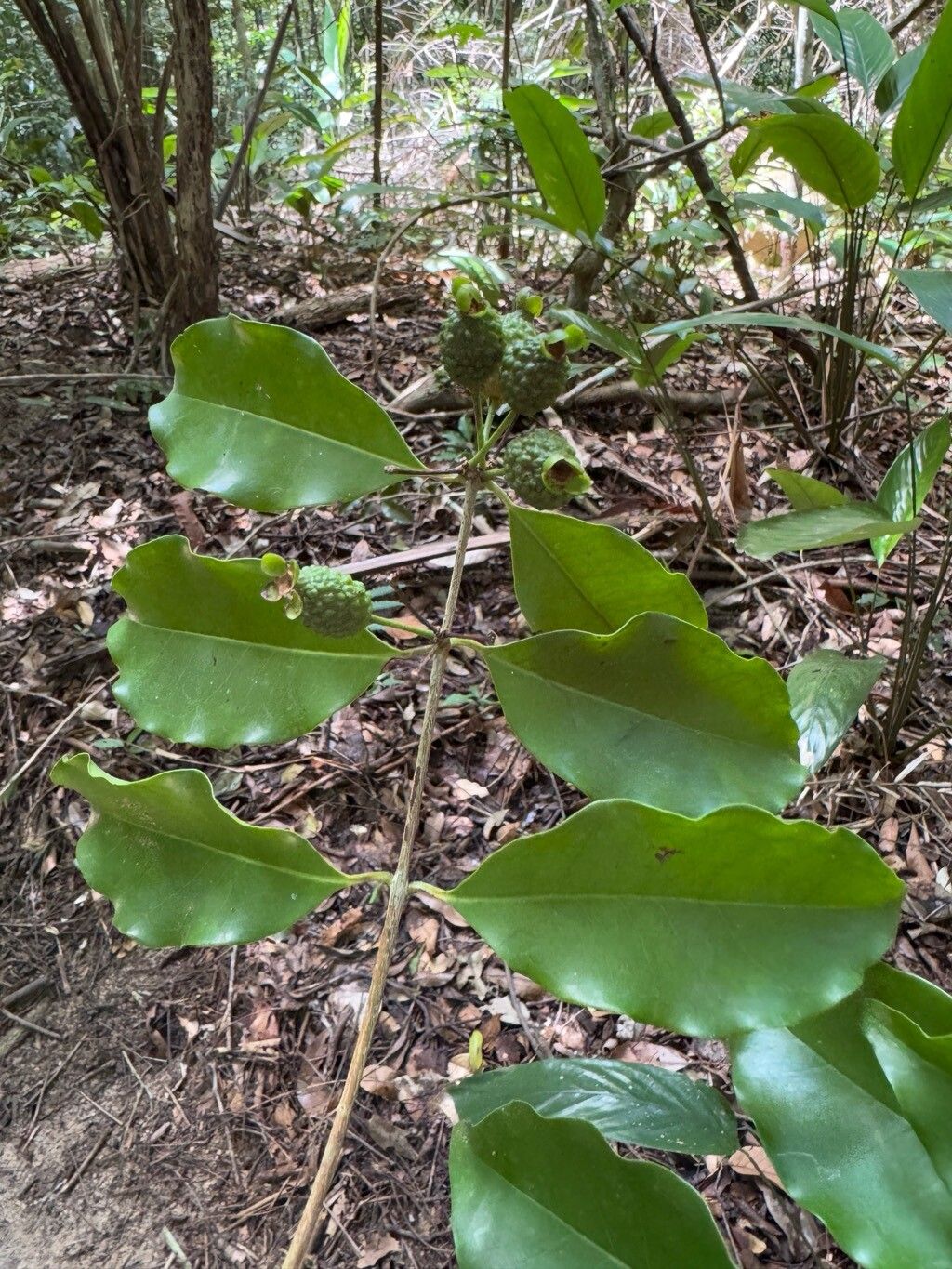
Eugenia is a genus of flowering plants in the myrtle family Myrtaceae. It has a worldwide, although highly uneven, distribution in tropical and subtropical regions. The bulk of the approximately 1,100 species occur in the New World tropics, especially in the northern Andes, the Caribbean, and the Atlantic Forest (coastal forests) of eastern Brazil. Other centers of diversity include New Caledonia and Madagascar. Many of the species that occur in the Old World have received a new classification into the genus Syzygium.All species are woody evergreen trees and shrubs. Several are grown as ornamental plants for their attractive glossy foliage, and a few produce edible fruit that are eaten fresh or used in jams and jellies.
Boxleaf stopper shows good resistance to disease and is generally unlikely to suffer from illnesses. In care terms, the plant is fairly low-maintenance. When grown outdoors it needs only light watering, and larger specimens typically do not require pruning. Smaller plants, however, should be pruned after flowering. Boxleaf stoppert is well suited to anyone with an outdoor area, such as a garden or deck, and does not demand much prior plant-care experience.
How to keep Eugenia Buxifolia.
Light
Boxleaf stopper is native to open habitats, such as sunny meadows and forest edges, which supply abundant light. It thrives in Full Sun but can also tolerate Partial Sun, remaining adaptable to a range of light conditions.
Temperature
Boxleaf stopper comes from tropical areas, where the climate is generally warm and humid. As a result, it is adapted to high temperatures and humidity. It dislikes sudden temperature changes and prefers a stable thermal environment, so it is important to avoid temperature fluctuations indoors. It typically cannot tolerate cold conditions and requires warmer temperatures to grow. If the surrounding temperature falls too low, the plant may stop growing or even die.
Fertilizer
Early spring, when the Boxleaf stopper comes out of dormancy, is the best time to fertilize. This supports overall growth and flower formation. Fertilization improves the foliage, stems, and branches, while encouraging flowers that are large, vibrant, and long-lasting. It helps move nutrients from the roots to the flowers and enhances the plant's health and resistance to disease.
Botanical profile.
- Plant Type
- Shrub, Tree
- Life Cycle
- Perennial
- Genus
- Eugenia
- Family
- Myrtaceae
- Hardiness Zone
- 10-11
- Mature Height
- 3.66 m to 6.1 m
- Mature Spread
- 2.44 m to 4.57 m
- Leaf Color
- Dark Green
- Leaf Type
- Evergreen
- Flower Color
- White
- Flower Size
- 1.02 cm to 1.52 cm
- Bloom Time
- Late spring, Summer, Early fall
- Planting Time
- Spring, Summer, Autumn
- Harvest Time
- Late summer, Fall, Early winter
- Native Area
- Bahamas, Mexico, Guatemala, Belize
Other names.