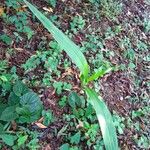
Eulophia alta
Wild coco
Description
Source: leafsnapEulophia alta is a species of orchid native to Africa and Madagascar. This terrestrial orchid thrives in grasslands, savannas, and open woodlands. It features long, narrow leaves that emerge from a basal rosette and can grow up to 60 cm in length. The flowers appear on tall spikes that can reach up to 1 meter in height. These blossoms are typically yellow or greenish-yellow, adorned with brown markings. Eulophia alta blooms from late summer through early fall. For centuries, indigenous people have utilized the plant for medicinal purposes. The roots are employed as an antiseptic and are said to treat various ailments, including fever, diarrhea, dysentery, and snake bites. Eulophia alta requires well-draining soil with moderate moisture levels and can endure periods of drought. It prefers full sun or partial shade but might need protection from intense afternoon sun in hotter climates. While it is not commonly cultivated outside its native range, experienced orchid growers who specialize in terrestrial orchids may grow Eulophia alta as an ornamental species.
Care Guide
💧 Water Every 7 days
Wild coco needs consistent moisture but can withstand occasional drought. It should be watered weekly during the summer and every ten days in the fall and winter. To maintain air humidity, mist the plant regularly. Use neutral pH water for watering by allowing tap or rainwater to sit for a while, which helps release any dissolved substances.
☀️ Light null
🌡️ Temperature 20–37.8°C
What is Wild Coco?
Wild Coco, scientifically known as Eulophia alta, is a plant species. Details about its essentials and symptoms were not provided in the given data.
💨 Humidity
🪴 Soil 6-7
🌱 Fertilizer
Usually one fertilizing in spring is enough for Wild coco, though several feedings will maximize growth. Fertilize every month to month and a half. Feeding improves the leaves' appearance and function, supporting even color and healthy texture. It also promotes root development and nutrient uptake for the plant's long-term health.
🪴 Pot & Repot
✂️ Pruning
Wild coco, known for its long flower racemes and tuberous roots, benefits from early spring pruning to encourage healthy growth. Important techniques include removing wilted flowers and damaged leaves. It's crucial to sterilize your tools to prevent infections. Pruning not only improves air circulation but also enhances the plant's flowering vigor.
🌿 Propagating
🐛 Diseases & pets
☠️ Toxicity
Characteristics
- Plant Type
- Herb
- Life Cycle
- Perennial
- Genus
- Eulophia
- Family
- Orchidaceae
- Hardiness Zone
- 9-11
- Native Area
- Belize, Angola, Mexico, Guatemala, Nigeria, Uganda, Jamaica, Zimbabwe, Cuba, Sierra Leone, Cameroon, Liberia, Burundi, Venezuela, Brazil, Ghana, Ethiopia, Central African Republic, Honduras, Peru, Zambia, Sudan, Guinea, Panama, Colombia, Bahamas, Bolivia, Guyana, Senegal, Nicaragua, Costa Rica, Ecuador, Côte d'Ivoire, Gambia, Congo (DRC), Gabon