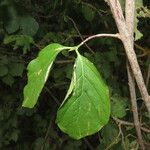
Euonymus latifolius
Large-leaf spindle · Broadleaf spindle · Broad-leaved Spindle · Large-leaved Spindle · Alpine spindle
Description
Source: wikipedia (CC BY-SA)Euonymus latifolius, the broad-leaved spindle tree, is a species of flowering plant in the family Celastraceae. It is native to the Mediterranean region, south-central Europe, the Caucasus, and the Middle East as far as Iran, and it has been introduced to Ireland, Great Britain, and Belgium. A shrub with a rounded growth form reaching 2.5 to 4 m, it is typically found in shrublands, and in rocky habitats such as inland cliffs and mountain peaks. In the wild, it requires shade; too much sunlight can prove lethal. A low maintenance choice for a number of landscaping and garden applications, it is available from commercial nurseries.
🌳 Beyond its horticultural appeal, the european spindle tree has a number of niche uses. Its fruits are employed to produce a yellow dye, and its timber is prized in fine woodworking for its hardness and durability. In folk practice, its long-lasting wood was made into implements such as skewers and meat spits. The dense timber resists splintering, making it well suited to tools that require precision and finesse. Additionally, the tree’s foliage has been used to repel lice, reflecting its potential in natural pest control.
🎭 Your charms are etched into my heart.
Care Guide
💧 Water
The large-leaved spindle thrives best in moderately moist, well-draining soil to prevent root rot. It does well in humid conditions but can tolerate short dry spells. Water it every three weeks, allowing the soil to partially dry out between waterings. When grown outdoors, pay attention to natural rainfall, especially during the peak water demand of the growing season.
What's the best way to water my Large-leaved spindle?
To ensure excellent root development, place a garden hose at the base of the plant. Avoid spraying water directly onto the leaves, as this may require more watering if the plant is exposed to direct sunlight outdoors. Consider using bubblers or soaker hoses to moisten the plant's roots. Additionally, use soaker hoses that cover the entire garden or bed when adding or removing plants to encourage deep root growth. After watering, drain any excess water and wait for the soil to dry before watering again. To prevent diseases, water at ground level instead of spraying water onto the leaves. On a sunny day, you can spray the entire bush with water. Whether the plant is potted or in-ground, remember that Large-leaved spindle prefers deep watering rather than light sprinkling.
What should I do if I give too much or too little water to the Large-leaved spindle?
Large-leaved spindles can show signs of overwatering, such as yellowing, wilting, and the dropping of leaves. The plant may also look unhealthy with mushy stems. Adjusting your watering schedule is necessary when these signs appear. Wilting can also indicate under watering, with leaves becoming crispy and dry. In such cases, check the soil for dryness and provide sufficient watering when needed. Although enough water can improve the plant's condition, the damaged root system may cause continued dryness and yellowing of leaves. Once the plant returns to normal, the yellowing will cease. Indoors, monitor the moisture levels and avoid overwatering. Look for black spots, and if present, allow the soil to dry by refraining from watering for a few days. Overwatering can lead to root rot, which may require transferring the plant to a different pot if discolored and slimy roots are observed. Preventing root rot is crucial, so avoid excessively soggy soil. When planting spindles outdoors, check the soil's moisture level by digging a little deeper. If it feels too dry, it could indicate underwatering, and providing adequate watering is necessary for the plant's recovery.
How frequently should I water my Large-leaved spindle plant?
The Large-leaved spindle plant prefers deep and infrequent watering, especially when planted in pots. Since flower pots have limited water storage and the soil dries out quickly, it's important to soak the plant in a gallon of water each time. If you live in a cold region, watering every 3 to 5 days is necessary. Water the plant in the morning when the soil is dry, both indoors and outdoors. Checking the moisture level by examining the top 2-3 inches of soil is also helpful. If it's dry, give the plant a proper watering. In hot weather, monitor the moisture daily as the heat can quickly dry out the soil in the pot. For garden irrigation, watering once a week is sufficient in hot climates. Only water when the top 2 to 3 inches of soil become too dry. Be mindful of rainfall and avoid overwatering to prevent root rot. In the spring and fall, when the Large-leaved spindle plant typically grows, adding mulch about 3 to 4 inches deep can help conserve water when outdoors. In sandy soil, which drains faster, the plants need more frequent watering. In clay soil, watering less frequently is advisable to avoid root rot. To maintain a watering schedule, marking the date on a calendar whenever you water the plant is helpful. If you notice the leaves starting to droop, it may indicate that you need to water the plant sooner.
How much water should I give my Large-leaved spindle?
To properly care for the Large-leaved spindle, follow these watering guidelines. For potted plants, water them deeply until the water begins to drip from the bottom of the pot. Allow the soil to dry before watering again. Use a water calculator or moisture meter to determine how much water you are giving to your plant each week. During the flowering period, provide plenty of water but allow the moisture to evaporate afterwards to avoid root rot. If the Large-leaved spindle is planted outdoors and receives adequate rainfall, additional watering may not be necessary. However, when the plant is young or newly planted, ensure it receives 1-2 inches of rain per week. As the plant grows, it can rely on rainfall alone for survival. Only in extremely hot weather or during extended periods of no rainfall (2-3 weeks) should you consider giving the plant a thorough watering during the cooler part of the day to prevent damage from high heat. Additional watering may also be needed during persistent dry spells.
Should I change how often I water my Large-leaved spindle plant based on the time of year or the weather?
The Large-leaved spindle thrives outdoors in rainy conditions, but only needs watering during dry weather. During spring and fall, keep the soil moist but not soggy for optimal growth. Alternating between dry and moist conditions is beneficial. In summer, hot weather causes water to evaporate quickly, so water more frequently if there is a lack of rainfall. During winter, the Large-leaved spindle requires less water since it drops its leaves and goes dormant. Use well-draining soil like terracotta to help with evaporation. Once the plant is dormant and leafless, rely on fall and winter rains for survival. In spring, encourage growth and flowering as temperatures rise. Good drainage is essential, especially in winter to prevent ponding. In pots, the plant has limited root growth, so keep them well-watered, particularly in summer. Deep soak the entire root system once or twice a week, avoiding shallow sprinkles that promote fungi growth. Even in dormancy, don't let the plant dry out completely. Avoid excessive water that can drown the plant or cause poor drainage, leading to winter death. Mulch can help reduce stress, conserve water, and promote healthy blooms.
☀️ Light Full sun
The european spindle tree does best with full exposure to sunlight, which promotes its vigorous growth. It can tolerate partial shade, though its growth may be reduced. Native to sunny habitats, the health and vigor of the european spindle tree can suffer if it does not receive enough sun.
What are the sun requirements for the Large-leaved spindle?
The Large-leaved spindle requires full sun, which means it needs above 6 hours of sunlight daily, but it can also tolerate partial sun, receiving about 3-6 hours of sunlight. When selecting a location for your Large-leaved spindle, observe your garden to ensure that the plant is placed in a spot that provides a balance of light and shade. This will support the plant's health and growth.
How important is sunlight for the health and growth of the Large-leaved spindle?
Sunlight plays a crucial role in the health and growth of the Large-leaved spindle. It has a great affinity for ample sun exposure, which is crucial for its healthy growth. The plant thrives when the sun's rays are unimpeded throughout the day but can also adapt to partially accessible light. Both insufficient and excessive sun exposure could negatively impact the plant's growth. In spaces where natural sunlight is limited, especially during winter or in less sunny areas, artificial lighting can serve as a vital solution by promoting faster, healthier growth.
What are the symptoms of light deficiency in Large-leaved spindle?
Symptoms of light deficiency in Large-leaved spindle include smaller new leaves, leggy or sparse growth, faster leaf drop, slower or no new growth, lighter-colored new leaves, and chlorosis. Additionally, exposure to excessive sunlight can lead to sunscald, leaf curling, wilting, leaf scorching, and chlorosis. These symptoms indicate that the plant is not receiving the optimal amount of sunlight needed for its growth.
What solutions can be applied to address light deficiency in Large-leaved spindle?
To address light deficiency in Large-leaved spindle, indoors, gradually move the plant to a sunnier location each week until it receives at least 6 hours of direct sunlight daily. Consider using artificial light if the plant is large or not easily movable, keeping a desk or ceiling lamp on for at least 8 hours daily. Outdoors, adjust the plant's location gradually to avoid sunburn. Additionally, removing obstructions such as pruning trees that block sunlight or relocating the plant to a sunnier spot with ample light and good drainage can improve light exposure for ground-planted specimens. It's important to note that affected parts of the plant may not recover, but new growth should be healthy with adequate light.
🌡️ Temperature 0–32.2°C
The european spindle tree grows well in temperate climates, preferring temperatures of 32 to 90 ℉ (0 to 32 ℃). In winter it requires protection from frostbite and grows best at 30 to 70 ℉ (-1 to 21 ℃). In summer it thrives at 60 to 90 ℉ (16 to 32 ℃).
💨 Humidity
🪴 Soil 6-7
🌱 Fertilizer
Fertilize your European spindle tree in early spring to encourage healthy growth. Regular feeding improves overall health, leading to strong growth, better toughness in challenging conditions, and increased resistance to pests and diseases. Keeping to a consistent fertilization schedule will ensure the foliage stays vibrant, richly colored, and lush in appearance.
Why should I add fertilizer to my Large-leaved spindle?
No matter which type of Large-leaved spindle you own, regular fertilization is essential for maintaining its overall health. Providing the right nutrients will support stronger growth and increase the plant's resilience to harsh growing conditions, as well as improve its ability to fight diseases and pests. The foliage of your Large-leaved spindle is especially attractive, so it is important to maintain its health. This can be achieved by following a regular fertilization schedule tailored specifically for your plant. By doing so, your Large-leaved spindle will develop vibrant, lush leaves.
When should I fertilize my Large-leaved spindle plant?
To give your Large-leaved spindle the best chance for healthy growth, it's recommended to fertilize it for the first time in late winter or early spring. This will provide the necessary nutrients for the plant to start growing well when the weather becomes warmer. If you live in a warm climate region, an additional fertilizer feeding in early fall can be beneficial. Fertilizing in fall helps to provide nutrients for the following growing season and increases the plant's resilience to winter cold, reducing the risk of foliage damage. It's important to fertilize earlier to allow enough time for new branches to grow and withstand the cold winter.
When should I not use fertilizer for my Large-leaved spindle?
Large-leaved spindle should not be fertilized at certain times of the year. The first time is during early and mid-winter when the plant is dormant and does not need to be fed. It is also not recommended to fertilize during late spring and summer, when the weather is hotter and drier. These conditions can lead to a negative response to fertilization. To avoid problems, stick to a fertilization schedule that involves feeding only in early spring and early fall.
Which fertilizer is best for my Large-leaved spindle?
The most important nutrient for a Large-leaved spindle is usually nitrogen, but this doesn't mean that phosphorus and potassium are not important. In fact, your Large-leaved spindle needs a good amount of all three nutrients. Using a balanced fertilizer like a 10-10-10 can be effective. However, a more balanced ratio of nutrients can often lead to better growth. Fertilizers with a slightly higher nitrogen content, like a 10-6-4 ratio, can work well. You can choose between using granular or liquid-based fertilizers when applying them.
How can I make my Large-leaved spindle plant grow better?
To fertilize your Large-leaved spindle, you have two options: using a granular fertilizer or a liquid fertilizer. For the granular fertilizer, simply sprinkle it onto the soil at the appropriate time. This type of fertilizer slowly releases nutrients into the soil over time. It's generally a good idea to lightly water your Large-leaved spindle before applying the granular fertilizer. On the other hand, the liquid fertilizer method is less common. To use this approach, mix the fertilizer with water and then pour it onto the soil around the base of your Large-leaved spindle. It's worth mentioning that occasionally performing a soil test beforehand can be beneficial. This will help you determine if any adjustments to the soil pH are necessary before fertilizing.
🪴 Pot & Repot 2-3 years
When repotting a European spindle tree, choose a pot 1-2 inches (2.5–5.1 cm) larger that provides ample drainage. Use a well-draining potting mix. Repot in spring or fall, making sure the root ball sits slightly lower than the rim of the flower pot. Water thoroughly after repotting and place it in a warm spot with indirect sunlight.
✂️ Pruning
The large-leaved spindle is known for its broad leaves and ornamental appearance. To promote growth and shape, prune the plant in early spring by removing dead branches and thinning the interior to improve airflow. Regular pruning encourages blooming and fruiting, which helps maintain the plant's health and visual appeal.
🌿 Propagating
🐛 Diseases & pets
☠️ Toxicity
Characteristics
- Plant Type
- Shrub, Tree
- Life Cycle
- Perennial
- Genus
- Euonymus
- Family
- Celastraceae
- Hardiness Zone
- 3-7
- Mature Height
- 2.13 m to 10.06 m
- Mature Spread
- 2.13 m to 2.44 m
- Leaf Color
- Green, Yellow, Red
- Leaf Type
- Deciduous
- Flower Color
- Yellow, Green, White
- Flower Size
- 0.10 cm to 0.20 cm
- Bloom Time
- Late spring, Early summer
- Planting Time
- Spring, Autumn
- Harvest Time
- Mid summer, Late summer
- Native Area
- Turkey, Sweden, Austria, Slovakia, Montenegro, Croatia, Slovenia, Belarus, Russia, Germany, Estonia, Romania, Latvia, Belgium, Portugal, Netherlands, France, Czech Republic, Bulgaria, Armenia, Poland, Greece, Ukraine, Serbia, Lithuania, Norway, Italy, Spain, Switzerland, Denmark, Albania, Ireland, United Kingdom, Hungary, Azerbaijan