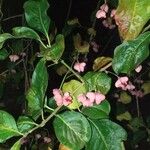
Euonymus maackii
Bunge's Spindle · Winterberry euonymus · Hamilton's spindletree
Care Guide
💧 Water
Euonymus hamiltonianus maackii, which originates from temperate regions, is drought-tolerant and needs moderate amounts of water. To mimic its natural habitat, water the plant every two weeks and use well-draining soil. This balance helps retain moisture while building resilience to short periods of dryness.
☀️ Light Full sun
For optimal growth, Euonymus hamiltonianus maackii does best in places that receive plentiful daily light, which supports its healthy condition. It can also tolerate sites where sunlight is partly shared with shade. Too much or too little light may affect the plant's vigorous development.
What are the sunlight requirements for Euonymus hamiltonianus maackii?
Euonymus hamiltonianus maackii requires full sun, which means it thrives best in areas that receive more than 6 hours of direct sunlight daily. However, it can also tolerate partial sun conditions, needing about 3-6 hours of sunlight. To ensure the plant's optimal growth and happiness, it's crucial to observe how sunlight moves through your garden and choose planting spots that offer a good balance of light and shade. Remember, the right amount of sunlight plays a significant role in the health and flourishing of your plants.
How important is light for the growth of Euonymus hamiltonianus maackii?
For optimum growth, Euonymus hamiltonianus maackii greatly benefits from abundant, everyday light. This promotes its health, allowing it to flourish. While the plant adapts well to a mix of sunlight and shade, adequate light exposure is critical for its development. In situations where natural light is insufficient, especially during winter or in less sunny spaces, artificial lighting becomes essential. Artificial lights, particularly LED lights, can be adjusted to provide the wavelengths needed by the plant. For full sun plants, 30-50 watts per square foot is recommended; for partial sun plants, 20-30 watts per square foot; and for full shade plants, 10-20 watts per square foot. It's also important to position the light source 12-36 inches above the plant and mimic natural daylight hours, ensuring the plant gets 8-12 hours of light per day.
What are some common symptoms of light deficiency in Euonymus hamiltonianus maackii?
Euonymus hamiltonianus maackii may show several symptoms when it's not getting enough light, including smaller new leaves, leggy or sparse growth, faster leaf drop, and slower or no new growth. Leaves might develop lighter colors or show signs of chlorosis, turning yellow due to a lack of chlorophyll. Overexposure to sunlight can also cause negative effects, such as sunscald, leaf curling, wilting, and leaf scorching. These symptoms indicate the plant is struggling to adjust to its lighting conditions, whether it's too much or too little light, affecting its overall health and growth.
How can I manage lighting conditions for an indoor Euonymus hamiltonianus maackii?
Ensuring your Euonymus hamiltonianus maackii receives enough light indoors involves gradually moving the plant to a sunnier location until it gets at least 6 hours of direct sunlight daily. Utilizing a south-facing window and keeping curtains open during the day can maximize sunlight exposure. For plants that are large or not easily movable, or when natural light is insufficient, consider using artificial lighting. Keeping a desk or ceiling lamp on for at least 8 hours daily or investing in professional plant grow lights can provide the necessary light. It's crucial to mimic natural sunlight as much as possible for the plant's optimal growth.
What should I do if my Euonymus hamiltonianus maackii doesn't receive enough sunlight outdoors?
If your Euonymus hamiltonianus maackii isn't getting enough sunlight outdoors, gradually move it to a sunnier spot each week. This allows your plant to adapt to the increased light without suffering from sunburn. For those with parts of the plant already affected by low sunlight, although these parts might not recover, new growth should appear healthier once the light conditions are improved. It's important to avoid sudden and drastic changes in light conditions to prevent stressing the plant.
🌡️ Temperature 0–32.2°C
Euonymus hamiltonianus maackii is native to temperate climates and does well in temperatures ranging from 32 to 89.6 °F (0 to 32 ℃). During colder seasons it may need extra protection, such as mulch, to help retain warmth.
What is Euonymus hamiltonianus maackii?
Euonymus hamiltonianus maackii, also known as Euonymus maackii, is a plant native to temperate climates. It thrives in temperatures ranging from 32 to 89.6 °F (0 to 32 °C). This plant is well-adapted to cold environments and generally does not require additional frost protection measures during winter. However, it is beneficial to water the plant generously before the first freeze in autumn to ensure the soil remains moist and enters a frozen state, aiding the plant through winter and early spring.
How does Euonymus hamiltonianus maackii react to low temperatures?
Euonymus hamiltonianus maackii is extremely cold-tolerant and can withstand winter temperatures above -35°C without significant change during the winter. However, if temperatures fall below this threshold, the plant's branches may become brittle and dry by spring, potentially not producing new shoots. To mitigate this, it is recommended to prune any dead branches in the spring that have failed to produce new leaves.
What should I do if Euonymus hamiltonianus maackii is exposed to high temperatures?
Euonymus hamiltonianus maackii is not tolerant of high temperatures. When exposed to temperatures above 32°C, the plant may exhibit significant leaf drop, or in severe cases, it may wither and die. To combat this, trim away any sunburned or dried-up parts of the plant, provide shade from the midday and afternoon sun, either by moving the plant to a shadier location or using a shade cloth, and ensure the soil is kept moist by watering in the morning and evening.
💨 Humidity
🪴 Soil 6-7
🌱 Fertilizer
The timing of fertilizing Euonymus hamiltonianus maackii is important. Apply fertilizer in early spring and continue monthly through early summer. Fertilizer promotes attractive blooms and supplies energy during both dormant and active growth phases.
🪴 Pot & Repot
✂️ Pruning
Euonymus hamiltonianus maackii is a deciduous shrub known for its vibrant red berries and colorful autumn foliage. To maintain its health and appearance, prune it in early spring to remove dead branches and improve air circulation. Regular annual pruning promotes vigor and enhances its ornamental appeal, ensuring a well-maintained garden.
🌿 Propagating
🐛 Diseases & pets
☠️ Toxicity
Characteristics
- Plant Type
- Tree, Shrub
- Life Cycle
- Perennial
- Genus
- Euonymus
- Family
- Celastraceae
- Hardiness Zone
- 3-7
- Mature Height
- 4.57 m to 7.62 m
- Mature Spread
- 4.57 m to 7.62 m
- Leaf Color
- Green
- Leaf Type
- Deciduous
- Flower Color
- Yellow, Green, White, Pink, Orange, Gold
- Flower Size
- 2.54 cm
- Bloom Time
- Late spring, Early summer
- Planting Time
- Spring, Summer, Autumn
- Harvest Time
- Late summer, Early fall, Mid fall
- Native Area
- Russia, Mongolia, Koppen, South Korea, China