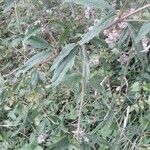
Eupatorium cannabinum
علف تب بر، غافث کنفی، · Hemp Agrimony · Boneset · Hemp Thoroughwort · Water hemp agrimony
Description
Source: leafsnapEupatorium cannabinum, commonly known as hemp-agrimony, or holy rope, is a herbaceous plant in the family Asteraceae. It is a robust perennial native to many areas of Europe. It is cultivated as an ornamental and occasionally found as a garden escape in scattered locations in China, the United States and Canada. It is extremely attractive to butterflies, much like buddleia.If the genus Eupatorium is defined in a restricted sense (about 42 species), E. cannabinum is the only species of that genus native to Europe (with the remainder in Asia or North America).
🌳 Besides its ornamental and medicinal uses, hemp agrimony has been utilized as a natural dye, giving textiles bright colors. In modern research it has demonstrated potential for phytoremediation of soils polluted with heavy metals because of its accumulation capabilities, indicating a possible role in ecological restoration practices.
Care Guide
💧 Water
Hemp agrimony, which originates from damp environments, thrives in consistently moist soil. For optimal hydration, it should be watered weekly. While it is moderately drought-tolerant, its growth is influenced by seasonal rainfall and temperature changes, particularly because it is often grown outdoors.
How should I water my Hemp agrimony?
To properly water the Hemp agrimony, it is recommended to use filtered water at room temperature. Tap water may contain harmful particles, making filtered water a better choice. The water should be at room temperature or slightly warmer as cold water can be a shock to the plant's system due to its origins in warm environments. Avoid overhead watering as it can lead to leaf problems. Instead, apply filtered room temperature water directly to the soil until it is thoroughly soaked. This method benefits the plant by moisturizing the roots and facilitating their spread in the soil for nutrient collection.
What can I do if I give my Hemp agrimony plant too much or too little water?
Overwatering is a more common issue that can harm your Hemp agrimony. It can cause wilting, yellowing of stems and leaves, and lead to diseases like root rot, mold, and mildew, which can be fatal. Underwatering is less common, but still possible. Signs of underwatering include brittle and brown leaves. It's important to detect and address signs of overwatering early to avoid irreversible damage. Reduce watering immediately if you notice early signs and check the soil's drainage. Replace poorly draining soil with a loose, well-draining potting mix. If signs of underwatering are present, water more frequently until the signs disappear.
How often do I need to water my Hemp agrimony?
If your Hemp agrimony is in a pot, the best way to determine if it needs water is by checking the moisture level of the soil. Stick your finger into the soil and if the top two to three inches feel dry, it's time to water it. If you have your Hemp agrimony planted outdoors in the ground, you can use a similar method to test the soil. Once the first few inches of soil have dried out, it's time to water. Typically, during the spring and early fall, you will need to water this plant about once every week using this method. However, during extremely hot weather, you may need to water it twice or more per week. It's worth noting that mature, well-established Hemp agrimony plants have a remarkable ability to withstand drought.
How much water should I give my Hemp agrimony?
To properly water your Hemp agrimony, don't be afraid to give it a generous amount of water. Make sure the first two to three inches of soil are dry before watering thoroughly. The goal is to completely saturate the soil, so add enough water that it starts to drain out of the pot's drainage holes. If you don't see any excess water draining, it means you haven't given enough water. But be careful not to let water accumulate in the soil, as this can harm the plant. Also, if water doesn't drain properly, it could be a sign of poorly draining soil, which is not good for the plant's health. For outdoor plants, 1 inch of rain per week is sufficient.
How should I water my Hemp agrimony during different stages of growth?
The water needs of the Hemp agrimony can vary depending on its growth stages. In the early years or after transplanting, it requires more water to support the development of new roots. These roots need extra moisture to ensure optimal growth. As the plant matures, it will require less water. Additionally, during the bloom period, the flowering process requires a significant amount of moisture, so you may need to increase watering during this time.
☀️ Light Full sun
Hemp agrimony does best in open, sky-exposed locations where it receives plentiful sunlight for healthy growth. It can tolerate less sunny spots, but this may harm its development. Coming from sunlit habitats, the plant needs similar conditions, though the light should not be overly intense. Too much or too little light disrupts growth, causing withering or delayed maturation.
What are the sunlight requirements for Hemp agrimony?
Hemp agrimony requires full sun, which means it thrives best in locations that receive above 6 hours of sunlight daily. However, it can also tolerate partial sun conditions, about 3-6 hours of sunlight. It's important to observe how sunlight moves through your garden to ensure you choose spots that offer a good balance of light and shade for your plants. This balance is crucial for their overall happiness and health.
What are the essential growing conditions for Hemp agrimony?
Hemp agrimony prospers under open skies, welcoming abundant sunlight for robust growth. It originates from habitats that enjoy ample sunlight, requiring a similar environment for optimal growth. Though it can endure less sunny conditions, insufficient or excessive sunlight can hinder its development, leading to withering or slower maturity. In conditions where natural light is lacking, especially during winter or in less sunlit spaces, artificial lighting such as LED lights can be a vital solution. These should provide 30-50W/sq ft for full sun plants, 20-30W/sq ft for partial sun plants, and 10-20W/sq ft for full shade plants, placed 12-36 inches above the plant and turned on for 8-12 hours per day to mimic natural sunlight conditions.
What are some common symptoms of improper lighting conditions for Hemp agrimony?
Improper lighting conditions can trigger several issues in Hemp agrimony. Symptoms of light deficiency include smaller new leaves, leggy or sparse growth, faster leaf drop, and slower or halted new growth. Leaves may also appear paler, indicating a lack of essential nutrients and chlorophyll. Conversely, excessive light exposure can cause chlorosis, sunscald, leaf curling, wilting, and leaf scorching. These symptoms highlight the plant's struggle with too much or too little sunlight, affecting its health and growth significantly.
How can I address lighting issues for my indoor and outdoor Hemp agrimony plants?
To address lighting issues for Hemp agrimony, follow a gradual approach. For indoor plants, gradually move them to sunnier spots until they receive at least 6 hours of direct sunlight daily, or use artificial lighting like plant grow lights for at least 8 hours a day. Outdoor plants also benefit from gradual relocation to sunnier spots, avoiding sudden changes to prevent sunburn. If obstructions like trees block sunlight, consider pruning to let more light through. For plants with significant growth issues, transplanting during dormancy to a location with better light and drainage might be necessary. Remember, parts of the plant that suffered from light deficiency may not recover, but improving light exposure will promote healthy new growth.
🌡️ Temperature 5–32.2°C
Hemp agrimony comes from a habitat with moderate temperatures, favoring 68 to 95 °F (20 to 35 °C). Seasonal temperature adjustments may be necessary to replicate its native conditions and ensure optimal growth.
What is the optimal temperature range for growing hemp agrimony?
Hemp agrimony thrives in moderate temperatures, with an optimal range of 68 to 95°F (20 to 35°C). To ensure optimal growth, it's important to adjust temperatures seasonally to reflect its native environmental conditions.
Does hemp agrimony require special frost protection measures during winter?
Hemp agrimony possesses strong cold resistance and generally does not require special frost protection. However, in areas where winter temperatures are expected to drop below -30°C, it's crucial to provide cold protection by covering the plant with materials such as soil or straw. Additionally, watering the plant abundantly before the first freeze helps keep the soil moist, preventing drought and water scarcity during winter and early spring.
How does hemp agrimony react to low temperatures, and what solutions are recommended?
Hemp agrimony is cold-tolerant and performs best in temperatures above 20°C, with winter temperatures ideally above 0°C. If temperatures fall below -30°C, the plant may not show immediate damage, but decreased sprouting or a complete lack of sprouting might occur in spring. In such cases, removing parts of the plant that failed to sprout in the spring is advised.
How should hemp agrimony be cared for in high temperatures, and what are the signs of heat stress?
During summer, it's important to keep hemp agrimony below 35°C. Temperatures exceeding 38°C can cause the leaves to lighten, curl, become sunburned, and in severe cases, lead to the wilting and drying of the entire plant. To mitigate this, trim away sunburned and dried parts, move the plant to a shaded location or use a shade cloth during the hottest parts of the day, and water the plant in the morning and evening to maintain soil moisture.
💨 Humidity normal (40-60%)
This plant will thrive in moderate humidity, which is probably the level in your home. However, misting it a few times a week can be very beneficial. Make sure the room has good ventilation.
🪴 Soil 6-7
🌱 Fertilizer
The best time to fertilize Hemp agrimony is in early spring, as it comes out of dormancy and begins active growth. Fertilizing supplies essential nutrients needed for healthy development. While Hemp agrimony does not require much fertilizer, applying it yearly can improve its chances of survival and encourage fuller, longer-lasting blooms.
What kind of fertilizer does my Hemp agrimony plant need?
Choosing the best fertilizer for a Hemp agrimony is thankfully straightforward. These plants thrive on general-purpose garden fertilizers with equal amounts of nitrogen, phosphorus, and potassium, such as a 10-10-10 ratio. When uncertain, avoid high nitrogen fertilizers. Granular, slow-release fertilizers are ideal for Hemp agrimony and are easy to apply. Additionally, feeding the plant with organic soil amendments like compost can be beneficial.
What will happen if I use too much fertilizer on my Hemp agrimony?
The Hemp agrimony does not require large amounts of fertilizer each year, so overfertilization is a possibility. If you overfertilize, you will notice the leaves turning brown as the first sign. This is more likely to happen if you use a fertilizer with high levels of nitrogen. Excessive nitrogen content can cause the leaves to lose color, become dry, and curl at the edges. To avoid these issues, many gardeners choose to fertilize their Hemp agrimony once a year in early spring.
Why should I put fertilizer on my Hemp agrimony?
Fertilizing your Hemp agrimony is essential for maintaining healthy leaves and promoting root growth. The leaves of the plant are vital for its structure, so proper fertilization is crucial for ensuring consistent color and a healthy texture. Additionally, fertilization also works beneath the soil's surface, helping the plant generate new roots and maintain existing ones. This not only keeps the plant healthy in the present but also improves its ability to absorb soil nutrients in the future.
When should I fertilize my Hemp agrimony for best results?
If you grow your Hemp agrimony outdoors each year, the plant will send new growth shooting out in early spring. This is the signal that it's time to start fertilizing for the year. Typically, one application of fertilizer in the spring is enough for a Hemp agrimony to thrive. However, if you want to maximize its growth, you can feed the plant multiple times throughout the spring and early summer. If you go this route, you should feed your Hemp agrimony approximately once every month to a month and a half.
When is it best to not give my Hemp agrimony fertilizer?
During the late fall and winter, your Hemp agrimony goes into a dormant phase and stops growing. During this time, it's best not to fertilize it. In the spring and summer, if you choose to use fertilizer, start reducing the amount as summer gets closer because the plant's growth will slow down. It's important to avoid fertilizing your Hemp agrimony during excessively hot weather or when the soil is very dry. Fertilizing under those conditions can cause stress and premature death of the plant.
🪴 Pot & Repot Every 12 months
✂️ Pruning
Hemp agrimony is a perennial plant featuring pinkish-purple flowers. To maintain its vigor and shape, it's important to prune the plant early in the spring. Cut back the old stems to ground level to improve airflow and encourage blooming. Make sure to use clean, sharp tools for this task to prevent disease and ensure the plants remain healthy and robust throughout the growing season.
🌿 Propagating
🐛 Diseases & pets
☠️ Toxicity
This is a medicinal plant so no toxicity related to this is reported in the literature.
Characteristics
- Plant Type
- Herb
- Life Cycle
- Perennial, Annual
- Genus
- Eupatorium
- Family
- Asteraceae
- Hardiness Zone
- 4-8
- Mature Height
- 1.52 m
- Mature Spread
- 1.22 m
- Leaf Color
- Green
- Leaf Type
- Deciduous
- Flower Color
- Pink, Purple, White
- Flower Size
- 5.08 cm to 7.62 cm
- Bloom Time
- Mid summer
- Planting Time
- Spring
- Harvest Time
- Mid summer
- Native Area
- Europe to Central Asia and Iran, Africa