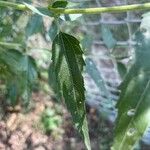
Eupatorium serotinum
Lateflowering thoroughwort · Late boneset · Augusto · Fall boneset · Late eupatorium
Description
Source: leafsnapEupatorium serotinum, commonly known as late-flowering thoroughwort or late boneset, is a perennial herbaceous plant in the Asteraceae family. Native to North America, it thrives in diverse habitats such as wetlands, meadows, and woodlands. This plant can reach heights of up to 6 feet and features a woody stem with opposite, lance-shaped, and toothed leaves. Its flowers are small and white or pinkish, with a central disk surrounded by numerous ray flowers. Eupatorium serotinum blooms from August to October, providing late-season color when most other plants have finished flowering. For centuries, Native Americans have used Eupatorium serotinum for its medicinal properties, treating ailments such as fever, colds, coughs, and arthritis pain. In addition to its medicinal uses, the plant is a crucial nectar source for bees and butterflies during its blooming period, making it an important component of the ecosystem. Overall, Eupatorium serotinum is an attractive perennial herb that enhances natural landscapes while offering medicinal benefits, making it a valuable addition to both gardens and natural habitats.
💡 Plants provide numerous benefits not only to gardeners but also to the surrounding flora and fauna. One example is the late boneset, which is a magnet for pollinators. This late-season bloomer attracts dozens of different insects and offers essential nectar to a variety of bugs. These insects not only feed from the late boneset but also visit other plants in the garden, helping to ensure proper pollination.
🎭 Recovery, Repair Renewal, thankfulness
Care Guide
💧 Water Every 7 days
The late boneset, a plant native to North America, thrives in areas with consistent moisture but can withstand short periods of drought. It typically requires weekly watering, mirroring the conditions of its natural environment. As an herbaceous perennial, the late boneset goes dormant in winter, which significantly reduces its water requirements and showcases its ability to adapt to seasonal changes.
How should I water my Late boneset plant?
To ensure the health of the Late boneset, it is important to water it with filtered water at room temperature. Tap water may contain harmful particles that can affect the plant. Since the Late boneset is accustomed to a warm environment, it is best to avoid using cold water, as it can shock the plant. Furthermore, overhead watering should be avoided as it can lead to foliage issues. Instead, focus on thoroughly saturating the soil with filtered room temperature water. This helps the plant by moisturizing the roots and promoting the spread of nutrients throughout the soil.
What do I do if I give my Late boneset too much or too little water?
Overwatering your Late boneset is a more common issue than underwatering. When this plant gets too much water, its stems and leaves may wilt and turn yellow. Prolonged overwatering can cause diseases like root rot, mold, and mildew, which can kill your plant. Underwatering is less likely, as the Late boneset can tolerate drought. However, if it happens, the leaves may become brittle and brown. It's important to recognize the signs of overwatering early. Some diseases caused by overwatering, like root rot, may not be fixable if you wait too long. Reduce your watering schedule immediately if you notice early signs of overwatering. Check the soil's drainage. If it's poor, replace it with a loose, well-draining potting mix. Conversely, if your Late boneset lacks water, simply water it more regularly until signs of dehydration disappear.
How frequently should I give water to my Late boneset?
If your Late boneset plant is in a pot, the best way to check if it needs water is by sticking your finger into the soil. If the top two to three inches of soil are dry, then it's time to water it. The same method applies if you grow your Late boneset outdoors in the ground. Once the top few inches of soil have dried out, it's time to water. In the spring and early fall, you'll typically need to water this plant about once a week using this method. However, when it gets really hot, you may need to increase your watering frequency to twice or even more per week. Despite this, mature and established Late boneset plants have shown great ability to withstand drought.
How much water does my Late boneset plant need?
When watering your Late boneset, don't hesitate to give it a good amount of water. Wait until the top two to three inches of soil are dry, then water thoroughly until the soil is completely soaked. Make sure to add enough water so that it flows through the drainage holes at the bottom of the pot. If you don't see excess water draining, you may have not watered enough. However, be careful not to let water accumulate inside the soil as it can harm the plant. On the other hand, if water doesn't drain well from the pot, it could mean that the soil doesn't drain properly, which is harmful to the plant. If the plant is outdoors, receiving 1 inch of rain per week should be enough.
How do I water my Late boneset at different times when it's growing?
The water needs of the Late boneset change throughout its growth stages. When it is in the first few years or recently transplanted, it requires more water. During this time, the plant focuses on growing new roots to support future growth, and these roots require more moisture. As the plant matures, it will need less water. Additionally, during the bloom period, the plant needs more water to support flower development.
☀️ Light Partial sun
Late boneset grows best in moderate sunlight, though it tolerates both full sun and complete shade. Its native habitat accounts for this wide light tolerance and supports vigorous growth. Nevertheless, too much or too little sunlight can lead to health problems for the plant.
What are the sunlight requirements for Late Boneset?
Late Boneset (Eupatorium serotinum) thrives best under moderate sunlight but can adapt to a range of light conditions, from full sun to complete shade. Typically, it requires about 3-6 hours of sunlight (partial sun), though it can also grow in conditions with more than 6 hours of sunlight (full sun), as well as in full shade. It's essential to observe how sunlight moves through your garden to choose the best spots for your plants, ensuring a balance of light and shade for optimal growth.
How can artificial lighting benefit Late Boneset grown indoors?
Indoor Late Boneset plants benefit greatly from adequate lighting, especially when natural sunlight is insufficient. Artificial lights, such as LED lights, can mimic the sun’s natural spectrum, providing the wavelengths the plants need to thrive. For healthy growth, full sun plants should receive 30-50W/sq ft of artificial light, partial sun plants 20-30W/sq ft, and full shade plants 10-20W/sq ft. The light source should be placed 12-36 inches above the plant, with the duration mirroring natural daylight hours, generally 8-12 hours per day.
What are the symptoms of insufficient or excessive light exposure in Late Boneset?
Late Boneset shows various symptoms when it doesn't get the right amount of light. Insufficient light may lead to smaller leaves, leggy growth, faster leaf drop, slower or ceased growth, paler leaves, and chlorosis (yellowing). Excessive light can cause sunscald (pale, damaged areas on leaves or stems), leaf curling as a protective response, wilting due to increased water loss, and leaf scorching characterized by brown, dry edges. These symptoms serve as indications for adjusting the plant's light exposure.
What solutions are available for managing light exposure for Late Boneset?
To manage light exposure for Late Boneset, gradually introduce the plant to sunnier spots, moving it weekly to optimize sunlight reception. For indoor plants difficult to move, employing artificial lighting such as desk or ceiling lamps, or professional plant grow lights for at least 8 hours daily can be beneficial. Outdoors, ensure a gradual adaptation to sunlight to prevent sunburn. If sunlight is obstructed, prune branches and leaves of nearby trees or consider transplanting the plant during its dormant period for better light access. Note that parts of the plant damaged by improper light exposure may not fully recover, but new growth will be healthy with corrected light conditions.
🌡️ Temperature 10–35°C
Late boneset is native to regions with moderate temperatures. It prefers a temperature range of 50 to 95 ℉ (10 to 35 ℃). In colder seasons, the plant should be kept between 50 to 65 ℉ (10 to 18 ℃), while in warmer seasons, it can tolerate temperatures up to 95 ℉ (35 ℃).
What is the ideal temperature range for Late boneset?
Late boneset, or Eupatorium serotinum, thrives in moderate temperature regions, preferring a range of 50 to 95°F (10 to 35°C). During colder seasons, it should be maintained between 50 to 65°F (10 to 18°C), while in warmer seasons, it can tolerate up to 95°F (35°C). The plant possesses strong cold resistance, making special frost protection measures generally unnecessary, however, in extreme cold below -25°C, providing cold protection by covering the plant is advisable.
How should Late boneset be cared for in winter to prevent damage?
To protect Late boneset during winter, especially if temperatures are expected to drop below -25°C, it's important to provide cold protection by covering the plant with soil or straw. Additionally, before the first freeze in autumn, watering the plant abundantly to ensure the soil is moist helps prevent drought and water scarcity during the winter and early spring, supporting the plant's health.
What are the symptoms of Late boneset in response to temperature stress, and how can they be addressed?
Late boneset shows different responses to temperature extremes. In low temperatures below -25°C, there may not be noticeable changes during winter, but a decrease in sprouting or lack of sprouting might occur come spring. The solution in spring is to remove parts that have failed to sprout. In high temperatures above 38°C, leaves may lighten in color, curl, or get sunburned, and in severe cases, the plant can wilt and dry up. Solutions include trimming sunburned and dried parts, moving the plant to a shaded location, or using a shade cloth for protection, along with watering in the morning and evening to maintain soil moisture.
💨 Humidity high (>60%)
This plant needs special care because it loves high humidity levels of 60-80% or more. The best way to achieve this is by placing a humidifier near the plant. Daily misting is also essential! Make sure the room has good ventilation.
🪴 Soil 6-7
🌱 Fertilizer
A single fertilizer application in spring is typically enough for Late boneset, although repeated feedings can enhance growth. Fertilize every month to every month and a half. Fertilization improves the leaves' appearance and function, helping maintain even color and a healthy texture. It also promotes root growth and nutrient uptake for long-term plant health.
🪴 Pot & Repot Every 12 months
✂️ Pruning
Late boneset, native to North America, is known for its white blooms and robust growth. To encourage new shoots, prune the plant in early to late spring by cutting last year's stems just above the base. Regular thinning improves air circulation, and removing dead parts enhances the plant's vitality and boosts flower production.
🌿 Propagating
🐛 Diseases & pets
☠️ Toxicity
Eupatorium serotinum contains toxic alkaloids that can lead to all sorts of complications in humans. It's best to avoid consuming any part of this plant.
Characteristics
- Plant Type
- Herb
- Life Cycle
- Perennial
- Genus
- Eupatorium
- Family
- Asteraceae
- Hardiness Zone
- 6-9
- Mature Height
- 0.91 m to 2.13 m
- Mature Spread
- 46 cm to 76 cm
- Leaf Color
- Green
- Leaf Type
- Deciduous
- Flower Color
- White
- Flower Size
- 2.54 cm
- Bloom Time
- Mid summer
- Planting Time
- Winter
- Harvest Time
- Mid summer, Late summer, Early fall
- Native Area
- Mexico