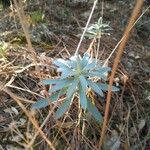
Euphorbia esula
Leafy spurge · Wolf's-milk · Faitours-grass · Hungarian Spurge · Spurge
Description
Source: leafsnapEuphorbia esula, commonly known as green spurge or leafy spurge, is a species of spurge native to central and southern Europe (north to England, the Netherlands, and Germany), and eastward through most of Asia north of the Himalaya to Korea and eastern Siberia.
🌳 Leafy spurge shows a noteworthy potential as a biological control tool in agriculture. It can be used to control invasive plants and rehabilitate habitats that have been overtaken by other aggressive weeds, indicating an ecological role that is not widely recognized. Because of its vigorous growth and deep root systems, leafy spurge can outcompete other unwanted plants, providing a natural approach to managing ecosystems.
🎭 Cleanliness, safeguarding and insight
Care Guide
💧 Water
Leafy spurge is a hardy plant that can thrive in different moisture conditions, showing a strong tolerance to drought. While it benefits from weekly watering, it also requires consistent humidity when grown indoors. As a herbaceous perennial, its water needs are highest during the growing season to ensure optimal growth and resilience.
How should I water my Leafy spurge plant?
To successfully water the Leafy spurge plant, it is recommended to use filtered water that is at room temperature. Tap water may have harmful particles for the plant's health, making filtered water a better option. Since the Leafy spurge plant is native to warm environments, it is important to avoid using cold water, which can shock its system. Additionally, overhead watering should be avoided as it can cause problems with the foliage. Instead, pour the filtered room temperature water directly onto the soil until it is fully saturated. This method benefits the plant by providing moisture to the roots and aiding in the spread of nutrients throughout the soil.
What should I do if I give my Leafy spurge too much water or not enough water?
Overwatering is a more common problem than underwatering for Leafy spurge. When Leafy spurge receives too much water, its stems and leaves can wilt and turn yellow. This can also lead to diseases like root rot, mold, and mildew, which can be fatal for the plant. Leafy spurge has good drought tolerance, so underwatering is less likely, but it can still happen. When Leafy spurge is underwatered, the leaves become brittle and brown. It's important to notice the signs of overwatering early on, as some diseases caused by overwatering, like root rot, may not be fixable if you wait too long. If you see early signs of overwatering, reduce the watering schedule immediately. Check the soil quality, and if it drains poorly, replace it with a loose, well-draining potting mix. If you notice signs of underwatering, simply water more regularly until the signs improve.
How frequently should I water my Leafy spurge?
If your Leafy spurge plant is in a pot, the most precise way to determine if it needs water is by checking the soil. Simply insert your finger into the soil and if you find that the top two to three inches are dry, it's time to water it. If your Leafy spurge is grown outdoors in the ground, you can use a similar method to test the soil. Once again, check if the top few inches of soil have become dry, indicating that it needs water. Typically, during the spring and early fall, watering once a week should suffice. However, during extremely hot weather, you may need to increase the watering frequency to about twice a week or even more. That being said, mature and well-established Leafy spurge plants have an impressive ability to tolerate drought.
How much water does my Leafy spurge require?
To effectively water your Leafy spurge, don't hold back on the amount of water you give. Wait until the top couple inches of soil are dry, then give the plant a good, deep watering. Make sure the water completely saturates the soil, causing it to flow out of the drainage holes at the bottom of your pot. If you don't see excess water coming out, you might not be giving enough water. On the other hand, be careful not to let the water accumulate in the soil, as it can harm the plant. If the water isn't draining properly, it could be a sign of poorly draining soil, which is not good for the plant's health. If your plant is outside, about 1 inch of rainfall each week should be enough.
How should I water my Leafy spurge at different times when it is growing?
The water needs of the Leafy spurge can vary depending on its growth stages. In the first few years or after transplanting to a new location, your Leafy spurge will require more water. During these stages, it dedicates energy to sprouting new roots for future growth. To support optimal root performance, a slightly higher level of moisture is necessary during these early phases. As the plant matures, it will require less water. Additionally, during the bloom period, when the flowers are developing, your Leafy spurge may need additional watering to accommodate the increased moisture demand.
☀️ Light Full sun
Leafy spurge does best with abundant sunlight throughout the day but can still survive in low light or deep shade. Coming from regions with plenty of light, it adapts to a range of light conditions. However, insufficient sun exposure can harm its vigor and robust growth.
What are the sunlight requirements for leafy spurge?
Leafy spurge requires generous exposure to sunlight throughout the day for optimal growth, although it can manage in limited light or heavy shade. It thrives best in full sun, which is above 6 hours of sunlight per day, but can also grow in partial sun to full shade, receiving about 3-6 hours of sunlight. It's essential to monitor the movement of sunlight in your garden to ensure the plants receive the right balance of light and shade, as this significantly impacts their health and happiness.
Can leafy spurge grow with artificial lighting?
Yes, leafy spurge can grow under artificial lighting, which becomes crucial in areas where natural sunlight is scarce, particularly during winter or in less sunny spaces. The use of artificial lights, such as LED lights, can promote faster and healthier growth by providing the specific wavelengths of light needed. For plants requiring full sun, 30-50 watts per square foot is ideal. Partial sun plants need 20-30 watts per square foot, and full shade plants require 10-20 watts per square foot. The light source should be placed 12-36 inches above the plant, mimicking natural sunlight as closely as possible, and kept on for 8-12 hours per day.
What are the symptoms of light deficiency in leafy spurge?
Symptoms of light deficiency in leafy spurge include smaller new leaves, leggy or sparse growth indicating a stretched-out appearance due to longer spaces between leaves or stems, and faster leaf drop as the plant tries to conserve resources. Additionally, there may be slower or no new growth, lighter-colored new leaves due to insufficient chlorophyll, and conditions like chlorosis where leaves turn yellow, sunscald with damaged plant tissue, leaf curling as a defense mechanism against excessive sunlight, wilting from loss of water, and leaf scorching characterized by brown, dry edges on leaves. These symptoms highlight the plant's struggle with inadequate lighting conditions.
How can I ensure my leafy spurge receives enough light?
To ensure your leafy spurge receives adequate light, gradually move plants to a location with at least 6 hours of direct sunlight daily, using a south-facing window for indoor plants and ensuring curtains remain open during the day. If moving the plant isn't feasible, consider using artificial light, keeping a desk or ceiling lamp on for at least 8 hours daily or investing in plant grow lights. For outdoor plants, gradually adapt them to sunnier spots to avoid sunburn. Note that parts of the plant affected by insufficient sunlight may not recover, but new growth will be healthy. Additionally, reduce obstructions like overhanging branches, and for smaller plants, consider transplanting during their dormant period to a location with ample sunlight and good drainage.
🌡️ Temperature 5–35°C
The native temperature regime for leafy spurge is temperate, with preferred temperatures from 41 to 95 ℉ (5 to 35 ℃). It can tolerate summer highs up to 104 ℉ (40 ℃) and survive winter lows down to -40 ℉ (-40 ℃).
What is the native growth environment and temperature requirement of leafy spurge?
Leafy spurge naturally thrives in temperate regions and prefers a temperature range between 41 to 95 °F (5 to 35 °C). It has the ability to tolerate high summer temperatures up to 104 °F (40 °C) and can survive winter temperatures as low as -40 °F/C. Given its strong cold resistance, special frost protection measures are typically not necessary. However, if temperatures are expected to fall below the critical growth limit, it's essential to ensure cold protection by covering the plant with soil or straw and watering it abundantly before the first freeze to maintain soil moisture throughout winter.
How does low temperature affect leafy spurge and what are the solutions?
Leafy spurge is quite cold-tolerant, performing best when temperatures remain above its minimum suitable growth temperature. In winter, it's crucial to keep the plant above its minimum tolerable growing temperature. Dropping below this threshold might not show immediate changes during the colder months but could lead to decreased sprouting or a complete lack of sprouting in spring. To mitigate this, any parts of the plant that have failed to sprout by spring should be removed.
What impact does high temperature have on leafy spurge and how can it be managed?
During the summer, it's vital to keep leafy spurge below its maximum suitable growth temperature. Exceeding its tolerable maximum can cause the leaves to lighten in color, curl, become susceptible to sunburn, or in severe cases, cause the entire plant to wilt and dry out. Managing high-temperature stress involves trimming away sunburned and dried parts of the plant, moving it to a shaded area during the midday and afternoon sun, or using a shade cloth to protect it. Watering in the morning and evening to maintain soil moisture is also recommended.
💨 Humidity
🪴 Soil 6-7
🌱 Fertilizer
Typically, a one-time use of fertilizer in the spring is enough for Leafy spurge, however, its growth can be optimized by multiple feedings. Apply the fertilizer every one to one and a half months. Fertilizing improves the look and function of the leaves, helping maintain their color and promoting a healthy texture. It also encourages the development of roots and the absorption of nutrients, which contributes to the plant's health in the long run.
🪴 Pot & Repot 2-3 years
When repotting Leafy spurge, select a pot 1–2 inches (2.5–5.1 cm) larger that provides ample drainage. Use a well-draining potting mix. Repot in spring or fall, making sure the root ball sits slightly below the rim of the flower pot. Water thoroughly after repotting and place it in a warm spot with indirect sunlight.
✂️ Pruning
🌿 Propagating
🐛 Diseases & pets
☠️ Toxicity
Characteristics
- Plant Type
- Herb
- Life Cycle
- Perennial
- Genus
- Euphorbia
- Family
- Euphorbiaceae
- Hardiness Zone
- 5-10
- Mature Height
- 0.91 m to 1.22 m
- Mature Spread
- 40 cm
- Leaf Color
- Green, Blue
- Leaf Type
- Deciduous
- Flower Color
- Yellow
- Flower Size
- 2.54 cm
- Bloom Time
- Late spring, Early summer, Mid summer
- Planting Time
- Spring, Summer, Autumn
- Harvest Time
- Mid summer
- Native Area
- Turkey, Austria, Bulgaria, Poland, Greece, Belarus, Ukraine, China, Russia, Lithuania, Hungary, Portugal, Italy, Spain, Estonia, France, United Kingdom, Romania, Latvia, Belgium, Moldova, Netherlands