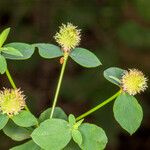
Euphorbia fragifera
Care Guide
💧 Water
☀️ Light Full sun
Cushion spurge grows best in locations that receive plentiful sunlight for most of the day, although it can tolerate sites that get sun only part of the day. Excessive or insufficient sunlight can harm its growth. This preference stems from its native habitat, where steady sun exposure is common.
🌡️ Temperature 0–35°C
Cushion spurge can adapt to a wide range of temperatures, but combinations of moisture and heat may still restrict where it can grow. It does best in warm summer conditions with sufficient rainfall or watering. Extended periods of cloudy, rainy weather or prolonged high temperatures can increase the chance of Cushion spurge dying. In winter, protecting it from cold can improve its survival.
💨 Humidity
🪴 Soil 6-7
🌱 Fertilizer
The best time to fertilize a Cushion spurge is in early spring, as it comes out of dormancy and begins active growth. Fertilization supplies essential nutrients needed for healthy development. Although Cushion spurge requires relatively little fertilization, giving it fertilizer once a year can improve its survival and encourage better, longer-lasting flowers.
🪴 Pot & Repot
✂️ Pruning
🌿 Propagating
🐛 Diseases & pets
☠️ Toxicity
Characteristics
- Plant Type
- Herb
- Life Cycle
- Perennial
- Genus
- Euphorbia
- Family
- Euphorbiaceae
- Hardiness Zone
- 3-9
- Mature Height
- 30 cm to 46 cm
- Mature Spread
- 30 cm to 46 cm
- Leaf Color
- Green
- Leaf Type
- Deciduous
- Flower Color
- Yellow
- Flower Size
- 2.54 cm
- Bloom Time
- Early spring, Mid spring
- Planting Time
- Summer
- Harvest Time
- Late spring, Early summer
- Native Area
- Libya, Turkey, Austria, Czech Republic, Slovakia, Romania, Montenegro, Bulgaria, Poland, Greece, Croatia, Slovenia, Ukraine, Serbia, Germany, Italy, Albania, Hungary