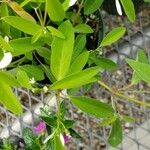
Euphorbia graminea
Grassleaf spurge · The angle of Bazil
Description
Source: leafsnapEuphorbia graminea is a perennial succulent belonging to the Euphorbia family, native to South Africa. This plant can reach up to 30 cm in height and has a distinctive appearance with thin, grass-like leaves that grow in clusters along its stem. The leaves are green but can turn reddish-brown under stress. In late winter or early spring, Euphorbia graminea produces small, yellow-green flowers. These flowers are inconspicuous and are surrounded by small bracts that resemble petals. The plant thrives in well-draining soil and prefers full sun exposure, although it can tolerate partial shade. It is drought-tolerant but requires occasional watering during its growing season. Euphorbia graminea possesses medicinal properties; its sap has been traditionally used to treat various ailments such as skin infections, warts, and rheumatism. However, it is important to note that Euphorbias contain toxic latex sap, which can cause skin irritation or even blindness if it comes into contact with the eyes or mucous membranes. Therefore, it must be handled carefully during pruning or propagation. Overall, Euphorbia graminea is a fascinating succulent species for collectors, thanks to its unique grass-like leaves and medicinal properties, making it an excellent addition to any garden collection!
🌳 Although grassleaf spurge may not be widely recognized for practical uses, it stands as a noteworthy example of a plant used in scientific bioindicator studies. Researchers use grassleaf spurge to indicate heavy-metal contamination levels in the ecosystem because it has a unique ability to accumulate those substances in its tissues.
Care Guide
💧 Water Every 7 days
Grassleaf spurge is native to tropical regions, where it grows in consistently moist and humid conditions. To mimic its natural habitat, this plant requires weekly watering. Being an evergreen, it keeps its foliage throughout the year, so it is important to water it carefully during the growing season to ensure optimal health.
How should I water my Grassleaf spurge plant?
To properly water the Grassleaf spurge, it is recommended to use filtered water at room temperature. Unlike tap water, filtered water is safer for this plant as tap water may contain harmful particles. Since the Grassleaf spurge originates from a warm environment, it is best to avoid using cold water as it can shock the plant. Additionally, overhead watering should be avoided to prevent issues with the foliage. Instead, focus on saturating the soil with filtered room temperature water. This method is beneficial as it provides moisture to the roots and aids in their spread through the soil, allowing for better nutrient absorption.
What should I do if I give my Grassleaf spurge too much or too little water?
Overwatering is a more common problem for the health of your Grassleaf spurge compared to underwatering. The excessive water can cause wilting, yellowing, and potential diseases like root rot, mold, and mildew, which can be fatal to your plant. While underwatering is less likely, it can still occur and lead to brittle, brown leaves. It is important to recognize the early signs of overwatering and take immediate action by reducing the watering schedule. Also, assess the soil drainage and replace it with a well-draining potting mix if necessary. If you notice signs of underwatering, simply increase the frequency of watering until the symptoms improve.
How frequently should I water my Grassleaf spurge?
If your Grassleaf spurge plant is in a pot, the most precise way to determine if it needs water is by sticking your finger into the soil. If the top two to three inches of soil are dry, it's time to water. The same method can be used if you're growing the plant outdoors in the ground. When the first few inches of soil have dried out, it's time to add water. Usually, during spring and early fall, watering once a week is sufficient. However, during extremely hot weather, you may need to water twice or more per week. It's worth noting that mature, well-established Grassleaf spurge plants have a remarkable ability to endure drought.
How much water does my Grassleaf spurge require?
When watering your Grassleaf spurge, be generous with the amount of water you provide. Wait until the top two to three inches of soil are dry before watering, then give the plant a thorough soaking, making sure the water reaches all parts of the soil. You should add enough water to see it flowing out of the drainage holes at the bottom of the pot. If you don't see excess water draining, you might have not watered enough. However, be careful not to let water accumulate in the soil, as this can harm the plant. Similarly, if water doesn't drain properly from the pot, it could signal that the soil doesn't drain well, which is not good for the plant's health. If the plant is outside, one inch of rain per week is sufficient.
How do I water my Grassleaf spurge as it grows?
The water needs of the Grassleaf spurge can vary depending on its growth stages. When the plant is young or just transplanted, it requires more water to support root development. As it matures, less water is needed. Another stage that requires additional watering is the bloom period, as the plant uses a significant amount of moisture for flower development.
☀️ Light Full sun
Grassleaf spurge grows best when it receives abundant light. It can also adapt to places where sunlight is not consistently strong, showing considerable resilience. Originally found in well-lit habitats, its growth can be reduced under low light, indicating the importance of light for healthy development. However, too much sunlight can potentially damage grassleaf spurge.
What are the sunlight requirements for Grassleaf spurge?
Grassleaf spurge thrives best in areas that provide abundant sunlight, showcasing considerable resilience even in places where sunlight isn’t consistently intense. To meet its light requirements, it's categorized under full sun (above 6 hours of sunlight) and partial sun (about 3-6 hours of sunlight) plants. Observing how sunlight moves through your garden helps in choosing the perfect spots for your plants, ensuring they receive the right balance of light and shade for optimal growth. The ideal environment for Grassleaf spurge mirrors its original, generously lit habitats; however, its growth may be stunted under low light conditions, underlining the importance of adequate light exposure for its development. Excessive sunlight, on the other hand, can be harmful to the plant.
How can artificial lighting support Grassleaf spurge growth indoors?
When natural sunlight is insufficient, especially during winter or in less sunny locations, artificial lighting becomes crucial for Grassleaf spurge's growth. Adequate lighting is essential for indoor plants, with LED lights often recommended due to their ability to offer specific wavelengths needed by plants. The amount of artificial light required varies based on the type of plant: full sun plants need 30-50W/sq ft, partial sun plants 20-30W/sq ft, and full shade plants 10-20W/sq ft. The light source should be placed 12-36 inches above the plant to mimic natural sunlight, ensuring that the plant receives 8-12 hours of light daily to promote faster and healthier growth.
What are the symptoms of light deficiency or overexposure in Grassleaf spurge?
Grassleaf spurge may show various symptoms under light deficiency or overexposure. Inadequate light can cause new leaves to grow smaller, plants to develop leggy or sparse growth, faster leaf drop, and slower or no new growth at all — signs that indicate the plant is trying to conserve energy. Leaves might develop lighter colors or patterns due to insufficient sunlight, which indicates a lack of chlorophyll. Excessive sunlight, conversely, can lead to chlorosis (yellowing leaves), sunscald, leaf curling, wilting, and leaf scorching — resulting from the breakdown of chlorophyll and increased water loss, which harm the plant’s ability to photosynthesize and maintain hydration.
What are effective solutions for light deficiency or overexposure for Grassleaf spurge?
To combat light deficiency in Grassleaf spurge, gradually move your plants to sunnier locations until they receive at least 6 hours of direct sunlight daily. This can be achieved by positioning them near a south-facing window or using artificial lighting, such as desk lamps or professional grow lights, for at least 8 hours a day. For outdoor plants, ensuring a gradual adaptation to sunlight can prevent sunburn. Address obstructions by pruning trees or moving smaller plants to sunnier areas. Effective strategies include reducing physical obstructions, transplanting during dormant periods to locations with ample sunlight and good drainage, and using artificial lighting for indoor plants. Although parts of the plant damaged by insufficient sunlight may not recover, new growth following increased light exposure will be healthy.
🌡️ Temperature 20–37.8°C
Grassleaf spurge is native to temperate regions where temperatures typically range between 68 to 100.4 °F (20 to 38 ℃). It prefers this temperature range for optimal growth. Seasonal temperature adjustments are not necessary because it can tolerate fluctuations within this range.
What is the optimal temperature range for Grassleaf spurge?
Grassleaf spurge thrives in temperate regions, with an optimal temperature range between 68 to 100.4 °F (20 to 38 °C). It does not require seasonal temperature adjustments as it can tolerate varying temperatures within this range. This heat-loving plant performs best when temperatures are maintained above 20°C, especially during winter. It's essential to protect the plant from cold temperatures, as exposure to conditions below 5°C can be detrimental.
How should you care for Grassleaf spurge during autumn and winter?
As a plant that prefers warm conditions, Grassleaf spurge should be brought indoors during autumn to protect it from cold temperatures. When keeping it inside, place it near a bright window to ensure it receives ample light but keep it at a distance from heaters to avoid excessive dryness. Throughout the winter, it's crucial to maintain an indoor temperature above 20°C to support its growth and protect it from cold-related harm.
What are the symptoms of Grassleaf spurge being exposed to low temperatures?
Grassleaf spurge shows a clear intolerance for low temperatures, thriving best when the temperature remains above 20°C and staying resilient above 5°C. Exposure to temperatures below 1°C can lead to a lightening in leaf color, and subsequent frost damage may cause the leaves to turn brown or black. These conditions can also lead to wilting and drooping, indicating the plant's distress from the cold.
How can you remedy frost damage in Grassleaf spurge?
If your Grassleaf spurge suffers from frost damage, start by trimming off the frost-damaged parts to prevent further injury. Transfer the plant to a warm, indoor environment promptly to shield it from the cold. Placing it near a south-facing window is advisable for adequate sunlight exposure. However, avoid placing it near heaters or air conditioning vents to prevent the air around it from becoming excessively dry.
What are the symptoms of Grassleaf spurge being exposed to high temperatures?
In the summer, it's essential to keep Grassleaf spurge's temperature below 38°C, as exposure to temperatures above 43°C can cause the leaves to lighten in color and make the plant more susceptible to sunburn. Signs of excessive sun exposure include lighter leaf coloration and vulnerability to sunburn.
💨 Humidity
🪴 Soil 6-7
🌱 Fertilizer
Proper fertilization is essential for Grassleaf spurge’s health and appearance. Fertilize Grassleaf spurge during the summer and repeat the application monthly throughout that season. Nutrients supply energy for growth and help maintain the plant’s parts. Fertilizing improves Grassleaf spurge’s flower display, producing the best blooms.
🪴 Pot & Repot 2-3 years
Repot grassleaf spurge every 2-3 years in the spring. Choose a slightly larger pot with drainage holes to prevent waterlogging. Use fresh potting mix, water the plant sparingly after repotting, and place it in a location with bright, indirect light. This will help support its continued growth and resilience.
✂️ Pruning
Grassleaf spurge has delicate foliage and small white flowers that benefit from pruning between early spring and late winter. To promote growth and flowering, trim any leggy stems and remove dead tissue. Regular pruning improves air circulation, deters pests, and helps keep the plant compact and attractive.
🌿 Propagating
🐛 Diseases & pets
☠️ Toxicity
The milky sap (latex) running throughout Euphorbia plants is toxic to people and animals both via skin contact and ingestion. The plants actually use the sap as a defense mechanism to prevent animals from feeding on it, and the sap has some antifungal and antibacterial properties.
Characteristics
- Plant Type
- Herb
- Life Cycle
- Perennial, Annual
- Genus
- Euphorbia
- Family
- Euphorbiaceae
- Hardiness Zone
- 10-11
- Mature Height
- 10 cm to 91 cm
- Mature Spread
- 30 cm to 46 cm
- Leaf Color
- Light Green, Forest Green
- Leaf Type
- Evergreen
- Flower Color
- White
- Flower Size
- 2.54 cm
- Bloom Time
- Late spring, Early summer, Mid summer
- Planting Time
- Spring
- Harvest Time
- Mid summer
- Native Area
- Colombia, Belize, Cuba, Honduras, Mexico, Guatemala, Bolivia, Venezuela, Peru, Brazil, El Salvador, Nicaragua, Ecuador, Costa Rica, Panama