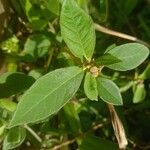
Euphorbia heterophylla
بنت قنسول · Japanese poinsettia · Mexican fireplant · Painted euphorbia · Painted spurge
Description
Source: leafsnapEuphorbia heterophylla, commonly known as wild poinsettia or fire on the mountain, is a species of flowering plant in the spurge family. Native to the tropical and subtropical regions of the Americas, it has also become naturalized in many other parts of the world. The plant typically grows up to 1 meter tall and features green leaves arranged alternately along its stem. Its small greenish-yellow flowers are clustered together in a structure called a cyathium. Euphorbia heterophylla is recognized for its medicinal properties and has been traditionally used to treat various ailments, such as fever, diarrhea, and skin infections. However, it is important to note that some parts of this plant contain toxic compounds, which can cause skin irritation or even be fatal if ingested in large quantities. Despite these potential dangers, Euphorbia heterophylla remains an important species for traditional medicine practitioners and modern researchers studying its potential therapeutic uses.
🌳 The Mexican fireplant boasts bright green foliage, making it an excellent ground cover for informal wildflower garden beds. It spreads quickly and can form dense mats that complement more striking plants, although these traits can also make it somewhat invasive. Its small but eye-catching flowers add significant ornamental value to any garden.
Care Guide
💧 Water Every 7 days
The Mexican fireplant flourishes in tropical climates with consistent moisture and high humidity. It thrives in evenly moist soil, needing watering on a weekly basis. When cultivated outdoors, the Mexican fireplant can endure brief periods of heavy rain, benefiting from effective drainage and exposure to full sunlight.
How should I water my Mexican fireplant?
To water Mexican fireplant, you have a few options: a garden hose with a spray nozzle, a watering can, or any other typical watering tool. It's not overly particular about the type of water it receives - rainwater, tap water, or filtered water are all fine. However, it's best to avoid watering from above as this can harm the leaves and flowers and potentially lead to disease. For optimal watering, consider using a drip irrigation system. This method ensures the water is evenly distributed and goes directly to the soil. If you have a container-grown Mexican fireplant, the same watering principles apply, just change the tools used - a cup, watering can, or tap water can be used to directly water the soil of the plant.
What should I do if I give too much or too little water to my Mexican fireplant?
The remedy for underwatering Mexican fireplant is simple - when you notice it lacks moisture, just start watering it more regularly. However, overwatering can be a serious problem if not caught early. Overwatered plants can get sick and die. To prevent this, choose a location with good sunlight and drainage. If your plant is in a pot and you've overwatered it, consider transferring it to a new pot with better soil and drainage.
How often should I give water to my Mexican fireplant?
Mexican fireplant requires regular watering throughout the growing season. In the spring, it is recommended to water this plant once a week. As the season progresses and temperatures rise, you may need to increase watering to two or three times per week. However, watering the plant excessively can be harmful. It is important to keep the soil relatively moist but not soaked, regardless of the watering frequency. If the Mexican fireplant is in a pot, watering needs may be different. Generally, you will need to water more frequently for container-grown plants as the soil in pots can dry out faster. In most cases, watering a potted Mexican fireplant a few times per week is advised, compared to just once per week for plants in the ground.
How much water does my Mexican fireplant require?
Determining the appropriate amount of water for your Mexican fireplant can be done in a few ways. One method is to feel the soil and water until the top six inches feel moist. Another option is to use a standard measurement, such as two gallons per week, adjusting for heat and soil dryness. However, be cautious of overwatering if your plant needs less than two gallons. For potted plants, water until all layers of dry soil are moist or until water trickles out of the drainage holes.
How do I know if I am giving enough water to my Mexican fireplant?
Avoiding overwatering your Mexican fireplant can be somewhat difficult. On one hand, you need to moisten the soil weekly because these plants have deep roots. However, Mexican fireplants are highly vulnerable to root rot, which can cause browning. Underwatering is less likely, as these plants can survive for a while without additional watering. But if you wait too long to water, the plant may start to wilt and its leaves may become dry.
☀️ Light Full sun
The Mexican fireplant does best when routinely exposed to abundant sunlight. The sunny climate of its native habitat provides ideal conditions for its growth. It will also tolerate moderate sun exposure. However, excessive sun can scorch the leaves, while too little light can produce weak, leggy growth.
What are the sunlight requirements for a Mexican Fireplant?
The Mexican Fireplant, or Euphorbia heterophylla, thrives in conditions that mimic its origin habitat's generous sunlight. It requires full sun, which means it should get above 6 hours of sunlight daily, but it can also manage with partial sun, about 3-6 hours. However, gardeners should be cautious as too much sunlight may cause leaf scorching, whereas insufficient sunlight leads to weak, leggy growth. It's essential to watch how sunlight moves through your garden to ensure your plants receive the right balance of light and shade.
How do indoor Mexican Fireplants adapt to insufficient natural sun?
When indoor Mexican Fireplants don't get enough natural sunlight, especially in winter or less sunny spaces, artificial lighting serves as a vital solution. LED lights are recommended due to their ability to provide specific wavelengths needed for optimal growth. Full sun plants need 30-50W/sq ft, whereas partial sun plants require 20-30W/sq ft of artificial light. The light source should be placed 12-36 inches above the plant to mimic natural sunlight, ensuring at least 8-12 hours of light per day.
What are the symptoms of inadequate light in Mexican Fireplants?
Inadequate light can cause several symptoms in Mexican Fireplants such as smaller new leaves, leggy or sparse growth, faster leaf drop, slower or halted growth, and lighter-colored new leaves. Additionally, excessive sunlight can lead to chlorosis (leaves losing their green color), sunscald (damaged leaves or stems from intense light exposure), leaf curling (to minimize water loss), wilting (loss of turgor pressure), and leaf scorching (brown, dry edges on leaves). These symptoms indicate the plant's struggle with its current light environment.
What solutions can help Mexican Fireplants with light-related issues?
For indoor plants not receiving enough light, gradually moving them to a sunnier spot each week until they receive at least 6 hours of direct sunlight daily is suggested. Using a south-facing window and keeping curtains open during the day helps maximize sunlight exposure. Additionally, using desk or ceiling lamps for at least 8 hours daily, or investing in professional plant grow lights, can provide sufficient light. Outdoors, plants should be moved to sunnier spots gradually to avoid sunburn. Reducing obstructions like pruning trees or transplanting plants to sunnier locations with good drainage can also help. It's important to note that parts of the plant affected by insufficient light may not recover, but new growth should be healthy with improved light conditions.
🌡️ Temperature 20–37.8°C
Mexican fireplant is native to areas where temperatures commonly range from 68 to 100°F (20 to 38°C). It prefers warm conditions, and during colder seasons the temperature should be kept within that preferred range.
What are the ideal temperature conditions for a Mexican fireplant?
The Mexican fireplant, or Euphorbia heterophylla, thrives in warm climates, with its ideal temperature range being between 68 to 100°F (20 to 38°C). It is extremely heat-loving and can be adversely affected by cold temperatures. During colder seasons, especially in autumn, it is advised to bring outdoor plants indoors, placing them near a bright window but at a distance from heaters to avoid damage. Maintaining temperatures above the minimum suitable growth temperature during winter is crucial for the plant's health. Exposure to temperatures nearing the minimum tolerable growing temperature can be harmful to the Mexican fireplant.
How does low temperature affect the Mexican fireplant, and what remedies can be applied?
Low temperatures are detrimental to the Mexican fireplant, which prefers warm environments and thrives at temperatures above its minimum suitable growth threshold. Exposure to temperatures below its limit growth temperature may cause the leaves to lighten in color, and following frost damage, they may turn brown or black, with symptoms such as wilting and drooping. To remedy this, it is recommended to trim off frost-damaged parts and move the plant to a warm, indoor environment away from direct heat sources like heaters. Placing it near a south-facing window ensures ample sunlight without the adverse effects of excessive dryness caused by heating appliances.
How does high temperature affect the Mexican fireplant, and what remedies can be applied?
During summer, it's important to ensure that the Mexican fireplant is kept below its maximum suitable growth temperature. Exceeding the maximum tolerable growing temperature can lighten the color of the leaves and make the plant more susceptible to sunburn. To mitigate these effects, trim away the sunburned and dried parts of the plant. Relocate the plant to a shaded area that protects it from the harsh midday and afternoon sun. It's also beneficial to water the plant in the morning and evening, maintaining moist soil to help the plant stay healthy under high temperatures.
💨 Humidity
🪴 Soil 6-7
🌱 Fertilizer
Mexican fireplant benefits from regular, light applications of fertilizer to promote healthy leaf growth. You should fertilize it about once a month during the summer months. Nitrogen is crucial for foliage, and supplementing with nitrogen-rich sources helps Mexican fireplant thrive.
🪴 Pot & Repot
✂️ Pruning
🌿 Propagating
🐛 Diseases & pets
☠️ Toxicity
Characteristics
- Plant Type
- Herb
- Life Cycle
- Annual, Perennial
- Genus
- Euphorbia
- Family
- Euphorbiaceae
- Hardiness Zone
- 9-11
- Mature Height
- 76 cm
- Mature Spread
- 49 cm
- Leaf Color
- Green
- Leaf Type
- Evergreen
- Flower Color
- White
- Flower Size
- 0.51 cm to 0.76 cm
- Bloom Time
- Late spring, Summer
- Planting Time
- Spring, Summer, Autumn
- Harvest Time
- Mid summer, Late summer, Early fall
- Native Area
- Belize, Honduras, Mexico, Guatemala, Peru, Panama, Jamaica, Colombia, Bahamas, Cuba, Bolivia, Venezuela, Guyana, El Salvador, Nicaragua, Brazil, Costa Rica