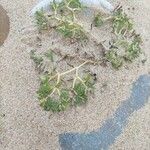
Euphorbia polygonifolia
Seaside Sandmat · Seaside spurge · Dune Spurge · Knotweed Spurge · Northern Seaside Spurge
Description
Source: wikipedia (CC BY-SA)Euphorbia polygonifolia, known by the common names of seaside sandmat and seaside spurge, is a member of the spurge family, Euphorbiaceae. It is an annual herb, native to the east coast of the United States and the Great Lakes. It has also been introduced to the Atlantic coasts of France and Spain.
Care Guide
💧 Water
Seaside sandmat flourishes in coastal environments where water is sporadic, demonstrating a strong resilience to salt. It requires only weekly watering and thrives in well-draining soil to avoid root rot. This plant is typically grown outdoors and is ideal for gardens designed to replicate its natural sandy habitat.
☀️ Light Full sun
Seaside sandmat requires generous daily sunlight to flourish, though it can tolerate less bright conditions. Its native environment—regions with abundant sun—greatly supports its well-being. However, both too much and too little sunlight can impair its growth and overall health.
What are the sunlight requirements for Seaside sandmat?
Seaside sandmat thrives best in full sun, requiring above 6 hours of sunlight a day, but it can also grow in partial sun, with about 3-6 hours of sunlight. Its native habitat with plenty of sun exposure significantly contributes to its health and development. However, it's important to observe your garden's sunlight patterns to find spots that provide the ideal mix of light and shade, as both insufficient and excessive sunlight can negatively affect the plant's growth and well-being.
Can artificial lighting help Seaside sandmat grow indoors?
Yes, artificial lighting can be beneficial for growing Seaside sandmat indoors, especially when natural sunlight is insufficient. Indoor plants require adequate lighting for optimal growth, which can be provided by artificial sources like LED lights. These can be customized to provide specific wavelengths of light that the plants need. For full sun plants, 30-50W/sq ft is necessary, for partial sun plants, 20-30W/sq ft, and for full shade plants, 10-20W/sq ft. The light source should be placed 12-36 inches above the plant to mimic natural sunlight, and the duration should mimic natural daylight hours, typically 8-12 hours per day.
What are common symptoms of inadequate sunlight in Seaside sandmat?
When Seaside sandmat doesn't receive enough light, it may show several symptoms, including smaller new leaves, leggy or sparse growth, faster leaf drop, slower or no new growth, and lighter-colored new leaves. These symptoms indicate light deficiency that affects the plant's ability to photosynthesize and grow healthily. Moreover, excessive sunlight can lead to chlorosis, sunscald, leaf curling, wilting, and leaf scorching, damaging the plant's tissues and reducing its overall health.
How can you address insufficient sunlight for Seaside sandmat?
To address insufficient sunlight for Seaside sandmat, start by gradually moving the plants to sunnier locations, aiming for at least 6 hours of direct sunlight daily. If moving the plant isn't feasible, consider using artificial light sources like desk lamps or professional grow lights for at least 8 hours a day. Outdoor plants should also be gradually moved to avoid shock from sudden light intensity changes. For ground plants, minimize obstructions such as overhanging tree branches and consider transplanting to sunnier spots during the plant's dormant period for better sunlight exposure and growth.
🌡️ Temperature 15–35°C
Seaside sandmat can tolerate a wide range of temperatures, but its distribution may still be restricted by certain combinations of moisture and heat. It grows best in warm summer climates with sufficient rainfall or watering. Extended periods of cloudy, rainy weather, as well as prolonged high temperatures, increase the risk of Seaside sandmat dying. In winter, proper protection from cold can improve the plant's survival rate.
💨 Humidity
🪴 Soil 6-7
🌱 Fertilizer
Seaside sandmat benefits from regular, weak doses of fertilizer to encourage healthy leaf growth. You should fertilize Seaside sandmat about once a month during the summer months. Nitrogen is essential for foliage, and supplementing with nitrogen-rich sources helps Seaside sandmat thrive.
🪴 Pot & Repot
✂️ Pruning
Seaside sandmat thrives in sunny, sandy environments and is characterized by its small, succulent leaves. To promote bushiness and improve air circulation, prune the plant from early to late spring. For the best results, use sharp, sterilized tools to ensure the plant’s optimal health. Maintain a tidy growth habit to achieve a dense and compact appearance.
🌿 Propagating
🐛 Diseases & pets
☠️ Toxicity
Characteristics
- Plant Type
- Herb
- Life Cycle
- Annual
- Genus
- Euphorbia
- Family
- Euphorbiaceae
- Hardiness Zone
- 7-10
- Mature Height
- 30 cm
- Mature Spread
- 10 cm to 30 cm
- Leaf Color
- Green, Light Green
- Leaf Type
- Semi-evergreen
- Flower Color
- Yellow, Green
- Flower Size
- 0.20 cm to 0.25 cm
- Bloom Time
- Summer
- Planting Time
- Spring, Autumn
- Harvest Time
- Late summer, Early fall, Mid fall