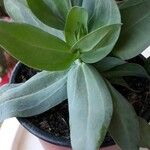
Eustoma exaltatum
Catchfly Prairie-Gentian · Catchfly prairiegentian · Marsh-gentian · Key West gentian · Mountainbob
Description
Source: leafsnapEustoma exaltatum, commonly called seaside gentian, is a species of flowering plant in the gentian family (Gentianaceae).
🌳 Catchfly prairie gentian is not merely a wildflower; it is also cultivated for its attractive appearance and used in ornamental horticulture. The plant’s delicate blossoms make it a common selection for bouquets and floral arrangements, indicating scope for increased commercial use, particularly within the floral industry. Beyond its aesthetic value, there currently appears to be little recorded information on other atypical applications, such as in manufacturing or environmental uses.
🎭 Love and Power
Care Guide
💧 Water
Catchfly prairie gentian, native to humid environments, needs regular watering—ideally once a week—but can withstand short periods of dryness. Commonly grown indoors, this plant flourishes in high humidity. To promote abundant flowering and optimal growth, it's important to carefully monitor both soil moisture and atmospheric conditions.
How should I water my Catchfly prairie gentian plant?
There are multiple ways to water Catchfly prairie gentian. You can use a garden hose with a spray nozzle, a watering can, or any other watering tool you have. The plant is not too particular about the type of water it receives and can thrive with rainwater, tap water, or filtered water. It's generally best to avoid watering from overhead to avoid damaging the leaves and flowers and potentially causing diseases. Drip irrigation systems work well for this plant because they provide even and direct watering to the soil. If you are watering a container-grown Catchfly prairie gentian, you can use a cup, watering can, or tap water to water the plant directly at the soil.
If I give too much water or too little water to my Catchfly prairie gentian, what should I do?
To remedy underwatering of Catchfly prairie gentian, simply water it more regularly when you notice it lacks moisture. Overwatering, on the other hand, can have serious consequences if not caught early. It can lead to diseases and ultimately the decline and death of the plant. To prevent overwatering, choose a location with good sunlight and drainage to allow excess water to drain instead of pooling and causing waterlogged soil. If your potted Catchfly prairie gentian is overwatered, consider changing it to a new pot with better drainage and loose soil during the repotting process.
How frequently should I water my Catchfly prairie gentian plant?
To keep your Catchfly prairie gentian healthy, it's important to water it regularly throughout the growing season. In the spring, watering once per week should be sufficient. However, as the weather gets warmer, you may need to increase the frequency to two to three times per week. Be careful not to go overboard with watering, as it can harm the plant. The key is to keep the soil consistently moist, but not soaked. If you have a potted Catchfly prairie gentian, be aware that the soil in the pot can dry out faster than in-ground soil. Therefore, you'll likely need to water the potted plant more frequently, usually a few times per week compared to just once per week for a plant in the ground.
How much water does my Catchfly prairie gentian plant need?
There are multiple ways to figure out how much water to give to your Catchfly prairie gentian. Some gardeners prefer to gauge it by feeling the soil for moisture. This method suggests watering until the top six inches of soil feel moist. Alternatively, you can follow a specific measurement. Typically, giving your Catchfly prairie gentian about two gallons of water per week is recommended. However, this can vary depending on the temperature and how quickly the soil dries out. It's worth noting that sticking strictly to these guidelines may result in overwatering if your plant actually needs less water. When growing Catchfly prairie gentian in a container, a different approach is necessary. In this case, you should water enough to moisten all the dry layers of soil. To test if the soil is dry, you can use your finger to check for moisture. Another method is to water the soil until you see a slight trickle of excess water coming out of the drainage holes in the pot.
"Am I giving enough water to my Catchfly prairie gentian?"
Avoiding overwatering your Catchfly prairie gentian can be tricky. On one hand, these plants need to be watered weekly because they have deep roots that require moisture. However, they are very prone to root rot, which can be caused by overwatering. Overwatering can also cause browning of the plant. Underwatering is less of a concern as these plants can survive without supplemental watering for a while. However, if you go too long without watering, the plant will likely wilt and you may notice dry leaves.
☀️ Light Full sun
Catchfly prairie gentian grows best when it receives abundant sunlight, which promotes its development and flowering. It can, however, also survive with moderate light. Too much or too little sun can negatively affect its health, mirroring the light conditions of its native habitat.
What are the sunlight requirements for Catchfly prairie gentian?
Catchfly prairie gentian requires full sun, which means it needs above 6 hours of sunlight daily, to thrive. It can also grow under partial sun conditions, receiving about 3-6 hours of sunlight. It's essential to observe the movement of sunlight through your garden, selecting spots that provide an ideal balance of light and shade, which is crucial for the plant's health and happiness.
How important is sunlight for the growth and bloom of Catchfly prairie gentian?
Sunlight is crucial for the growth and bloom of Catchfly prairie gentian. It thrives best when exposed to generous amounts of sunlight, supporting its growth and blooming process. While it can survive under moderate light exposure, both excess and lack of sunlight can negatively impact its health. This reflects the plant's adaptation to its natural habitat's lighting conditions.
What artificial lighting requirements do indoor plants, like Catchfly prairie gentian, have?
Indoor plants, including Catchfly prairie gentian, require adequate lighting for optimal growth, especially when natural sunlight is insufficient. Artificial lights, particularly LED lights, offer a solution by providing the necessary wavelengths of light. Full sun plants need 30-50W/sq ft, partial sun plants need 20-30W/sq ft, and full shade plants need 10-20W/sq ft of artificial light. The light source should be placed 12-36 inches above the plant to mimic natural sunlight and be kept on for 8-12 hours per day.
What are the signs of insufficient light in Catchfly prairie gentian when grown indoors?
When grown indoors under inadequate light, Catchfly prairie gentian may show signs of light deficiency, including smaller new leaves, leggy or sparse growth, faster leaf drop, slower or no new growth, and lighter-colored or chlorotic leaves. These symptoms indicate the plant is not receiving enough sunlight to maintain healthy growth and physiological processes.
What are the adverse effects of too much sunlight on Catchfly prairie gentian, and how does it manifest?
Too much sunlight can harm Catchfly prairie gentian, leading to symptoms like chlorosis, where leaves lose their green color; sunscald, which causes pale or necrotic patches on leaves or stems; leaf curling, as a defense mechanism to reduce surface area exposed to sunlight; wilting, due to excessive water loss; and leaf scorching, characterized by brown, dry edges on leaves. These signs indicate that the plant is receiving more sunlight than it can handle, impairing its ability to photosynthesize and maintain good health.
🌡️ Temperature 15–35°C
Catchfly prairie gentian is native to areas where temperatures fall between 68 and 95 °F (20 to 35 ℃). It performs best under these warm conditions. To maintain ideal growth across seasons, prevent exposure to temperatures below 68 °F (20 ℃) or above 95 °F (35 ℃).
What is the indigenous temperature range for Catchfly prairie gentian?
Catchfly prairie gentian is indigenous to regions where the temperature range is between 68 to 95 °F (20 to 35 °C). It thrives best within these warm conditions, ensuring optimal growth in different seasons. It is important to avoid exposing the plant to temperatures below 68 °F (20 °C) or above 95 °F (35 °C) for optimal growth.
How does Catchfly prairie gentian react to temperatures below 0°C?
Catchfly prairie gentian has some degree of cold tolerance and doesn't usually require any special cold protection measures if the temperature stays above 0°C. However, if temperatures are expected to drop below 0°C, temporary protective measures should be taken, such as wrapping the plant with plastic, fabric, or other materials to shield it from the cold. These protective layers should be removed once the temperature rises again to prevent any potential harm to the plant.
What should be done if Catchfly prairie gentian experiences low temperatures?
Catchfly prairie gentian has moderate tolerance to low temperatures and thrives best when kept above 20°C. It should remain above 0°C during winter to avoid damage. If the temperature falls below -10°C, leaves may droop and eventually, in severe cases, wilt and fall off. The solution to low-temperature exposure includes trimming off the frost-damaged parts and wrapping the plant with protective materials like non-woven fabric or cloth. Additionally, constructing a wind barrier can protect the plant from cold winds.
How should Catchfly prairie gentian be cared for during high temperatures?
During summer, it's crucial to keep Catchfly prairie gentian's temperature below 35°C. Exceeding 41°C can cause the leaves to lighten in color, with leaf tips becoming dry and withered, leaves curling, and the plant becoming more prone to sunburn. To mitigate high temperature damage, trim away the sunburned and dried parts of the plant. Move it to a location that offers shade during the midday and afternoon sun or use a shade cloth. Ensure the soil remains moist by watering the plant in the morning and evening.
💨 Humidity
🪴 Soil 5-7
🌱 Fertilizer
When most of the Catchfly prairie gentian's blooms have opened to full size, resume fertilizing. At peak bloom, apply fertilizer every three to four weeks, as weather allows. Once the plant begins producing fewer new blooms, stop fertilizing; there's no need to feed it when it can no longer generate more flowers.
Why do I have to put fertilizer on my Catchfly prairie gentian plant?
Plants, including Catchfly prairie gentian, require nutrients to survive. This is common knowledge to most gardeners, regardless of their level of experience. Without proper nourishment, Catchfly prairie gentian will not survive long after its first pollination. By supplying the correct nutrients in the appropriate amounts, gardeners can support the growth of Catchfly prairie gentian throughout its blooming season, resulting in large and beautiful flowers. Fertilizer is particularly beneficial for this plant as it helps promote the development of a robust and healthy root system. Catchfly prairie gentian has a weak and fragile root system, making it vulnerable to damage. Fertilizing at the time of planting aids in building a sturdy root structure, which not only provides stability to the plant but also contributes to an impressive flowering display. Properly timing fertilization can significantly prolong the flowering period of Catchfly prairie gentian.
When should I put fertilizer on my Catchfly prairie gentian?
Catchfly prairie gentian experiences tremendous growth in the early stages of the growing season, after the last frost has passed. This is the best time to fertilize the plant, preferably during the planting process. Whether you are planting it in the ground or in planters, apply fertilizer at this time. This initial dose of fertilizer will be sufficient until later in the year, when the blooms are in full force. Once the growing season is in full swing and most of the blooms of Catchfly prairie gentian have reached their full size, it is time to start fertilizing again. Begin fertilizing every three to four weeks, as weather permits, around the time when the blooms are at their peak output. However, once the plant starts producing fewer new blooms, it is no longer necessary to fertilize.
When is it not a good idea to add fertilizer to my Catchfly prairie gentian plant?
Regular fertilizing is important for Catchfly prairie gentian, but it's crucial to be cautious about when to apply it. There are certain situations, mainly climate-related but also influenced by controllable factors, where it's necessary to hold back on fertilization. When there are issues with the plant, soil, or climate, it's best to wait until the problems are resolved and the plant has recovered. For instance, if there are sudden and severe weather changes, like a cold snap in the middle of summer, it's important to wait for warm weather before fertilizing. Similarly, if the soil is too dry or compacted, applying fertilizer can result in it reaching the roots directly instead of being properly absorbed by the soil. Catchfly prairie gentian roots do not appreciate this. Another situation to avoid fertilizing is during the hottest parts of the day when temperatures reach around 90 degrees Fahrenheit. Since fertilizer breaks down at different rates depending on temperature, it's crucial to prevent it from breaking down too quickly in high heat. Additionally, any pests or diseases should be addressed and resolved before considering re-fertilization.
What kind of fertilizer does my Catchfly prairie gentian plant need?
Most types of Catchfly prairie gentian require the same balance of nutrients from fertilizer. Specifically, they need a fertilizer that is designed for high-yield blooming plants. The best option is a fertilizer with a higher phosphorus content, indicated by a higher P number in its NPK ratio (e.g. 10-30-10). There are several fertilizer brands that offer a suitable option for blooming plants like Catchfly prairie gentian. Using these fertilizers is a convenient and hassle-free way to provide the necessary nutrients. However, it's important to follow the package directions if you choose to use a pre-mixed fertilizer. Applying too much or too little fertilizer can negatively impact the growth of Catchfly prairie gentian, causing poor growth or even wilting.
How should I fertilize my Catchfly prairie gentian?
Applying fertilizer to Catchfly prairie gentian requires following specific instructions based on the type of fertilizer you have. However, there are general tips that can be followed for most types of fertilizer. For the initial fertilizer application when planting Catchfly prairie gentian, mix the recommended amount of fertilizer into the soil before planting and water it in. For subsequent fertilizing, the method may vary. If you are using pellet fertilizers, simply mix them into the top inch of soil around the outer edge of the plant where the roots are. Start by watering them in well, and then continue regular watering. Other types of fertilizers can be mixed into a watering can and applied like regular watering. It is important to follow any instructions on the fertilizer packaging for consistency. If you prefer a regular schedule, aim for fertilizing every three to four weeks.
🪴 Pot & Repot
When repotting Catchfly prairie gentian, choose a pot 1-2 inches (2.5–5.1 cm) larger in diameter that has good drainage. Use a well-draining potting mix and consider adding perlite for extra drainage. Repot in spring or early summer, water thoroughly afterward, and place it in a shady spot at first.
✂️ Pruning
To encourage vibrant blooms, prune catchfly prairie gentian from early to late spring. Trim away any damaged stems and pinch back young shoots to promote bushier growth and more flowers. Regular pruning improves airflow, which reduces the risk of fungal infections and helps maintain a healthy, attractive plant.
🌿 Propagating
🐛 Diseases & pets
☠️ Toxicity
Characteristics
- Plant Type
- Herb
- Life Cycle
- Annual, Perennial
- Genus
- Eustoma
- Family
- Gentianaceae
- Hardiness Zone
- 8-10
- Mature Height
- 30 cm
- Mature Spread
- 8 cm to 13 cm
- Leaf Color
- Green, Blue
- Leaf Type
- Deciduous
- Flower Color
- Purple, Pink, White
- Flower Size
- 2.54 cm to 5.08 cm
- Bloom Time
- Late spring, Early summer, Mid summer
- Planting Time
- Spring
- Harvest Time
- Mid summer, Late summer