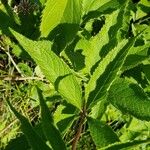
Eutrochium maculatum
Spotted Joe-Pyeweed · Spotted Joe-Pye Weed · Eupatoire Maculée · Spotted Joepyeweed · Spotted Joe-Pye-weed
Description
Source: leafsnapEutrochium maculatum, commonly known as spotted Joe-Pye weed, is a perennial herbaceous plant native to eastern North America. It typically reaches a height of 4 to 7 feet and produces large clusters of pink or purplish flowers that bloom in late summer and early fall. This plant prefers moist soils and thrives in wetlands, meadows, and along stream banks. It serves as an important source of nectar for butterflies and other pollinators. Traditionally, the leaves have been used for their anti-inflammatory properties in herbal medicine. Moreover, Eutrochium maculatum is often cultivated as an ornamental plant in gardens because of its attractive flowers and foliage. However, it is important to manage it properly, as it can spread aggressively.
🌳 Spotted Joe-Pye weed might not be widely recognized for commonly traded items like furniture or beverages, but it stands out in a different way. It provides essential nectar for a variety of bees and butterflies—especially honeybees and swallowtails—and plays a key role in honey production for local beekeepers. It illustrates that sweetness doesn't only come from obvious sweet sources, as shown by Spotted Joe-Pye weed's indirect sweetening of our honey supplies.
🎭 Postponement, Striking mauve flowers with rose-purple tones
Care Guide
💧 Water Every 7 days
The spotted Joe-Pye weed naturally grows in moist environments and thrives best in consistently damp conditions. Once established, it can tolerate moderate drought. To ensure optimal growth, water the plant weekly, especially during its growing season, to support healthy leaves and abundant blooms.
How should I water my Spotted Joe-Pye weed?
To properly water the Spotted Joe-Pye weed, it's best to use filtered water that is at room temperature. Tap water may contain harmful particles, so using filtered water is recommended. The reason for using room temperature water is that the Spotted Joe-Pye weed is native to warm environments and cold water can be a shock to it. It's also important to avoid overhead watering as it can cause issues with the foliage. Instead, you should apply the filtered room temperature water directly to the soil until it is thoroughly soaked. This helps to moisten the roots and allows them to spread and collect the necessary nutrients from the soil.
What should I do if I give my Spotted Joe-Pye weed too much or too little water?
Both overwatering and underwatering can harm the health of your Spotted Joe-Pye weed, but overwatering is more common. Overwatering can cause wilting, yellowing, root rot, mold, and mildew, which can be fatal for your plant. Underwatering is less likely, but it can cause brittle and brown leaves. It's important to notice signs of overwatering early and reduce watering. Check the soil's drainage and replace it if it drains poorly. If your plant is underwatered, simply water it more regularly until the signs improve.
How often should I water my Spotted Joe-Pye weed? -> How much should I water my Spotted Joe-Pye weed?
If your Spotted Joe-Pye weed is in a pot, the most precise way to determine if it needs water is to check the soil moisture by plunging your finger into it. If the top two to three inches of soil are dry, then it's time to water it. For outdoor Spotted Joe-Pye weed grown in the ground, you can use a similar method to test the soil. If the top few inches of soil have dried out, it's time to water. Typically, during spring and early fall, watering once a week is sufficient. However, during extremely hot weather, you may need to increase watering frequency to twice or more per week. It's worth noting that mature and well-established Spotted Joe-Pye weed has a strong ability to withstand droughts.
How much water does my Spotted Joe-Pye weed require?
To properly water your Spotted Joe-Pye weed, don't be cautious about the amount of water you use. Make sure the top two to three inches of soil are dry before watering, and then give it a thorough soaking. The water should completely saturate the soil and drain out through the drainage holes at the bottom of the pot. If you don't see excess water draining, you likely haven't watered enough. However, be careful not to let water accumulate in the soil, as this can harm the plant. On the other hand, if water isn't draining properly, it could indicate poorly draining soil, which is harmful to the plant's health. If the plant is outdoors, one inch of rain per week is enough.
How do I water my Spotted Joe-Pye weed when it is growing at different stages?
The water requirements of the Spotted Joe-Pye weed can vary depending on its growth stages. In the first few years of its life or when it is newly transplanted, it will need more water to support root development for future growth. As it matures, it will require less water. Additionally, during the bloom period, the plant will need more water to support flower development.
☀️ Light Full sun
Spotted Joe-Pye weed grows best in places with abundant sunlight, though it can tolerate somewhat shaded locations. Its growth may be hindered by too much shade or by excessively intense sun, since it comes from habitats where sunlight penetrates sufficiently.
What are the sunlight requirements for Spotted Joe-Pye weed?
Spotted Joe-Pye weed requires full sun, meaning it thrives best in locations receiving above 6 hours of sunlight daily. It can also grow in partial sun, with about 3-6 hours of sunlight. However, it's important to choose the planting spot carefully, ensuring a good balance of light and shade for optimal growth. Watching how sunlight moves through your garden helps in selecting suitable spots, avoiding areas that are either too shaded or exposed to extreme sun, which could compromise the plant's growth.
How can artificial lighting support indoor growth of Spotted Joe-Pye weed?
When natural sunlight is insufficient, especially during winter or in less sunny spaces, artificial lighting becomes crucial for the growth of Spotted Joe-Pye weed indoors. LED lights, favored for their customizable wavelengths, are recommended. Full sun plants require 30-50W/sq ft of light, partial sun plants 20-30W/sq ft, and shade plants 10-20W/sq ft. Position the light source 12-36 inches above the plant, mimicking natural sunlight conditions, and ensure the plant receives 8-12 hours of light per day for optimal growth.
What symptoms indicate Spotted Joe-Pye weed is getting insufficient light?
Symptoms of insufficient light in Spotted Joe-Pye weed include smaller new leaves, leggy or sparse growth, faster leaf drop, slower or no new growth, lighter-colored new leaves, chlorosis, sunscald, leaf curling, wilting, and leaf scorching. These symptoms reflect the plant's struggle with inadequate lighting, indicating a need for more sunlight or artificial lighting solutions to ensure healthy growth.
How can I address light deficiency issues with my Spotted Joe-Pye weed?
To address light deficiency in Spotted Joe-Pye weed, gradually acclimate the plant to brighter conditions, aiming for at least 6 hours of direct sunlight daily. For indoor plants, consider moving them to a south-facing window or using artificial lighting, such as desk lamps or professional grow lights, ensuring they receive 8 hours of light per day. Outdoors, find the sunniest spot and allow plants to adapt gradually to prevent sunburn. Reducing obstructions like trimming trees or relocating plants to sunnier areas can also help. Remember, while some parts of the plant affected by low light won't recover, new growth will be healthy after resolving the lighting issues.
🌡️ Temperature 5–32.2°C
Spotted Joe-Pye weed prefers temperatures between 41 and 90 ℉ (5 and 32 ℃) and is native to regions with moderate temperatures. In cooler seasons, adjust temperatures to keep them within the preferred range. In hotter seasons, provide adequate shade and water to prevent heat damage.
What are the ideal temperature conditions for Spotted Joe-Pye Weed?
Spotted Joe-Pye Weed (Eutrochium maculatum) thrives in a temperature range of 41 to 90°F (5 to 32°C), favoring moderate temperatures. To ensure the plant remains healthy, it's crucial to adjust the ambient temperature within this range. During cooler seasons, keeping temperatures within this preferred range is especially important. In contrast, in hotter seasons, it's advisable to protect the plant from heat damage by providing adequate shade and ensuring regular watering.
Does Spotted Joe-Pye Weed require special frost protection measures during winter?
Spotted Joe-Pye Weed exhibits strong cold resistance, which generally negates the need for specific frost protection measures during the winter months. Nonetheless, if temperatures are forecasted to fall below -30°C, it becomes crucial to undertake cold protection efforts. This can include covering the plant with insulating materials such as soil or straw. Additionally, it's recommended to water the plant abundantly before the first freeze in autumn, ensuring the soil is moist as it freezes. This technique helps to prevent drought and water scarcity for the plant throughout the winter and early spring.
How does low temperature affect Spotted Joe-Pye Weed, and what are the solutions?
Spotted Joe-Pye Weed demonstrates notable cold tolerance and generally fares best when the temperature is maintained above 5°C. During winter, it's advisable to keep the temperature above -25°C to avoid any detrimental effects. However, when temperatures plunge below -30°C, the plant may not demonstrate immediate distress, but you might notice a decrease in sprouting or even an absence of sprouting come springtime. To address this, in spring, it's recommended to remove any parts of the plant that have failed to sprout, promoting healthier growth for the remainder of the plant.
What are the effects of high temperature on Spotted Joe-Pye Weed and how can they be mitigated?
During the summer months, it's important to ensure that the temperature surrounding Spotted Joe-Pye Weed doesn't exceed 32°C. Exposure to temperatures above 35°C can lead to various stress symptoms in the plant, including leaves becoming lighter in color, curling, and being prone to sunburn. In severe cases, the plant might wilt and dry out completely. To mitigate these issues, affected parts should be trimmed away. The plant should be moved to a shaded area or protected with a shade cloth, especially during the peak sun of midday and the afternoon. Ensuring the soil remains moist by watering early in the morning and in the evening can also help alleviate stress from high temperatures.
💨 Humidity
🪴 Soil 5-7
🌱 Fertilizer
Usually a single fertilizer application in spring suffices for Spotted Joe-Pye weed, though multiple feedings can boost growth. Apply fertilizer roughly every month to every month and a half. Fertilization improves the leaves' appearance and function, maintaining even color and a healthy texture. It also promotes root development and nutrient uptake for the plant's long-term health.
Why is it necessary to add fertilizer to my Spotted Joe-Pye weed?
Fertilizing your Spotted Joe-Pye weed is essential for maintaining its leaves' appearance and functionality. Proper fertilization ensures consistent leaf color and health. It also promotes root growth and maintenance, improving the plant's ability to absorb soil nutrients now and in the future.
When should I fertilize my Spotted Joe-Pye weed for the best results?
When growing your Spotted Joe-Pye weed outdoors, it will send new growth out in early spring. This is the signal to start fertilizing for the year. Usually, one application of fertilizer in the spring is enough for the plant to thrive. However, if you want to promote maximum growth, you can fertilize multiple times throughout the spring and early summer, about once every month to a month and a half.
When shouldn't I fertilize my Spotted Joe-Pye weed?
During the late fall and winter, your Spotted Joe-Pye weed goes into a dormant phase and stops growing. So, it's best to avoid fertilizing it during this time. In the spring and summer, if you choose to fertilize, gradually reduce the amount as summer approaches because the weed's growth rate slows down. It's important to note that it's never a good idea to fertilize when the weather is unusually hot or the soil is very dry, as this can harm your Spotted Joe-Pye weed and cause it to die sooner.
What kind of fertilizer does my Spotted Joe-Pye weed require?
When it comes to choosing the best fertilizer for a Spotted Joe-Pye weed, it's actually a simple task. These plants will thrive on a general-purpose garden fertilizer that has equal amounts of nitrogen, phosphorus, and potassium. So, a fertilizer with a ratio of 10-10-10 or similar will work well. It's important to avoid fertilizers with high amounts of nitrogen if you're unsure. The ideal form of fertilizer for a Spotted Joe-Pye weed is granular, and it's best if it's slow-release. This type of fertilizer is easy to apply to the soil. Additionally, feeding your Spotted Joe-Pye weed with organic soil amendments like compost can also be beneficial.
How can I make my Spotted Joe-Pye weed grow better?
To ensure the optimal growth of your Spotted Joe-Pye weed, wait until spring when its first leaves peek through the soil. Apply a balanced slow-release fertilizer to the soil around the base of the plant. If desired, you can repeat this process later in the season. When reapplying fertilizer, focus on the soil rather than the plant itself. Sometimes, you may need to move leaves aside to access the soil above the roots. It's also beneficial to water the plant before and after fertilizing.
🪴 Pot & Repot 2-3 years
When repotting Spotted Joe-Pye weed, select a pot 1-2 inches (2.5–5.1 cm) larger with good drainage. Use a well-draining potting mix. Repot in spring or fall, making sure the root ball sits slightly lower than the rim of the pot. Water thoroughly after repotting and place in a warm spot with indirect sunlight.
✂️ Pruning
Spotted Joe-Pye weed is known for its tall stems and pink-purple flowers. To keep it healthy, it's beneficial to prune it from early to late spring. This involves removing any dead stems and cutting the plant back after it blooms. These practices improve airflow, reduce the risk of disease, and promote vigorous flowering, all while aligning with the plant's natural growth cycle.
🌿 Propagating
🐛 Diseases & pets
☠️ Toxicity
Characteristics
- Plant Type
- Herb
- Life Cycle
- Perennial
- Genus
- Eutrochium
- Family
- Asteraceae
- Hardiness Zone
- 4-8
- Mature Height
- 2.13 m
- Mature Spread
- 1.22 m to 1.52 m
- Leaf Color
- Green
- Leaf Type
- Deciduous
- Flower Color
- Pink
- Flower Size
- 2.54 cm
- Bloom Time
- Mid summer
- Planting Time
- Spring
- Harvest Time
- Mid summer