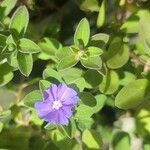
Evolvulus alsinoides
Dwarf-morning-glory · Blue Daze · Tropical-speedwell · Slender Dwarf Morningglory · Slender dwarf morning-glory
Description
Source: leafsnapEvolvulus alsinoides, commonly known as Dwarf Morning Glory, is a perennial herbaceous plant belonging to the Convolvulaceae family. Native to India, it is also found in other parts of Asia, Africa, and Australia. The plant grows up to 30 cm in height and features small blue flowers that bloom from summer through fall. Its leaves are small, narrow, and green. For centuries, Evolvulus alsinoides has been used in traditional medicine for its various health benefits. It is believed to possess anti-inflammatory properties, which can help reduce swelling and pain associated with arthritis or other inflammatory conditions. Additionally, it has been employed as a natural remedy for anxiety disorders due to its calming effects on the nervous system. The plant prefers well-drained soil with full sun exposure but can also tolerate partial shade. It requires moderate watering during the growing season but should be kept dry during the winter months. Overall, Evolvulus alsinoides is a beautiful ornamental plant with medicinal properties, making it an excellent addition to any garden or landscape design project.
🌳 The dwarf morning glory is an excellent ground cover plant due to its spreading stems. When grown in hot, sunny areas such as wildflower or woodland gardens, it can produce vibrant blooms throughout most of the year. This plant is also a wonderful addition to pollinator gardens, as it attracts bees and butterflies. Additionally, its trailing stems make it an ideal choice for hanging baskets.
🎭 Rebirth
Care Guide
💧 Water Every 7 days
Dwarf morning glory flourishes in tropical climates, where it thrives on consistent moisture and high humidity. To support its lush growth, it's important to water it weekly, although it can endure short periods of dryness. Being an evergreen plant, dwarf morning glory benefits from natural rainfall, which helps maintain its vibrant foliage throughout the year.
How should I water my Dwarf morning glory plant?
To properly water the Dwarf morning glory, follow these guidelines. It is best to use filtered water at room temperature or slightly warmer. Tap water may contain harmful particles that can affect the plant's health. The plant is accustomed to warm environments, so avoid using cold water as it can be a shock to its system. Additionally, overhead watering should be avoided to prevent foliage complications. Instead, thoroughly soak the soil with filtered room temperature water. This is beneficial as it moistens the roots and allows them to spread and collect nutrients from the soil.
What do I do if I give my Dwarf morning glory too much water or too little?
Overwatering and underwatering can both harm your Dwarf morning glory, but overwatering is more common. When this plant gets too much water, its stems and leaves may wilt and turn yellow. Overwatering for a long time can also cause diseases like root rot, mold, and mildew, which can be fatal. Underwatering is less likely, as this plant can tolerate drought reasonably well. However, it can still happen, and you may notice the leaves becoming brittle and brown. It's essential to recognize the signs of overwatering early when taking care of your Dwarf morning glory. Some diseases caused by overwatering, like root rot, can't be fixed if you wait too long. If you see early signs of overwatering, reduce your watering schedule immediately. Also, check the soil quality where your Dwarf morning glory is growing. If it drains poorly, replace it with a loose, well-draining potting mix. Alternatively, if you notice signs of underwatering, simply water more regularly until the signs go away.
How often do I need to water my Dwarf morning glory?
If your Dwarf morning glory plant is in a pot, the most precise way to determine if it needs water is by checking the soil moisture. Plunge your finger into the soil, and if you find that the top two to three inches are dry, it's time to water it. If you have planted your Dwarf morning glory outdoors in the ground, you can use a similar method to test the soil. Once again, if the first few inches of soil have dried out, it's time to give it some water. During the spring and early fall, you will generally need to water this plant about once a week using this method. However, in extremely hot weather, you may need to increase your watering frequency to about twice or more per week. It's worth noting that mature and well-established Dwarf morning glory plants have an impressive ability to withstand drought conditions.
How much water does my small morning glory plant need?
To properly water your Dwarf morning glory, don't be afraid to use a generous amount of water. Make sure the top two to three inches of soil are dry before watering, then thoroughly soak the soil until the excess water flows out from the drainage holes at the bottom of the pot. If you don't see any excess water draining, you may not have provided enough water. However, be careful not to let water accumulate inside the soil, as this can harm the plant. On the other hand, if water is not draining properly through the pot, it could be a sign of poorly draining soil, which is not good for the plant's health. If the plant is outside, receiving about 1 inch of rain per week is enough.
How should I water my Dwarf morning glory plants throughout the year?
The Dwarf morning glory's water needs are highest during the hottest months of the year, particularly in the peak of summer. Depending on how quickly the soil dries out, you may need to water the plant more than once per week during this time. On the other hand, during the winter, the plant goes into a dormant phase and requires much less water than usual. In fact, you may not need to water the plant at all in winter. However, if you choose to water it, make sure to do so only once per month. Overwatering during winter can increase the likelihood of disease affecting the Dwarf morning glory.
☀️ Light Full sun
Dwarf morning glory performs best with plenty of sunlight but can tolerate lower light conditions. Native to bright, sunlit areas, it needs ample illumination for optimal growth. If it receives insufficient light, its growth can be stunted and its health may suffer. Conversely, too much sun can cause the plant stress and physical harm.
What are the sunlight requirements for Dwarf morning glory?
Dwarf morning glory, or Evolvulus alsinoides, thrives best under full sun conditions, which means it requires more than 6 hours of sunlight daily. However, it can also perform well under partial sun, with about 3 to 6 hours of sunlight. It’s essential to observe the sunlight movement in your garden to pick the ideal spot that provides a good balance of light and shade, ensuring the plant's health and growth.
What are the essentials for growing Dwarf morning glory successfully?
To ensure the successful growth of Dwarf morning glory, abundant sunlight is crucial as it originates from environments with ample solar exposure. Insufficient sunlight can lead to stunted growth and poor health, while too much direct exposure can cause stress and damage to the plant. Indoor plants, in particular, require adequate lighting, and when natural sunlight is not enough, especially in winter or less sunny spaces, artificial lighting is recommended. LED lights are preferred due to their ability to be customized to specific wavelength needs. Depending on the sun requirement of the plant, artificial light should range from 10-50W per square foot, be placed 12-36 inches above the plant, and be on about 8-12 hours per day to mimic natural daylight hours.
What are the symptoms of inadequate lighting on Dwarf morning glory?
Dwarf morning glory may exhibit several symptoms when it's not receiving adequate lighting. These include smaller new leaves, leggy or sparse growth which leads to a thin appearance due to longer spaces between leaves or stems, early leaf drop to conserve resources, halted or no new growth as the plant enters a survival mode, paler new leaves indicating insufficient chlorophyll, chlorosis or the yellowing of leaves due to excessive sunlight, sunscald characterized by pale or necrotic areas from intense sunlight exposure, leaf curling as a defense against extreme sunlight, wilting due to significant water loss, and leaf scorching seen as brown or crispy leaf edges. These symptoms suggest the need for immediate attention to light conditions.
How can I solve the problem of insufficient sunlight for my Dwarf morning glory?
To address insufficient sunlight for Dwarf morning glory, consider gradually moving your plants to sunnier locations, ideally ensuring they get at least 6 hours of direct sunlight daily. If moving large indoor plants is challenging, supplement sunlight with artificial light, keeping it on for at least 8 hours a day. For outdoor plants, moving them to optimal sunlight spots should be done gradually to prevent sunburn. If trees or other structures block sunlight, prune them to reduce obstruction. For smaller plants, transplanting during the dormant period to a location with more sunlight and good drainage may help. Remember, while parts of the plant that suffered due to low light may not recover, new growth should be healthy once the lighting issue is resolved.
🌡️ Temperature 20–37.8°C
Dwarf morning glory thrives in warm, temperate conditions. It comes from areas with temperatures ranging from 20 to 38 ℃ (68 to 100.4 ℉). During colder seasons, it is advisable to regulate the temperature by positioning it near a heat source or a sunny window.
What climate does Dwarf morning glory prefer?
Dwarf morning glory, or Evolvulus alsinoides, thrives in a warm and temperate climate, favoring temperatures ranging from 20 to 38°C (68 to 100.4°F). It's crucial to maintain a warm environment for the plant, especially in cooler seasons, by placing it near a heat source or a sunny window. During winter, keeping the temperature above 20°C is beneficial for its growth, and it's recommended to bring outdoor plants indoors to avoid cold damage.
How should I care for Dwarf morning glory in low temperatures?
In the event of low temperatures, it's important to keep Dwarf morning glory in a warm environment as it prefers temperatures above 20°C and does not tolerate cold well. Should the temperature dip below -5°C, the leaves might lighten in color, leading to brown or black discoloration and symptoms like wilting and drooping after frost damage. To care for the plant, trim off frost-damaged parts and immediately move it indoors to a warm area, preferably near a south-facing window for ample sunlight, while avoiding excessive dryness by steering clear of heaters or air conditioning vents.
What should I do if Dwarf morning glory experiences high temperatures?
Dwarf morning glory should ideally be kept below 38°C during the summer to avoid high temperature stress. If temperatures soar above 43°C, the plant's leaves may lighten, increasing the risk of sunburn. To mitigate this, trim away the sunburned and dry parts, and relocate the plant to a shaded area, particularly away from the harsh midday and afternoon sun. Ensure to water the plant in the morning and evening to maintain soil moisture, providing relief from the heat.
💨 Humidity normal (40-60%)
This plant will thrive in moderate humidity, which is probably the level in your home. However, misting it a few times a week can be very beneficial. Make sure the room has good ventilation.
🪴 Soil 6-7
🌱 Fertilizer
Dwarf morning glory needs the most fertilizer during its active growth period, which occurs mainly in spring, summer, and early fall. Fertilization supplies essential nutrients that the soil may be missing, supporting healthy root and stem growth and enhancing the attractive foliage that is a notable feature of this plant.
Why should I add fertilizer to my Dwarf morning glory plant?
Plants, including the Dwarf morning glory, need soil nutrients for their growth. However, it's not guaranteed that the soil will have all the necessary nutrients. To ensure the plants in your garden have the right nutrients, fertilization and soil amendments are helpful. For the Dwarf morning glory specifically, fertilizer is needed to support healthy root and stem development. It also contributes to beautiful leaves, which are important for this plant's ornamental appeal.
When should I fertilize my Dwarf morning glory plant?
During the active growth phase of a Dwarf morning glory, which usually occurs during spring, summer, and early fall, it will require the most fertilizer. After winter, you should feed it roughly every two to four weeks. As fall approaches, gradually decrease the amount of fertilizer until you completely stop feeding it in preparation for winter, when the Dwarf morning glory will have less active growth.
When is it not a good idea to fertilize my Dwarf morning glory?
To keep your Dwarf morning glory healthy, it's important to regularly feed it throughout most of the year, which includes spring, summer, and most of the fall. However, there are a couple of exceptions to this. If you notice that your Dwarf morning glory has been over-fertilized or if you've made a mistake in fertilizing it, causing fertilizer burn or another issue, you'll need to address this before resuming a regular feeding schedule. During the winter, it's important to withhold fertilizer from your Dwarf morning glory. If you're growing it indoors in a cold winter environment, the plant will enter a dormant phase during this time. Feeding it during the dormant phase is unnecessary and can actually harm its growth, potentially causing fertilizer burn.
What kind of fertilizer should I use for my Dwarf morning glory plant?
The fertilizer for a Dwarf morning glory needs a specific blend of nutrients, but each nutrient is present in low amounts. The ideal fertilizer has a ratio of 3 parts nitrogen, 1 part phosphorus, and 2 parts potassium (N-P-K ratio of 3-1-2). However, a general-purpose fertilizer with an even blend of nutrients can also work well. Regardless, the volume of each nutrient should be at 10 or lower even with a balanced fertilizer. You can choose between granular or liquid-based fertilizer. If you opt for a liquid-based fertilizer, it is best to dilute it by half. Granular fertilizer has few downsides, but using liquid fertilizer, especially when watering your Dwarf morning glory, tends to be more sensible.
How can I make my Dwarf morning glory plant grow better?
When purchasing fertilizer for your Dwarf morning glory, it's important to carefully follow the application instructions. For this specific plant, it is recommended to fertilize just before or while watering the soil to avoid damaging the roots. If you're using a slow-release granular fertilizer, sprinkle it onto the soil and water immediately afterwards. For liquid-based fertilizer, dilute it with water, apply to the soil, and then provide additional water. It is particularly important to dilute the fertilizer by at least half in spring and fall when the plant's growth is increasing or slowing down, respectively.
🪴 Pot & Repot
✂️ Pruning
Dwarf morning glory is a low-growing perennial known for its sky-blue flowers. To keep the plant healthy and vibrant, regular pruning is essential. Pruning in early spring stimulates growth and enhances blooming. Later in the growing season, light trimming helps maintain its compact shape. It's important to avoid heavy shearing, as this can stress the plant. Gentle pruning promotes healthier foliage and encourages more vigorous flowering.
🌿 Propagating
🐛 Diseases & pets
☠️ Toxicity
The dwarf morning glory has no known toxic trait.
Characteristics
- Plant Type
- Herb
- Life Cycle
- Perennial
- Genus
- Evolvulus
- Family
- Convolvulaceae
- Hardiness Zone
- 9-11
- Mature Height
- 25 cm
- Mature Spread
- 20 cm to 40 cm
- Leaf Color
- Green
- Leaf Type
- Deciduous, Evergreen
- Flower Color
- Purple, Blue
- Flower Size
- 0.51 cm to 0.76 cm
- Bloom Time
- All year round
- Planting Time
- Autumn
- Harvest Time
- All year round
- Native Area
- Sri Lanka, Burkina Faso, Belize, India, Mexico, Guatemala, Madagascar, Pakistan, Guinea-Bissau, Uganda, Tanzania, Fiji, Benin, Indonesia, Cameroon, Mozambique, Ethiopia, Central African Republic, Saudi Arabia, Malawi, Honduras, Peru, Philippines, Bangladesh, Laos, Panama, Chad, China, Colombia, Afghanistan, Japan, Togo, El Salvador, Senegal, Eswatini, Côte d'Ivoire, Ecuador, Costa Rica, Gambia, Egypt, Angola, Malaysia, Namibia, Eritrea, Yemen, Kenya, Jamaica, Zimbabwe, Mali, Cuba, Cambodia, Venezuela, Ghana, Botswana, Nepal, South Africa, Zambia, Sudan, Mauritania, Guinea, Bahamas, Bolivia, Vietnam, Myanmar, Guyana, Bhutan, Nicaragua, Singapore, Thailand