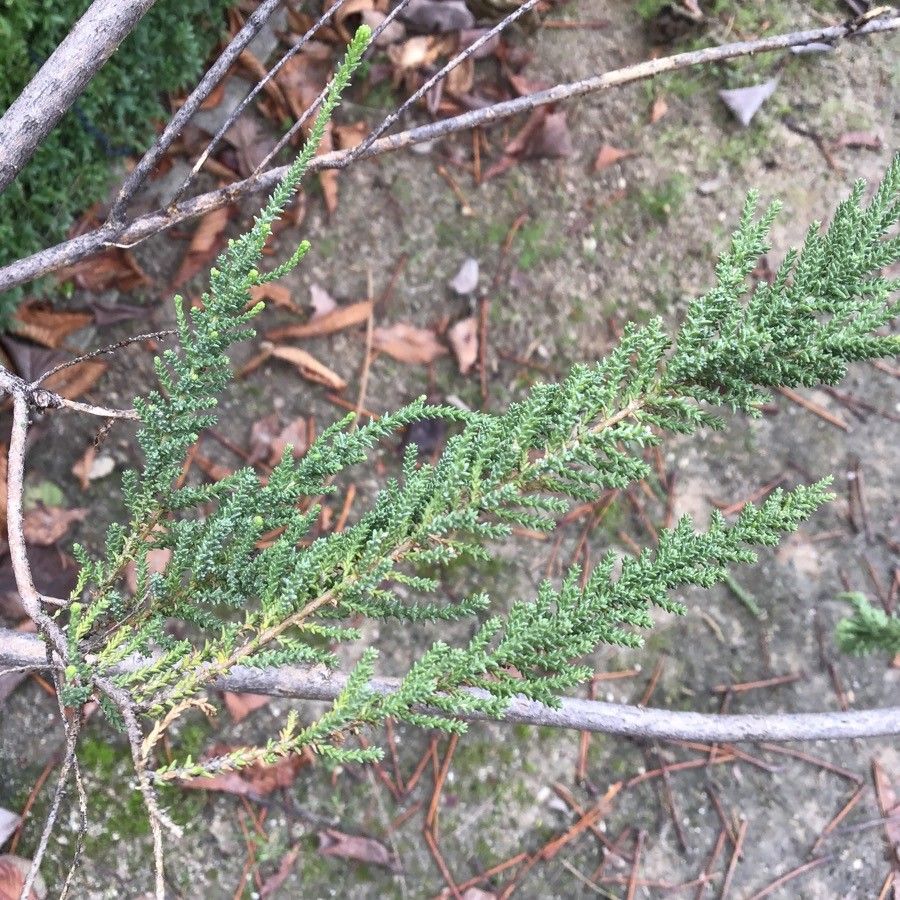
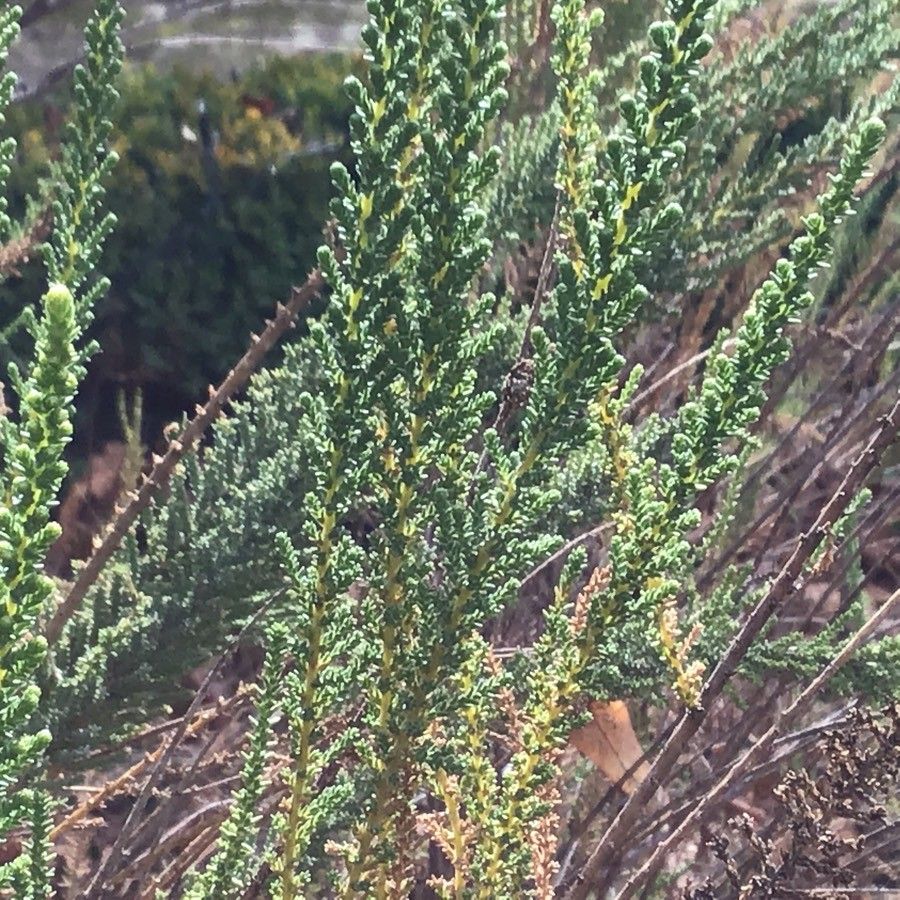
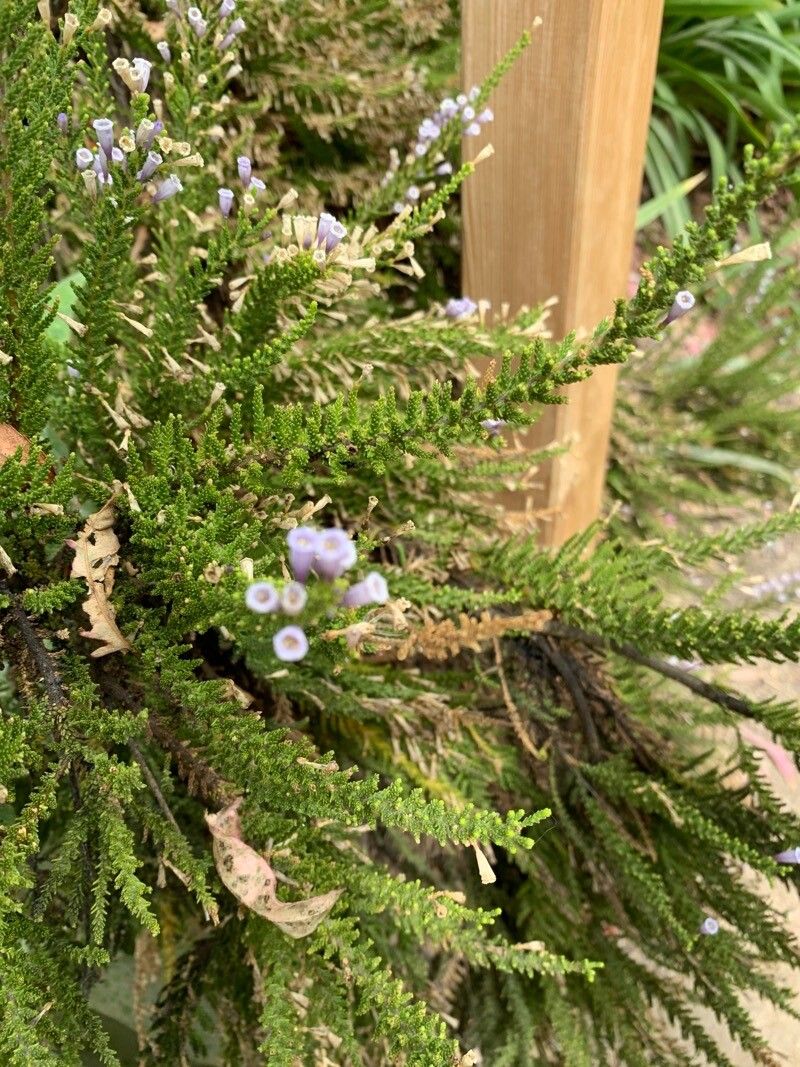
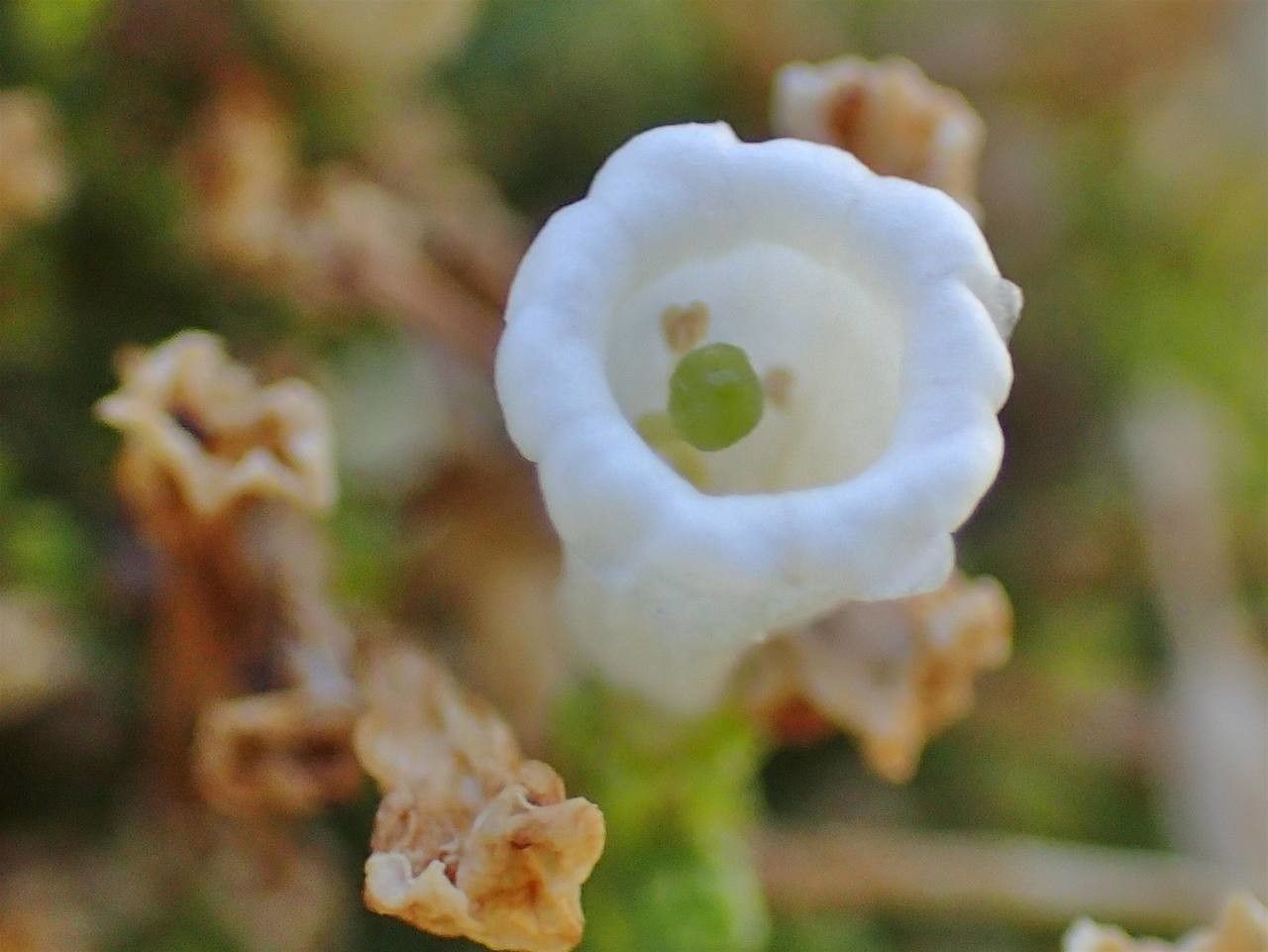
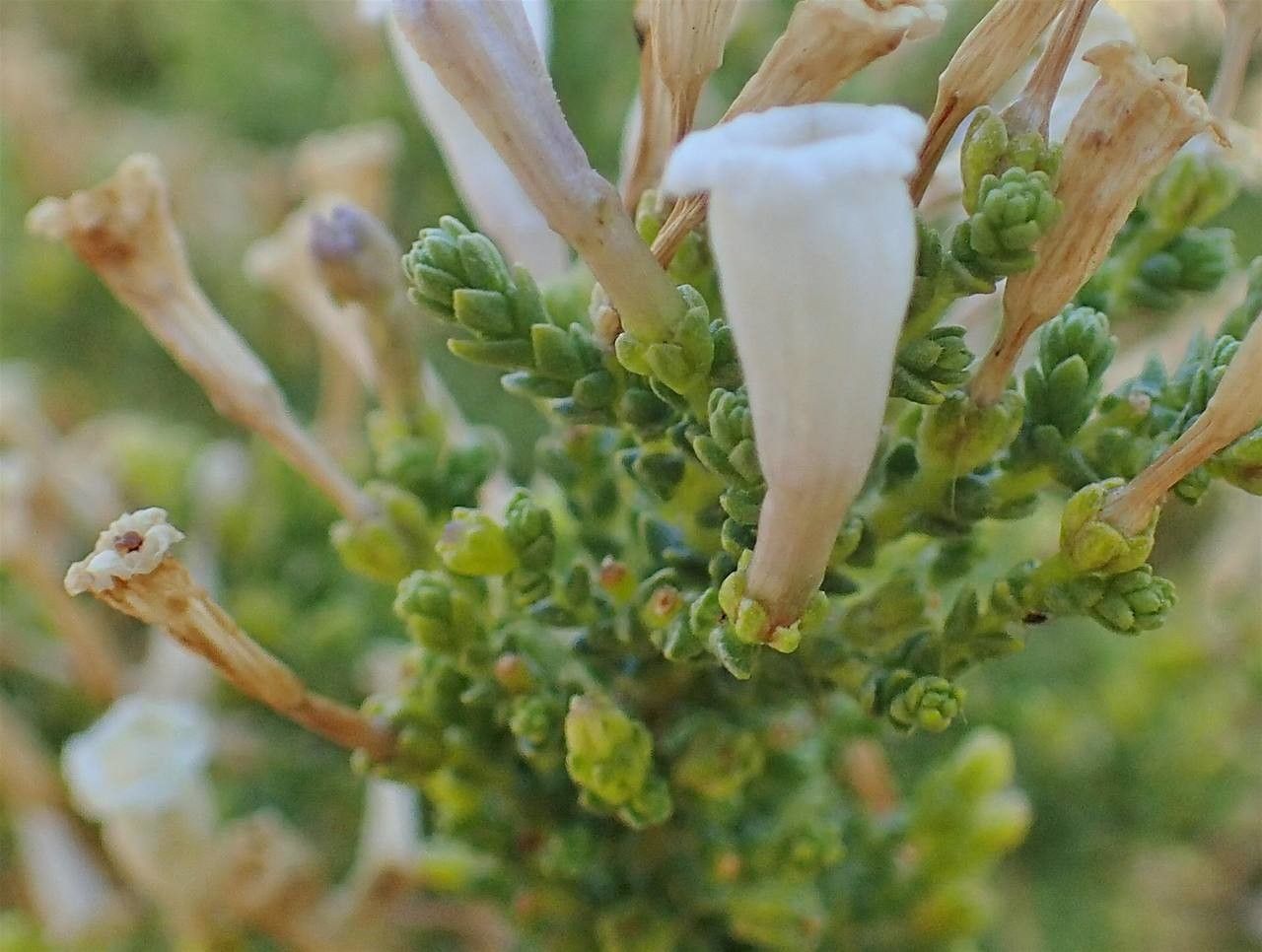
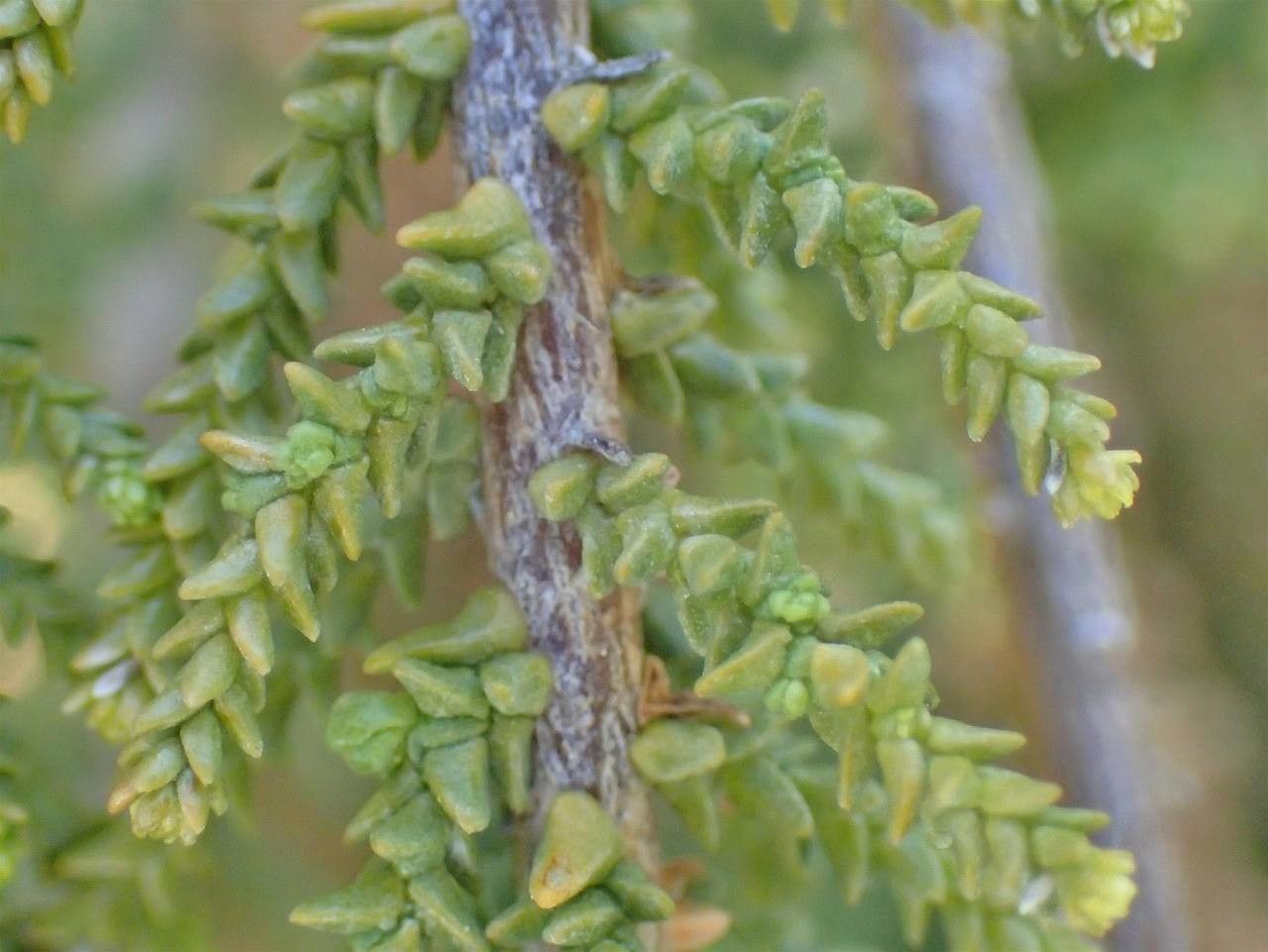
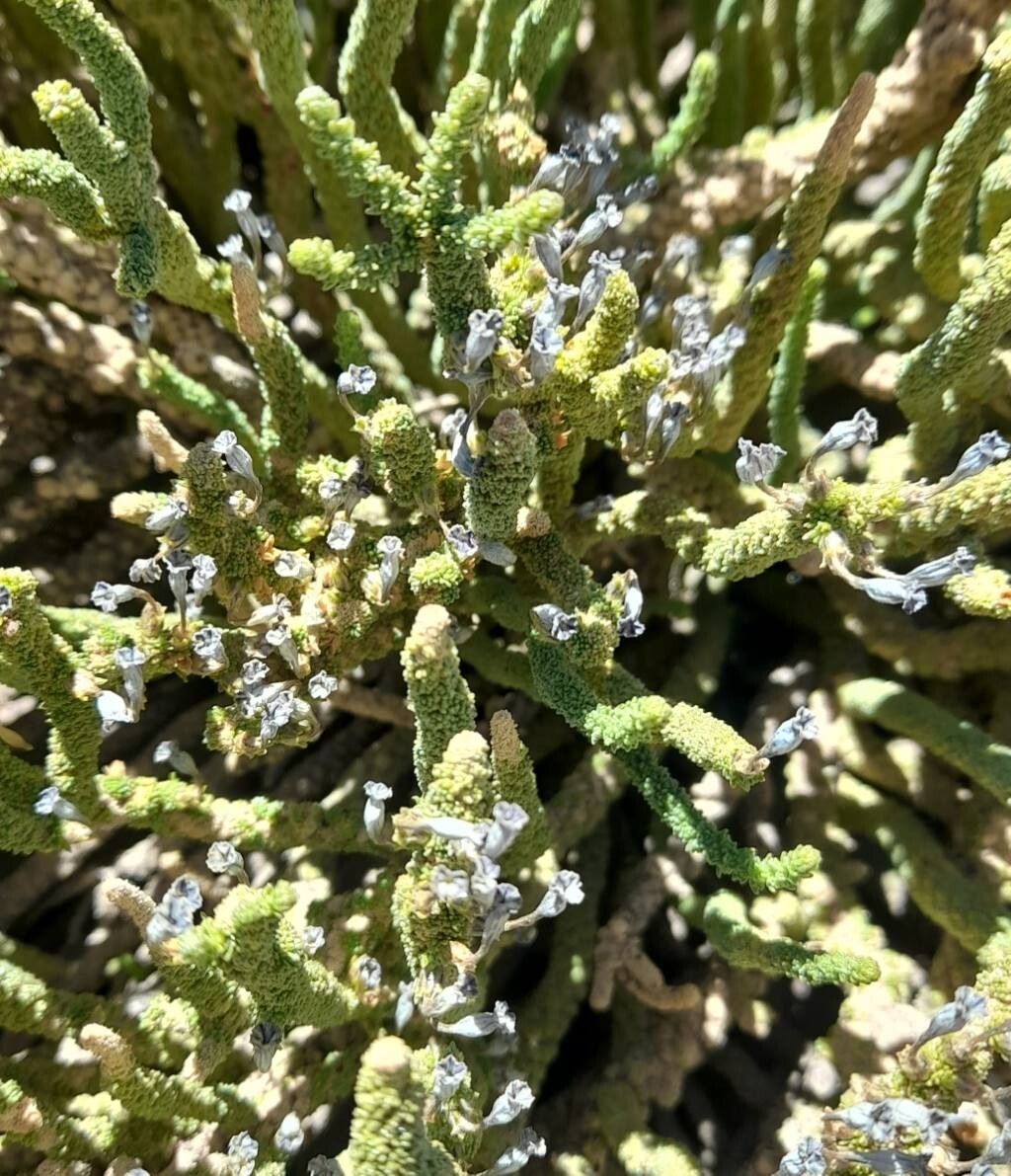
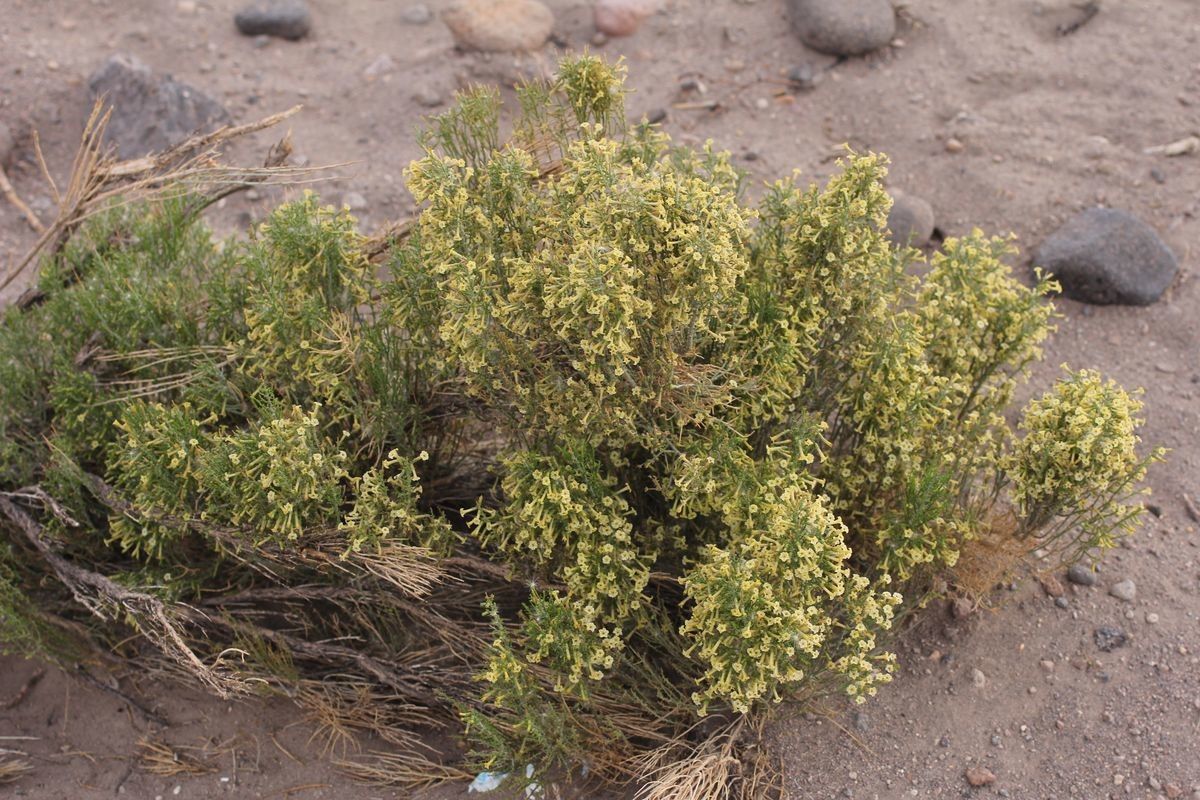
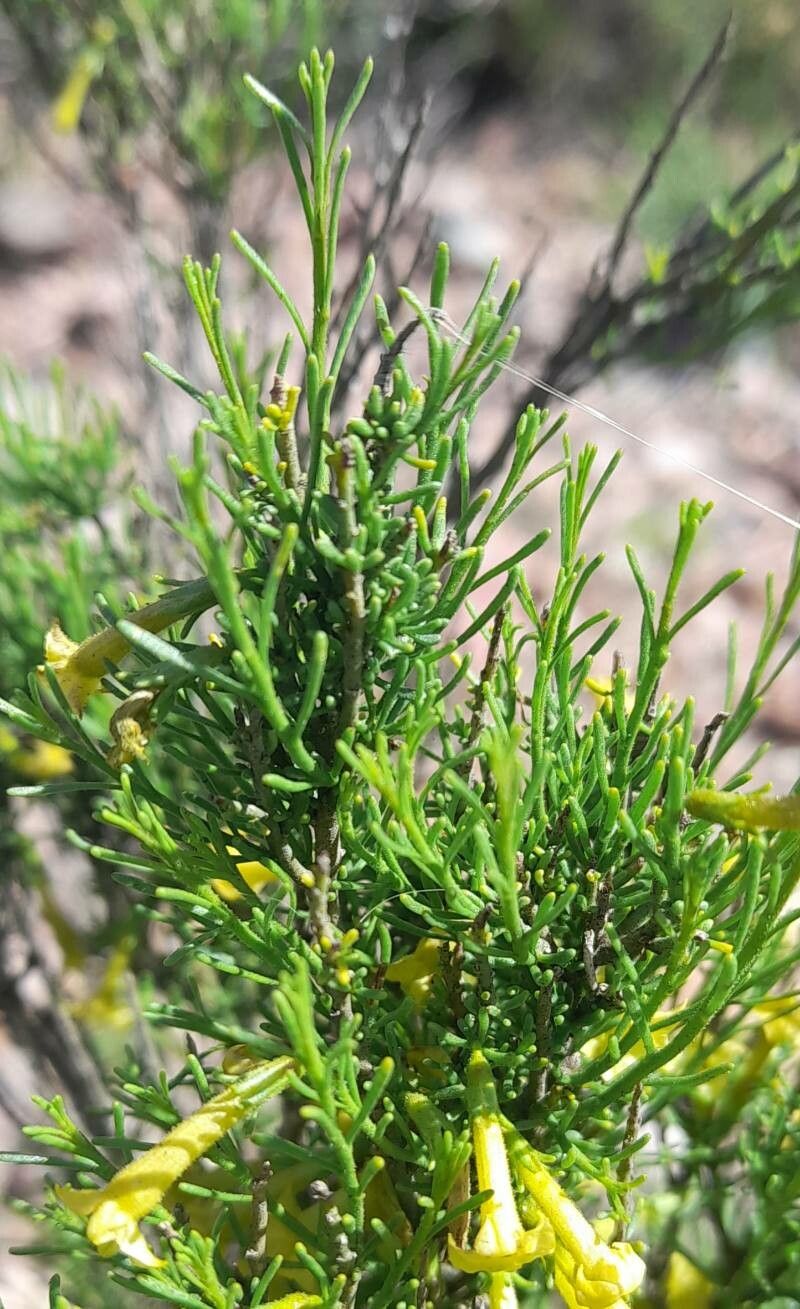
Fabiana imbricata, or pichi, is a species of flowering plant in the family Solanaceae, native to dry upland slopes in Chile and Argentina. Growing to 2.5 m (8 ft 2 in) tall and wide, it is a frost-hardy, heath-like evergreen mound-forming shrub. It has needle-like leaves and small white, tubular flowers in early summer.The upright form F. imbricata f. violacea, of horticultural origin, bears masses of pale violet flowers. It has gained the Royal Horticultural Society's Award of Garden Merit.
Peru false heath has strong disease resistance and is usually not susceptible to illnesses. In terms of care, this plant is fairly low-maintenance. When grown outdoors it requires little watering, and larger specimens typically do not need pruning. Smaller specimens, however, should be trimmed after they finish blooming. Peru false heath is suitable for anyone with outdoor space, such as a garden or deck, and does not require extensive care experience.
How to keep Fabiana Imbricata.
Light
Peru false heath comes from open habitats, such as sunny meadows and forest margins, which provide abundant light. It performs best in Full Sun but can also tolerate Partial Sun, adapting to various sunlight conditions.
Water
The Peru false heath is native to the dry highlands of South America and is highly drought-resistant. It only needs watering every 2-3 weeks to remain healthy. As an evergreen shrub, it features dense foliage and woody stems that help it conserve water in a variety of climates.
Temperature
Peru false heath is very adaptable to different climate conditions, coping with both intense summer heat and cold winter weather. Still, it has a preferred temperature range for growth. If temperatures rise too high, the plant can suffer from heat and humidity stress that may kill it. In places where temperatures get close to the lower limit of its cold tolerance, taking insulating measures to protect the plant is important.
Fertilizer
The timing of fertilizing Peru false heath is essential. Start feeding in early spring and continue once a month until early summer. Fertilizer promotes attractive blooms and supplies energy during both dormant and active growth periods.
Pruning
Peru false heath is known for its evergreen foliage and white tubular flowers. To shape the plant and promote growth, prune it from early to late winter. Remove any dead or crossing branches to improve air circulation. Regular trimming will encourage bushier growth and enhance blooming. Make sure to use sterilized tools to prevent the spread of disease.
Botanical profile.
- Plant Type
- Shrub
- Life Cycle
- Perennial
- Genus
- Fabiana
- Family
- Solanaceae
- Hardiness Zone
- 9-11
- Mature Height
- 2.44 m
- Mature Spread
- 1.52 m
- Leaf Color
- Green
- Leaf Type
- Evergreen
- Flower Color
- White
- Flower Size
- 1.02 cm to 1.52 cm
- Bloom Time
- Mid spring, Late spring, Early summer
- Planting Time
- Spring, Summer, Autumn
- Harvest Time
- Mid summer, Late summer, Early fall
Other names.
Reader questions.
What is the best way to water my Peru false heath plant?
To water your Peru false heath, you have a lot of options. You can use watering cans, hoses, or even cups. It doesn't really matter which tool you choose. Just make sure to water the plant's soil directly. It's important to evenly moisten all areas of the soil so that the entire root system gets the water it needs. Using filtered water is a good idea because tap water can have particles that can harm the plant. Also, try to use water that is at or slightly above room temperature. If the water is too hot or too cold, it might shock the plant. But overall, the Peru false heath is pretty resilient and will do well with any kind of water you give it.
Why should I put fertilizer on my Peru false heath plant?
Regular fertilization is beneficial for all types of Peru false heath plants. It provides essential nutrients for healthy growth, making them more resistant to tough conditions, diseases, and pests. To preserve the attractiveness of the foliage, it is important to follow a specific fertilization schedule. This will result in vibrant leaves with deep colors and a lush appearance.
What are the sunlight requirements for Peru False Heath?
Peru false heath, also known by its botanic name Fabiana imbricata, thrives in full sun, requiring above 6 hours of sunlight daily to ensure optimal growth and health. It originates from open environments like sunny meadows and forest edges, adapting well to various sunlight conditions including full to partial sun. It's essential to watch how sunlight moves through your garden to choose spots that offer a balance of light and shade, ensuring the happiness of your plants. Indoor plants can benefit from artificial lighting to supplement natural sunlight, especially in winter or less sunny spaces. LED lights are recommended for their ability to provide specific wavelengths needed by plants, with full sun plants requiring 30-50W/sq ft, partial sun plants needing 20-30W/sq ft, and full shade plants needing 10-20W/sq ft of artificial light.
What is Peru false heath?
Peru false heath, scientifically known as Fabiana imbricata, is a plant species known for its resemblance to heather plants. Despite its common name suggesting a connection to heath, it belongs to a different botanical family.
What if I give my Peru false heath plant too much or too little water, what should I do?
Outdoor plants, especially newly planted ones or seedlings, can easily suffer from lack of watering. It is important to consistently water them for several months until the roots are established, after which most of their water needs will be met by rain. Overwatering is more common when Peru false heath plants are in pots. If you accidentally overwater your Peru false heath, take immediate action to minimize the damage. Stop watering the plant and check its roots by removing it from its pot. If there are no signs of root rot, you can put the plant back in its container. However, if root rot is present, trim affected roots and apply fungicide. Repot the plant in well-draining soil. On the other hand, underwatering is relatively easy to fix. Look for signs such as drooping and dry leaves, and increase the frequency of watering to bring the plant back to health.
When should I fertilize my Peru false heath plant?
To ensure healthy growth of your Peru false heath, fertilize it first in late winter or early spring for a nutrient boost. If you live in a warm climate region, an additional fertilizer feeding in early fall can be beneficial. This will provide extra nutrients for the following growing season and help your plant withstand the winter without foliage damage. Fertilizing earlier will also give the new branches enough time to grow and withstand the cold.
What symptoms indicate insufficient light for Peru False Heath?
Peru false heath exhibits several symptoms when exposed to insufficient light, including smaller new leaves compared to mature ones, leggy or sparse growth, accelerated leaf drop, halted or no new growth, and irregular color patterns or pale leaves indicating a lack of chlorophyll and essential nutrients. Conditions like chlorosis, sunscald, leaf curling, wilting, and leaf scorching can also manifest due to inappropriate light exposure, highlighting the need for adequate sunlight to maintain the plant's health and vitality.
How often should I give water to my Peru false heath?
Most outdoor plants can grow normally with rainfall, but if your area lacks rainfall, you should water your plants adequately every 2 weeks in the spring and fall, and more often in the summer. In the winter, when plants grow slower and need less water, water them sparingly, and you may not need to water them at all. If your Peru false heath is young or newly planted, water it more frequently to help it establish and become more adaptable and drought tolerant. For potted plants, there are two main ways to determine how often to water your Peru false heath. The first is to set a watering schedule, such as once a week or once every other week. However, this may not always work as it doesn't consider the specific growing conditions of your plant. The second way is to base your watering frequency on soil moisture. Wait until the top two to four inches of soil have dried out completely before watering again. This is usually about ⅓ to ½ the depth of the pots.
When is the best time to not fertilize my Peru false heath?
There are a few times when you should avoid fertilizing your Peru false heath. Firstly, during the early and mid-winter months, when the plant is dormant and doesn't require feeding. Additionally, it's best not to fertilize during late spring and throughout the summer, as the weather is hotter and drier. These conditions can lead to negative effects if fertilization is carried out. To prevent any issues, stick to a fertilization schedule that involves feeding only during early spring and early fall.
How can I address insufficient or excessive sunlight exposure for Peru False Heath?
To ensure optimal growth for Peru false heath, gradually transition the plant to a sunnier location each week, aiming for at least 6 hours of direct sunlight daily. Utilize south-facing windows and keep curtains open during the day for maximum sunlight exposure. For indoor plants difficult to move, consider using artificial light, keeping lamps on for at least 8 hours daily or investing in professional plant grow lights. If dealing with outdoor plants, avoid sudden changes in light intensity to prevent sunburn. Removing obstructions like trimming trees or transplanting the plant during its dormant period can improve sunlight access. Note that while parts of the plant affected by insufficient sunlight may not recover, new growth should be healthy after adjusting light exposure.
How much water does my Peru false heath plant need?
Watering your Peru false heath can be a bit tricky. It doesn't always require a lot of water, but rather, if only a few inches of soil have dried since the last watering, give it about five to ten ounces of water each time. To determine how much water to give, keep track of how many inches of soil have dried out between waterings. If more than half of the soil is dry, give more water until you see excess water draining from the pot's holes. If your Peru false heath is exposed to plenty of rain outdoors, additional watering may not be necessary. When it's young or establishing, provide 1-2 inches of rain per week. As it grows, it can rely on rainwater alone, except in hot weather without rainfall for 2-3 weeks, where a full watering may be needed to prevent stress.
What kind of fertilizer does my Peru false heath plant need?
The Peru false heath primarily requires nitrogen for optimal growth, but phosphorus and potassium are also important. Using a balanced fertilizer like 10-10-10 can provide sufficient amounts of all three nutrients. However, a more specific nutrient ratio, such as 10-6-4 with higher nitrogen, often leads to better results. You can choose between granular and liquid fertilizers for application.