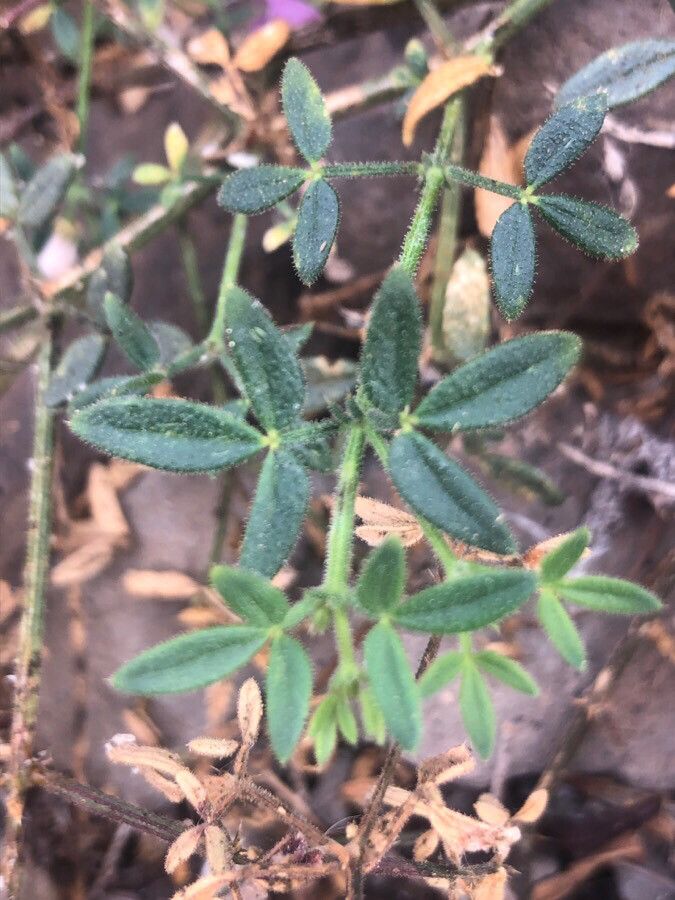
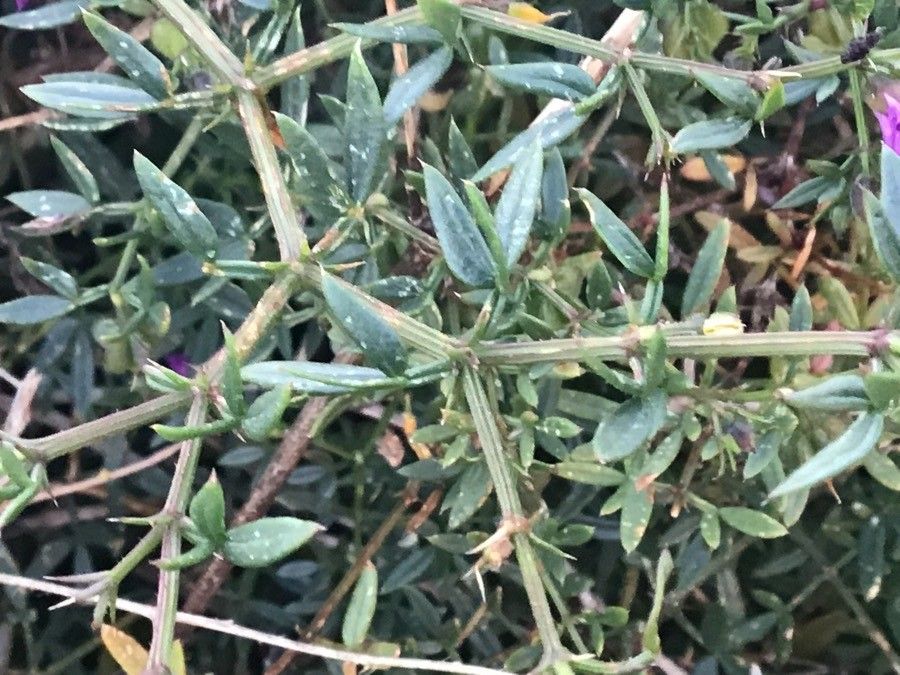
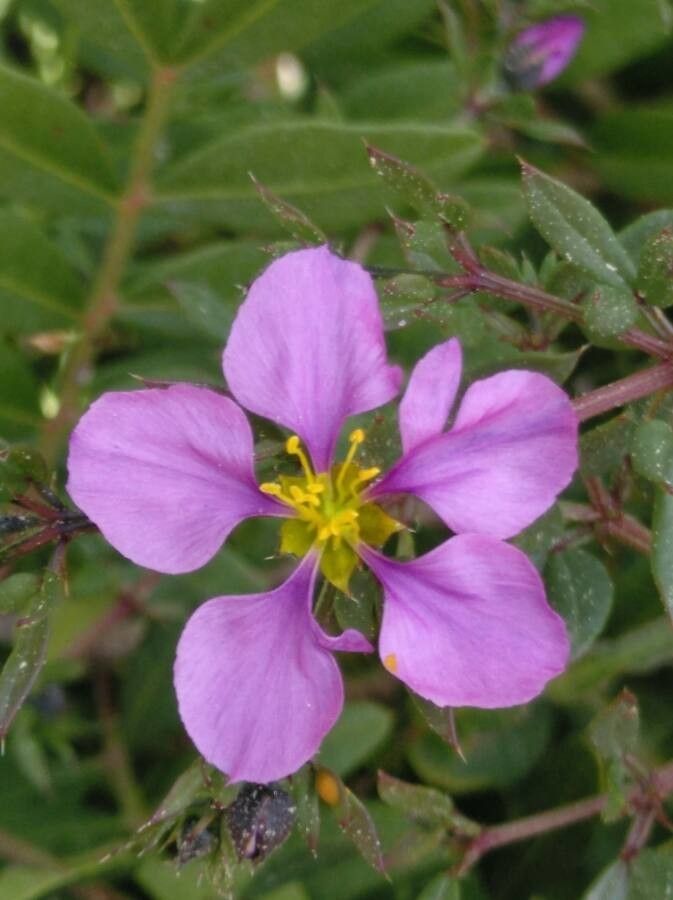
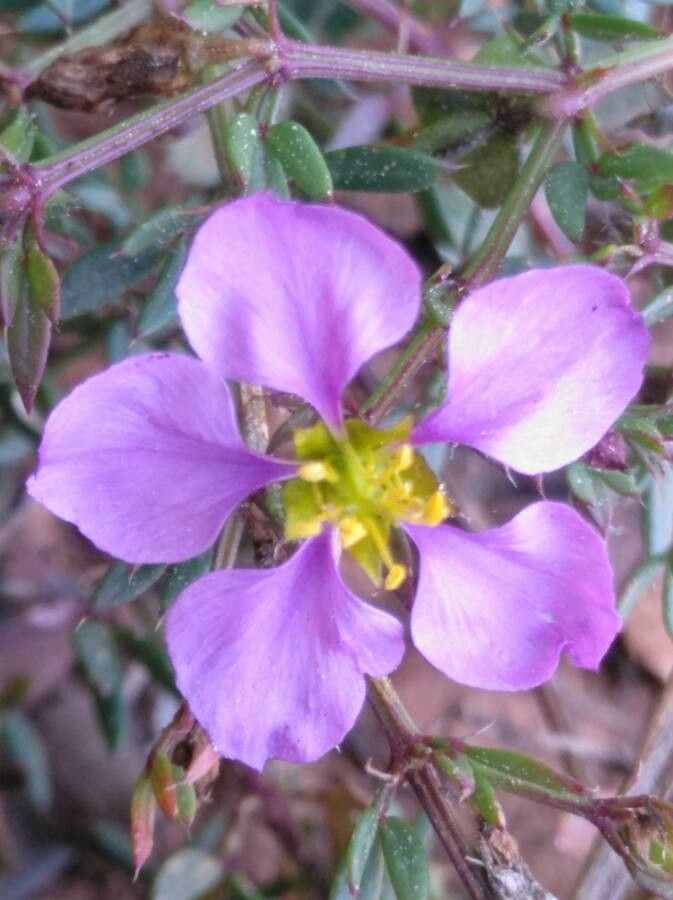
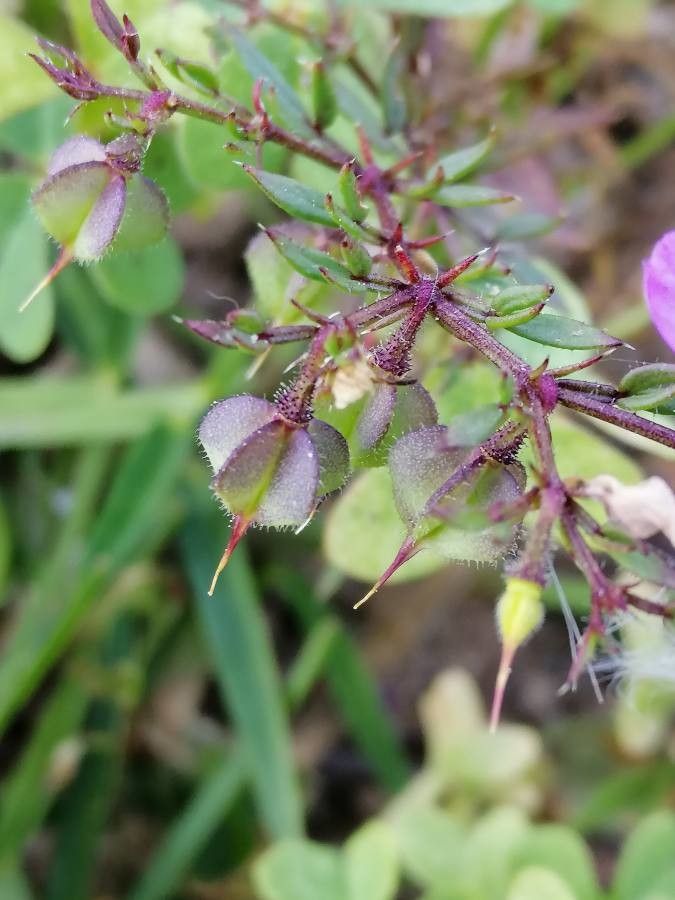
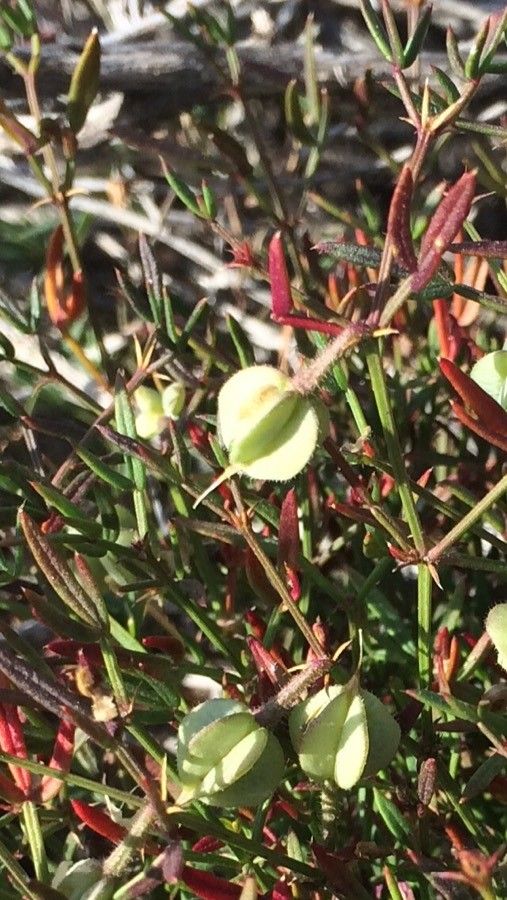
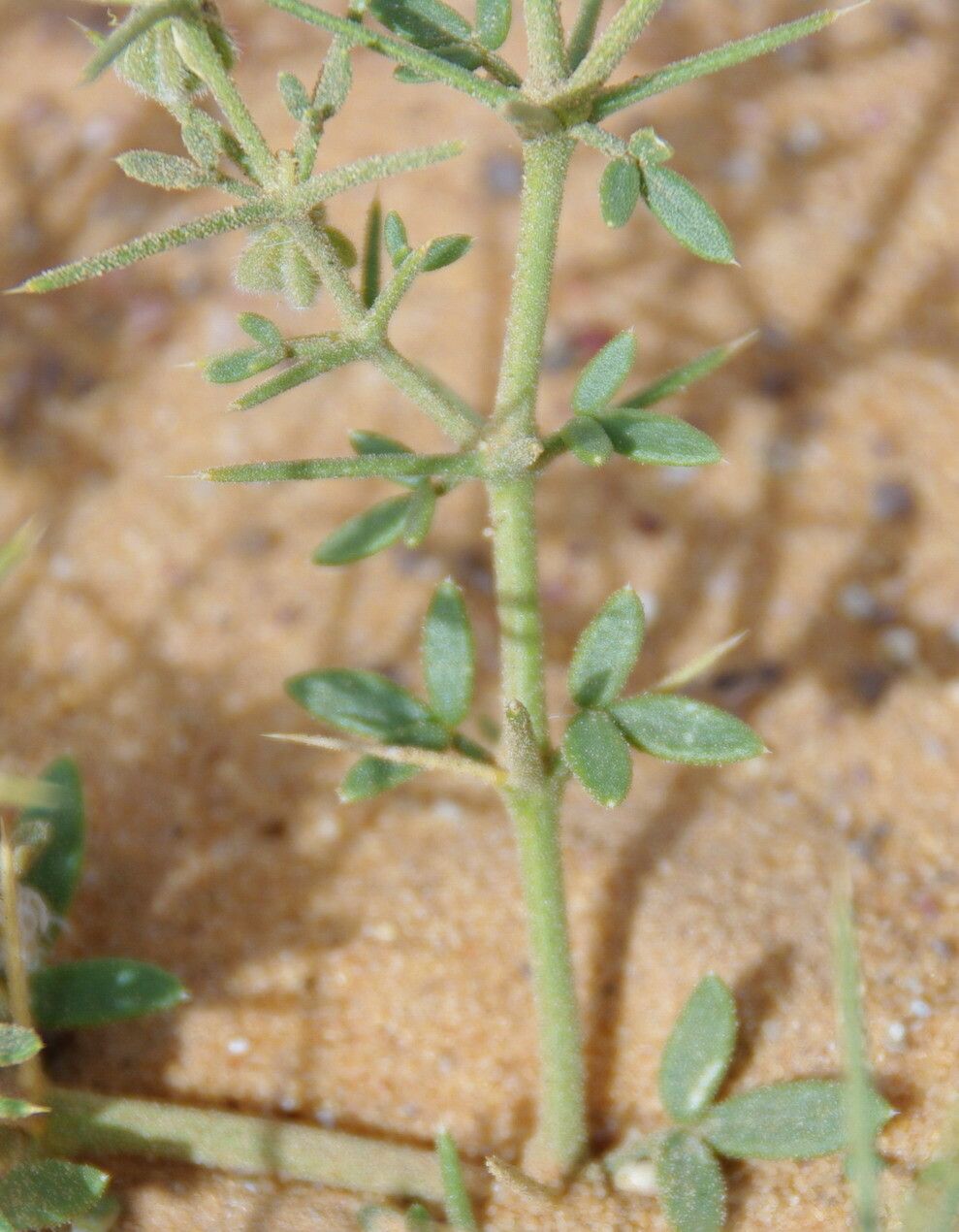
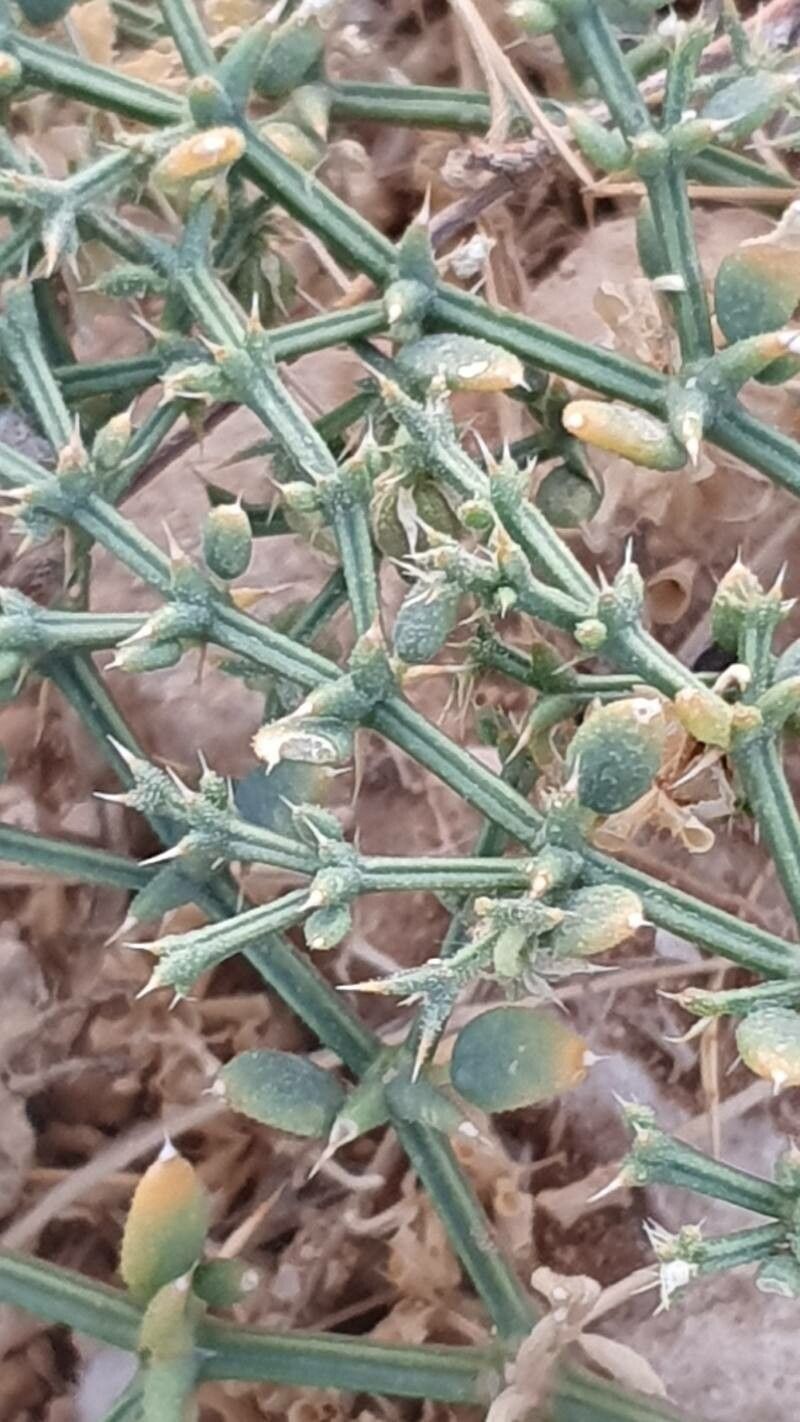
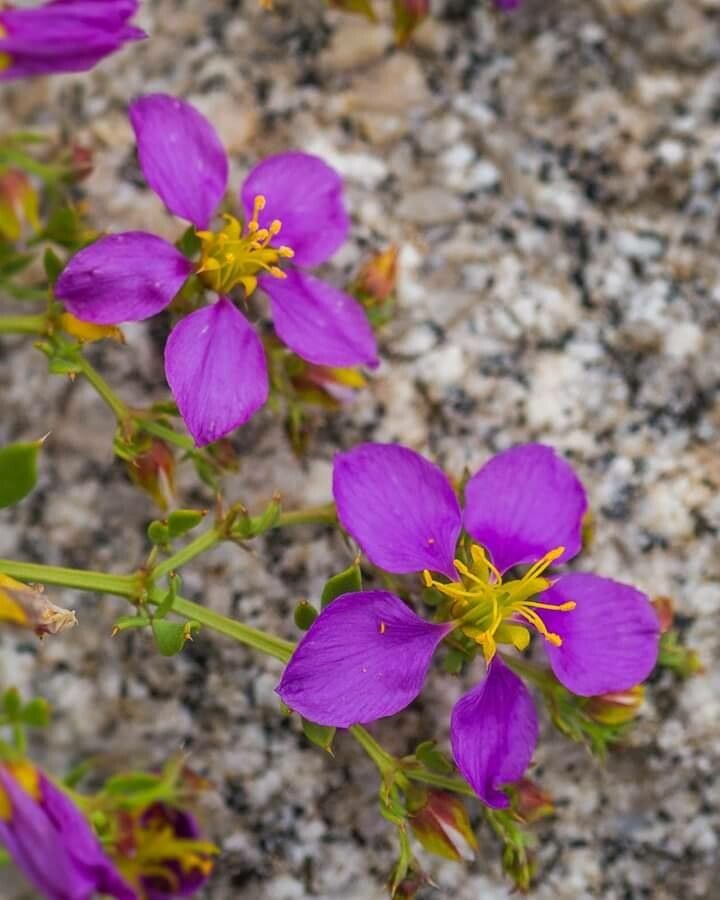
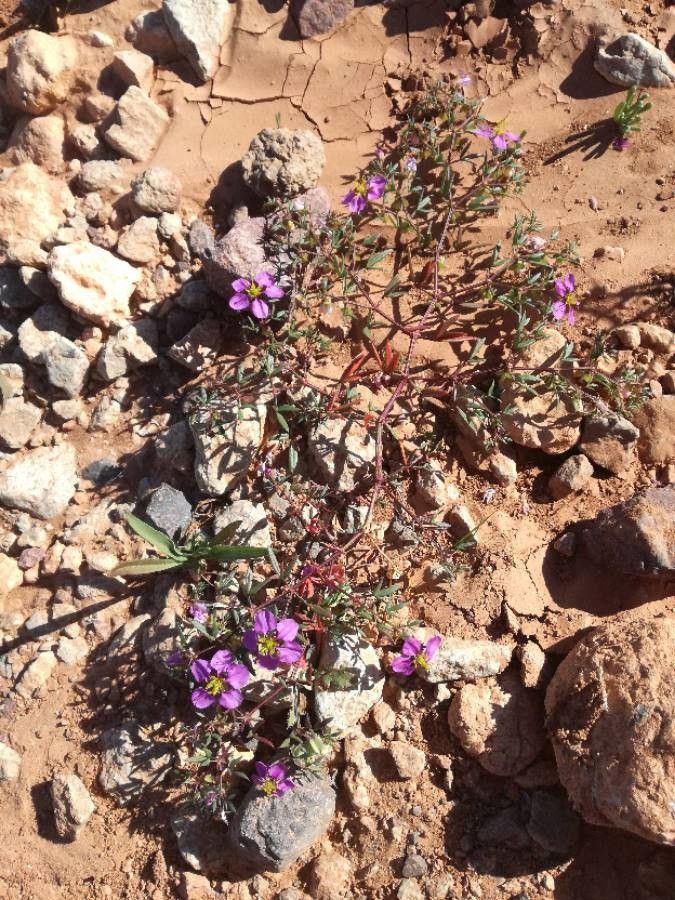
Fagonia cretica is a small, perennial plant belonging to the Zygophyllaceae family. Native to the Mediterranean region, it thrives in rocky and arid areas. The plant features small green leaves arranged in pairs along its stem and produces pink or purple flowers with five petals and a yellow center.
For centuries, Fagonia cretica has been utilized in traditional medicine due to its various health benefits. It is believed to possess anti-inflammatory, antioxidant, and anti-cancer properties. The plant contains several bioactive compounds, including flavonoids, alkaloids, saponins, and terpenes.
Apart from its medicinal properties, Fagonia cretica holds cultural significance. The ancient Greeks used it for various purposes, including treating wounds and snake bites.
Overall, Fagonia cretica is a fascinating plant with potential health benefits that continue to be explored by researchers today.
Virgin's mantle is fairly resistant to disease and is usually not susceptible to illnesses. Regarding care, this plant is relatively low-maintenance. When grown outdoors it needs little watering, and larger specimens typically do not require pruning. Smaller plants, however, should be trimmed after they have finished blooming. Virgin's mantlet is appropriate for anyone with an outdoor area, such as a garden or deck, and does not call for extensive gardening experience.
How to keep Fagonia Cretica.
Light
Originating from bright, sunbathed habitats, Virgin's mantle is a tropical woody plant that does best in full sun yet can withstand partial sunlight. It commonly occurs in open, well-lit locations with little shade.
Water
Originating from arid regions, the Virgin's Mantle is remarkably drought-tolerant and thrives with minimal moisture. To mimic its natural habitat, it should be watered every 2-3 weeks. When grown outdoors, it flourishes in well-draining soil, which prevents excess water from accumulating around its roots.
Temperature
Virgin's mantle is native to temperate regions and prefers temperatures between 68 and 100.4 °F (20 to 38 ℃). In extreme heat or cold, measures such as shading or protective covers may be necessary.
Fertilizer
Fertilization is essential for the care of Virgin's mantle. Regular feeding during the growing season preserves the energy required for its showy foliage and supports general growth. Skipping fertilization can cause leaves to become unhealthy, reduce its ornamental value, and lead to stunted or weak growth that is prone to breaking.
Pruning
Virgin's mantle is a hardy shrub perfect for dry climates, featuring small, needle-like leaves. To keep the plant healthy, prune it in early spring to remove any dead or damaged branches. Additionally, trim it lightly and regularly to maintain its shape. This practice improves air circulation and flowering, and it helps enhance the overall vitality of virgin's mantle.
Botanical profile.
- Plant Type
- Shrub
- Life Cycle
- Perennial
- Genus
- Fagonia
- Family
- Zygophyllaceae
- Hardiness Zone
- 10-12
- Mature Height
- 10 cm to 40 cm
- Mature Spread
- 30 cm to 61 cm
- Leaf Color
- Dark Green
- Leaf Type
- Semi-evergreen
- Flower Color
- Yellow
- Flower Size
- 0.05 cm to 0.10 cm
- Bloom Time
- Mid spring, Late spring, Summer, Early fall
- Planting Time
- Autumn
- Harvest Time
- Summer, Fall
- Native Area
- Saudi Arabia, Libya, Egypt, Tunisia, Italy, Spain, Cyprus, Algeria, Greece, Morocco
Other names.
Reader questions.
What's the best way to water my Virgin's mantle plant?
To promote excellent root development, place a garden hose at the base of the plant. Avoid spraying the leaves directly, especially if they are outside in direct sunlight, as they will need more water. You can use bubblers to moisten the roots of each plant or soaker hoses to cover the entire garden or bed when adding or removing plants. After watering, drain any excess water and wait for the soil to dry before watering again. To prevent diseases, water at ground level. On a sunny day, it may be beneficial to spray the entire bush with water. Whether the plant is in a pot or in the ground, remember to give Virgin's mantle deep watering rather than light sprinkling.
What is the ideal temperature range for Virgin's Mantle?
Virgin's mantle, also known by its botanical name Fagonia cretica, thrives in temperate regions with a preferred temperature range between 68 and 100.4 °F (20 to 38 °C). It's an extremely heat-loving plant, and exposure to extreme heat or cold may require certain adjustments such as shading or using protective covers to mitigate the effects. During winter, it's beneficial to maintain temperatures above 20°C and ensure the plant is kept away from heaters despite needing to be indoors. Temperatures nearing 5°C can be harmful to its growth.
What should I do if I give too much or too little water to Virgin's mantle?
When a Virgin's mantle is overwatered, its leaves can turn yellow, drop off, and wilt. The plant may also appear dull and unhealthy, showing mushy stems. Adjusting your watering schedule is recommended when these signs appear. On the other hand, wilting can also indicate under watering. In this case, the leaves will become crispy and dry. To ensure proper hydration, check the soil moisture level. If the soil is dry, a thorough watering is necessary. While this will help the plant recover, it may still display dryness and yellowing of leaves due to root damage. Once the situation improves, the yellowing will stop. When keeping a Virgin's mantle indoors, regularly check the moisture levels in the pot and avoid overwatering. Look out for black spots, and if present, allow the soil to dry out by refraining from watering for a few days. Overwatering can lead to root rot, so if you observe discolored and slimy roots, consider transferring the plant to a different pot. Preventing root rot by avoiding excessively soggy soil is crucial. When planting a Virgin's mantle outdoors, ensure proper hydration by checking the moisture level of the soil. If it feels too dry, the plant is likely underwatered and requires adequate watering to recover.
How do I care for Virgin's Mantle in low temperatures?
Virgin's mantle prefers warm temperatures and does not tolerate cold well, thriving best when temperatures are above 20°C. It’s critical to keep the plant above 5°C during winter to avoid damage. When temperatures fall below 1°C, the leaves may discolor, turning light and then progressing to brown or black with signs of wilting and drooping following frost damage. To address this, trim off the frost-damaged parts and move the plant indoors to a warmer environment, placing it near a south-facing window for ample sunlight while avoiding placement near heaters or air conditioning vents to prevent the air from becoming excessively dry.
How frequently should I water my Virgin's mantle plant?
The Virgin's mantle prefers deep and infrequent watering, especially when planted in pots. It is best to soak them in a gallon of water each time to account for the limited water storage in the pots and the faster drying of the soil. In cold regions, watering every 3 to 5 days is necessary. It is best to water in the morning when the soil is dry, whether indoors or outdoors. To determine if watering is needed, check the soil inside. If the top 2-3 inches of soil are dry, then the plant requires a full watering. During hot days, check the moisture daily as the heat can quickly dry out the soil in the pot. For garden irrigation, watering once a week is sufficient in hot climates. Only water when about 2 to 3 inches of soil become too dry, taking into consideration the amount of rainwater to prevent root rot. If there is abundant rainfall, additional watering may not be needed. During the growing seasons of spring and fall, adding mulch about 3 to 4 inches deep can help conserve water when the plants are outdoors. In sandy soil, more frequent watering is necessary due to faster drainage. In clay soil, watering can be less frequent, with 2-3 days of letting the plant dry to avoid root rot. It can be helpful to mark the date on the calendar whenever watering is done and to pay attention to drooping leaves as a sign of potential delay in watering.
What should I do if Virgin's Mantle experiences high temperatures?
In conditions where summer temperatures exceed Virgin's mantle's comfort zone, especially above 38°C with risks at 43°C leading to lighter leaf color and susceptibility to sunburn, it's important to provide care for the plant. Sunburned and dried parts should be trimmed away, and the plant should be relocated to an area with shade from the midday and afternoon sun. Ensuring the soil remains moist by watering in the morning and evening can also help the plant cope with high temperatures.
How much water should I give my Virgin's mantle plant?
The Virgin's mantle usually requires about a gallon of water according to a watering schedule. For potted plants, it is recommended to water them deeply until the water starts dripping from the bottom of the pot. Then, allow the soil to dry before watering again. To determine the amount of water given to your plant in a week, you can use a water calculator or a moisture meter. During the flowering period, provide ample water but allow for moisture to evaporate afterwards to avoid root rot. If the Virgin's mantle is planted outdoors and receives sufficient rainfall, it may not need additional watering. However, if the plant is young or newly planted, ensure it receives 1-2 inches of rain per week. As the Virgin's mantle grows, it can rely solely on rainfall. Only during extremely hot weather or when there is no rainfall for 2-3 weeks should you consider providing a full watering during the cooler parts of the day to prevent damage from heat. Additional watering may be necessary during extended periods of dryness.
Do I need to change how often I water my Virgin's mantle plant based on the seasons or weather?
To properly care for the Virgin's mantle plant, it is important to consider its water needs throughout the seasons. During the spring and fall, the soil should be kept moist, but not soggy. Alternating between dry and moist soil conditions will promote healthy growth. In the summer, hot weather can cause water to evaporate quickly, so extra watering may be necessary if there is a lack of rainfall. During winter, the plant requires less water as it goes dormant. A well-draining soil mixture, such as terracotta, can help the water evaporate faster during this period. Once the plant starts to leaf out again in the spring, you can encourage growth and flowering by cultivating it. Good drainage is crucial, especially in winter, to prevent ponding. If the plant is in a pot, it should be kept well-watered, especially during summer, and adequate drainage is essential to avoid cold and wet roots. It is recommended to water the plant thoroughly, ensuring the entire root system is soaked at least once or twice a week, depending on the weather. Shallow sprinkles that only reach the leaves should be avoided as they can encourage fungal growth and don't reach the roots effectively. Even during dormancy in the fall or winter, the plant should not be allowed to completely dry out. Overwatering should also be avoided as the plant can suffer if left sitting in water for too long, especially in winter. Applying mulch can help reduce stress, conserve water, and support healthy blooms.
What do I need to watch out for when watering my Virgin's mantle in different seasons, climates, or when it's growing at different times?
If you're planting Virgin's mantle in the ground, it mostly relies on rain for water. However, if there's no rainfall for 2-3 weeks, you may need to water them deeply. In the summer, water them in the morning to avoid stressing the roots with a large temperature difference. Avoid watering when it's too hot outside. Start mulching in the spring when the ground isn't too cold. Newly planted plants can fail to grow if they lack water. Once established, reduce watering. During fall and winter, especially if there's water-retaining material in the soil, you can reduce watering, but be mindful of drying winds. Potted plants dry out faster and require more watering. If they bloom less and the leaves start to dry, water them more. Avoid sitting the pots in water and be cautious of overwatering in the fall, which can cause mottled or yellowish foliage. Increase watering frequency when they flower, but give them a break once fully grown. Water them every 3 to 5 days, but don't stick to a strict schedule. Check the soil for dryness with your finger or a moisture meter. Don't overwater or underwater, as it can lead to root rot and plant death regardless of the climate or season.
Why is it important to water my Virgin's mantle plant?
To ensure the health of the Virgin's mantle plant, it is important to water it appropriately. The amount of water needed will depend on the weather in your area and the type of soil the plant is growing in. While the Virgin's mantle thrives in moist soil, it cannot withstand waterlogging. When planting the Virgin's mantle in the ground, be sure to provide enough mulch and avoid under-watering. When planting in a pot, a full can of water is recommended, with the water remaining moist at the base to promote the best blooms. If you are growing the plant for its foliage, watering up to a depth of 10 to 20 inches is necessary for continuous growth. However, if it is raining, it is best to refrain from watering the plant and allow it to obtain nutrients from the rainwater.