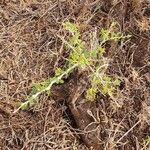
Faidherbia albida
Apple-ring acacia · Whitethorn · Winter thorn · Anatree · Balanzan tree
Description
Source: leafsnapFaidherbia is a genus of leguminous plants containing one species, Faidherbia albida, which was formerly widely included in the genus Acacia as Acacia albida. The species is native to Africa and the Middle East and has also been introduced to Pakistan and India. Common names include apple-ring acacia (their circular, indehiscent seed pods resemble apple rings), and winter thorn. The South African name is ana tree.
Care Guide
💧 Water
The apple-ring acacia thrives in arid conditions, demonstrating remarkable drought tolerance and efficient water storage. During cultivation, it needs to be watered every two weeks. This plant excels outdoors and is perfect for xeriscaping because of its resilience and minimal water requirements.
☀️ Light Full sun
Apple-ring acacia prospers beneath an open, unshaded sky. Coming from habitats with extensive sun exposure, this plant does well in those circumstances. However, while it favors sunlight, it can tolerate lower light levels. Too little light may slow its growth, and too much can cause its leaves to scorch.
What are the sunlight requirements for Apple-ring acacia?
Apple-ring acacia requires full sun, meaning it thrives best with more than 6 hours of sunlight each day. If you're planning to grow this plant, ensure to observe how sunlight moves through your garden to pick the ideal location that provides a good balance of light and shade. This balance is crucial for the plant's health and happiness.
Can Apple-ring acacia grow without direct sunlight, and what are the essentials for its growth?
Yes, the Apple-ring acacia can grow even without direct sunlight exposure. Originally from environments that receive a lot of sun exposure, it prefers similar conditions to flourish. However, it's adaptable and can survive with less light, though this might slow its growth or lead to leaf scorching if the light is too intense. For indoor plants, using artificial lighting can compensate for insufficient natural sunlight, with LED lights being a preferable option because they can be tailored to provide the specific light wavelengths needed by plants.
What are the symptoms of insufficient light for Apple-ring acacia, and how can they be addressed?
Symptoms of insufficient light in Apple-ring acacia include smaller new leaves, leggy or sparse growth, faster leaf drop, slower or halted new growth, lighter-colored or yellow leaves (chlorosis), sunscald, leaf curling, wilting, and leaf scorching. To remedy this, gradually expose the plant to more sunlight, aiming for at least 6 hours of direct sunlight daily, or use artificial lighting for indoor plants. Outdoor plants should be moved gradually to sunnier spots to avoid shock, and in dense environments, reducing obstructions or transplanting the plant can ensure it receives ample sunlight.
🌡️ Temperature 20–37.8°C
Apple-ring acacia is adapted to the warm, tropical and subtropical conditions of its native habitat, preferring temperatures between 68 and 100 °F (20 to 38 ℃). However, seasonal adjustments in temperature may be required to reproduce its natural climate.
What is the ideal temperature range for Apple-ring acacia?
The Apple-ring acacia thrives in warm, tropical, and subtropical climates, favoring temperatures between 68 to 100 °F (20 to 38 °C). It is extremely heat-loving, and care should be taken to protect it from cold temperatures. During winter, maintaining temperatures above 20°C is beneficial, while temperatures approaching 5°C or below can be detrimental to the plant's health.
What should I do if my Apple-ring acacia is exposed to low temperatures?
For Apple-ring acacia, low temperatures are problematic, as it thrives best when the temperature is above 20°C and should be kept above 5°C during winter. Exposure to temperatures below 1°C may cause the leaves to lighten in color, eventually turning brown or black, and lead to wilting. If frost damage occurs, trim off the affected parts and move the plant indoors to a warm environment. Place it near a south-facing window for ample sunlight but avoid direct exposure to heaters or air conditioning vents to prevent air dryness.
How can I protect my Apple-ring acacia from high temperatures?
During the summer, it's essential to keep the Apple-ring acacia below 38°C to prevent overheating. Temperatures above 43°C can lighten leaf color and increase susceptibility to sunburn. To mitigate damage, trim away sunburned and dried-up parts of the plant. Relocate the plant to provide shade during the midday and afternoon sun, and ensure the soil remains moist by watering it in the morning and evening.
💨 Humidity
🪴 Soil 6-7
🌱 Fertilizer
Fertilization is essential for caring for the Apple-ring acacia. Regular nutrient applications during the growing season maintain the energy needed for its showy foliage and support overall growth. Failing to fertilize can lead to unhealthy leaves, reduced ornamental value, and stunted or weak growth that is more likely to break.
🪴 Pot & Repot
✂️ Pruning
The apple-ring acacia is known for its umbrella-shaped canopy and nitrogen-fixing roots. To maintain its health and appearance, prune the tree in early spring. This is the best time to shape the canopy and remove any dead wood, which helps improve airflow and sunlight exposure. Be cautious not to prune too heavily, as this can stress the tree. Always use clean, sharp tools when pruning to ensure precise cuts, which will support better growth and increase the tree's drought resistance.
🌿 Propagating
🐛 Diseases & pets
☠️ Toxicity
Characteristics
- Plant Type
- Tree
- Life Cycle
- Perennial
- Genus
- Faidherbia
- Family
- Fabaceae
- Hardiness Zone
- 10-12
- Mature Height
- 9.14 m to 12.19 m
- Mature Spread
- 35.05 m
- Leaf Color
- Pale Green, Light Green
- Leaf Type
- Deciduous
- Flower Color
- Yellow, Green
- Flower Size
- 2.54 cm
- Bloom Time
- Late fall, Early winter, Mid winter
- Planting Time
- Spring, Summer, Autumn
- Harvest Time
- Mid spring, Late spring, Early summer, Mid summer
- Native Area
- Burkina Faso, Libya, Somalia, Egypt, Angola, Namibia, Nigeria, Morocco, Kenya, Niger, Uganda, Tanzania, Zimbabwe, Mali, Guinea-Bissau, Benin, Cameroon, Burundi, Mozambique, Ghana, Ethiopia, Botswana, Central African Republic, Saudi Arabia, Malawi, South Africa, Zambia, Sudan, Mauritania, Cyprus, Chad, Lebanon, Togo, Senegal, Algeria, Gambia, Congo (DRC)